Brick Factory H.
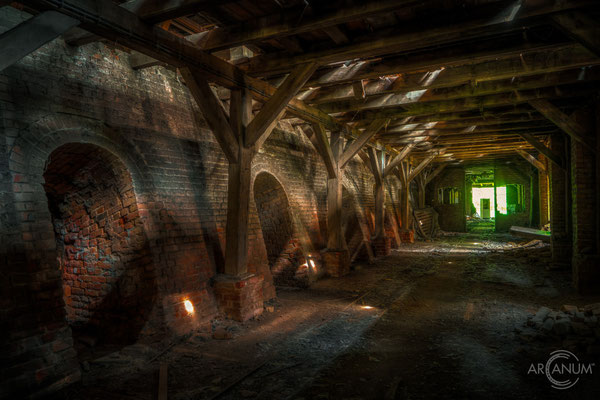
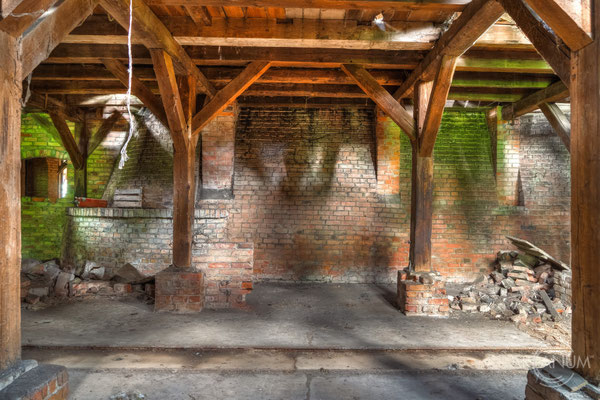
In the midst of industrialization, a brickworks was established in the 19th century, as was typical in many regions of the country. Initially, it was a small business that used traditionally built brick kilns to meet the growing demand for building materials. Over time, the facility was expanded, a modern ring kiln was added, and additional drying sheds were built. These developments reflected the progress of an era in which brick production was becoming increasingly industrialized.
The brickworks played an important economic role for decades.
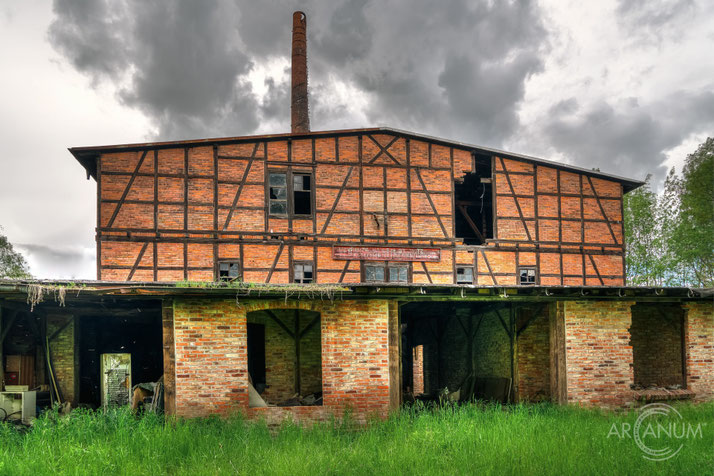
It supplied building materials for residential houses, public buildings, and agricultural structures. It was not only a production facility, but also an employer for many people in the surrounding area. The work was hard and physically demanding: clay was dug from a nearby open-cast mine, loaded onto lorries, taken to the kiln, and finally shaped into bricks by hand in a laborious process. The firing process in the ring kiln took days, and the tall chimneys were visible from afar.
In the early 20th century, the brickworks underwent a period of modernization. New kilns were built, production was expanded, and output reached several hundred thousand bricks per year. For the employees, this meant a comparatively secure livelihood, even if working conditions remained challenging. The heat of the kilns, handling heavy clay, and the dusty environment were daily challenges. Nevertheless, the brickworks shaped the lives of many families for generations.
After World War II, the general conditions changed. Technological innovations, changes in construction methods, and political developments meant that smaller brickworks came under increasing pressure. During this phase, operations were initially restricted. Parts of the plant were shut down, while others were modernized. Over the years, there were repeated attempts to maintain production, but the economic outlook deteriorated. Finally, regular brick production was finally discontinued at the beginning of the 1990s.
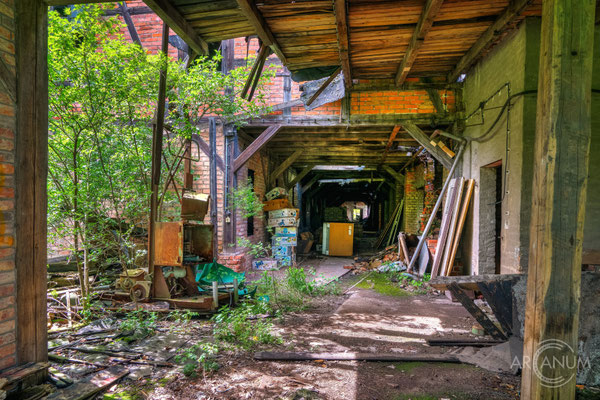
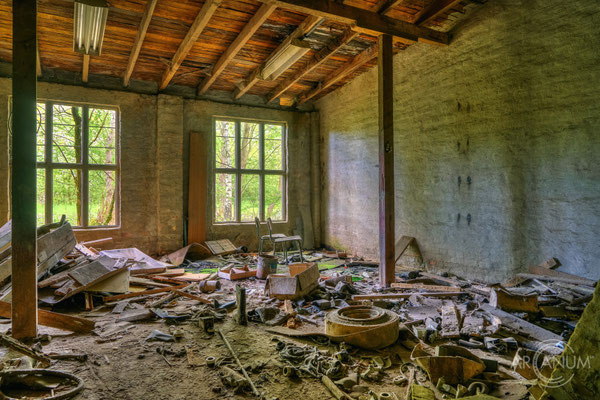
With the end of traditional operations, a new chapter began. A recycling company moved into the sprawling site, making use of the existing halls and open spaces. Materials were sorted and stored here, but in some cases waste was also dumped improperly. Over time, this led to environmental problems that continue to affect the area to this day. Illegal dumping, including tires and construction waste, exacerbated the situation. There were repeated fires, which not only damaged the site but also reignited the debate about the future of the facility.
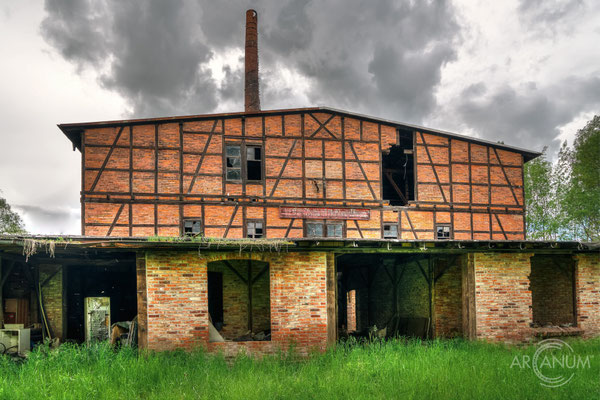
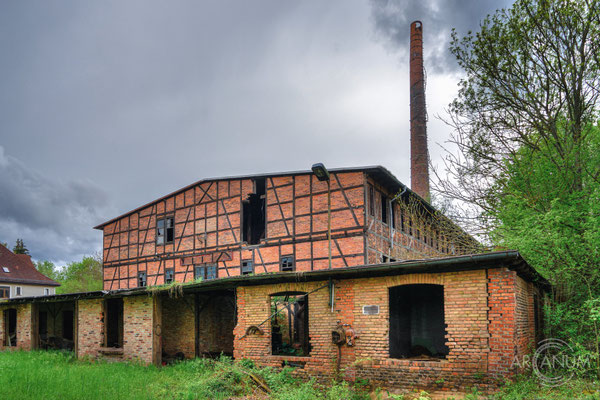
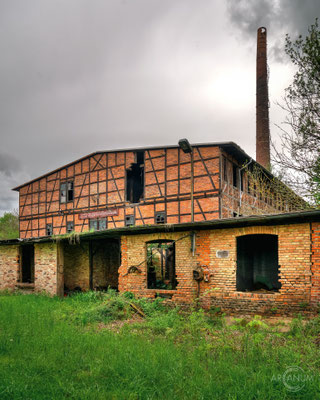
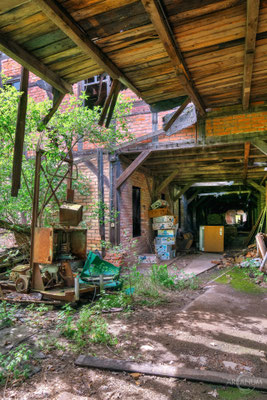
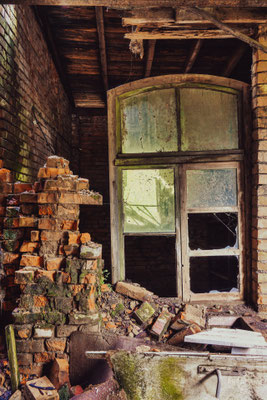
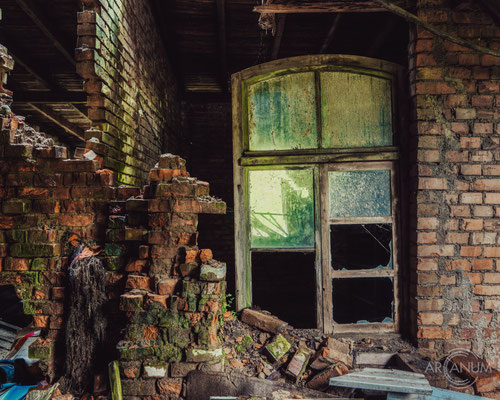
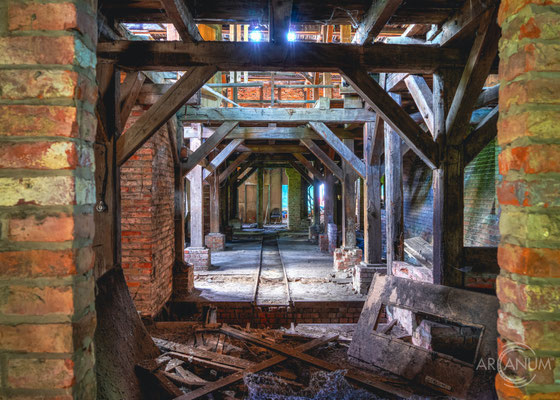
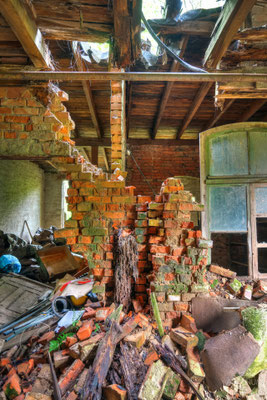
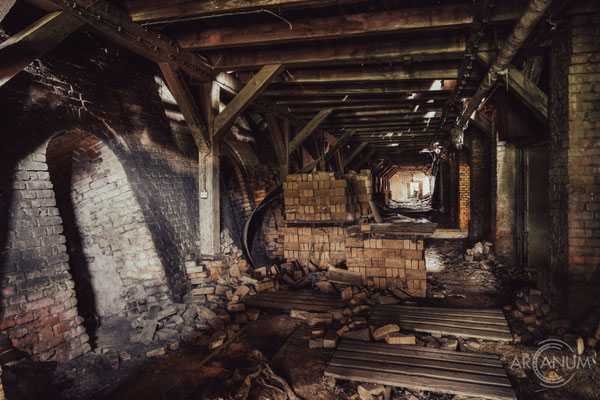
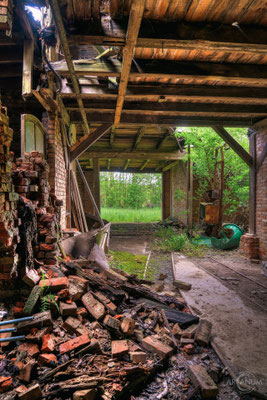
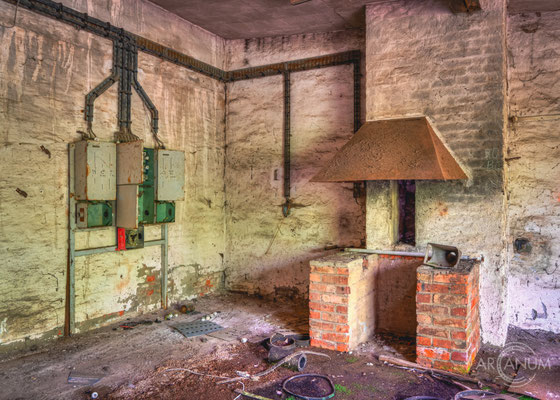
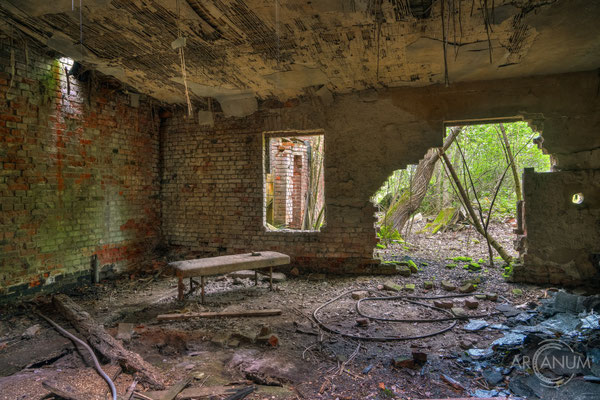
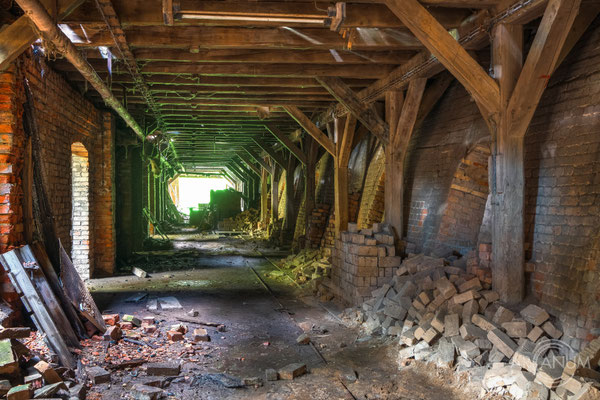
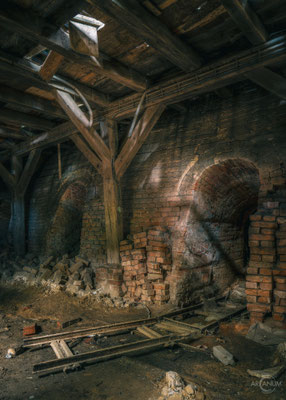
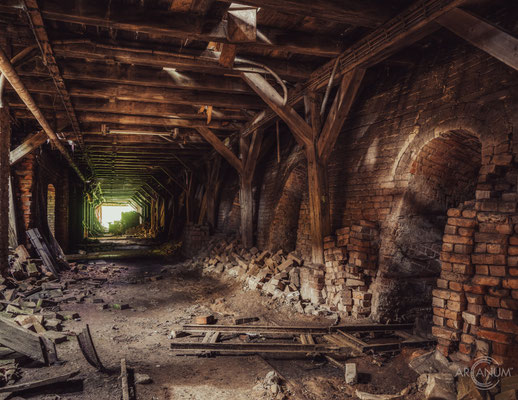
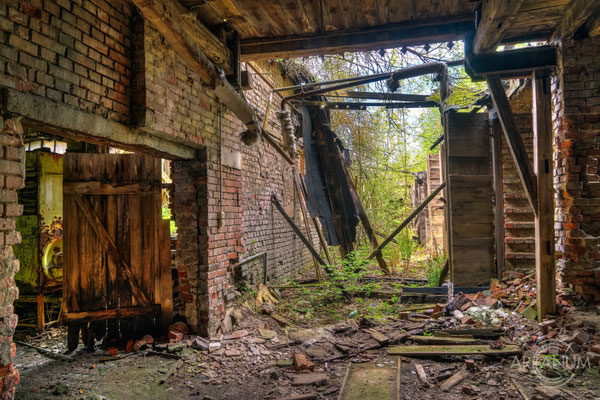
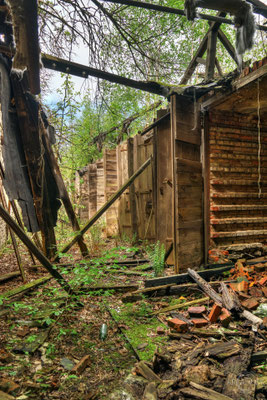
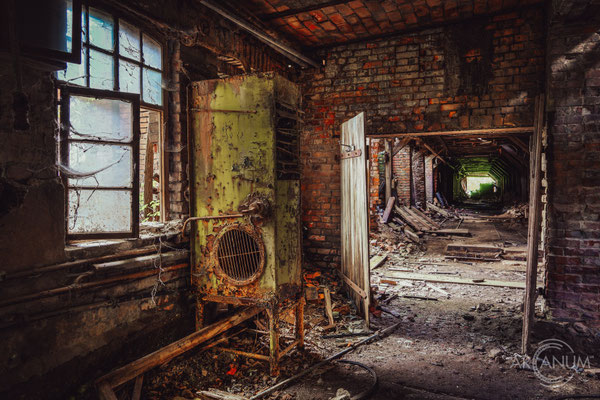
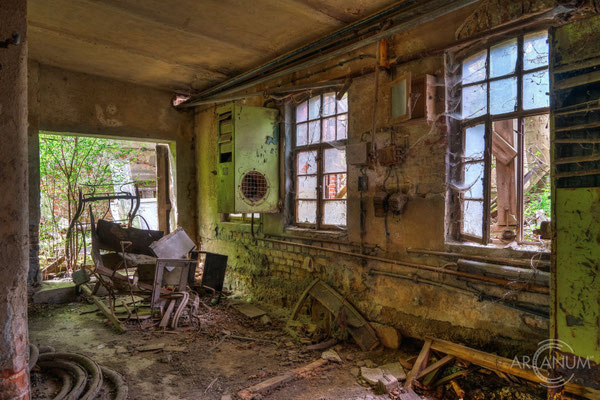
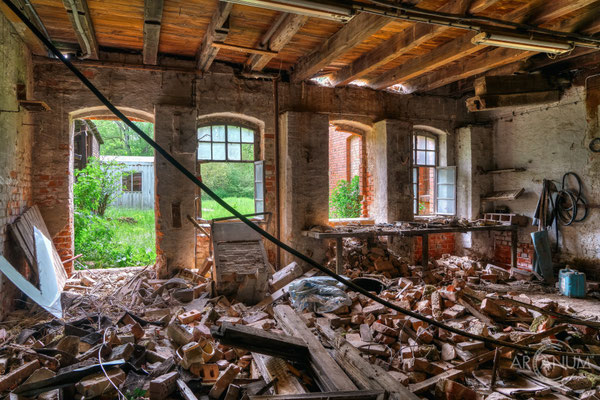
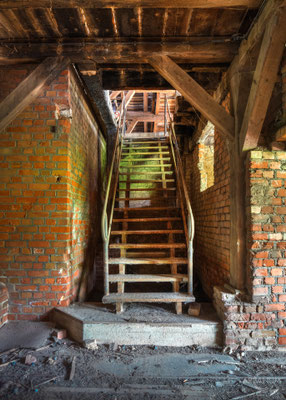
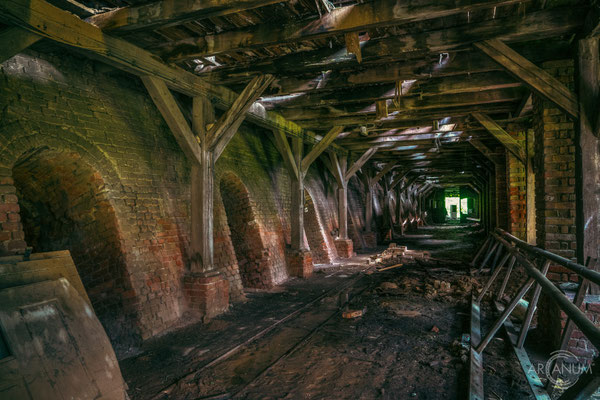
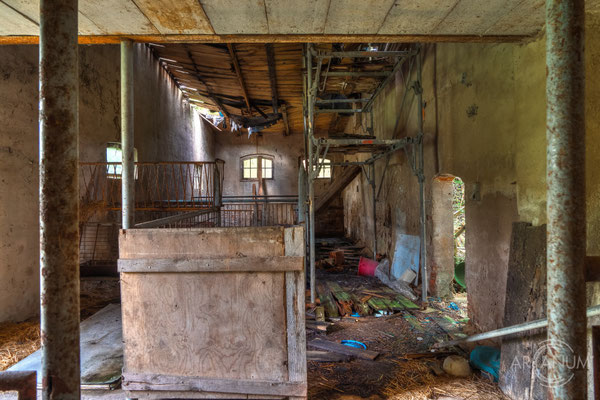
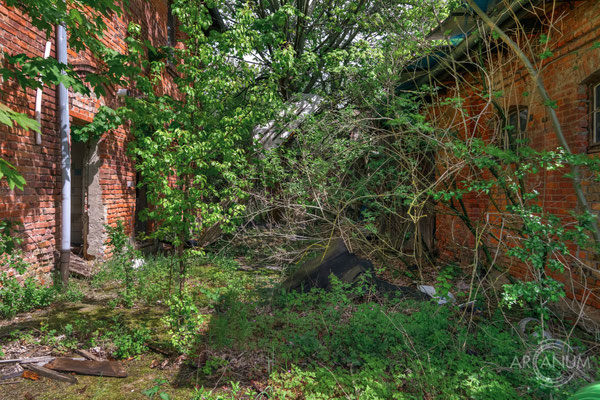
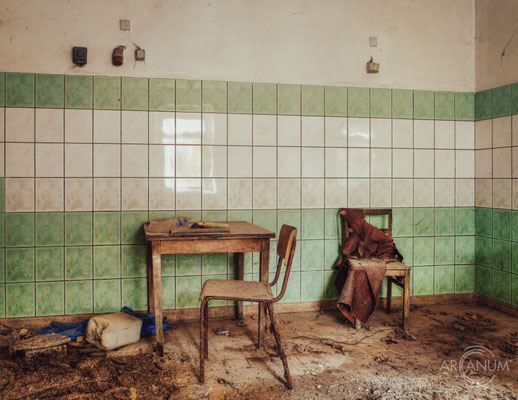
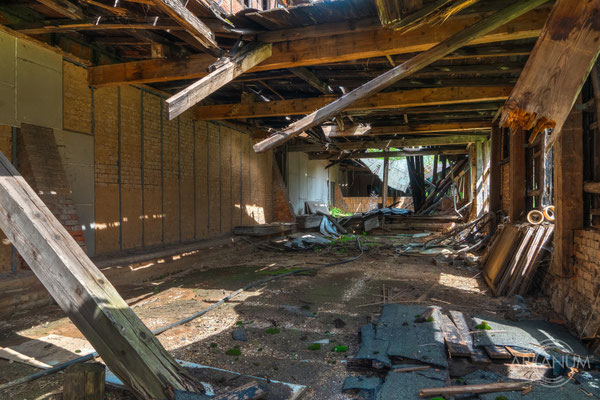
Meanwhile, the historic structure fell into disrepair. Roofs collapsed, walls began to crumble, and the once mighty chimney lost its stability. Only the ring kiln remained as a technical monument, still serving as a reminder of the heyday of brick production. For preservationists and history buffs, it is an important testament to industrial culture.
In recent years, new perspectives have opened up. Urban planners, investors, and citizens have discussed how the area can be put to good use. Proposals range from a redesign in line with historic preservation guidelines to conversion into an area for renewable energies. The large open spaces of the former open-cast mine appear particularly suitable for solar power plants. At the same time, it is repeatedly emphasized that the historic core must not simply disappear, as it embodies a piece of local identity.
The history of this brickworks is typical of the transformation undergone by many industrial production sites: from its proud beginnings in the 19th century, through its heyday in the early 20th century, its laborious survival in the post-war period, to its final closure at the end of the 20th century. The subsequent attempt at reuse brought short-term employment, but left behind ecological contamination. Today, the question arises as to how the past can be reconciled with the requirements of a sustainable future.
This makes the old brickworks more than just an abandoned industrial site. It tells a story of technological progress, economic change, hard work, and the traces left behind by human activity in the landscape. Whether as a memorial, a place of remembrance, or a starting point for new projects, its fate is closely linked to society's approach to industrial heritage.
Visited: May 17, 2021
Location: Undisclosed, Germany
Status: Abandoned