The Church of Holy Silence
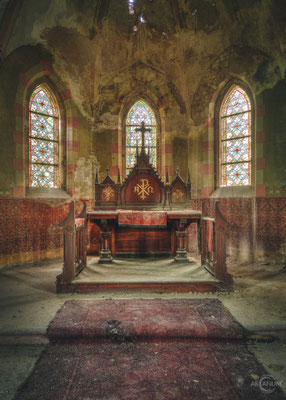
At the edge of a quiet residential area stands a forgotten church, slowly being reclaimed by time. Built at the end of the 19th century, between 1897 and 1899, the building once served as a Protestant place of worship for a small local congregation. Its construction reflects the historicist church architecture of the era: a solid masonry structure with a simple but dignified exterior, designed less for grandeur than for everyday community life.
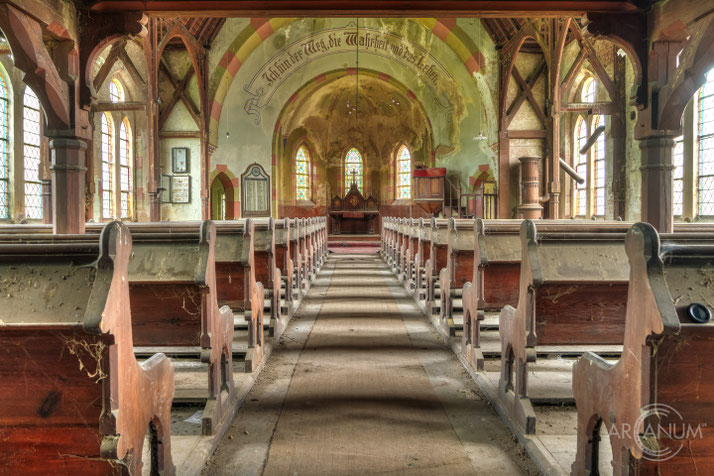
Unlike many traditional churches, the building followed an unusual layout. The lower floors were not purely sacred spaces but also housed community rooms and living
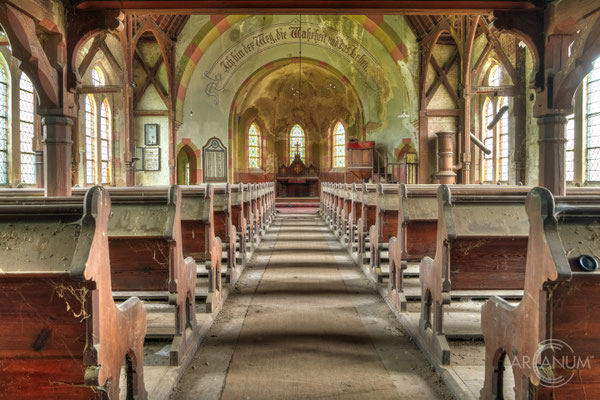
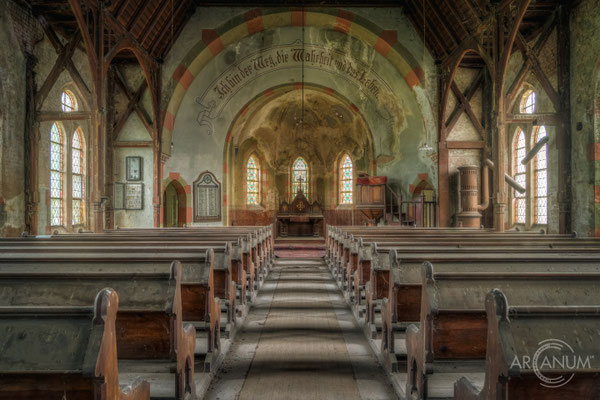
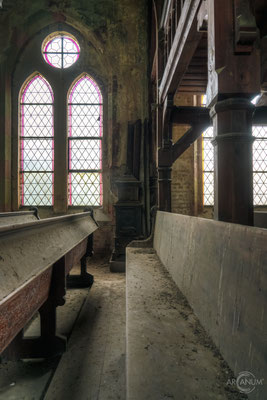
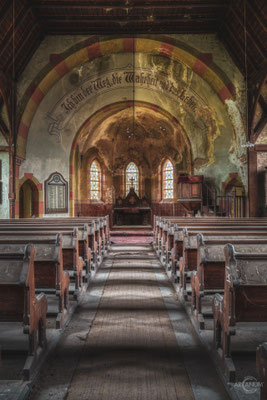
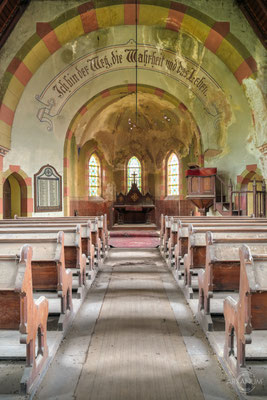
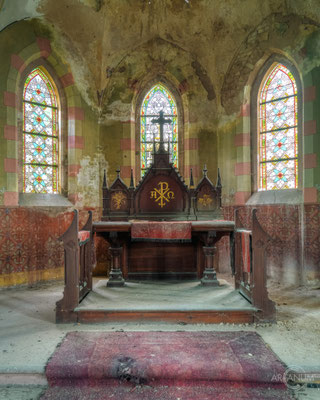
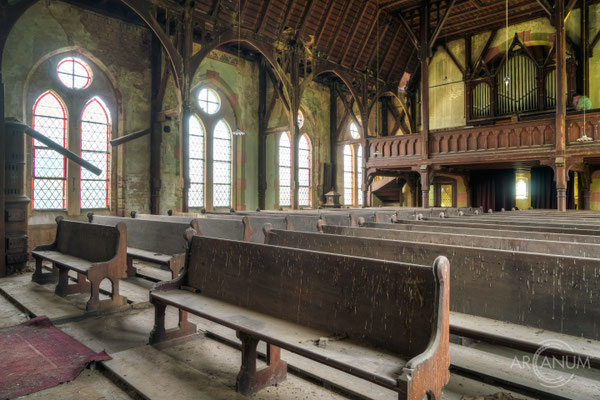
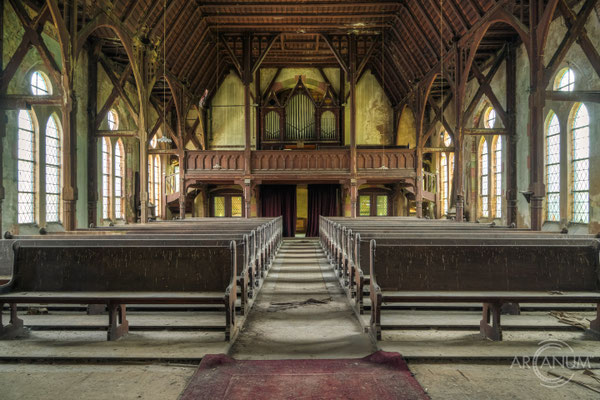
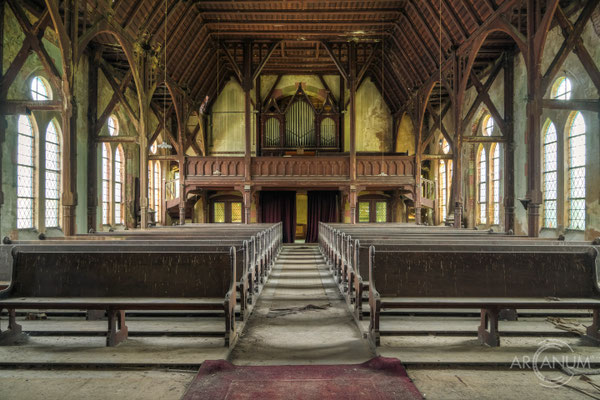
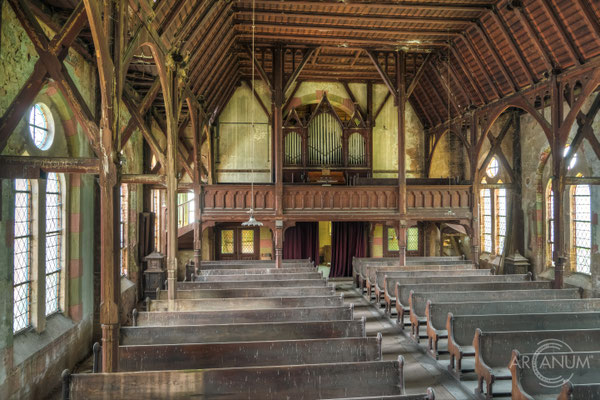
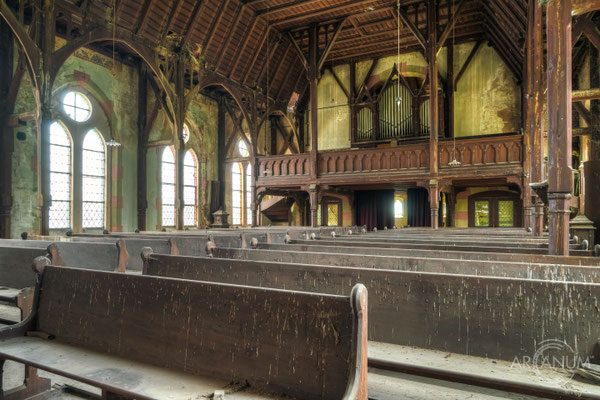
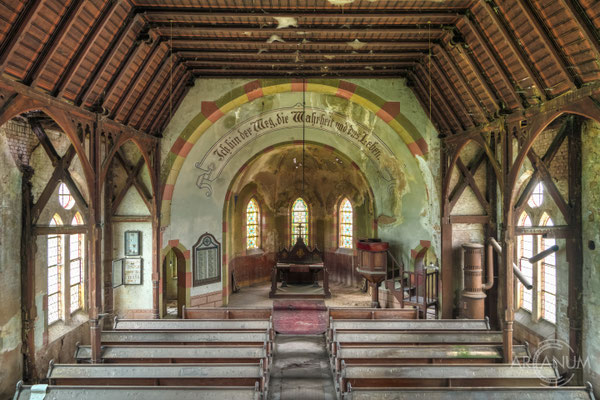
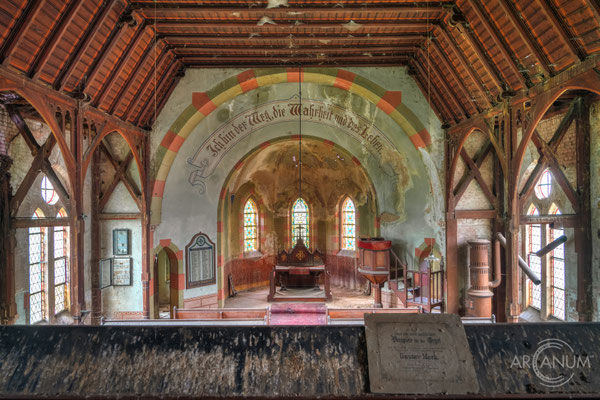
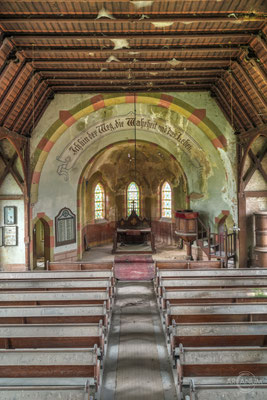
quarters, likely intended for church-related purposes. Above them lay the actual church hall, with wooden galleries, rows of benches and a modest altar area. This combination of practical and
religious functions made the church a central part of local life for many decades.
As demographic changes and declining church attendance set in during the late 20th century, the congregation was eventually dissolved in the 1990s. Regular services ceased, and the building was
left without a clear purpose. Maintenance stopped, and the structure began to deteriorate. Moisture penetrated the walls, the roof suffered damage, and over time severe mold infestation
developed. Restoration was repeatedly discussed, but experts ultimately deemed it economically unfeasible. Plans for demolition were filed in the early 2000s, though they were never carried
out.
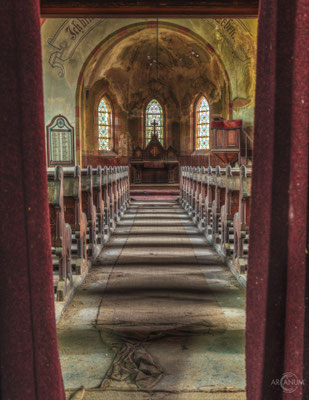
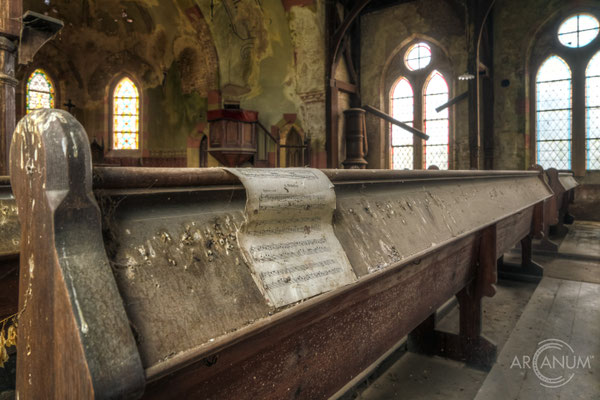
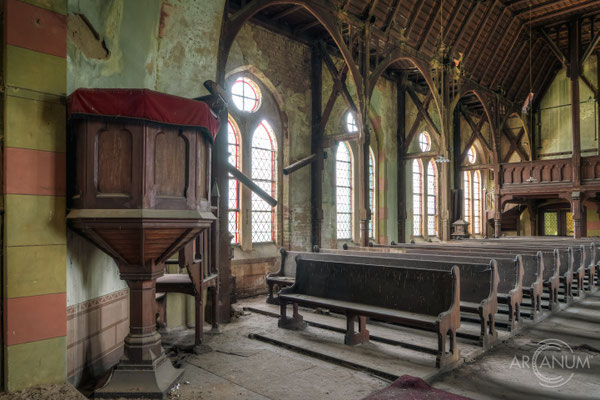
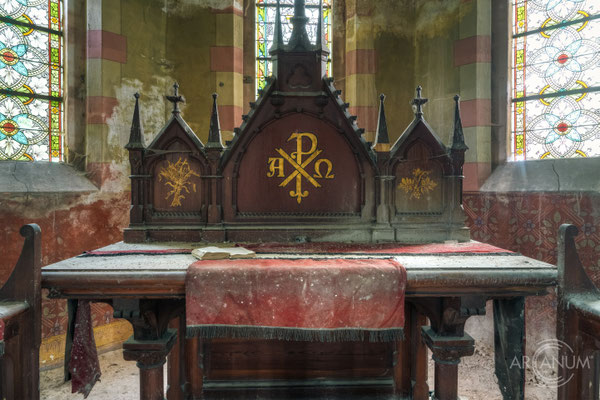
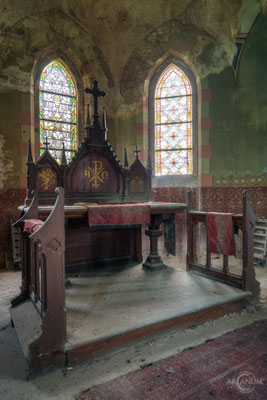
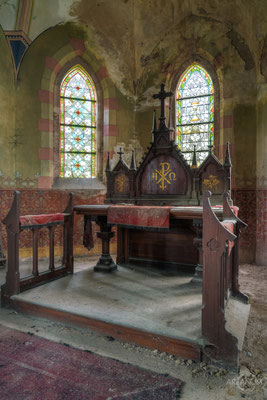
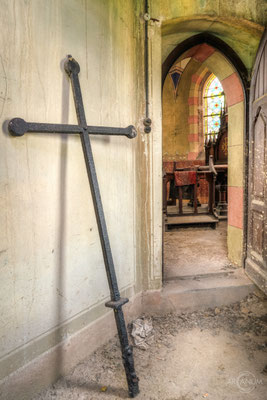
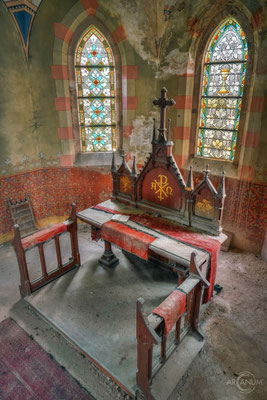
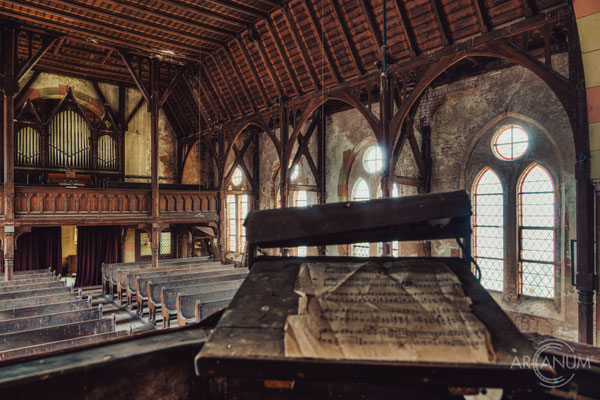
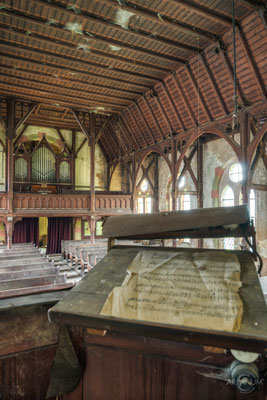
For years, the abandoned church stood empty, its interior slowly collapsing. Wooden elements decayed, windows broke, and nature crept inside. Despite its condition, much of the original interior
remained visible, including galleries and fragments of the liturgical furnishings. The building gradually gained a second life as a “lost place”, attracting photographers and explorers drawn to
its quiet atmosphere and visible decay.
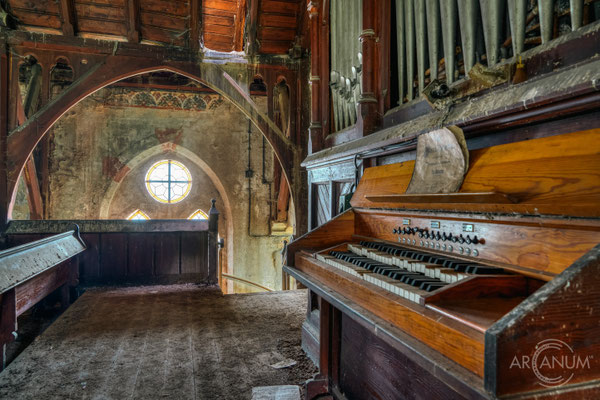
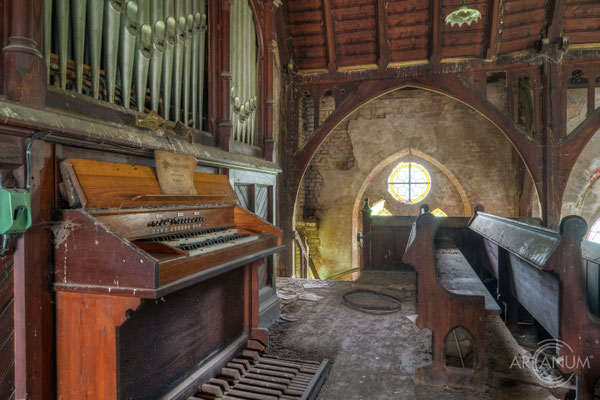
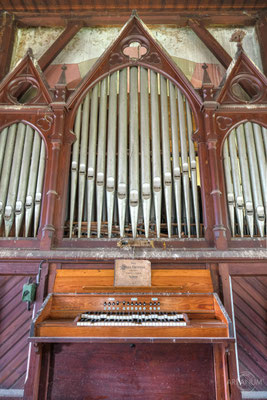
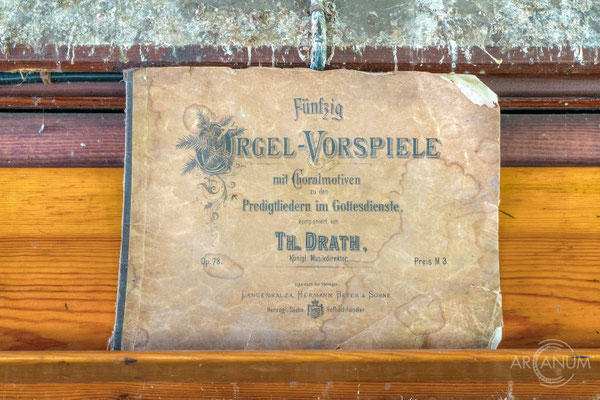
One of the most remarkable chapters in the church’s recent history concerns its organ. The instrument, long neglected and covered in dust and debris, remained inside the building far longer than
expected. Although affected by years of exposure, it was still largely intact. Recognizing its cultural value, a young organist took the initiative to rescue it. In 2024, the organ was carefully
dismantled and removed from the church to prevent its total loss. The intention was not destruction, but preservation — with the hope of restoring and playing the instrument again in a safer
environment.
Today, the church stands as a fragile shell of its former self. It is no longer a place of worship, but a silent witness to changing times: to the rise and decline of local communities, to
shifting religious life, and to the thin line between preservation and disappearance. Whether the building itself will survive remains uncertain, but parts of its story — and its sound — have
already been saved from oblivion.
Visited: August 13, 2021
Location: Undisclosed, Germany
Status: Abandoned