Liqueur Factory H.
Hidden behind brick façades darkened by time, this former liqueur and spirits factory tells a story that stretches back almost two centuries. Its origins lie in the early phase of industrial distilling, when small, often family-run enterprises began to transform traditional craft into organized production. Founded in the first half of the 19th century, the distillery initially operated on a modest scale, producing grain spirits and herbal liqueurs for a growing regional market.
A decisive turning point came toward the end of the 19th century, when the company was taken over by an entrepreneur whose name would
later become inseparably linked with the site. Under his leadership, the factory expanded both architecturally and economically.
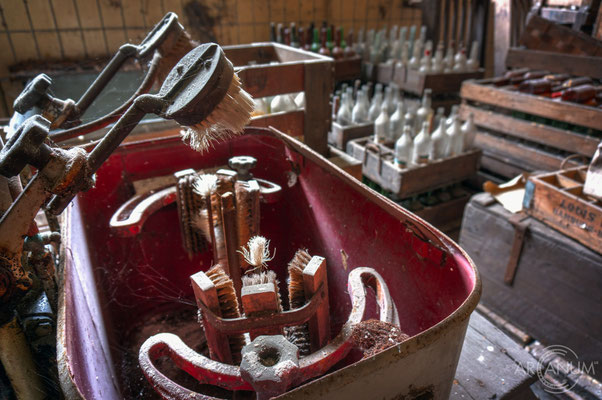
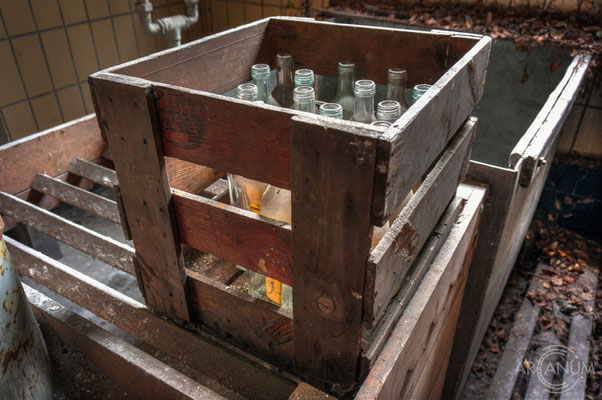
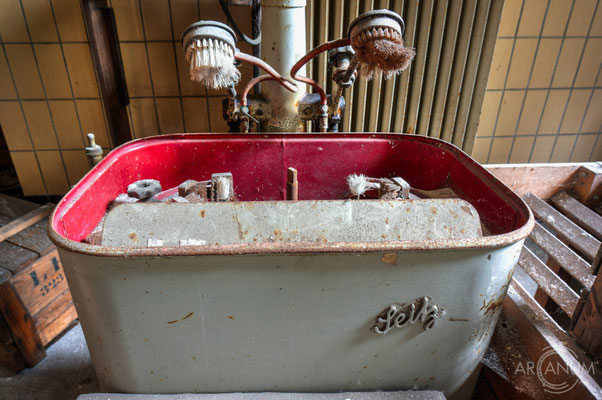
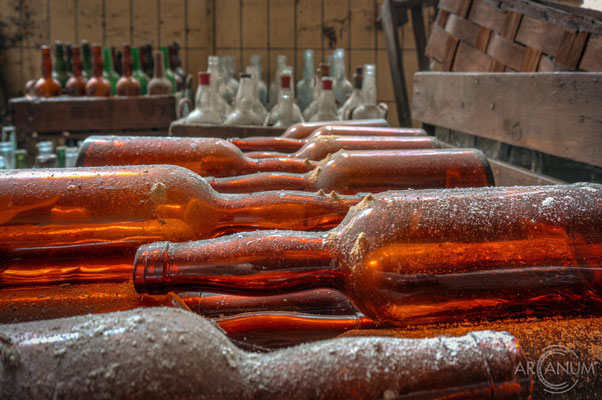
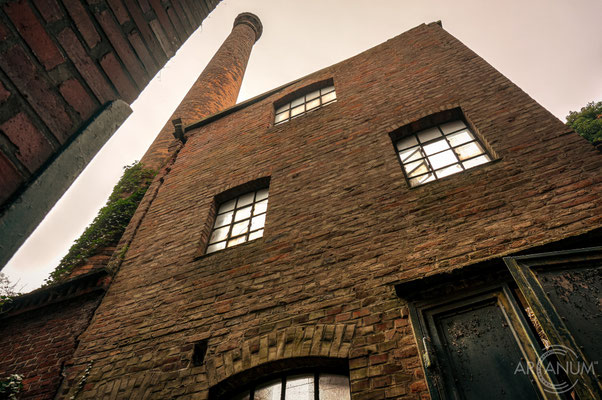
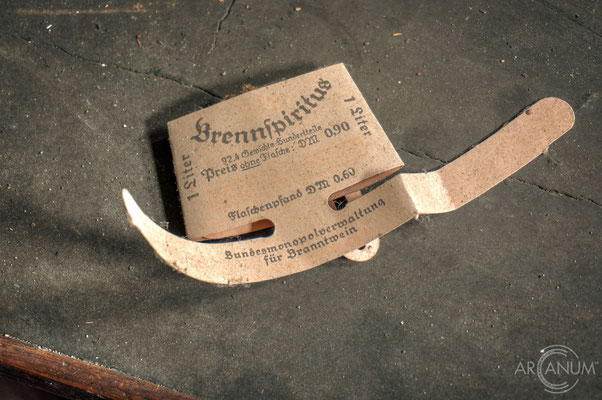
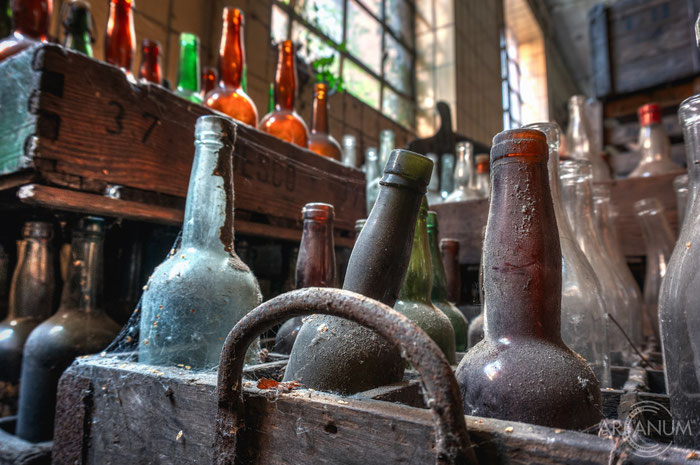
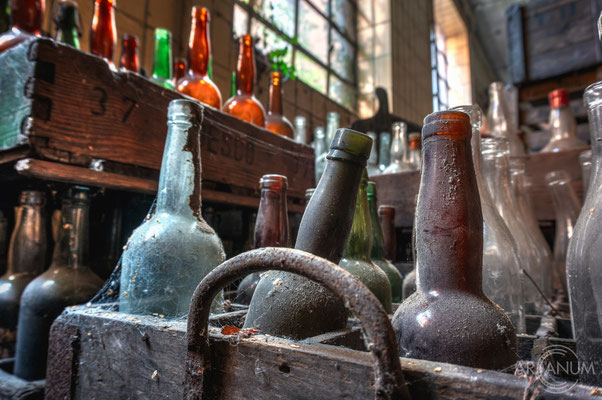
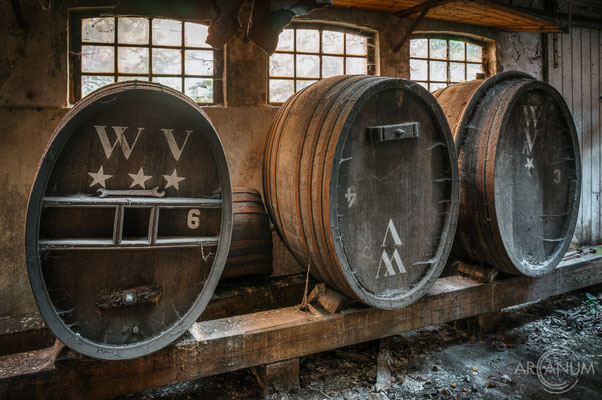
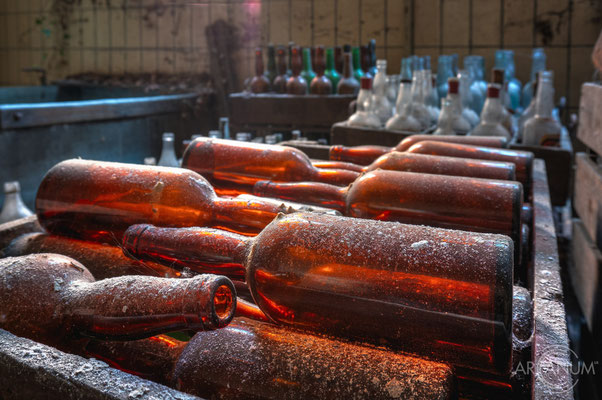
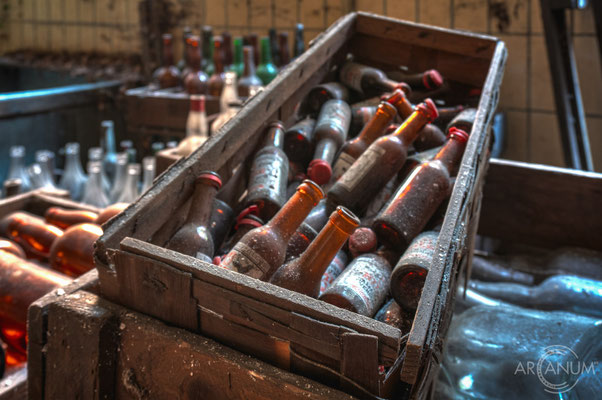
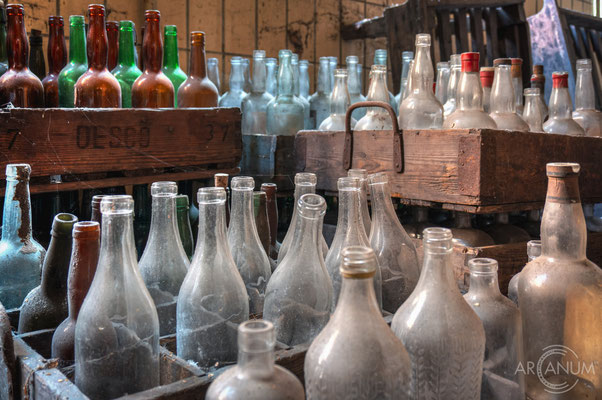
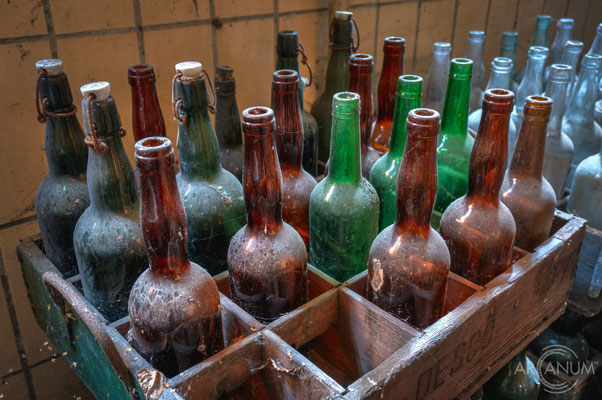
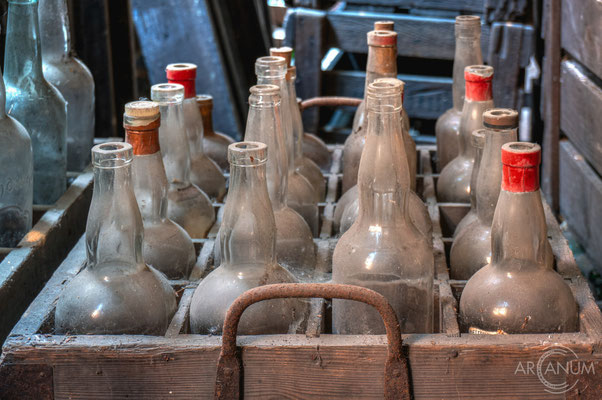
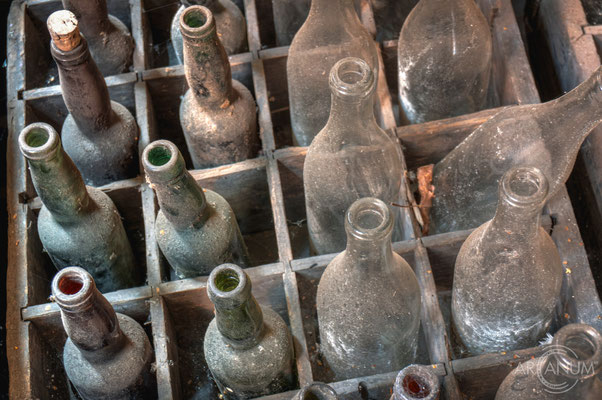
New production buildings were added around a central courtyard, steam-powered machinery replaced earlier manual processes, and a tall chimney rose above the surrounding rooftops as a visible sign of industrial progress. At the same time, the product range diversified: alongside classic grain spirits, the factory produced spiced schnapps, kummel, peppermint liqueur, ginger-based spirits, and creamy specialty liqueurs that enjoyed considerable popularity.
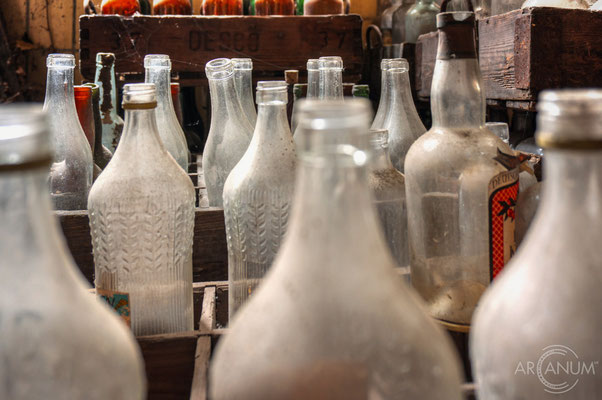
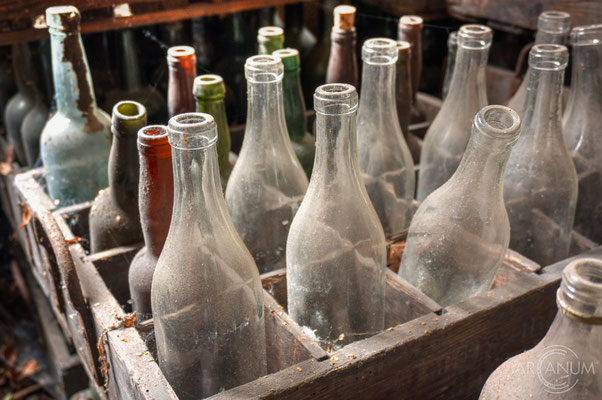
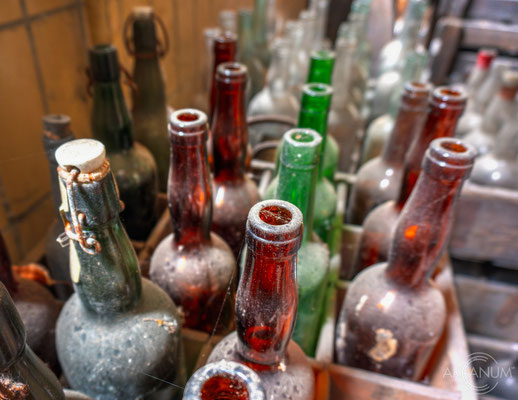
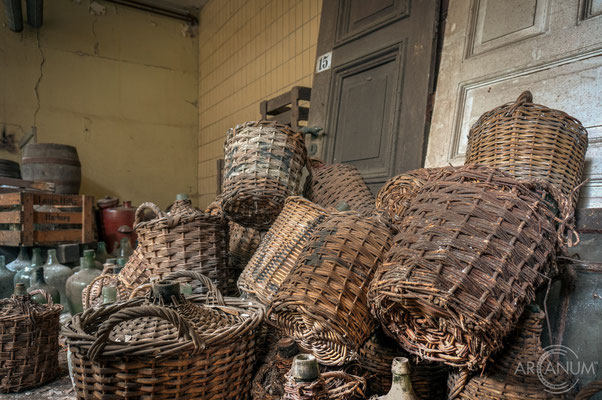
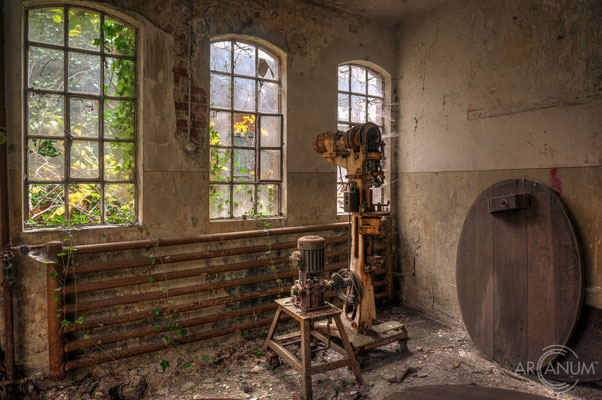
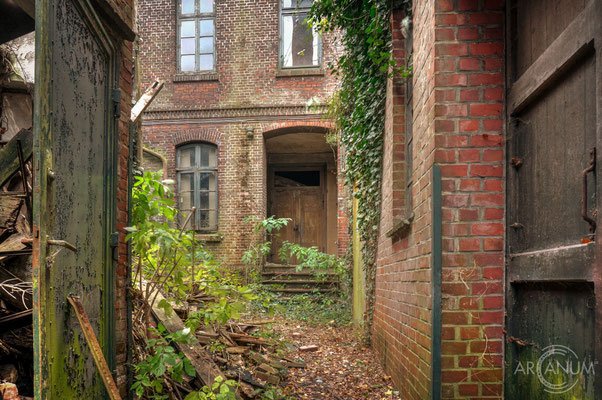
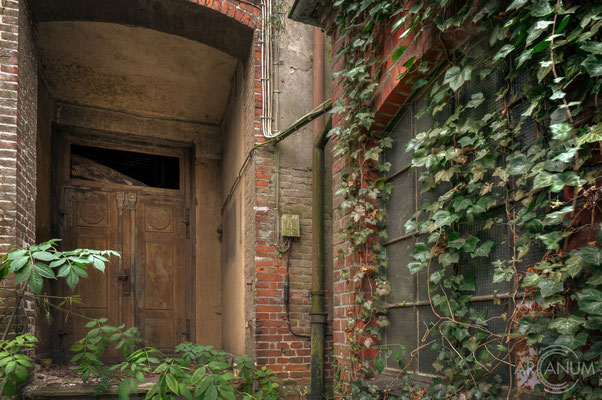
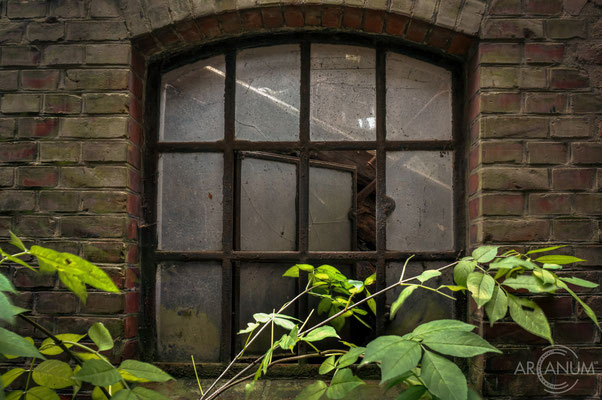
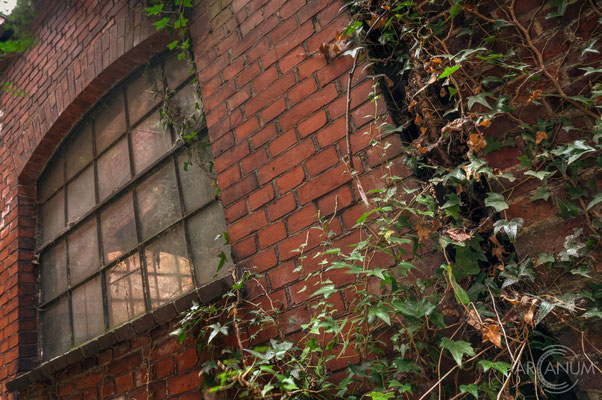
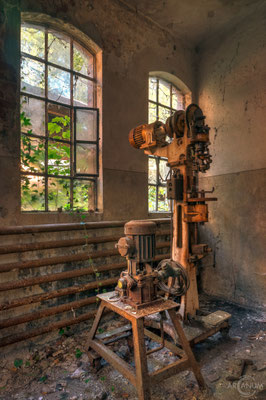
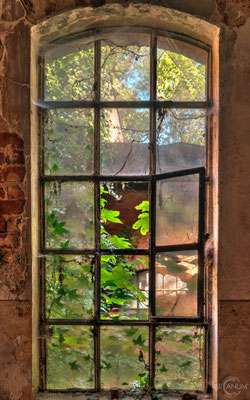
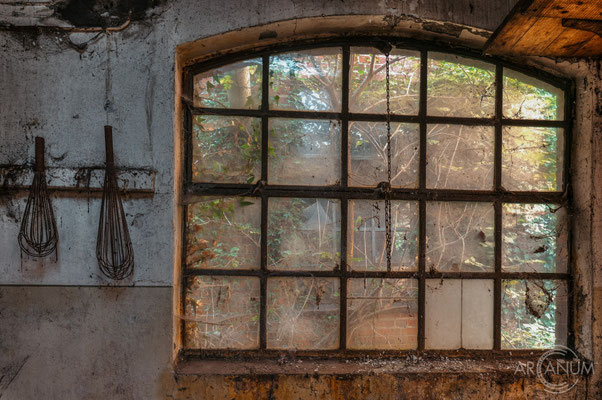
The architecture of the complex reflected its era. Solid brick construction, arched windows, and functional yet carefully proportioned façades combined practicality with understated industrial elegance. The boiler house and chimney symbolized the age of steam, while storage rooms and bottling areas testified to the logistical demands of large-scale spirit production. For decades, the factory provided employment and shaped the economic life of its neighborhood, becoming a familiar name far beyond its immediate surroundings.
Ownership changed in the early 20th century, but production continued largely uninterrupted. Even as wars, economic crises, and shifting consumer tastes reshaped society, the distillery adapted and survived. Remarkably, industrial activity persisted well into the late 20th century, long after many comparable factories had disappeared or been relocated.
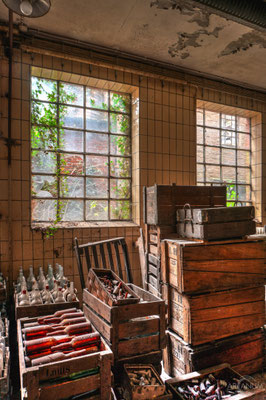
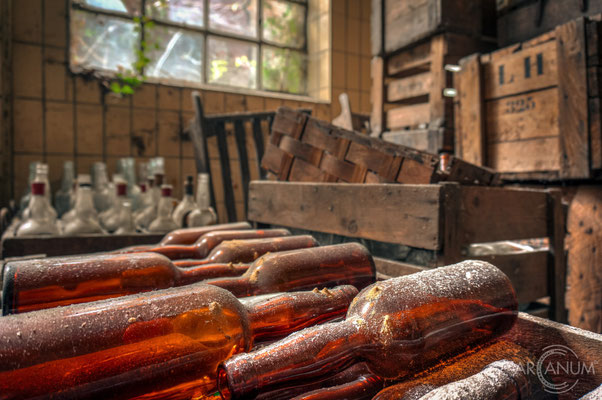
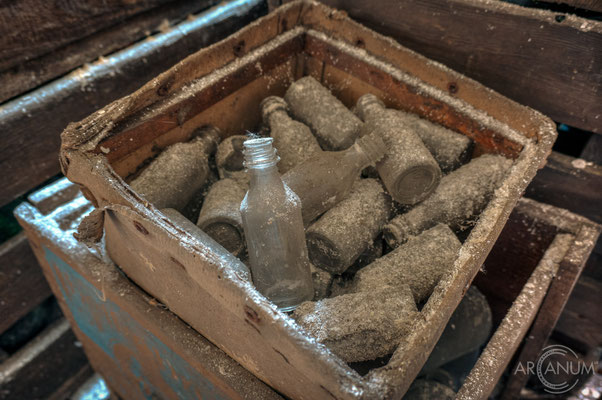
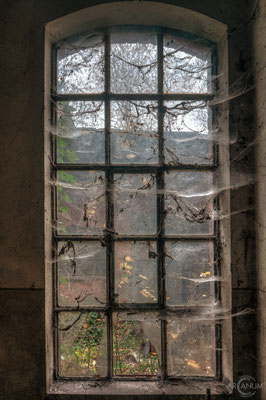
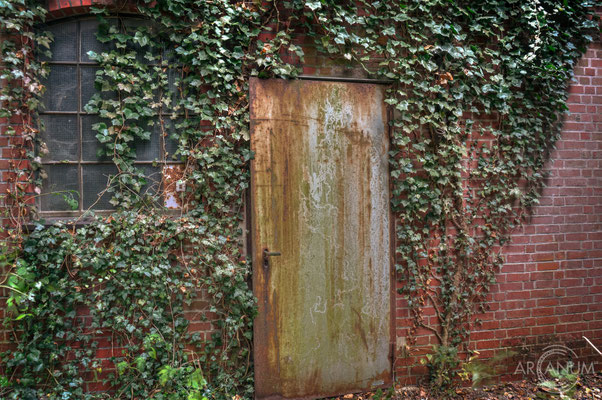
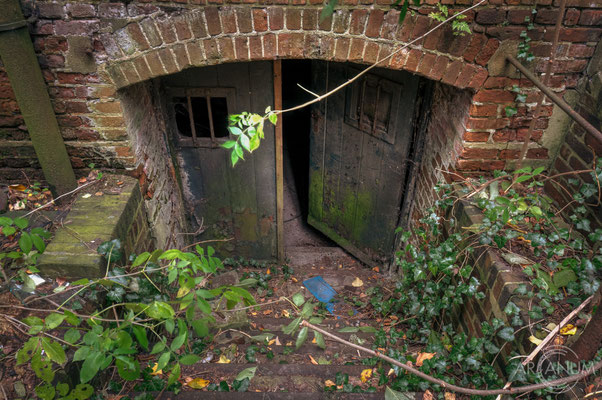
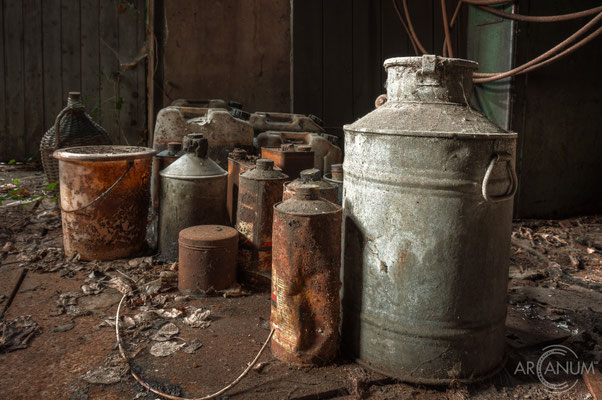
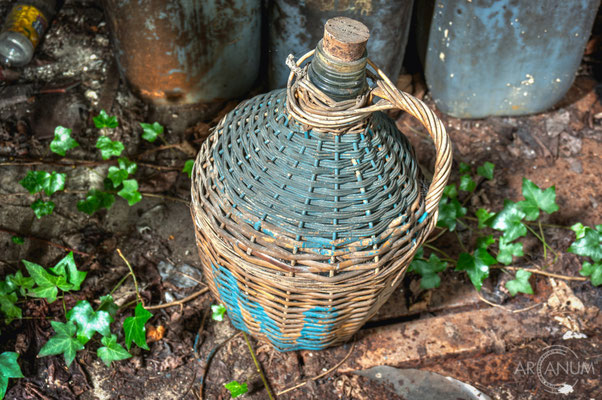
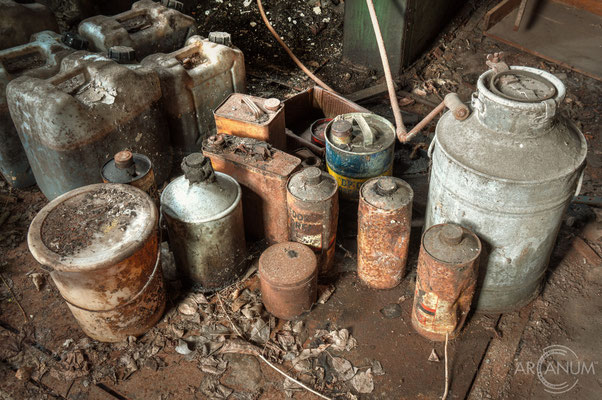
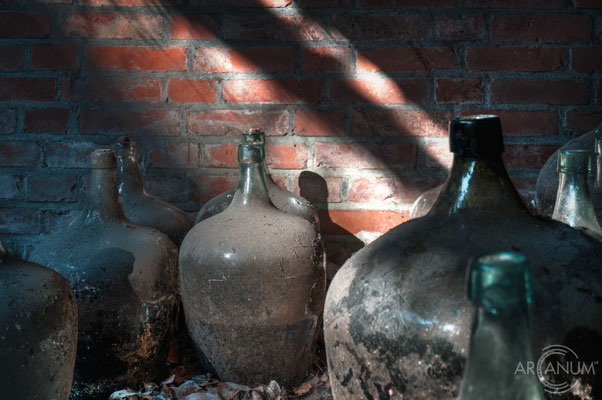
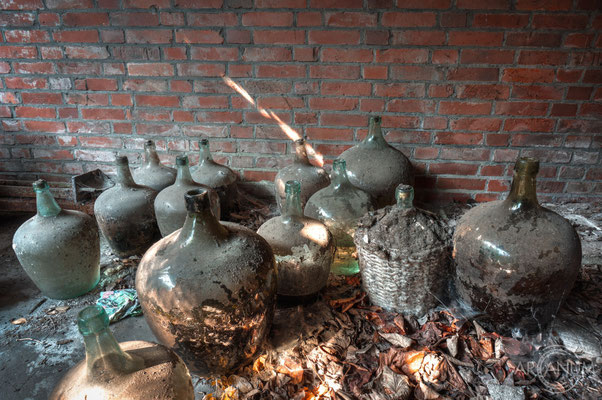
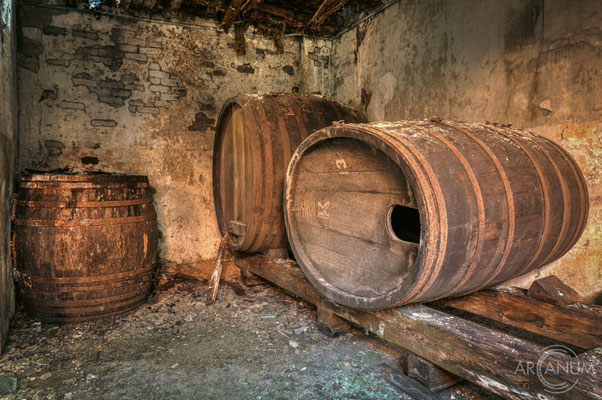
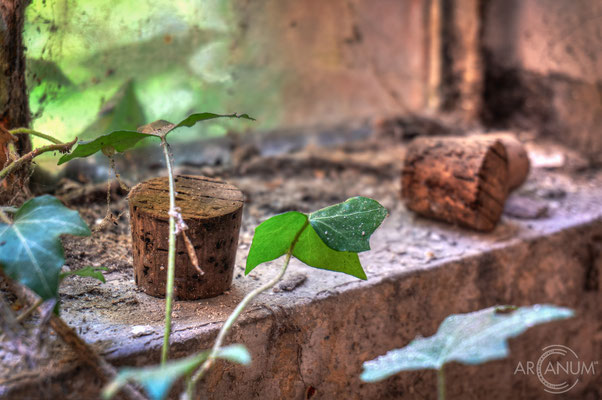
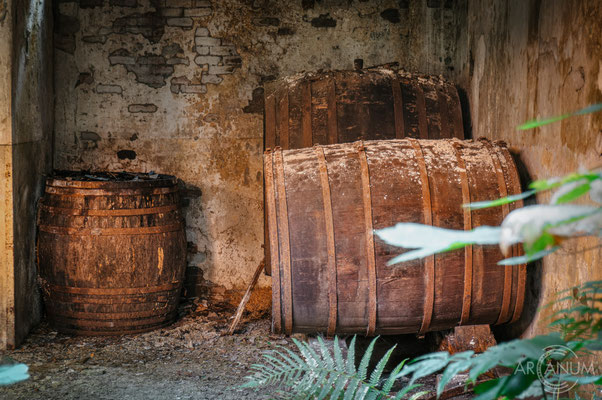
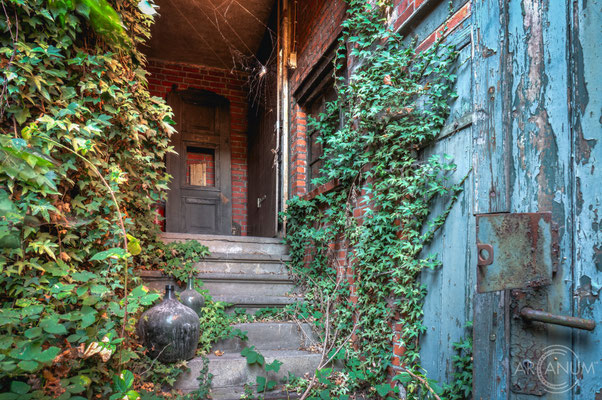
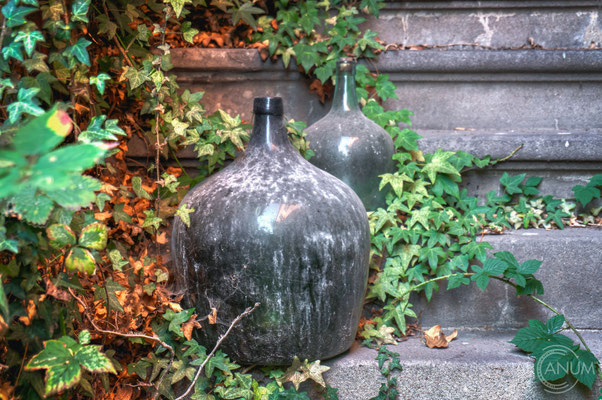
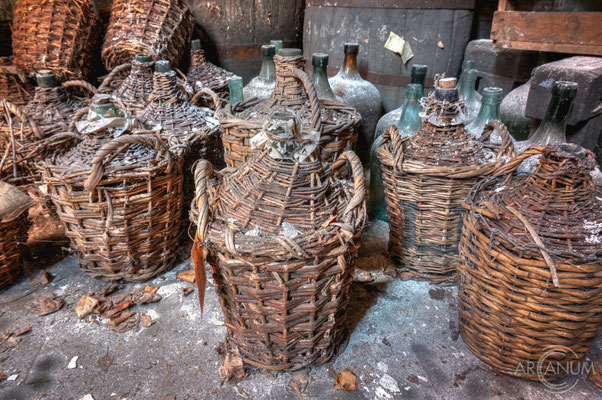
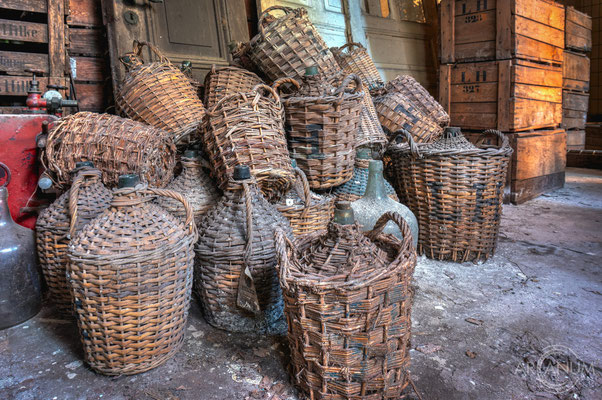
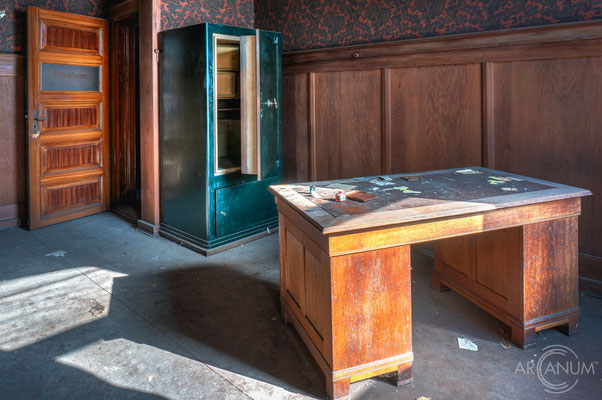
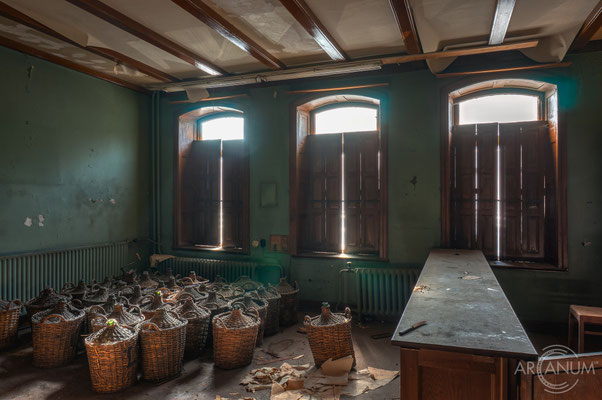
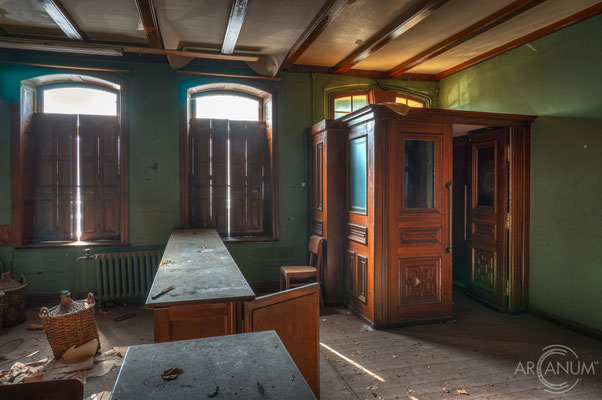
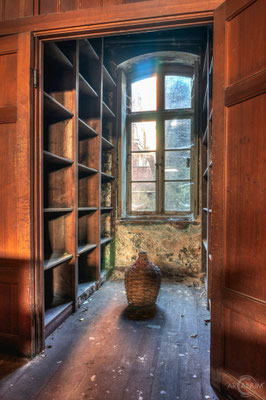
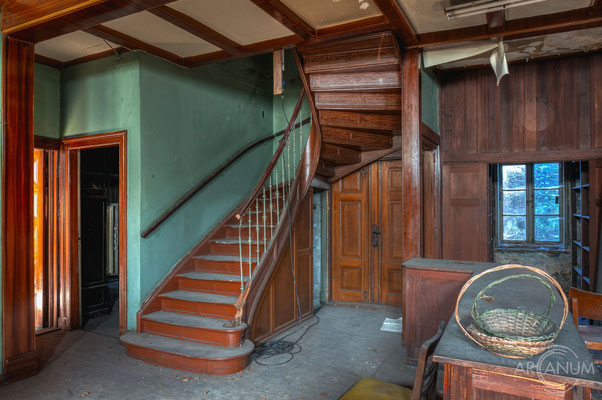
Eventually, however, production ceased. The buildings were left behind, stripped of their machines but still heavy with memory. Without a clear plan for reuse, the complex slowly fell into decay. Roofs began to leak, windows were boarded up or shattered, and vegetation crept into courtyards once filled with carts and barrels. What had once been a place of noise, heat, and labor turned silent.
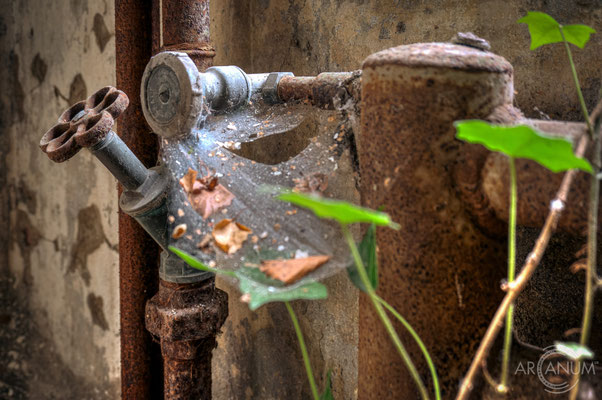
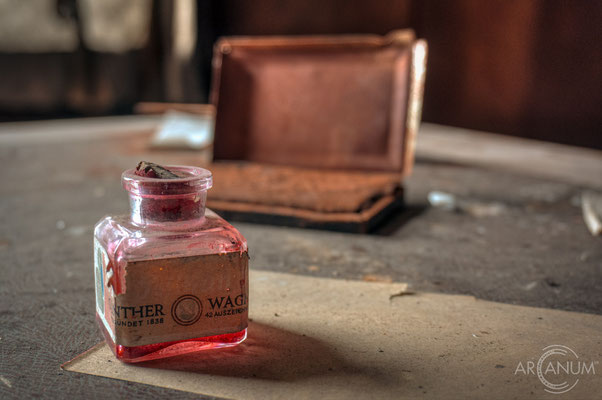
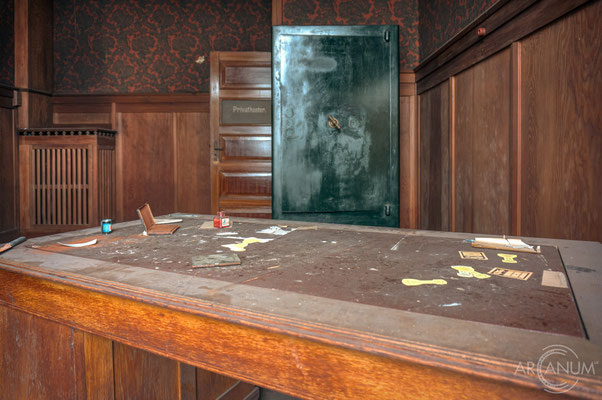
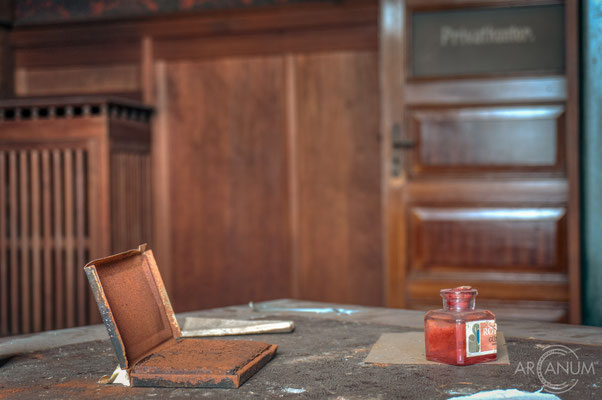
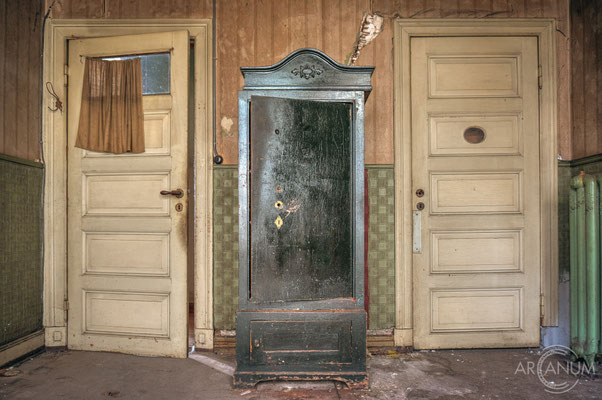
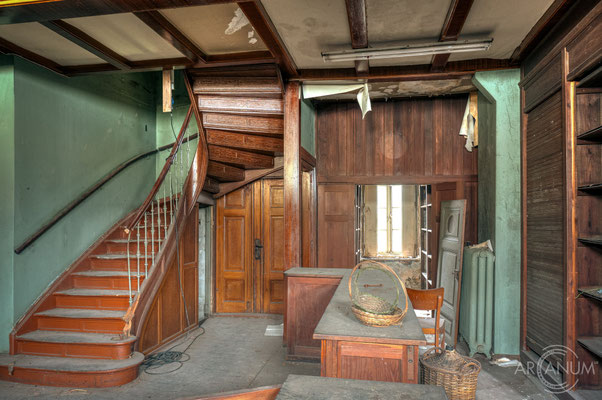
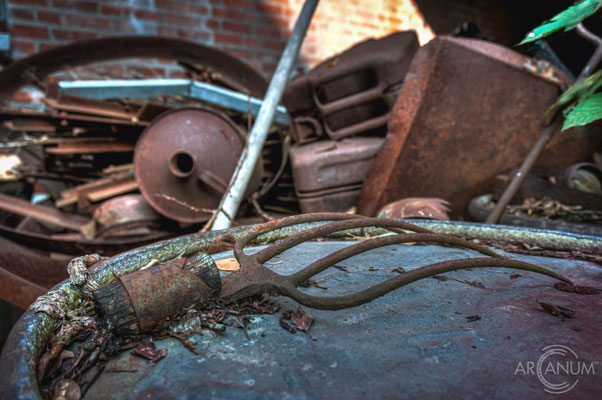
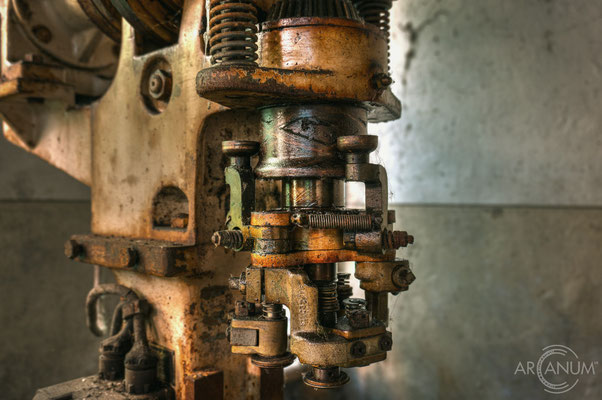
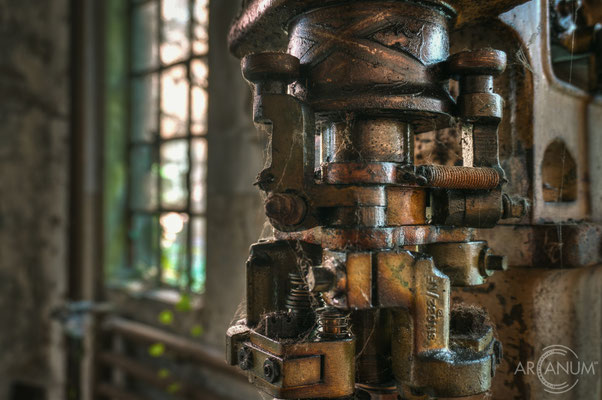
Today, the former liqueur factory stands as a fragile relic of industrial history. For urban explorers and lost-place enthusiasts, it offers an evocative atmosphere of abandonment — peeling paint, rusted iron, and echoes of vanished work routines. For historians, it represents a rare, largely intact example of a 19th-century spirits factory, illustrating how industrialization, craftsmanship, and everyday consumption were closely intertwined.
Its future remains uncertain, balanced between decay and preservation. Yet even in its present state, the factory continues to tell its story — not through active production, but through walls, spaces, and traces that invite careful observation and reflection on a past shaped by steam, spirits, and human labor.
Visited: October 4, 2014 and November 29, 2014
Location: Undisclosed, Germany
Status: Abandoned















GALLERY UPDATE: Photos added taken November 29, 2014