Factory for Agricultural Engineering
From Coal to Concrete
Long before abandoned workshops and silent halls became the dominant image of this site, the ground itself was shaped by one of the most defining industries of Central Germany: lignite mining. In the early 20th century, vast deposits of brown coal beneath the region triggered rapid industrial expansion. What had once been rural land was transformed into an active mining zone, complete with shafts, conveyor systems, processing facilities, and worker infrastructure.

Entire communities were affected by this development. Villages disappeared as the open-cast mines expanded, and the landscape was redrawn on an industrial scale. The site that would later host machine production facilities was originally part of this mining complex - a place of extraction, logistics, and energy production. Even today, subtle traces remain: uneven ground, remnants of foundations, and the spatial logic of an industry that once operated at immense scale.
Industrial Continuity and Transformation
As the importance of lignite mining declined and extraction areas shifted, parts of the former mining infrastructure were repurposed. Like many industrial zones in eastern Germany, the site did not fall silent immediately. Instead, it entered a new phase - one defined by manufacturing rather than extraction.
Existing buildings were adapted, new halls were added, and the area evolved into a center for mechanical production. This transition reflects a broader regional pattern: the reuse of mining-related land for industrial purposes, taking advantage of existing transport links, energy infrastructure, and large open spaces.
By the late 20th century and into the post-reunification period, the site had become a functioning industrial complex once again - this time focused on agricultural machinery. Production lines replaced conveyor belts, but the scale and utilitarian character of the architecture remained consistent with its origins.
A Short-Lived Industrial Peak
In the early 2000s, the site experienced a period of renewed economic activity. A manufacturing company specializing in agricultural equipment established itself here, using the expansive halls and infrastructure left behind by earlier industrial phases. For a time, the facility was a significant regional employer, producing machinery not just for local use but for international markets.
This phase brought modernization efforts, partial renovation of buildings, and an attempt to integrate the site into a globalized production network. Yet, like many such ventures, it proved vulnerable to wider economic forces. The financial crisis at the end of the decade marked a turning point. Despite ongoing production and demand, the business could not be sustained, and operations eventually ceased.
Fragmentation and Partial Reuse
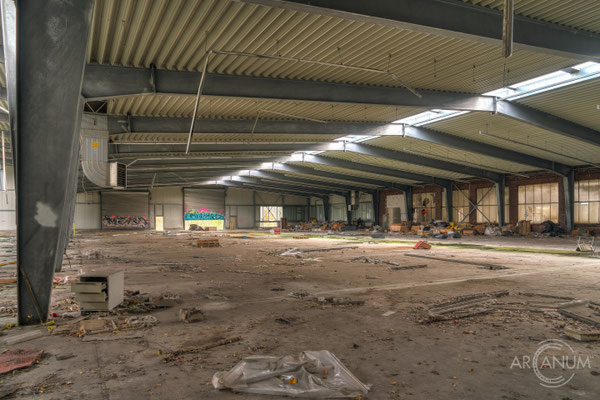
What followed was not a single, clear outcome, but a gradual fragmentation of the site. Some areas found new industrial use under different ownership, benefiting from investment and modernization. Other sections, however, were left behind.
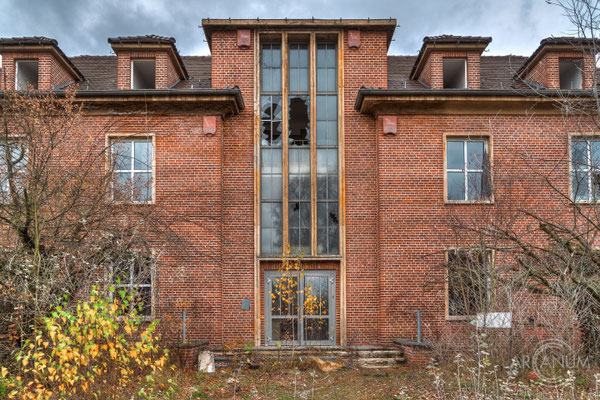
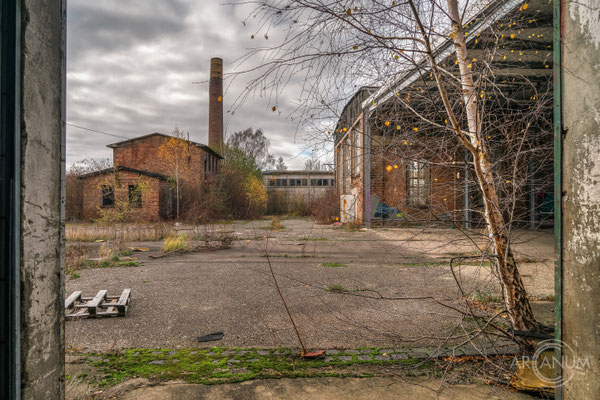
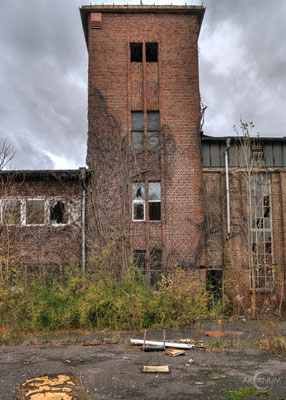
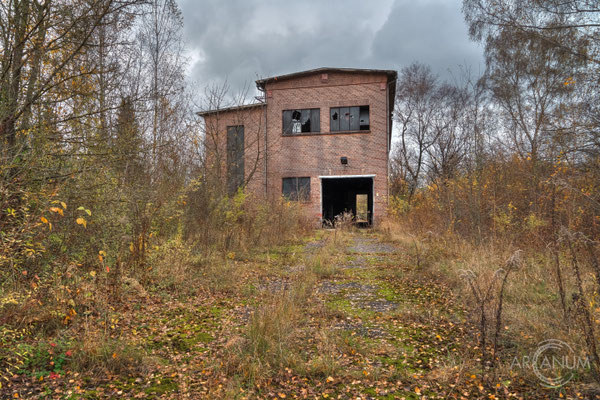
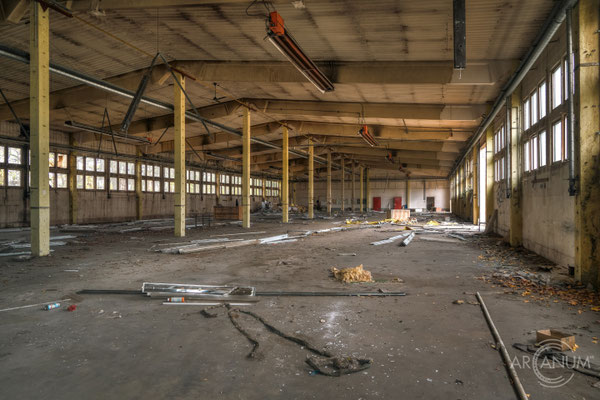
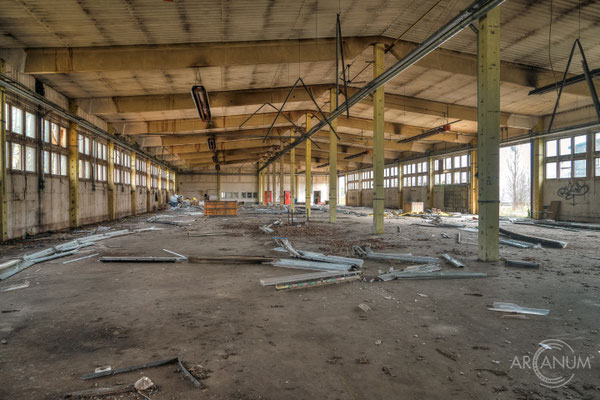
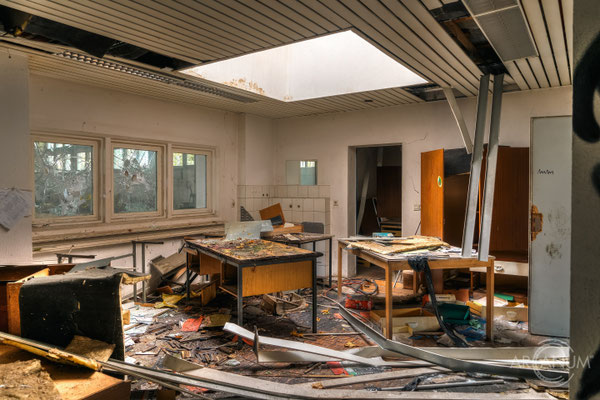
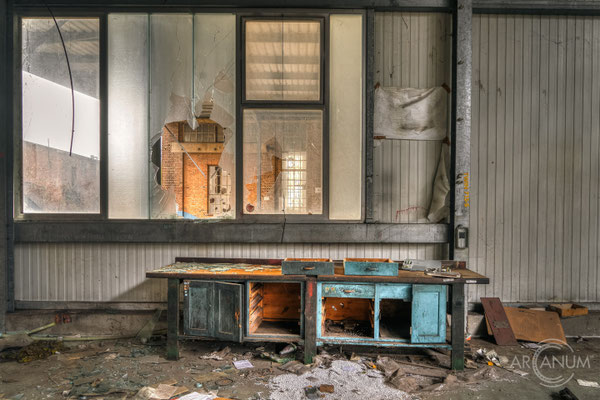
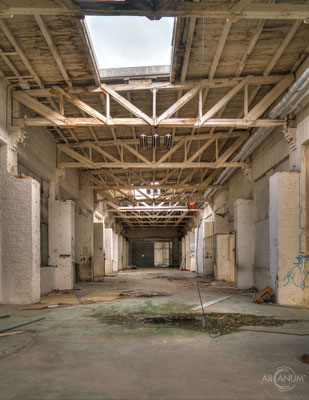
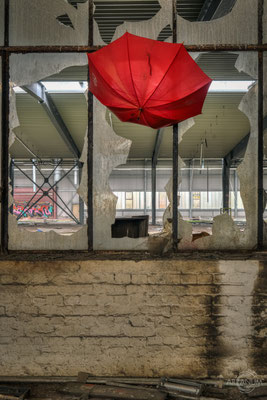
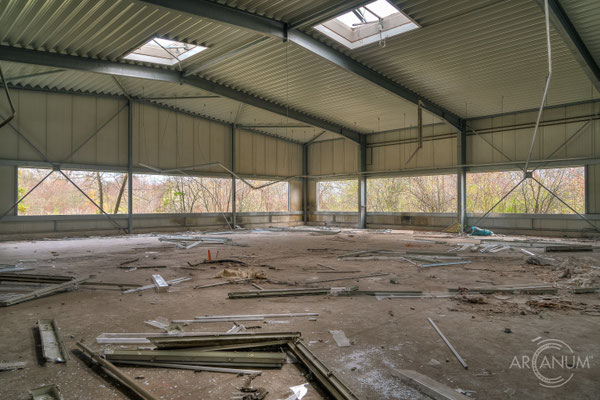
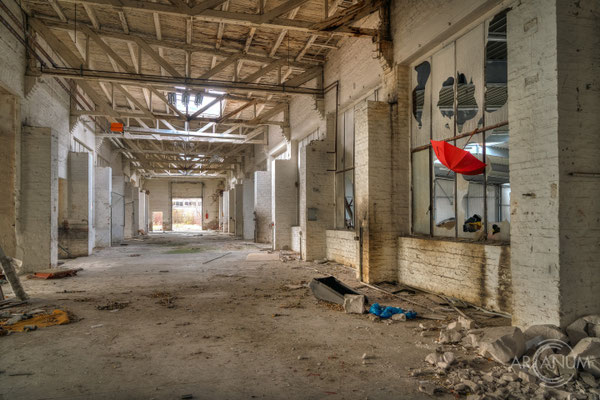
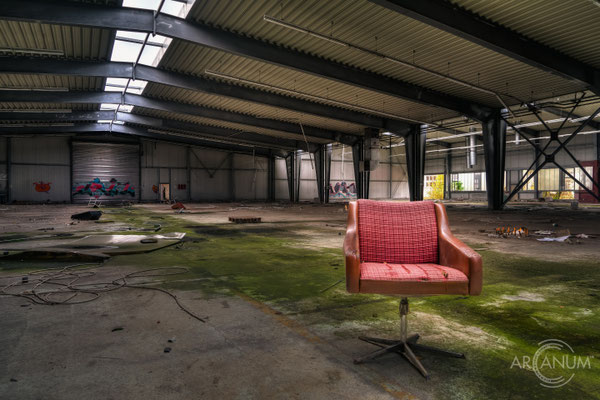
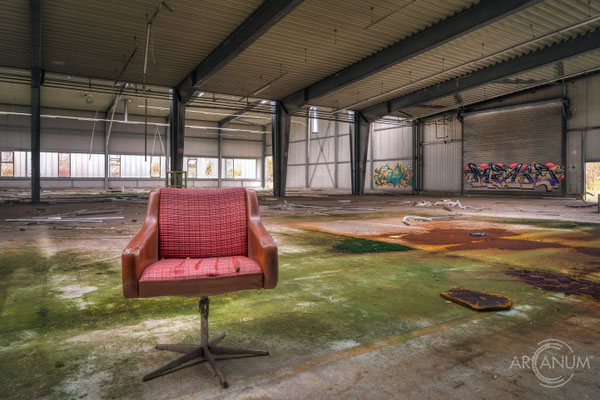
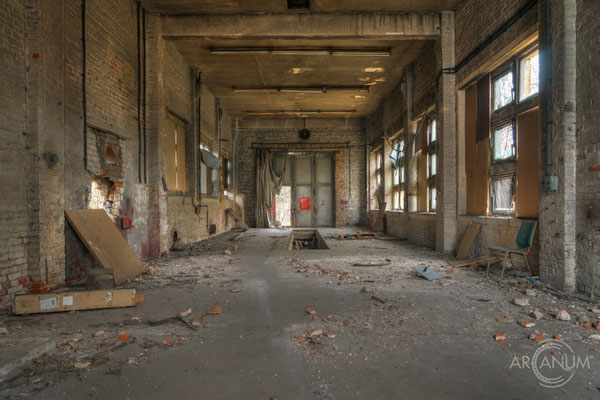
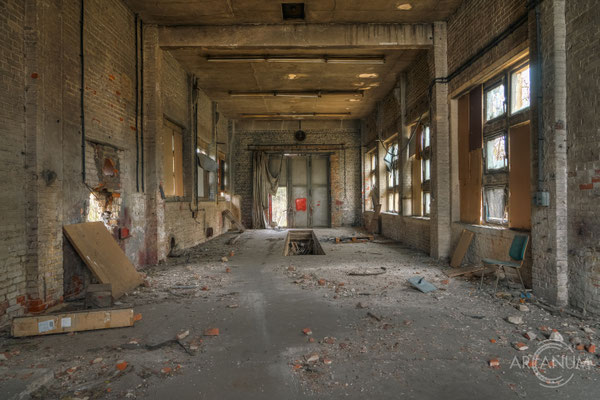
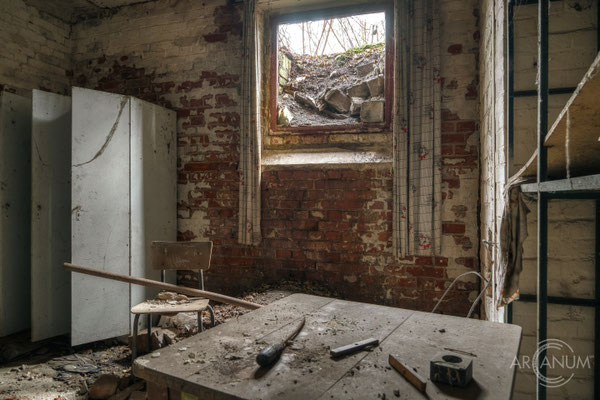
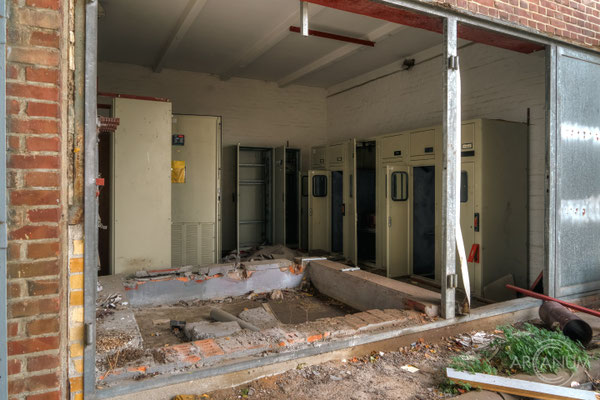
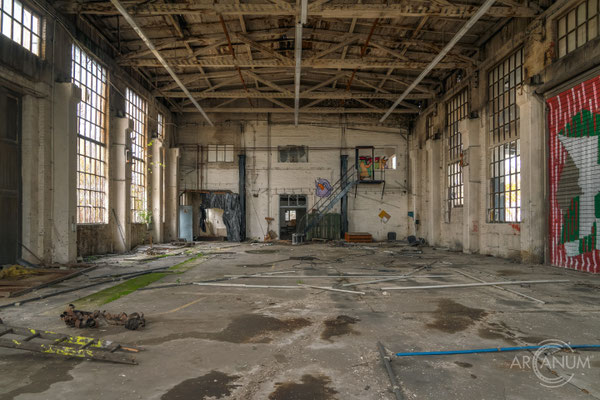
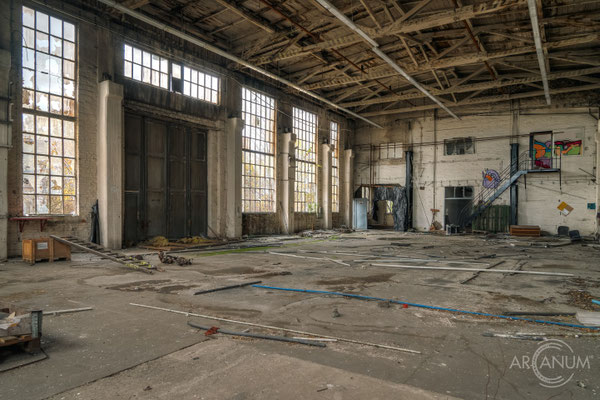
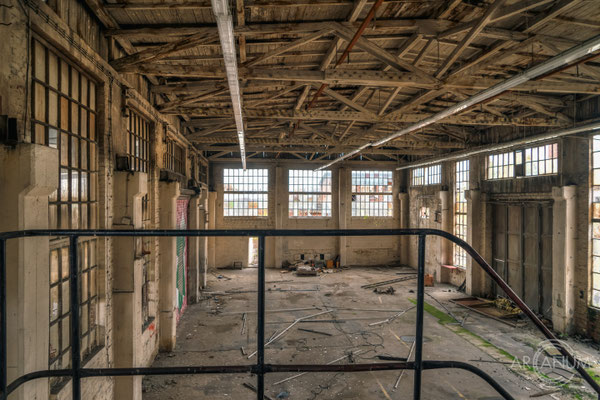
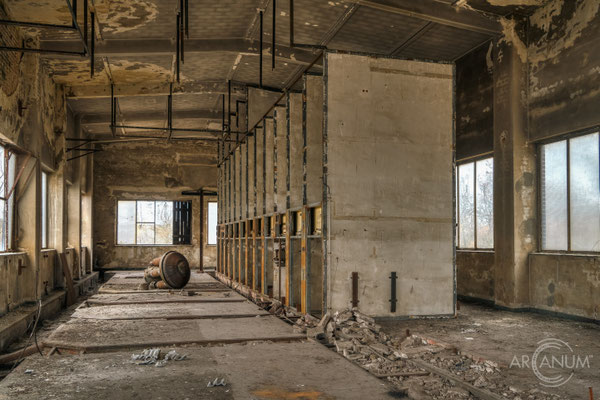
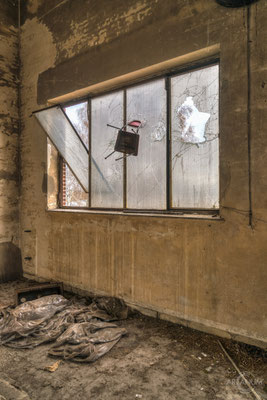
Large halls stood empty. Administrative buildings lost their function. Windows were broken or removed, interiors stripped or left to deteriorate. In some places, fire and weather accelerated the process of decay. The contrast between active industrial zones nearby and abandoned structures within the same broader area became increasingly pronounced.
This coexistence of use and abandonment is part of what defines the site today.
Exploring the Layers
For urban explorers, the appeal of this location lies not in a single story, but in the visible layering of different eras. The architecture reflects multiple phases of use: remnants of early industrial construction, adaptations from later decades, and traces of more recent manufacturing activity.
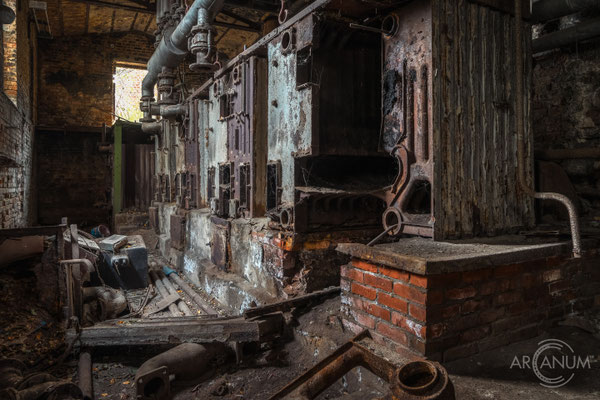
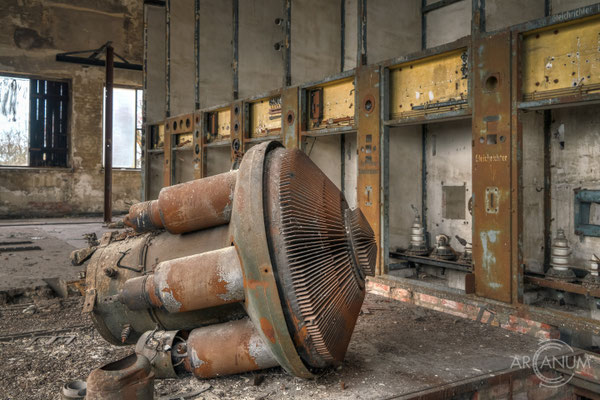
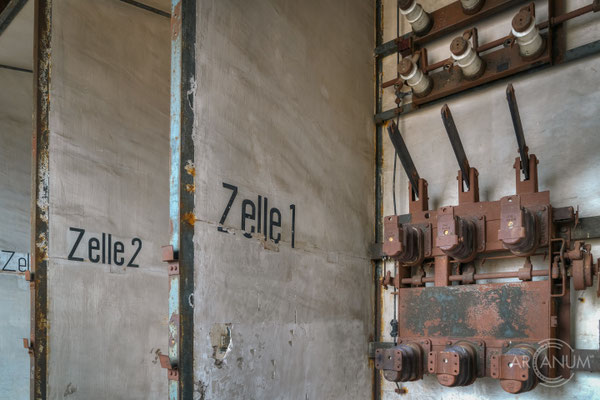
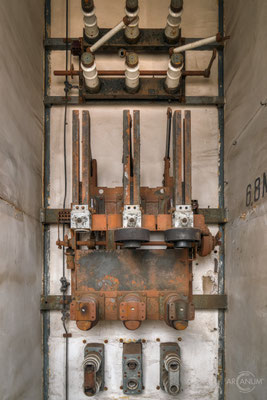
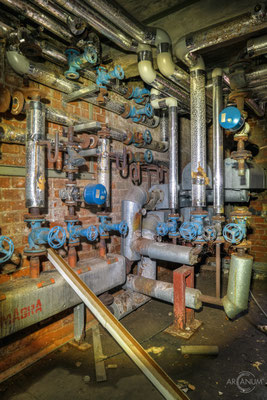
Walking through the area, you move across time as much as space. A collapsed roof might reveal older structural elements beneath later additions. Machinery bases hint at former production lines, while administrative rooms still carry the layout of offices that were in use not so long ago.
At the same time, the broader landscape tells an even older story. The scale of the terrain, the alignment of paths and buildings, and the absence of pre-industrial settlement patterns all point back to its origins in large-scale resource extraction.
Between Memory and Change
Sites like this occupy a unique position. They are not preserved monuments, nor are they entirely erased. Instead, they exist in a transitional state - partially reused, partially abandoned, and continuously changing.
For those interested in industrial history, the location offers insight into the long arc from early lignite mining to modern manufacturing and eventual decline. For urban explorers, it provides a diverse and evolving environment where structures from different periods coexist, overlap, and gradually return to the landscape.
It is precisely this combination - of history embedded in place and visible transformation—that makes the site worth exploring.
Visited: November 8, 2021
Location: Undisclosed, Germany
Status: Abandoned