Guest House "Blue Rag"
A Forgotten Roadside Inn
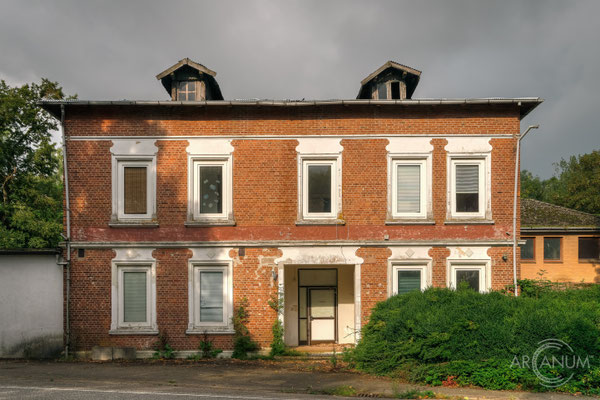
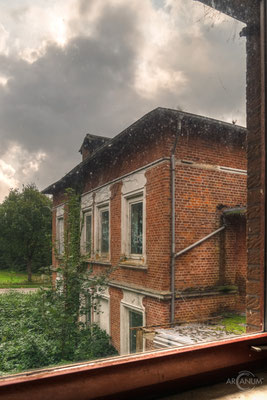
Just outside the town of Itzehoe, along the busy Bundesstraße 77, stands the decaying remains of a place once known as the “Blauer Lappen.” Today the buildings are abandoned and slowly being reclaimed by nature, but for well over a century this spot served travelers, farmers, and locals passing through the rural landscape of Schleswig-Holstein.
Although the site is now a typical lost place, its history reflects the development of transportation and rural life in northern Germany.

A Roadside Stop in the 19th Century
The origins of the Blauer Lappen likely date back to the 19th century, when a farmhouse and inn were established along the road leading toward Schleswig. The route that would later become the B77 was already an important connection between towns and rural settlements.
Historically, this region was also influenced by the famous Ochsenweg. For centuries, cattle were driven south from Denmark and Jutland to markets in Hamburg and beyond. Roads like the one near Itzehoe were natural stopping points for traders and travelers.
Rural inns along such routes typically combined several functions:
- a tavern or restaurant for travelers
- guest rooms for overnight stays
- stables for horses or draft animals
- and often a working farm attached to the property.
Old photographs from around 1900 show the Blauer Lappen as a typical North German roadside inn with agricultural buildings surrounding the main house.
The Curious Name
The unusual name “Blauer Lappen” literally translates to “Blue Rag.” The exact origin of the name is not fully documented, but local explanations offer an interesting theory.
One story suggests that the name refers to the blue-colored 100-Reichsmark banknote, which was colloquially called a “blue rag.” According to this interpretation, cattle traders traveling the region might have celebrated successful deals at the inn—perhaps leaving with a “blue rag” in their pockets.
Whether this explanation is historically accurate remains uncertain, but the name stuck and eventually became a well-known landmark along the road.
From Farm and Tavern to Small Hotel
For decades the Blauer Lappen operated as a traditional rural inn serving locals and travelers alike. Like many establishments of its kind, the property evolved over time.
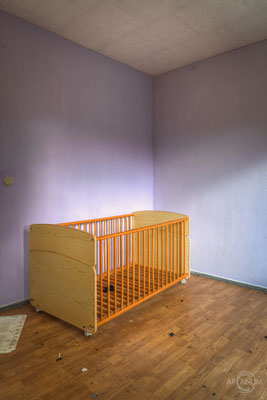
In the mid-20th century, changes were made to keep the business viable. Parts of the farm property were sold, and some of the agricultural buildings were converted. At one point, a former cowshed was remodeled into a small guesthouse or hotel, and additional residential rooms were added in a later extension.
Despite these efforts, the economic realities facing many rural inns eventually caught up with the Blauer Lappen. Changing travel habits, declining local demand, and stricter regulations made such businesses increasingly difficult to maintain.
The inn finally closed sometime in the 1980s.
An Unusual Chapter in the 1990s
After the closure, the property stood empty for a time before gaining an unexpected new use in the 1990s. The buildings were temporarily used by Narconon, a drug rehabilitation program associated with the Church of Scientology.
A small Narconon facility reportedly operated in the former inn for a short period. The program was controversial in Germany and attracted public criticism, and the use of the site did not last long. After this chapter ended, the property again fell vacant.
Decline and Abandonment
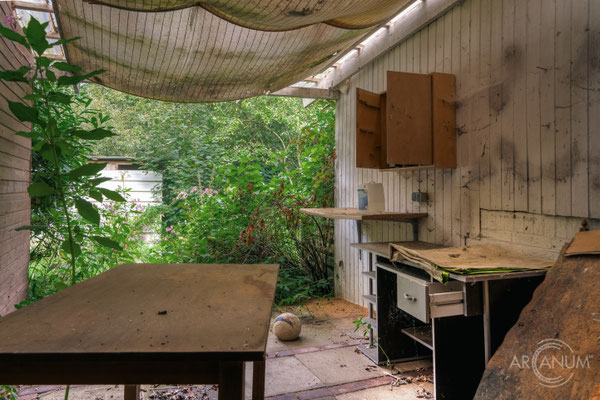
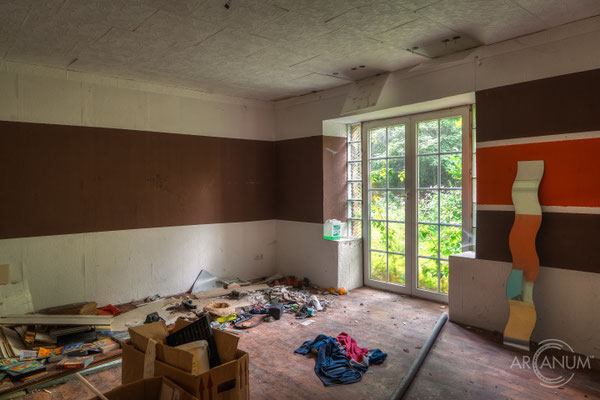
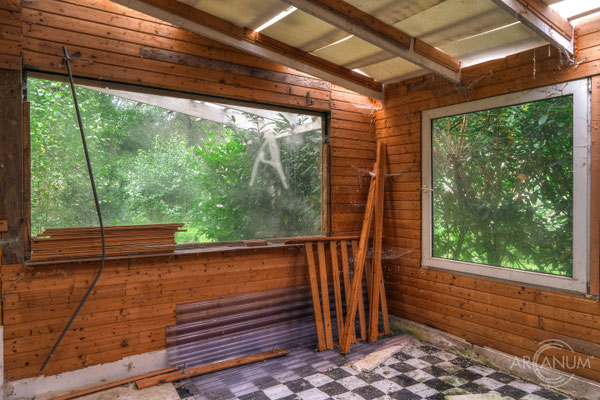
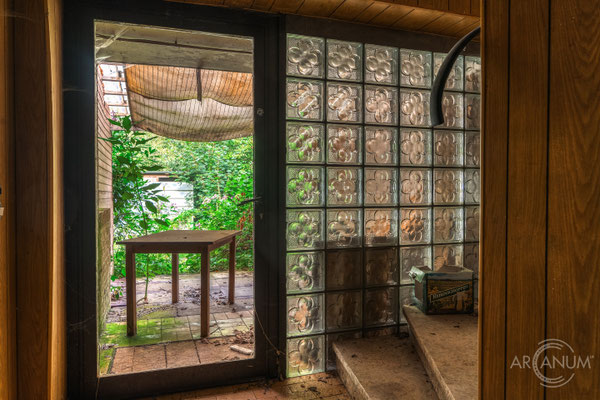
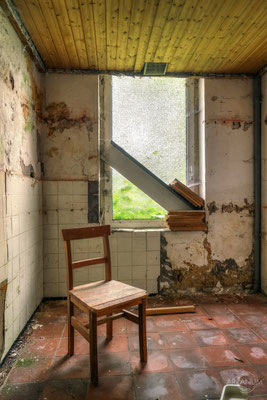
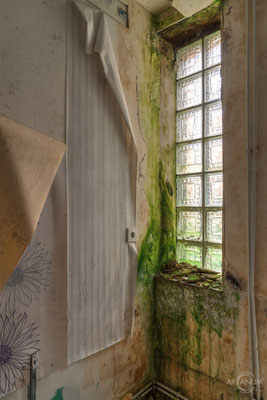
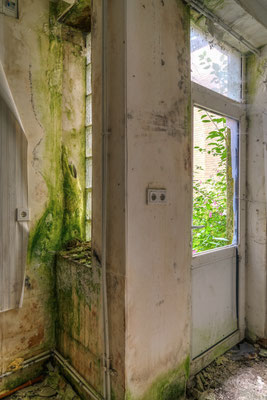
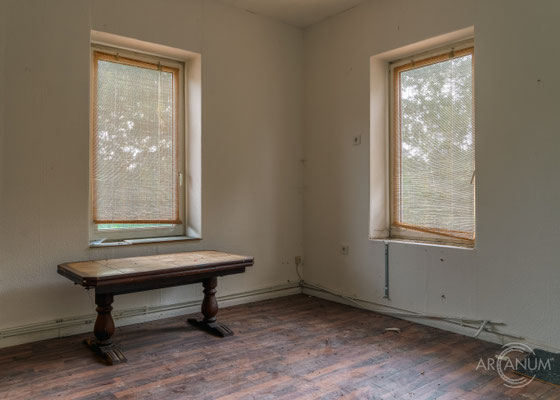
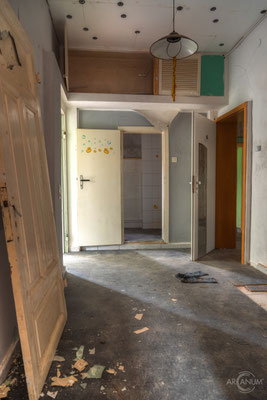
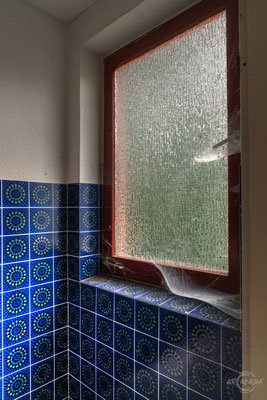
Since the late 1990s, the Blauer Lappen has largely remained unused. Without maintenance, the buildings gradually deteriorated. The roof of the historic inn building in particular has been damaged for decades, allowing weather to accelerate the decay.
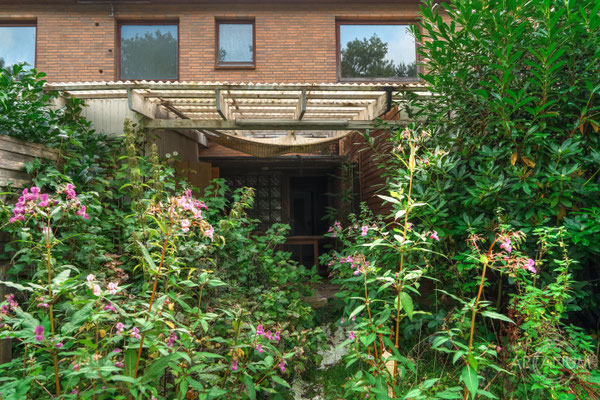
- Today several structures still stand on the overgrown property:
- the original roadside inn building
- later residential and hotel additions
- remnants of former farm structures.
From the road, the complex still hints at its former role as a lively stopping point along the route.
Possible Future of the Site
In recent years there have been indications that the property may have changed ownership. Discussions about the future of the site reportedly include possibilities such as new residential development or the demolition of the most damaged buildings.
However, as of now, no clearly confirmed redevelopment project has been publicly realized.
In late 2025, work has begun to clean up the premises, and a construction fence has been set up.
A Quiet Landmark on the B77
For travelers driving the B77 today, the Blauer Lappen is easy to miss—but those who notice the abandoned buildings may wonder about their past.
What was once a busy roadside inn serving farmers, traders, and travelers has become a silent relic of a different era. For urban explorers and history enthusiasts alike, the site offers a small but evocative glimpse into the changing rural landscape of Schleswig-Holstein.
Like many lost places, the Blauer Lappen tells a story not only of abandonment, but also of the everyday life that once filled its rooms.
Visited: September 12, 2021
Location: Itzehoe, Germany
Status: Abandoned/Renovation