Kaolin Factory S.
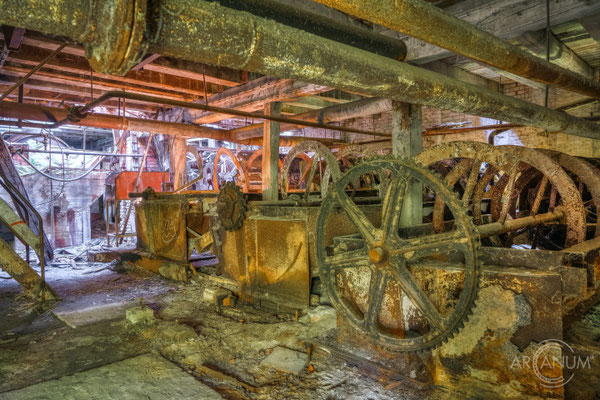
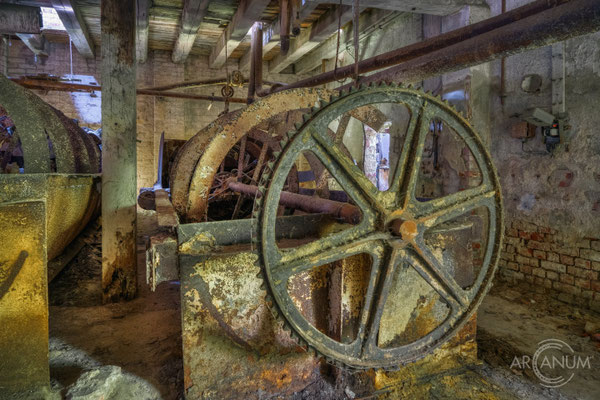
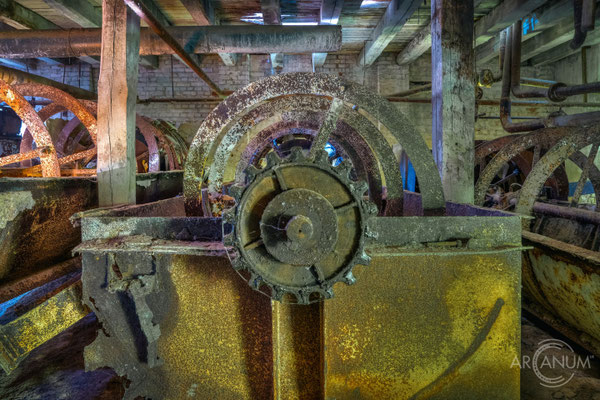
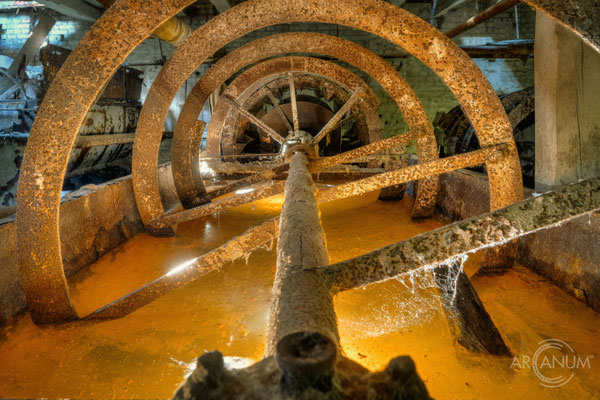
For more than a century, kaolin mining and processing played a defining role in the development of a small community in what is today Saxony-Anhalt, Germany. Industrial production began in 1883 with the construction of a steam-powered clay washing plant. Using wet separation techniques, quartz and sand were removed to obtain high-quality kaolin, which was primarily supplied to the regional porcelain and paper industries.
Throughout the early 20th century, the site expanded steadily in response to rising industrial demand.
In 1937, it became part of the kaolin operations of Erbslöh & Co. KG (Geisenheim Kaolin Works) and was operated as a branch plant. After the Second World War, the facility was nationalized and integrated into the GDR state-owned combine "VEB Kaolin- und Tonwerke S.". During the 1970s and 1980s, extensive modernization projects were carried out to strengthen its competitiveness on international markets. At its height, the plant employed several hundred people and became one of the region’s most important industrial workplaces.
Following the political and economic transformation of 1989, the operation entered a period of rapid decline. The sudden shift to a market economy and the end of state subsidies made continued production increasingly difficult. Although the site was privatized under the Treuhand agency in 1992 and additional mining rights were granted, economic reality ultimately led to the gradual cessation of operations and the closure of large parts of the facility.
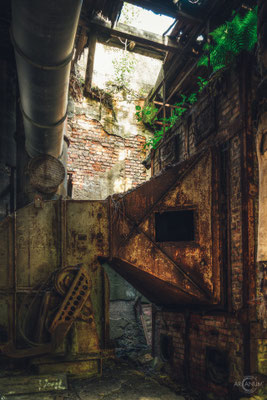
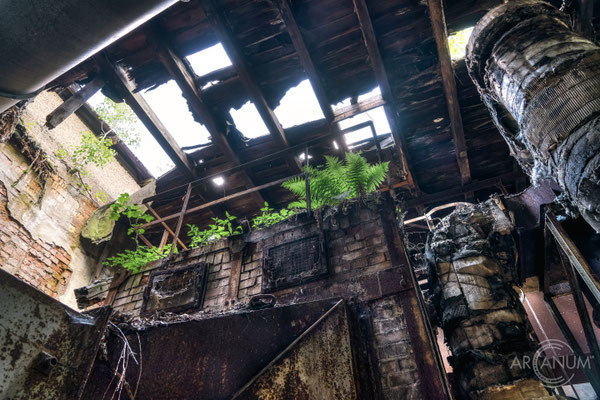
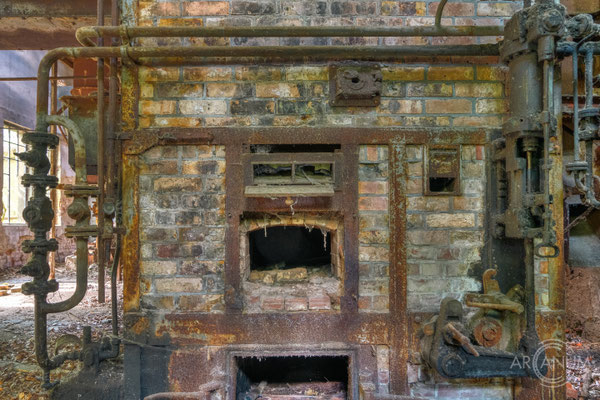
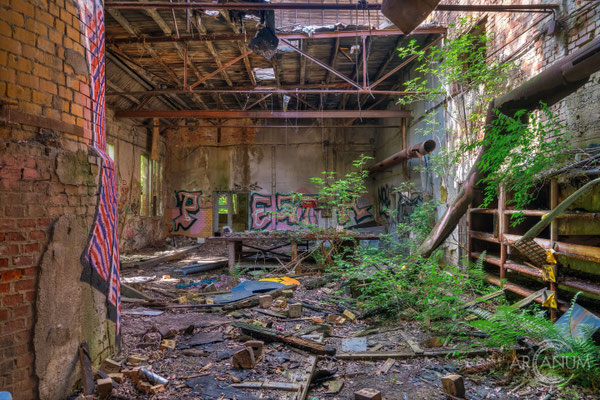
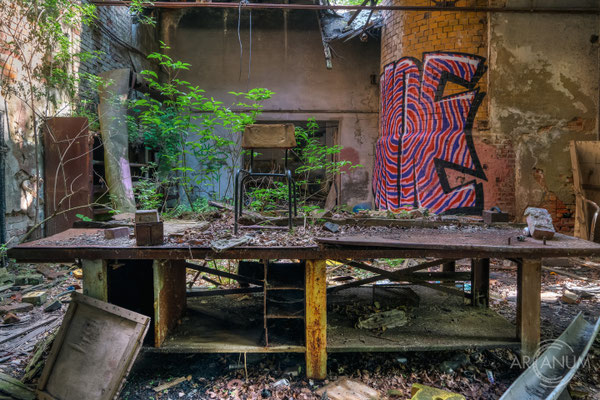
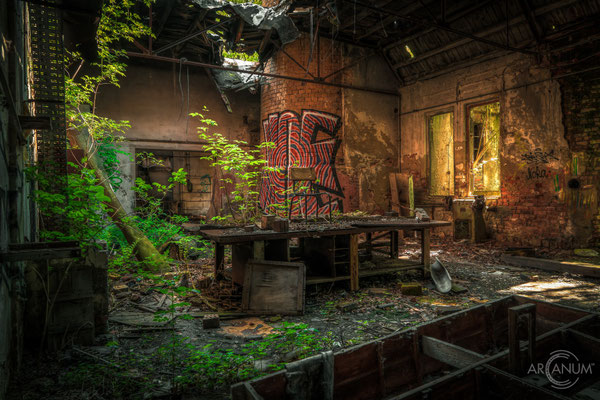
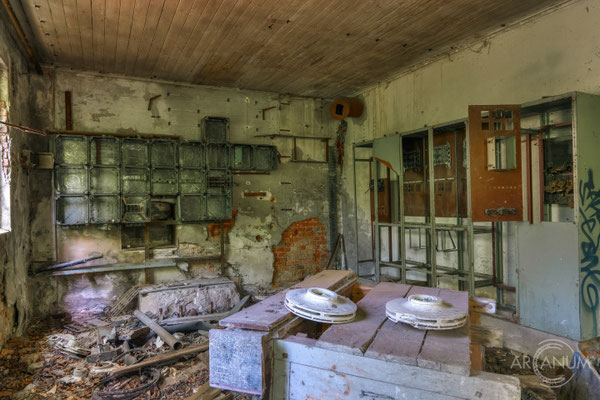
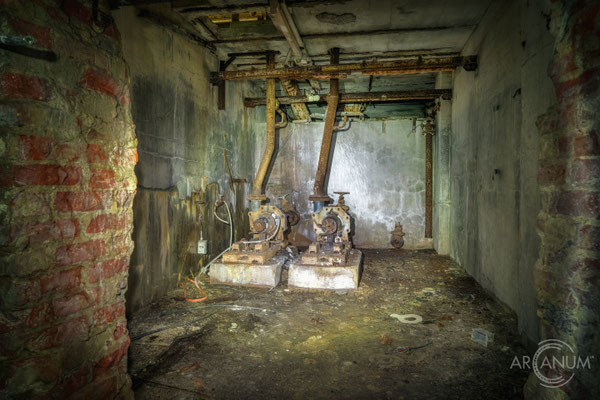
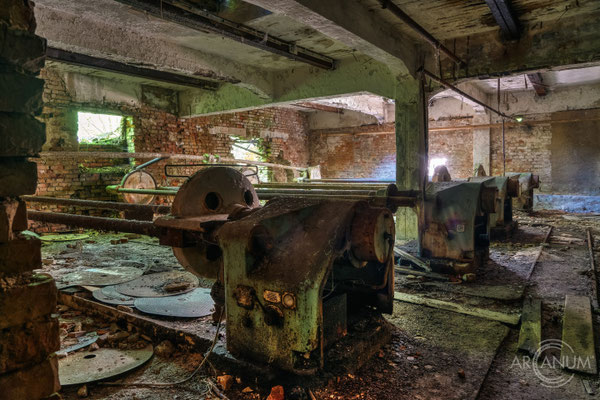
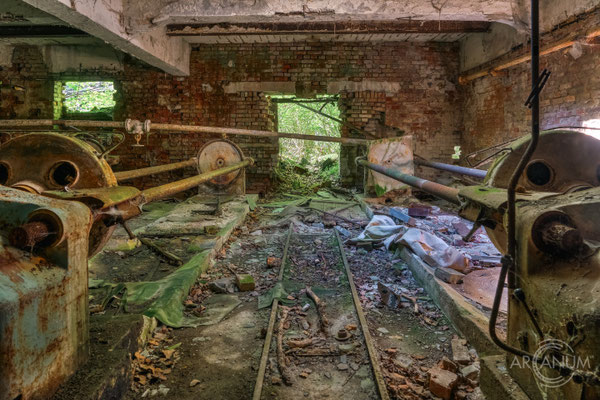
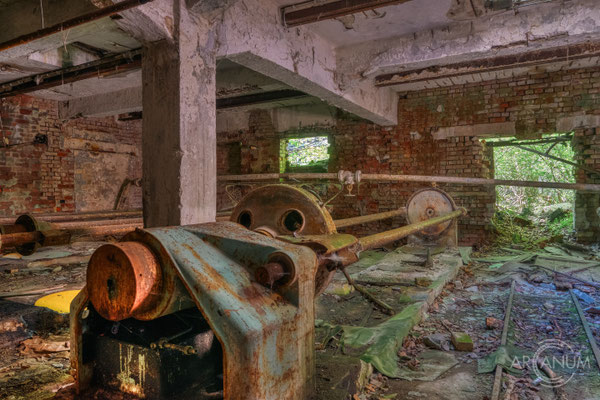
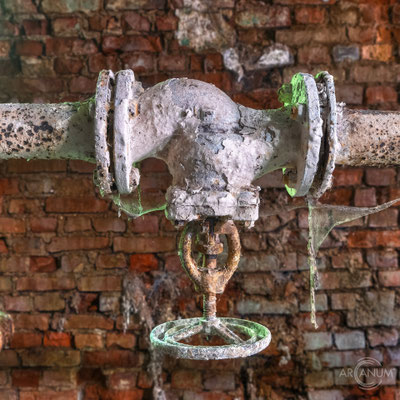
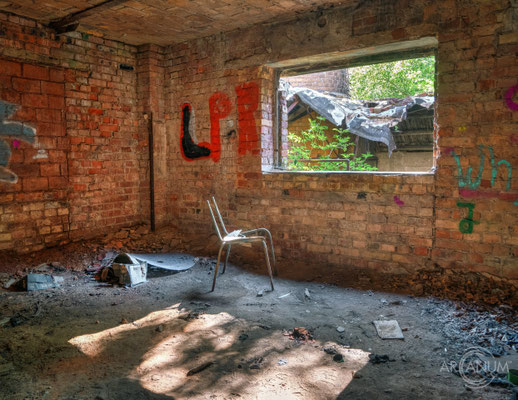
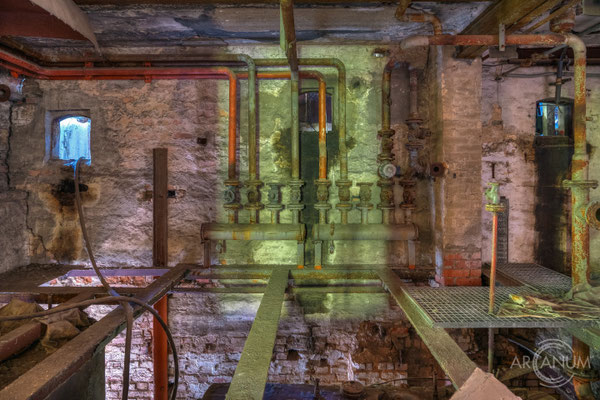
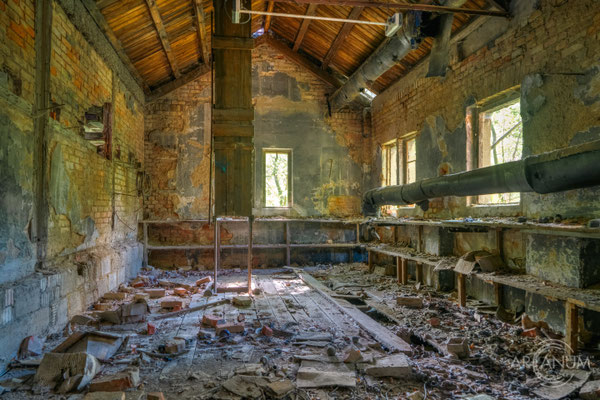
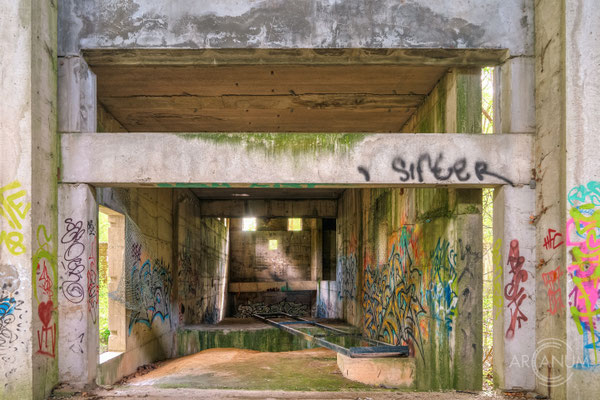
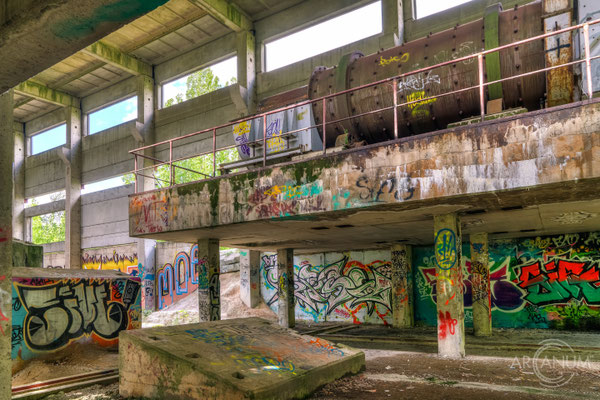
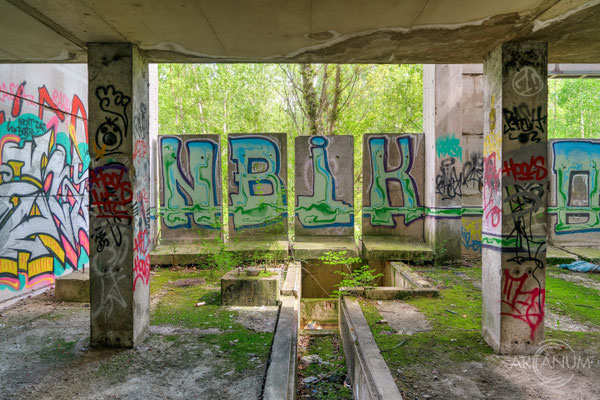
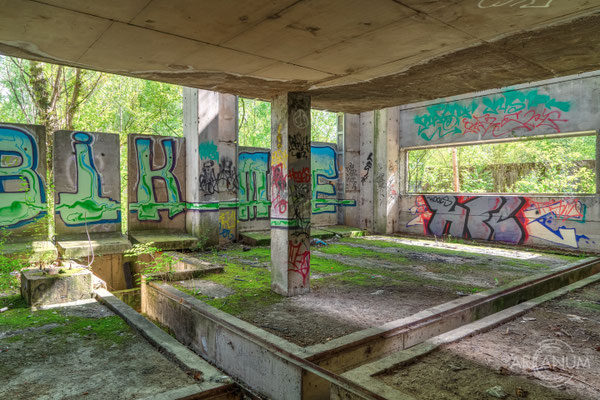
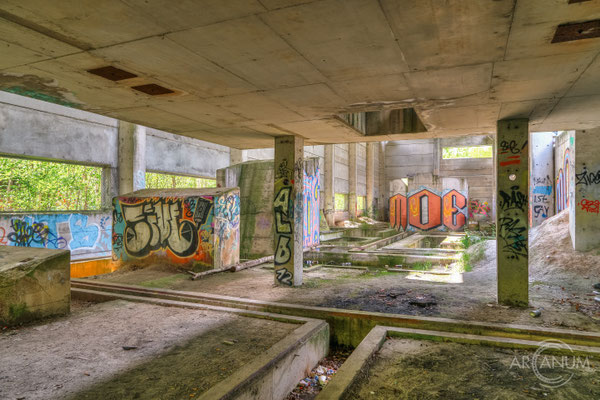
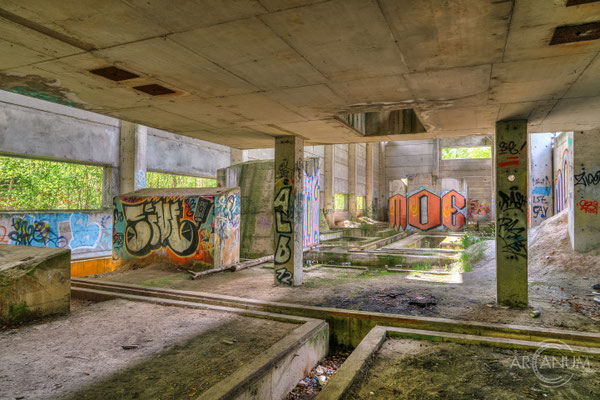
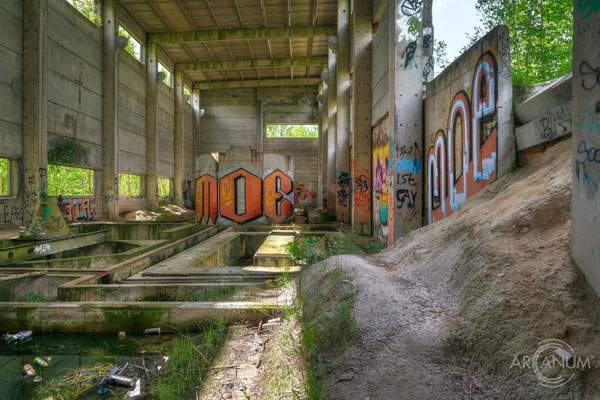
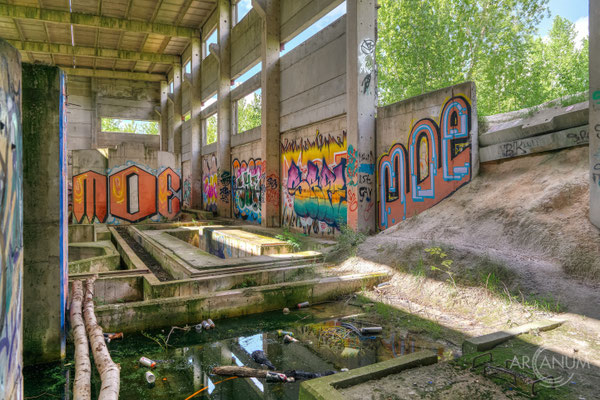
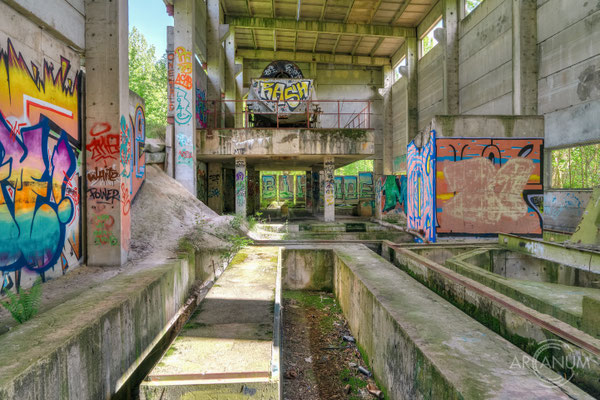
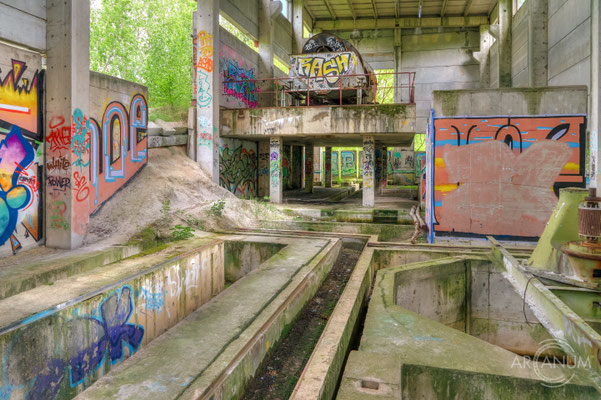
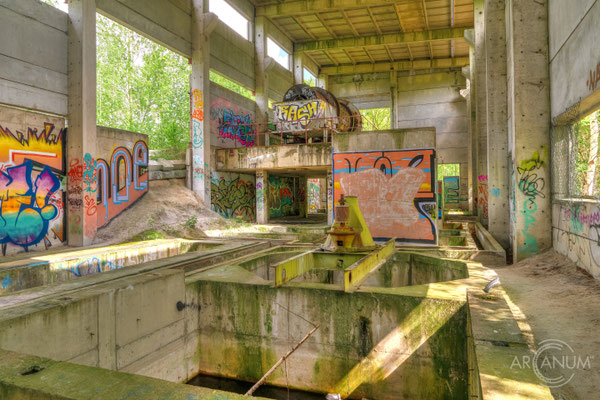
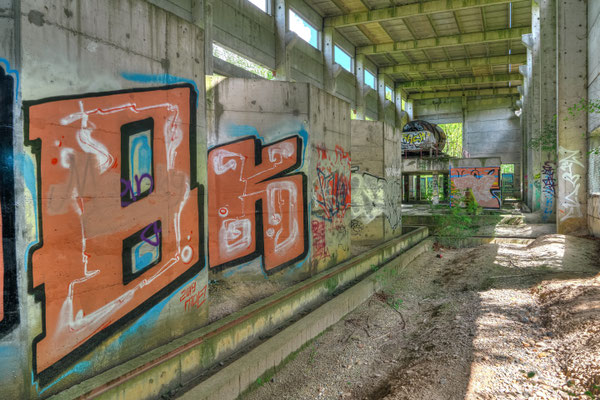
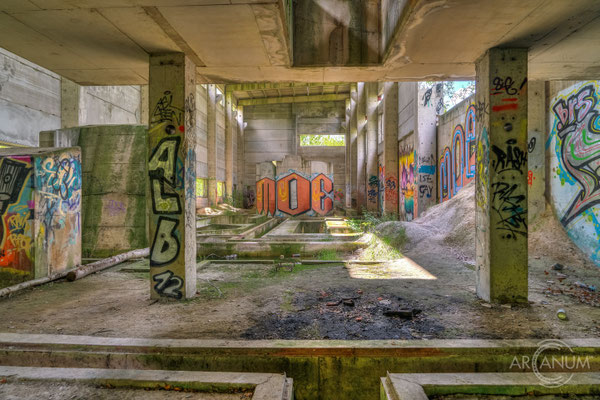
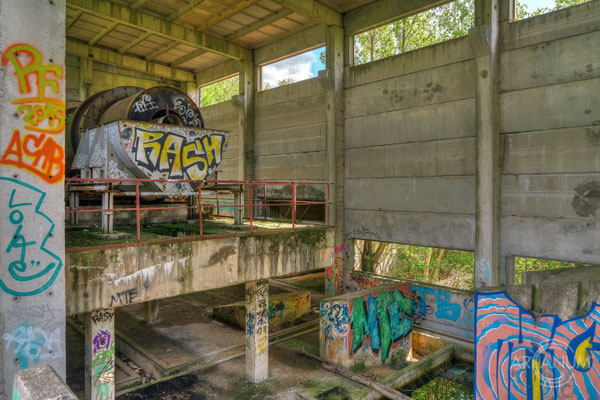
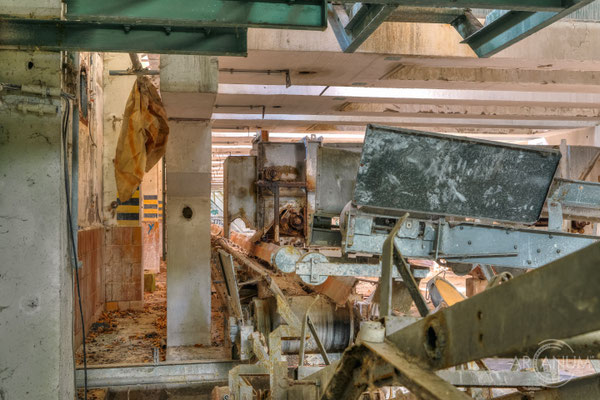
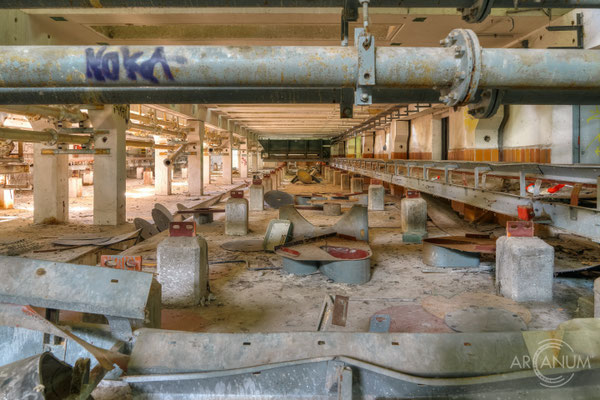
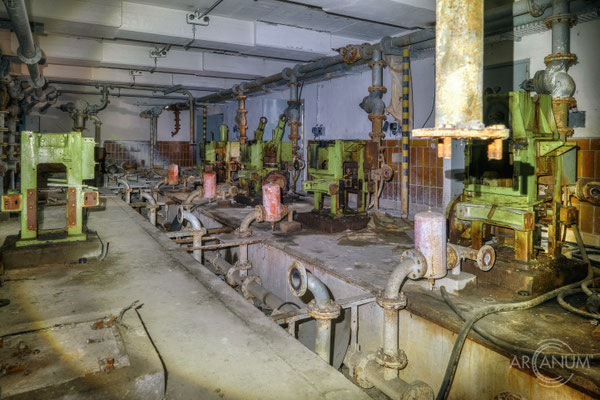
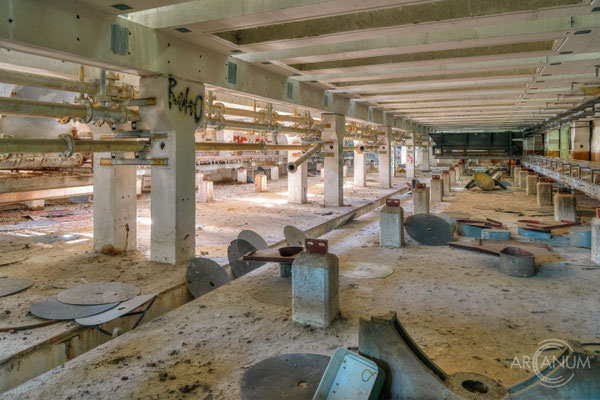
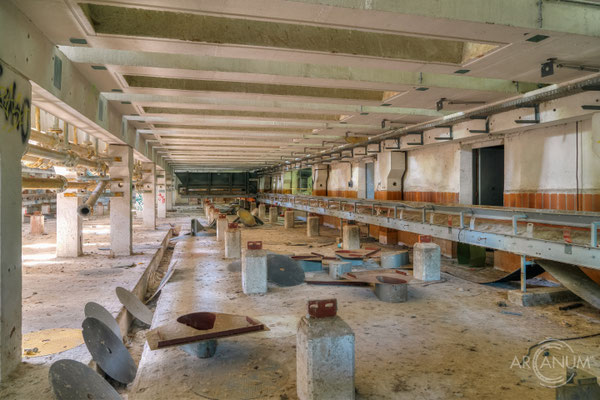
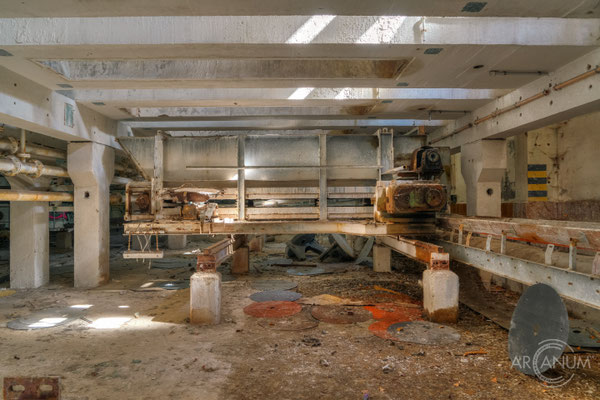
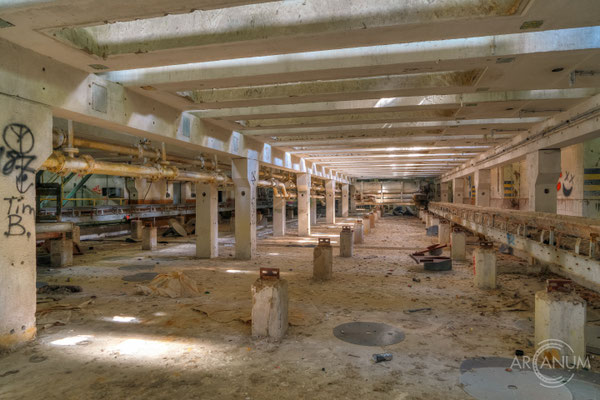
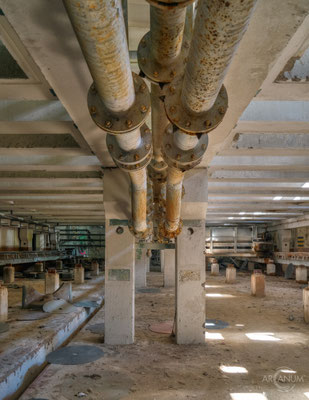
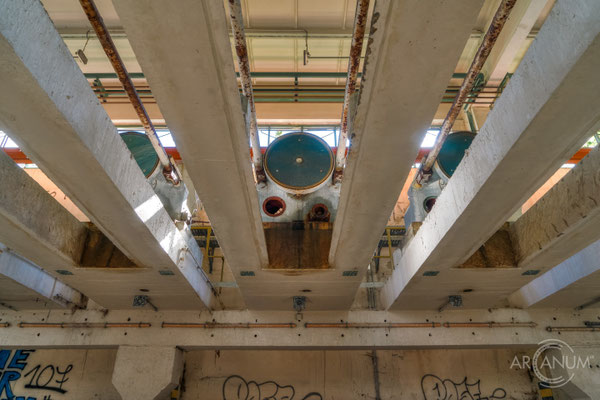
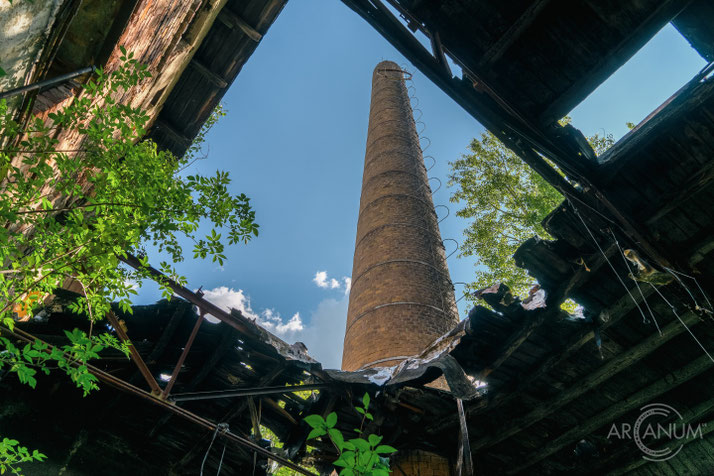
Beyond its industrial importance, the site also served as a center for scientific and technical research during the GDR era, particularly in the field of mineral processing and kaolin refinement. Today, the former works remain as an impressive industrial ruin — a haunting post-industrial landscape where abandoned structures stand in stark contrast to reclaiming vegetation and natural decay.
For the surrounding settlement, the kaolin works marked a decisive shift from a rural village structure toward an industrially shaped community. Even years after production ended, the site continues to serve as a powerful reminder of a once-thriving industrial culture and its lasting impact on the region.
Today, the former kaolin works stand in a state of advanced decay and neglect, with many derelict industrial structures partly reclaimed by nature. In September 2023, a major fire broke out in one of the abandoned buildings, triggering a large deployment of firefighters (63 personnel) and drawing attention to the site’s deteriorating condition.
The overgrown terrain made firefighting especially difficult, and while no injuries were reported, the blaze left visible scars on the aging infrastructure. This event underlined both the site’s vulnerability and its undeniable presence as a monument to its industrial past.
Visited: May 20, 2021
Location: Undisclosed, Germany
Status: Abandoned