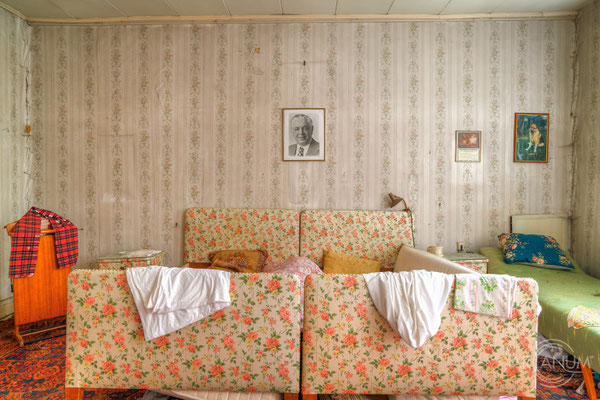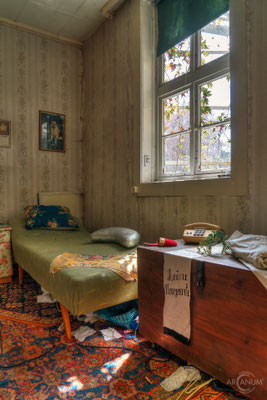
Maison "Flower Power"
At first glance, this abandoned house immediately catches the eye: a half-timbered building with a mansard roof that has retained its special charm for more than two centuries. Behind its façade lies not only striking architecture but also a history that stretches from the late 18th century to the present day. Today, the building is a listed monument and a vivid reminder of how architecture and ways of life have changed over the centuries.
Its origins date back to around 1800. At that time, it was not built as a typical residence but as a so-called garden house.
Wealthy citizens of the period created spacious gardens outside the inner city, often accompanied by small but representative buildings designed for leisure, gatherings, and entertainment. This particular house is one of the few remaining examples of that tradition.
The exterior still reflects its original ambition. The elegant mansard roof gives the structure a stately appearance, while the gables are true eye-catchers: wide wooden elements that appear decorated with fine plaster bands, a detail that adds refinement and lightness to the façade.
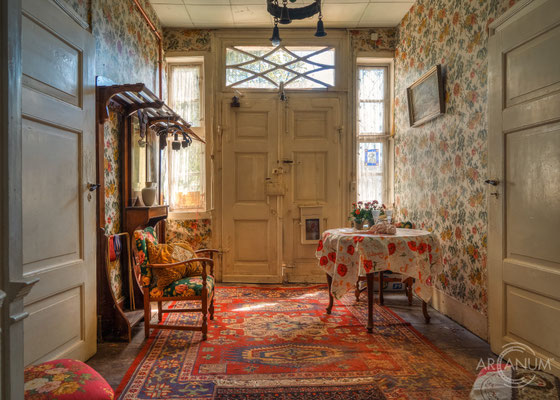
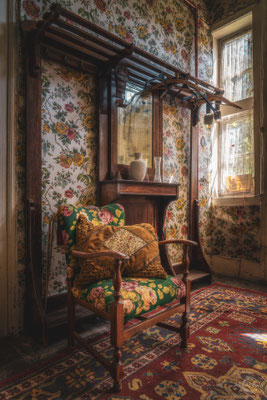
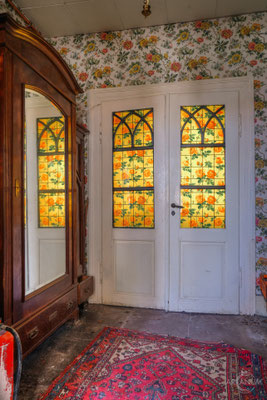
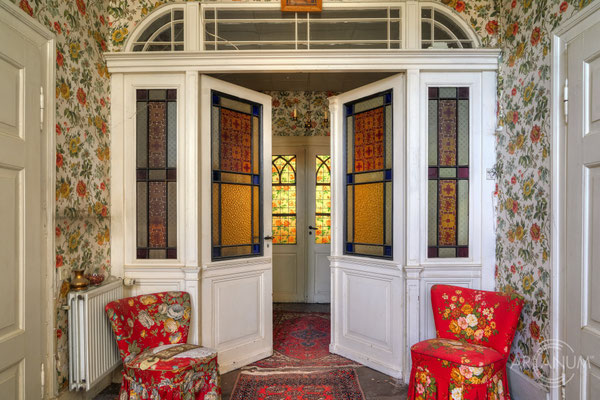
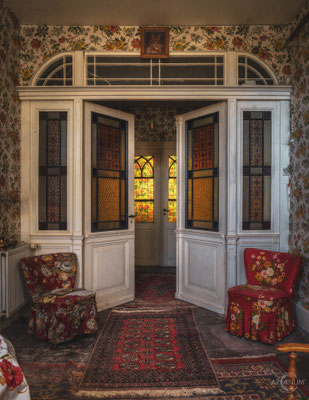
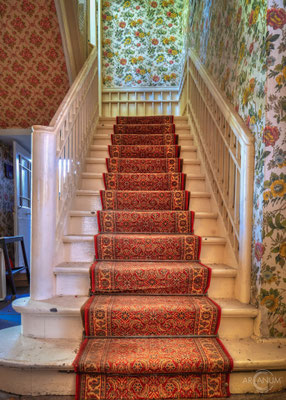
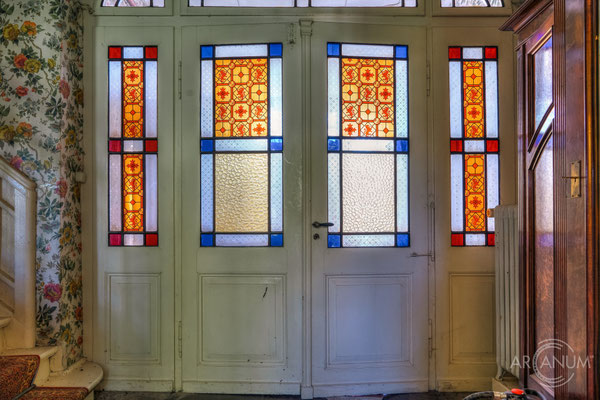
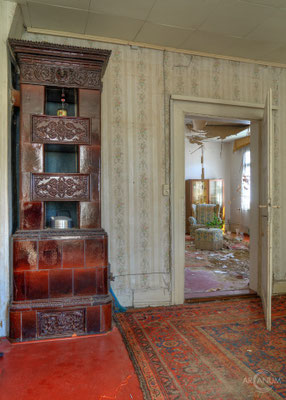
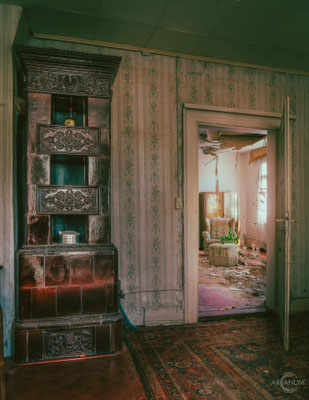
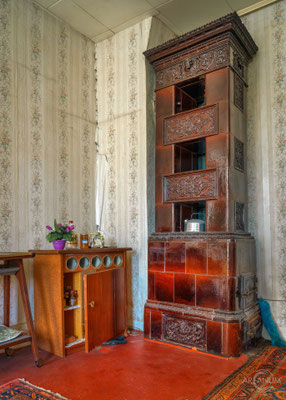
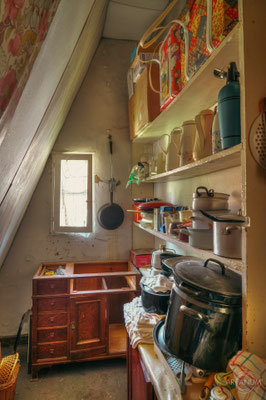
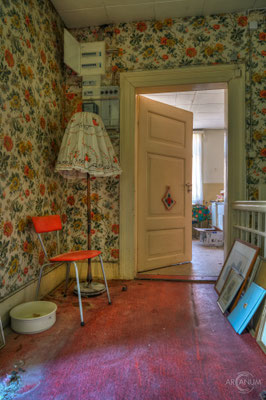
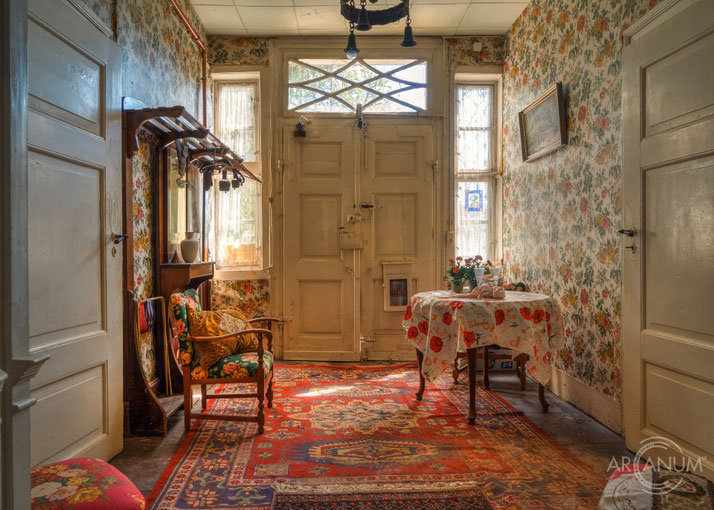
During the 19th century, the garden house was transformed into a full-fledged residence. Many elements from this phase have been preserved: a graceful two-flight wooden staircase from the original construction, finely crafted panel doors, a generous central hallway paved with sandstone slabs, and a decorative tiled stove from the late 19th century. The symmetrical floor plan, with rooms connected by double doors, reflects the intention to combine practicality with representative style.
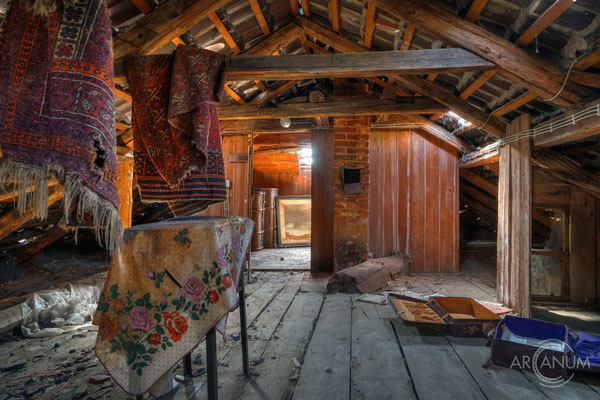
The early 20th century brought further changes. The attic was expanded and enhanced with a dormer structure, creating additional living space. At the same time, the house entered a new chapter in its use. It was no longer solely a residence but also became a place of business, reflecting a trend shared by many historic houses of the era—where living and working increasingly overlapped.
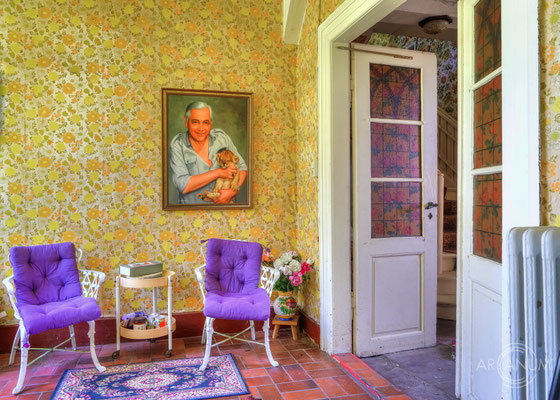
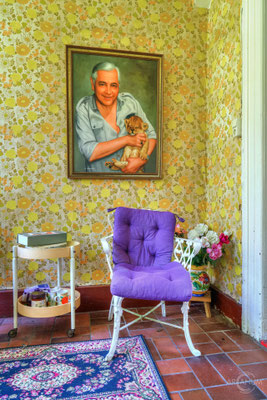
The building gained special significance thanks to a long-time resident affectionately known as the “Nightingale.” This extraordinary woman led a remarkable life. She first rose to fame as a singer with a distinctive voice that earned her wide recognition. Later, she married a successful entrepreneur, with whom she shared this home. He managed a respected business, and after her performing career, she threw herself into the enterprise with great energy. She took on organizational duties, cultivated customer relationships, and contributed her open-minded, communicative spirit to the company. In this way, she was admired not only as a gifted artist but also as a businesswoman who gave fresh impetus to the family venture.
She remained closely tied to the house well into old age. It was not only her home but also a place where culture, enterprise, and personal engagement came together. After her passing, she ensured through her will that the property would serve a charitable purpose—a legacy that shows how much she cared for future generations as well.
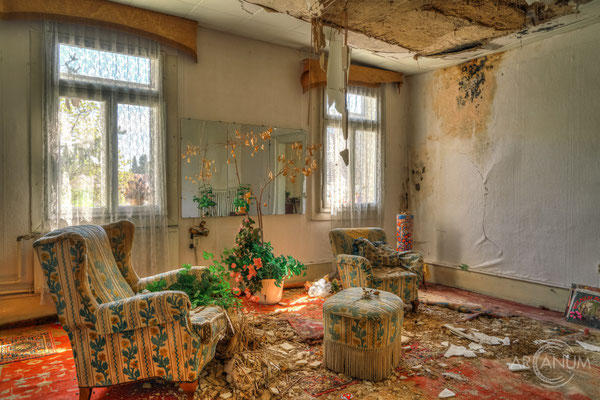
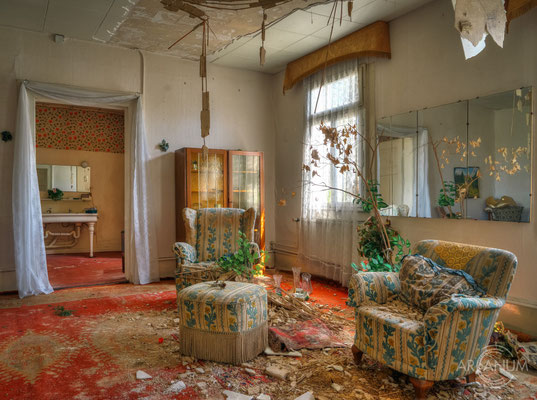
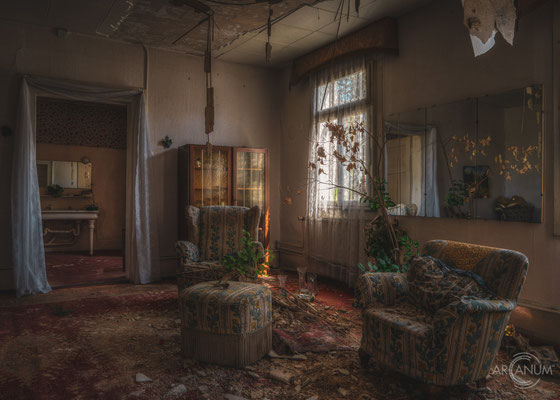
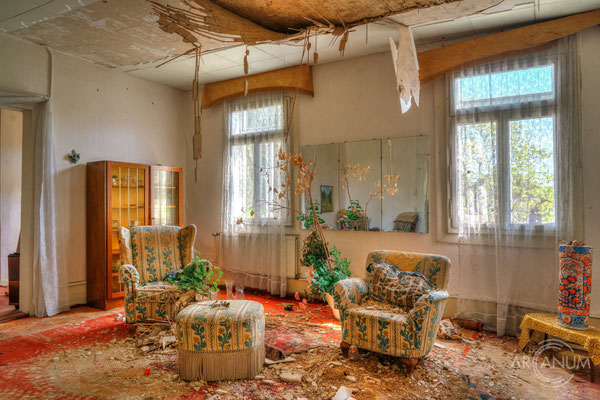
For years, the focus has been on carefully restoring the building. Years of use hab taken their toll, and the structure required sensitive renovation. To fund this work, a thoughtful plan had been developed: several modern houses were to be built in the spacious garden, providing the means to secure the preservation of the historic monument. At least, that was the plan in 2019, but now the villa is in serious danger of being demolished because it's in a massive state of disrepair. A structural engineer said the building can't be fixed up, and they've already had to put up temporary supports. This uncertain future makes it even more important to save the historical heritage of this special house.
The house thus stands as a living witness to past times. It tells of the pleasure of representative building around 1800, of the transformations and extensions of later decades, and of the life of an extraordinary woman who, together with her husband, left an enduring mark on it. For anyone standing before its façade, it is more than just an old half-timbered house—it is a piece of cultural heritage that links past, present, and (hopefully) future.
Visited: May 9, 2021
Location: Undisclosed, Germany
Status: Abandoned