Mansion "Hunter's Dream"
The abandoned manor house, located in the Mecklenburg Lake District region, looks back on over 650 years of history. The origins of the estate can be traced back to at least 1372. For centuries, the estate was owned by a large Mecklenburg noble family who held extensive land in the region. The estate remained in their hands until 1877, when it was sold to a Silesian-Mecklenburg family, who continued to run it until it was expropriated as part of the land reform in 1945.
The present manor house was built on the foundations of an older predecessor building. It was probably

built at the end of the 17th century and is a typical example of Mecklenburg manor house construction from this period. Architecturally, it is a two-storey, plastered building in a U-shape with a high crippled hipped roof. The simplicity of the façade, structured by window axes and discreet cornices, points to the building's rural and representative character, which impresses with its restrained design rather than its size and location.
In the 19th century, particularly around 1860, the building was extensively extended. Two side wings were added, creating the current U-shaped floor plan. These extensions were in keeping with the spirit of the age of late classicism and served both for representation and to extend the living and utility rooms for the estate owner's family. Later conversions and extensions continued into the early 20th century. The estate's farm buildings were also reorganized during this period, and a spacious landscaped park was laid out behind the manor house around 1895. Remnants of this park have been preserved to this day, with watercourses, ponds, bridges and a small burial ground.
At the time of the estate's operation before the end of the war, the estate was an important agricultural center. In the 1920s, the estate comprised around 1,162 hectares of land, including around 264 hectares of forest. In addition to agriculture, the estate also included forestry and livestock farming, operated with modernized facilities and a considerable workforce.
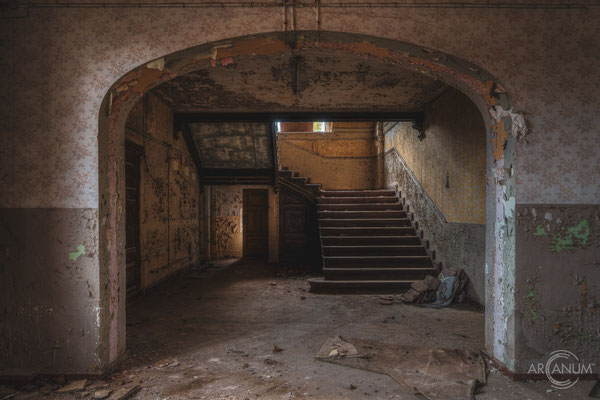
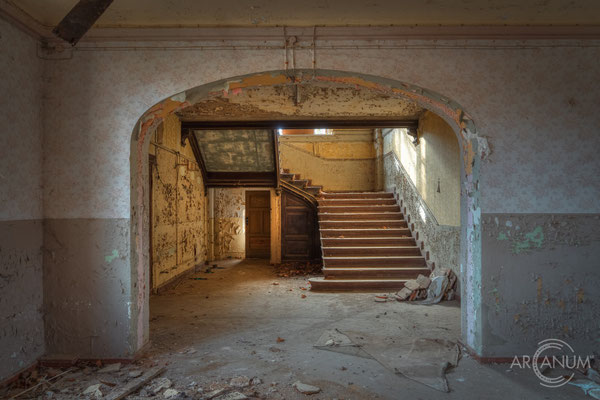
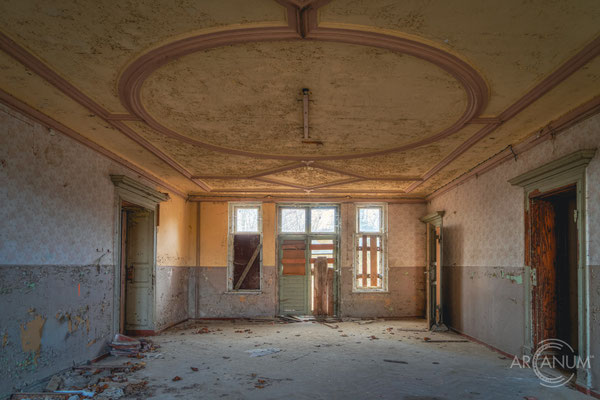
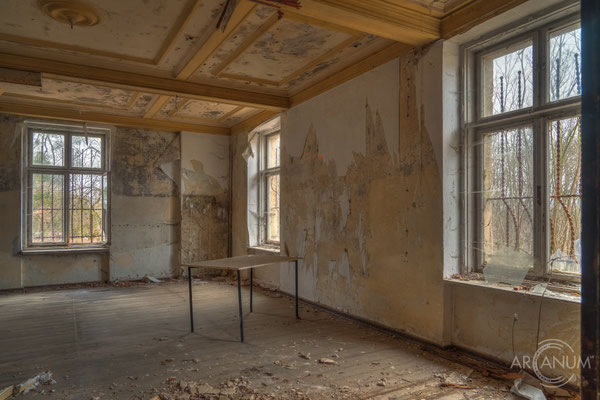
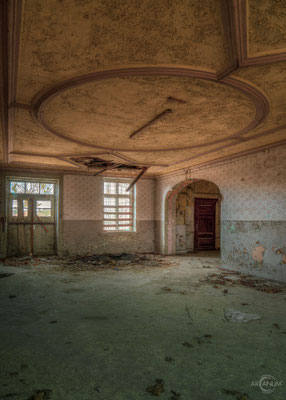
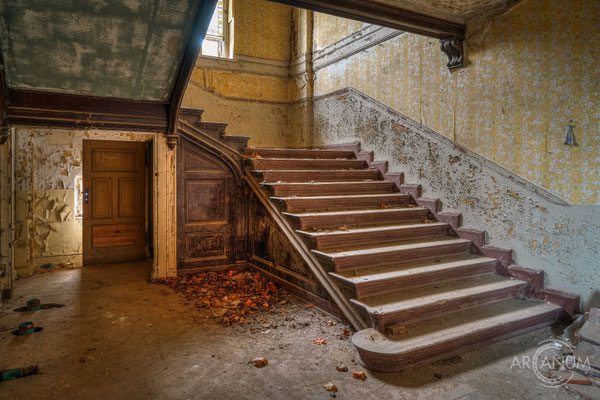
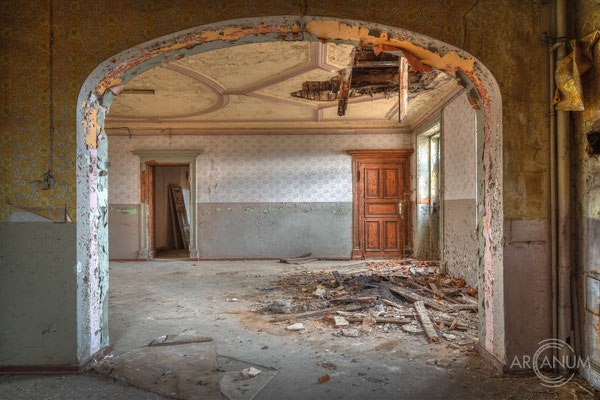
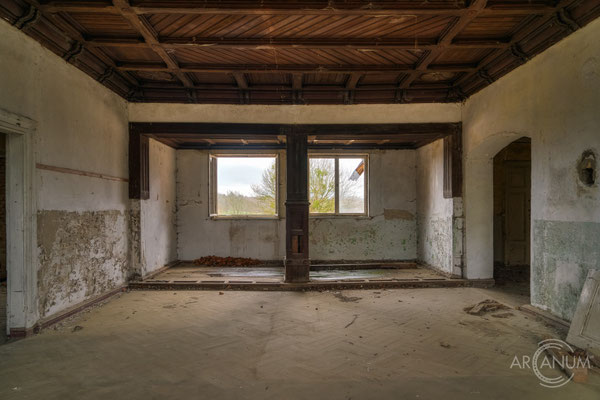
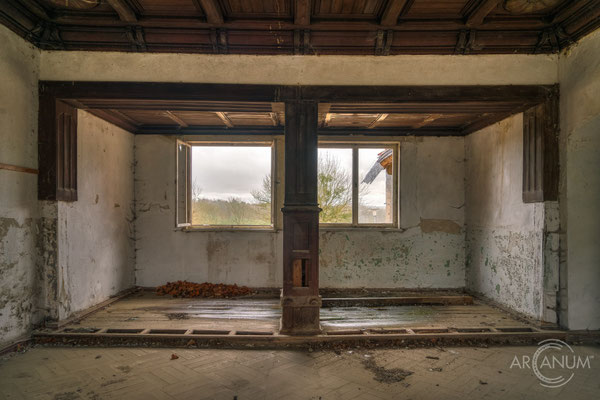
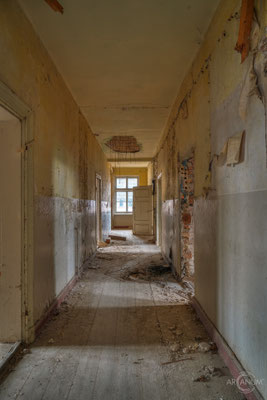
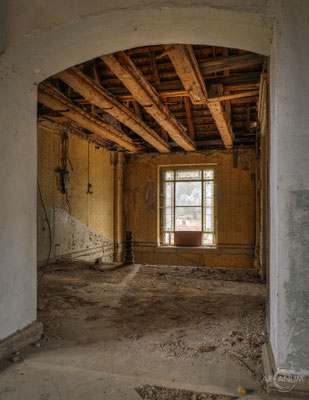
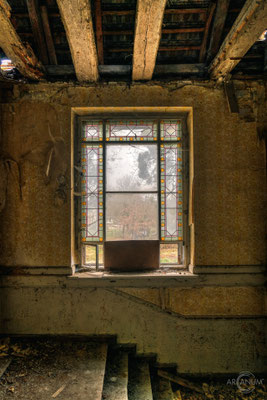
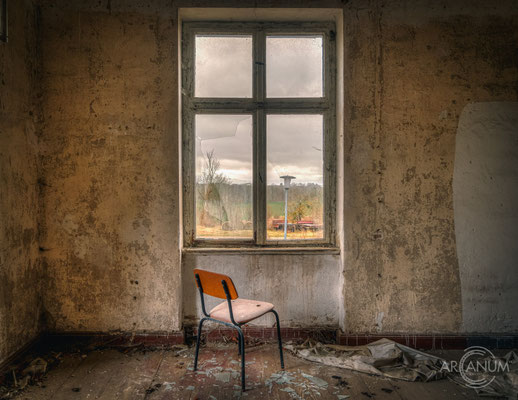
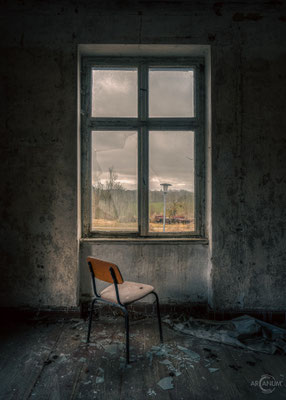
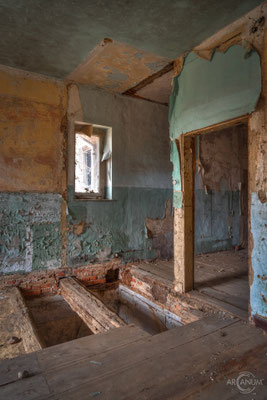
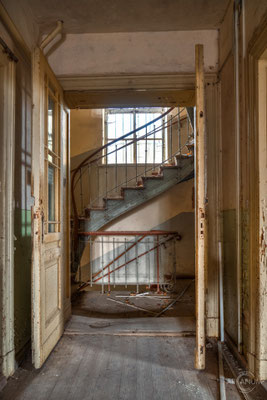
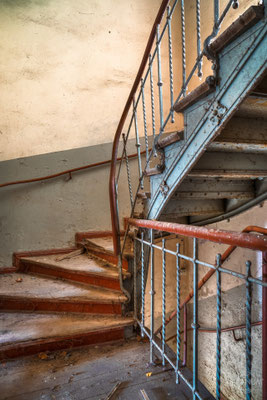
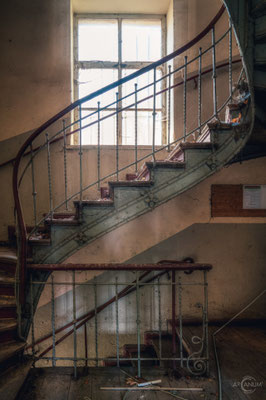
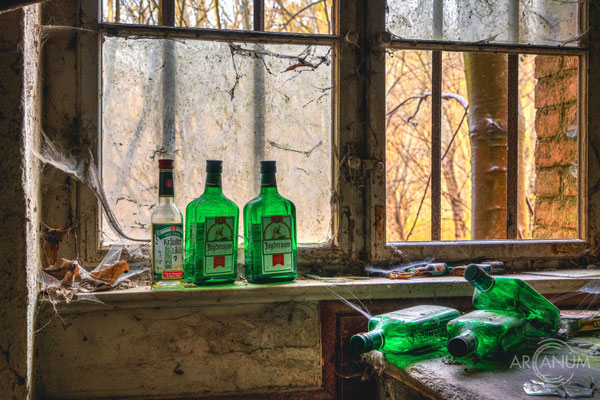
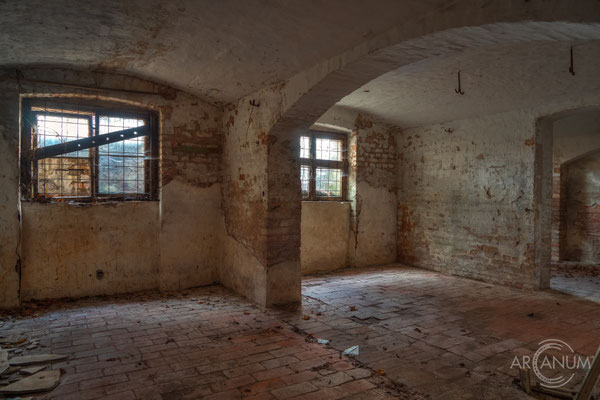
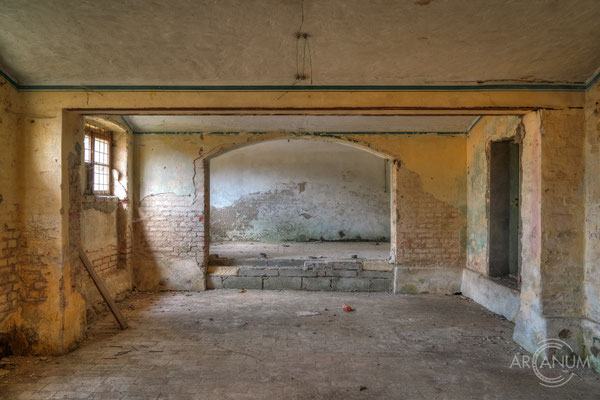
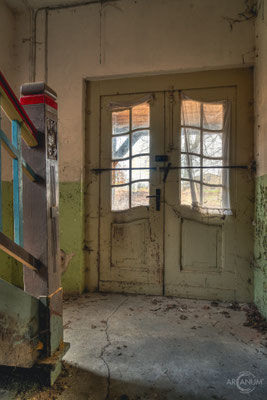
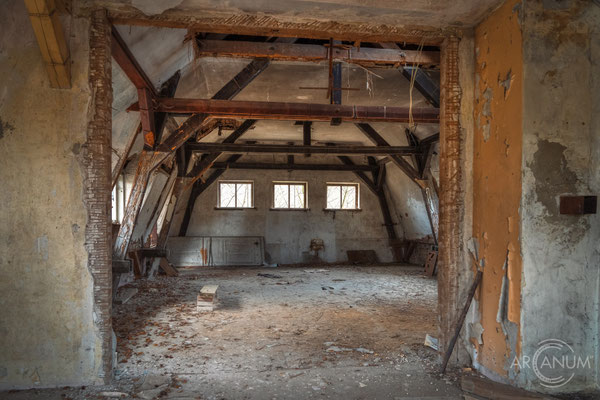
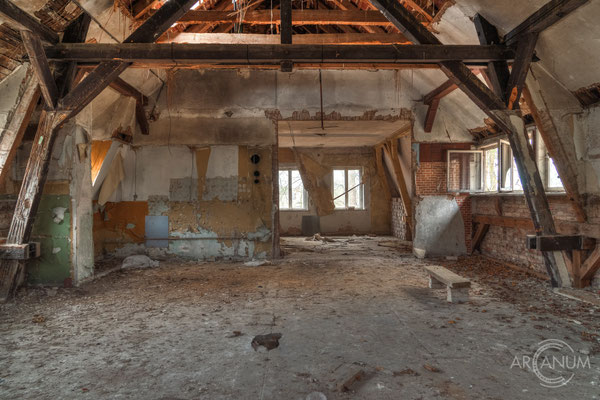
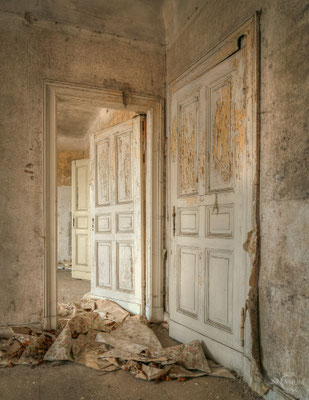
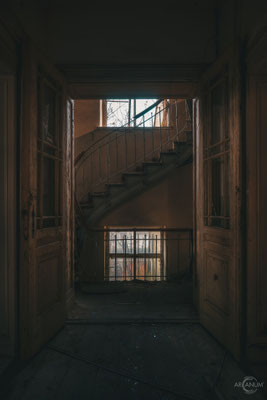
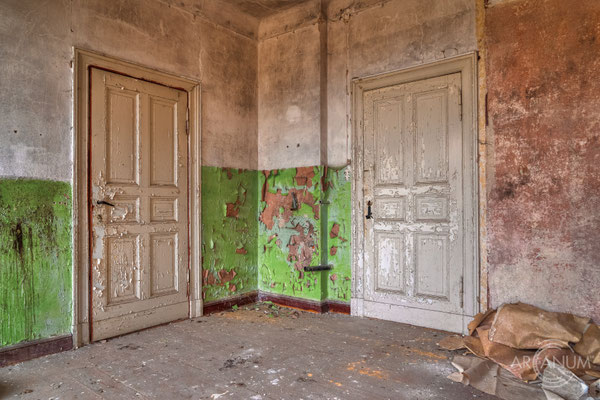
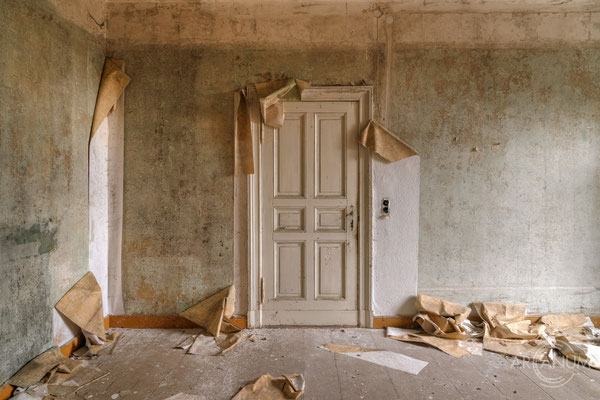
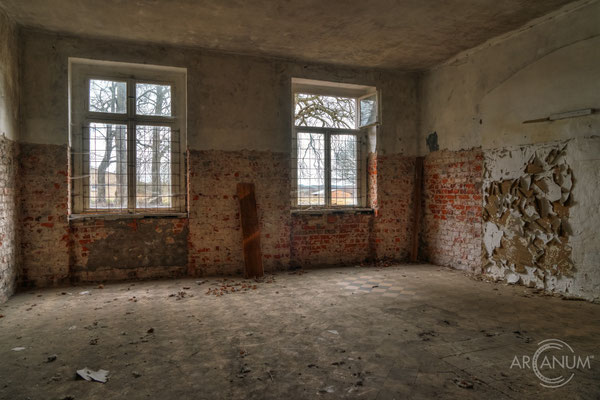
At the end of the Second World War, the estate was expropriated as part of the land reform in the Soviet occupation zone. The buildings were subsequently used for a variety of purposes: The manor house served as refugee accommodation, later as a Konsum (food outlet), crèche and residential building. These conversions led to structural changes and also to a loss of substance, but became a necessity in many villages in Mecklenburg. The manor house was inhabited until around 1990, after which it became vacant and the structural decay began to accelerate. Today, the building is largely unused and is in dire need of renovation.
Despite its dilapidation, the manor house is a listed building and is considered one of the most important rural manor houses in the region. The preservation authorities particularly emphasize the historical authenticity of the building, whose basic form and façade have been preserved despite its damage.
In recent years, there have been repeated ideas for revitalizing the site, including tourism-related usage concepts. Vacation apartments, events or cultural projects were considered. A descendant of original owner's family also showed interest in careful development. However, these plans have not yet been implemented for various reasons.
The manor house is thus exemplary for many manor houses in Mecklenburg-Western Pomerania: rich in history, architecturally interesting, threatened by decay - and yet with great potential for future revitalization.
Visited: March 27, 2021
Location: Undisclosed, Germany
Status: Abandoned