Paper Mill M.
For over three centuries, a paper mill stood at the edge of a small northern European port city, quietly shaping both the landscape and local industry. The story begins in the late 17th century, when local authorities—seeking to reduce reliance on imported paper—finally approved the construction of a mill along a small watercourse just outside the old town. Contracts were signed in 1669, and within months a two-wheel, hand-operated facility was completed, producing handmade sheets from linen rags and other fibre sources.
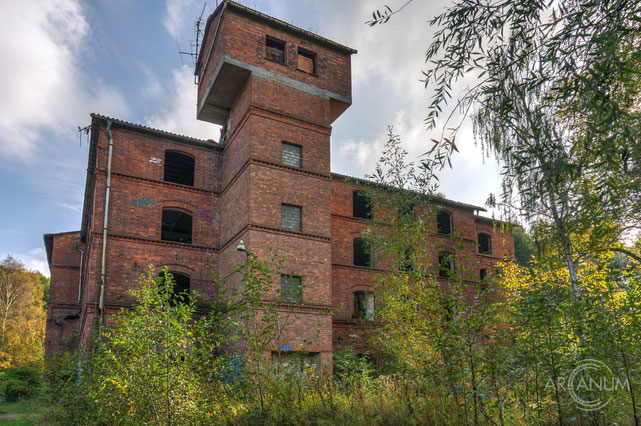
The site itself was no stranger to production: a mill had stood there since at least the 14th century, first grinding grain and operating as a fulling mill for wool weavers. The transition to paper reflected broader European trends, as demand for books, legal documents, and printed materials expanded rapidly after the Renaissance.
The earliest decades were not easy. Through the early 1700s, the mill passed through several operators and endured the effects of war. During a siege in the Great Northern War, invading forces deliberately targeted infrastructure—cutting water supplies and destroying facilities in hopes of disrupting the city’s economy. The paper mill was razed, only to be rebuilt in 1727 with structural and mechanical improvements that boosted its productivity.
Throughout the 18th century, mill owners exploited the best raw materials available: fine white cloth and rags, which made superior, exportable paper. At times, regional rulers even restricted the export of these valuable textiles to ensure adequate local supply.
A major turning point came in 1870, when fire destroyed much of the existing complex. Rebuilding began almost immediately, and in 1882 the facility was acquired by a local merchant, Gustav Marsmann, whose family would define its next era. Under Marsmann leadership the mill embraced industrialisation: traditional handcrafting gradually gave way to mechanised production. In 1883 the first modern paper machine was installed, followed by additional machines in the 1890s that allowed for continuous, high-volume output. Wood pulp supplanted rags as the primary raw material, and the mill’s power sources expanded from water alone to include steam and electricity.
For decades, the Marsmann operation made a name for itself producing a range of papers and cardboard products, serving both regional markets and wider industrial needs. By the eve of the Second World War, annual output had grown into the tens of thousands of tonnes.
After 1945, the mill faced the upheavals common to many businesses in the eastern portion of the defeated German Reich. Production resumed amid material shortages and physical destruction. The original family owners were formally dispossessed in the late 1940s, and the facility was incorporated into state-directed industry under the newly established socialist system. It was reorganised and renamed in alignment with other nationalised enterprises, but continued to operate and modernise through the 1960s, 70s and early 80s—receiving new machinery and infrastructure investments when possible.
The political transformations of 1989/90 that reshaped the entire region also altered the paper mill’s fortunes. As state support evaporated and market competition intensified, the complex was folded into larger paper manufacturing groups and eventually became an independent concern in a reunified Germany. Despite efforts to adapt, the mill could not sustain profitability. After 327 years of continuous paper production, its doors were closed in January 1996.
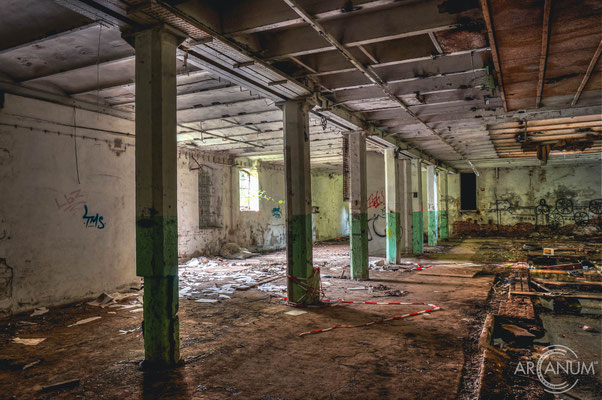
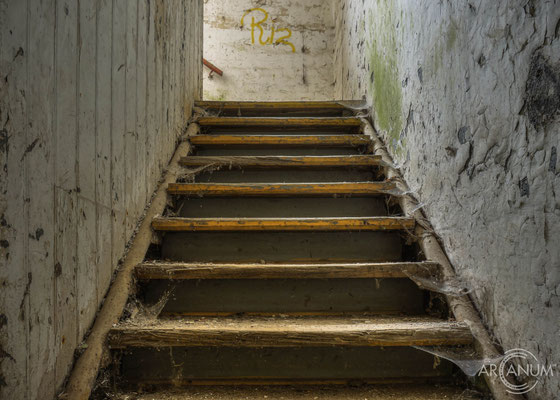
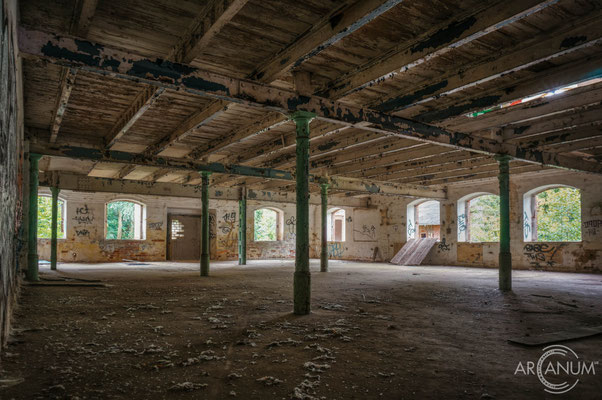
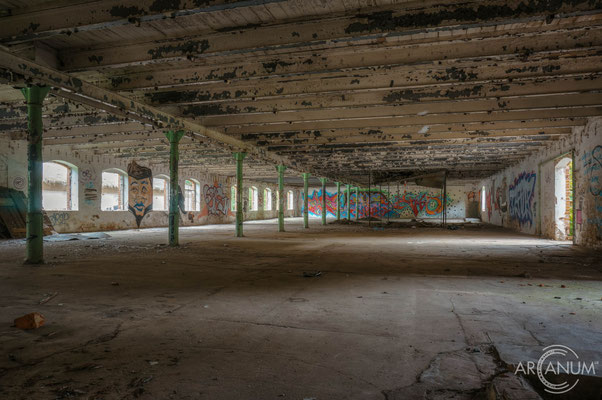
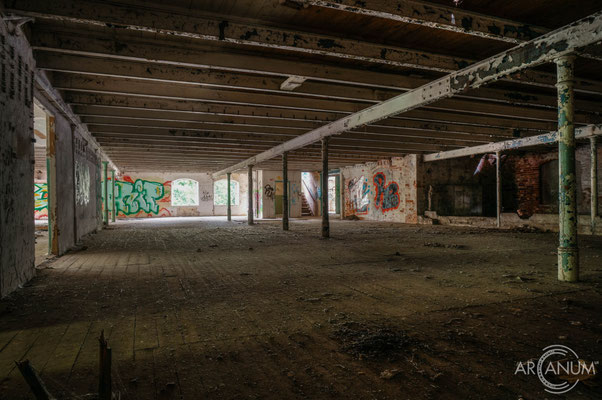
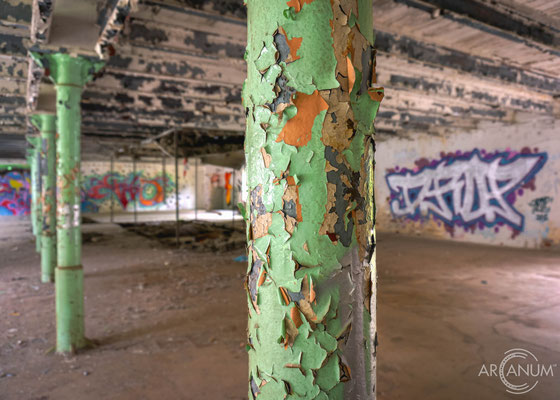
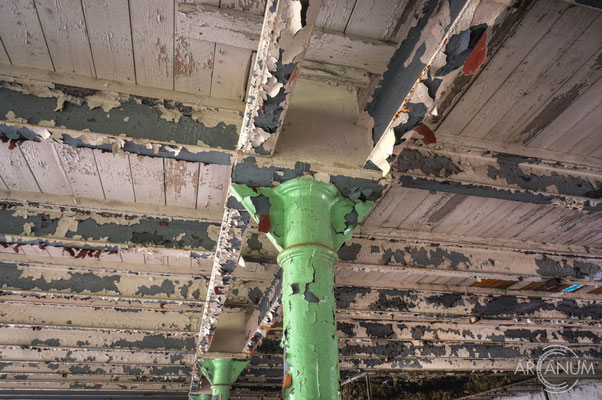
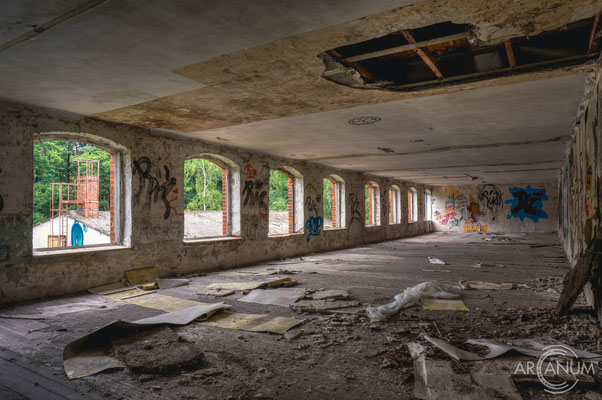
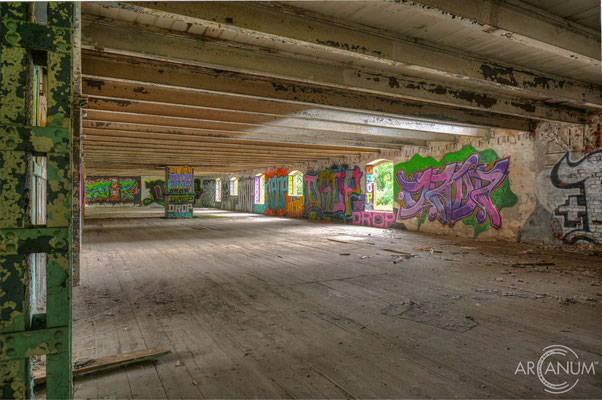
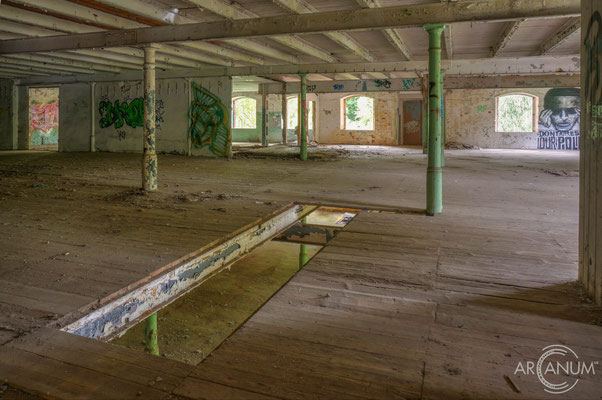
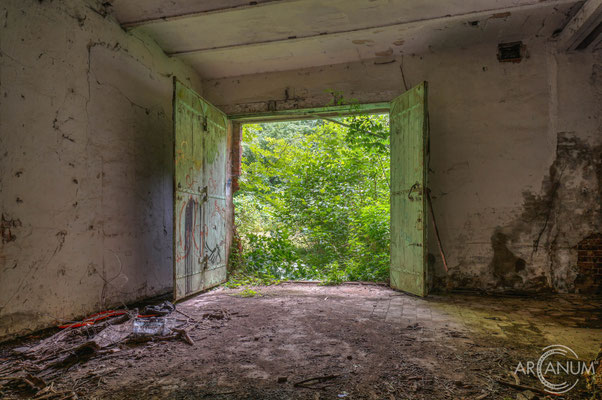
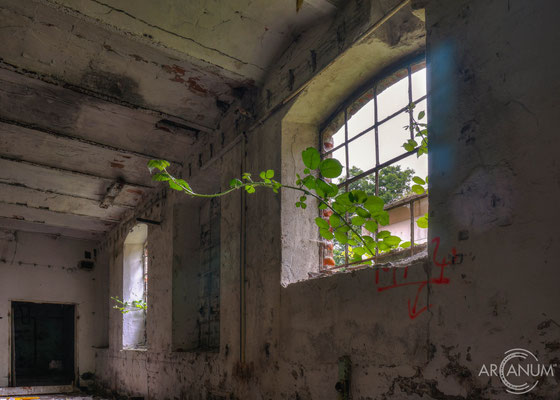
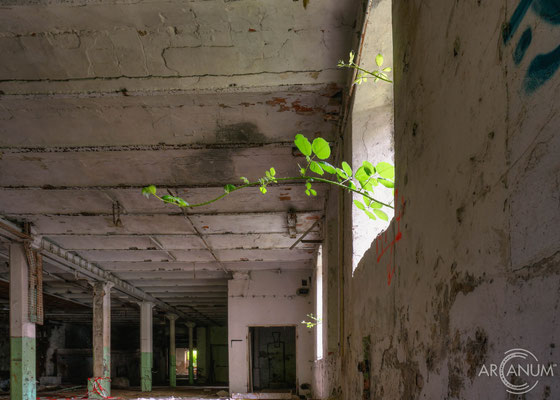
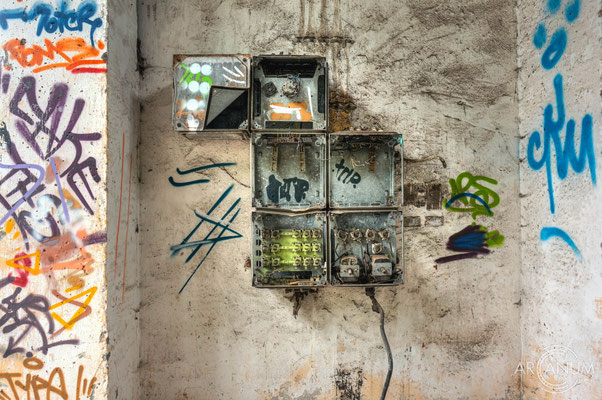
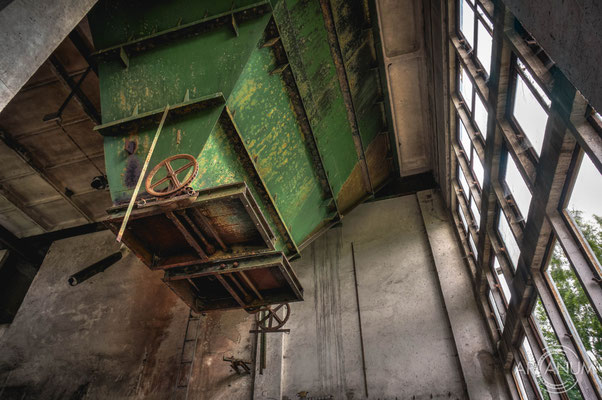
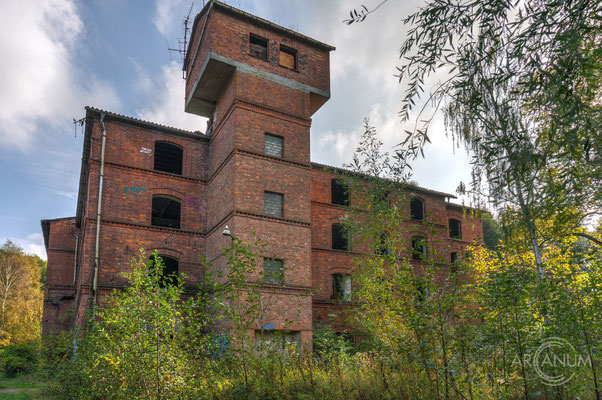
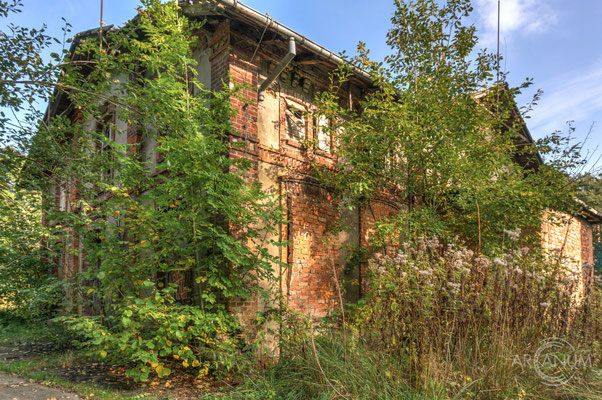
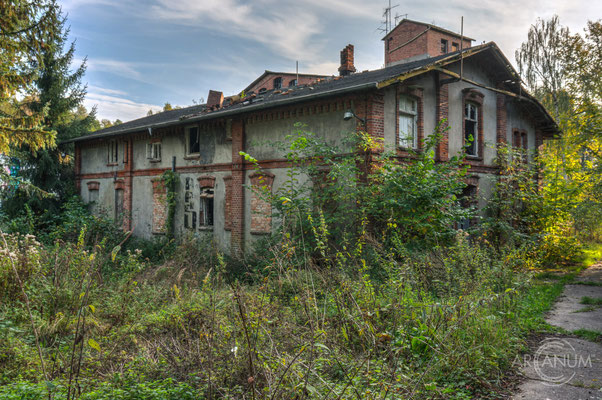
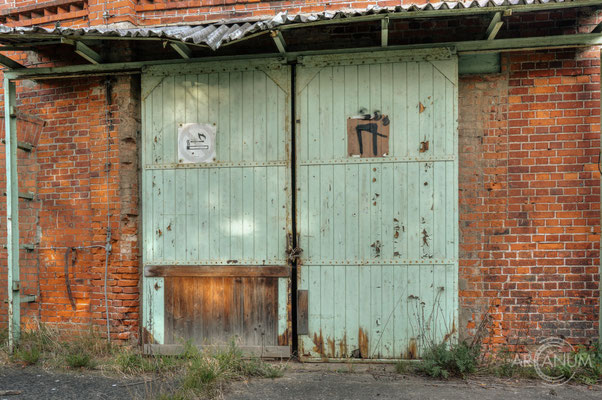
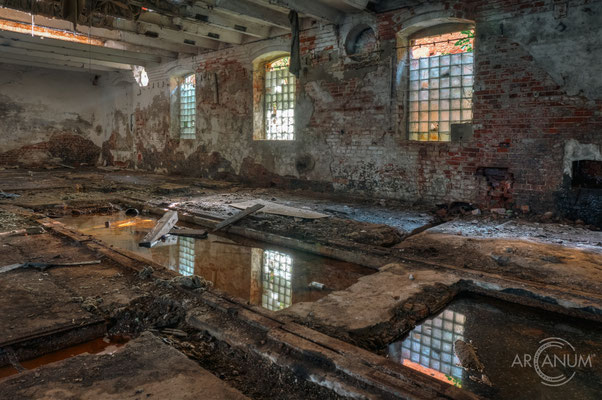
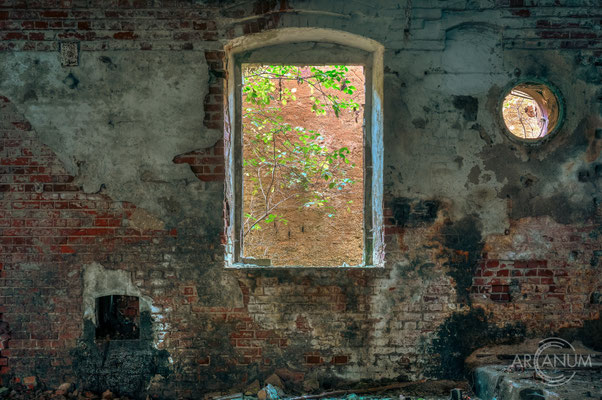
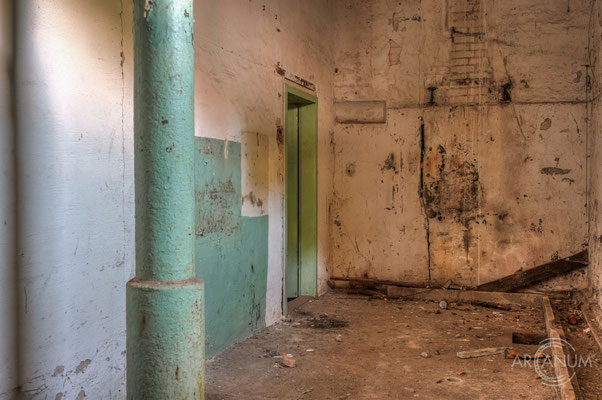
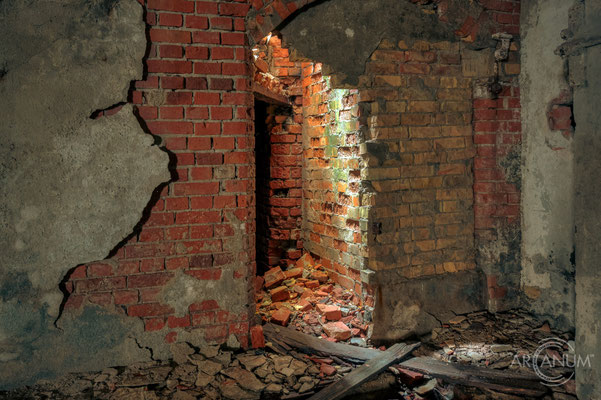
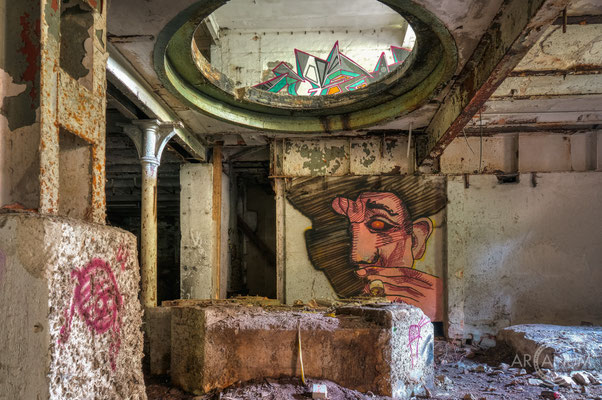
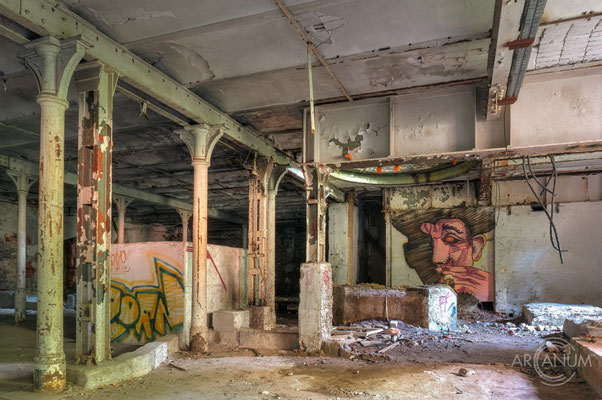
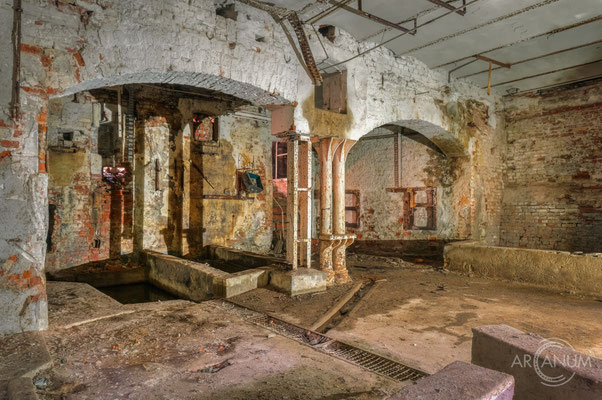
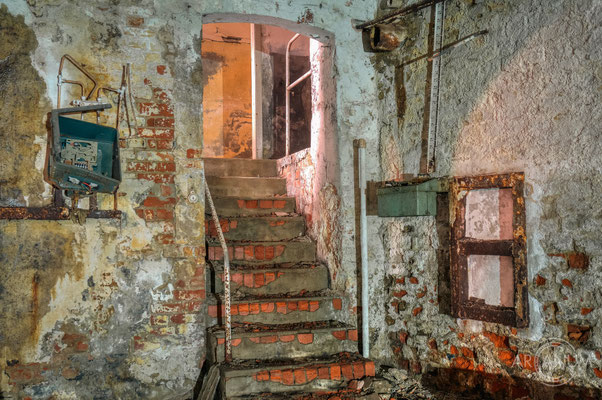
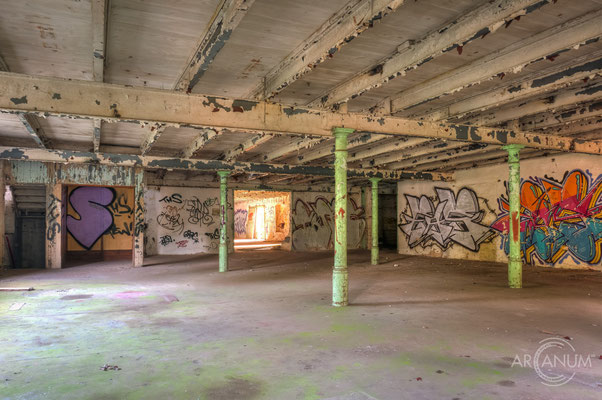
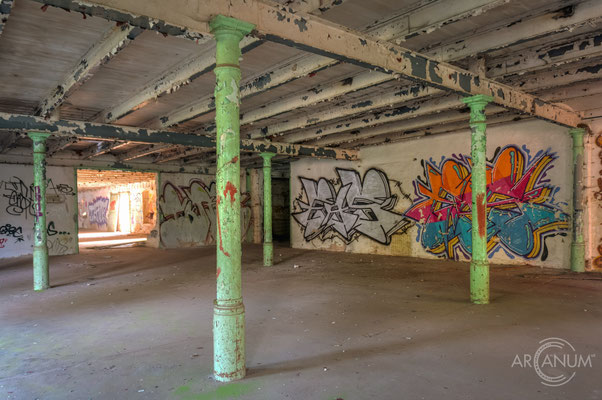
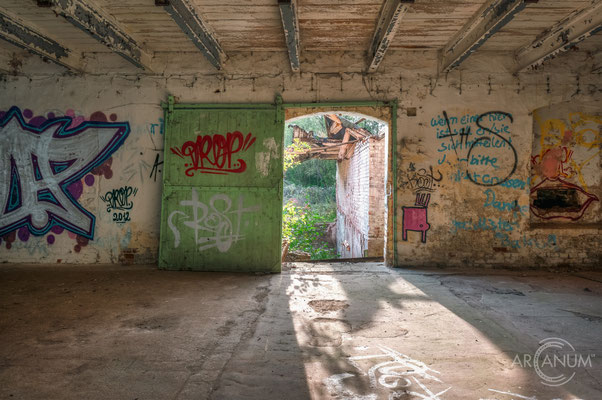
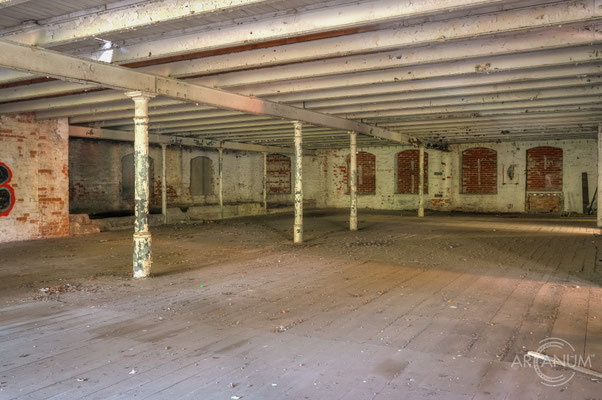
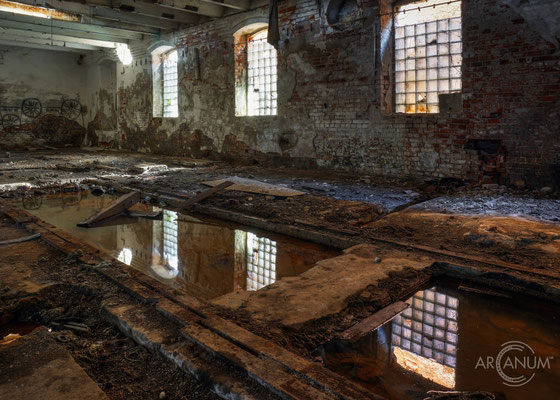
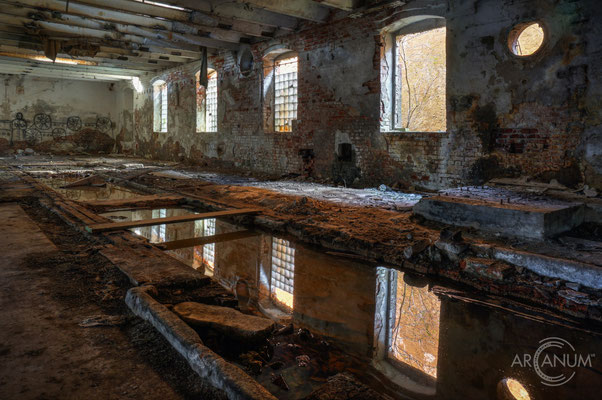
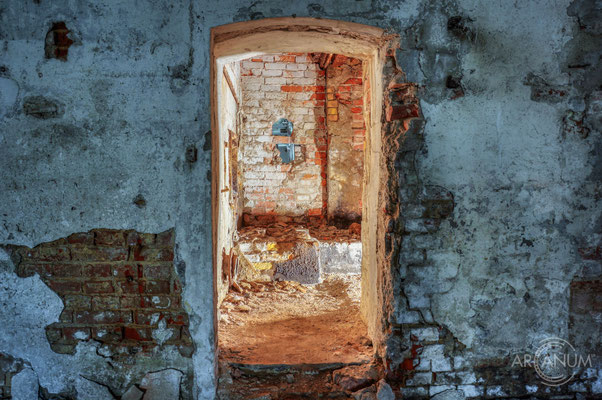
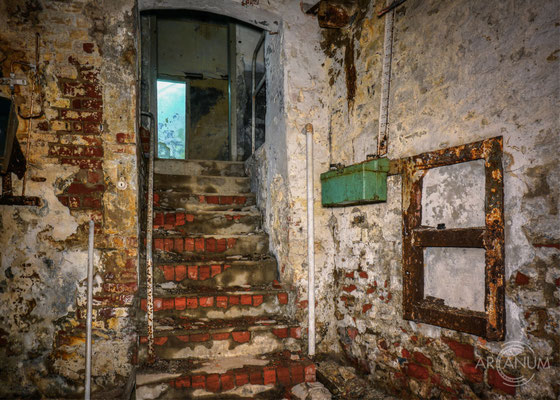
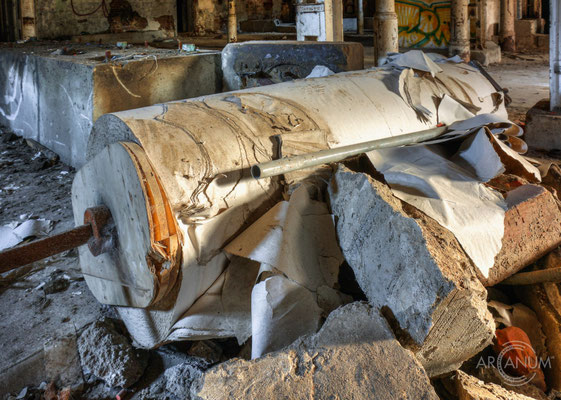
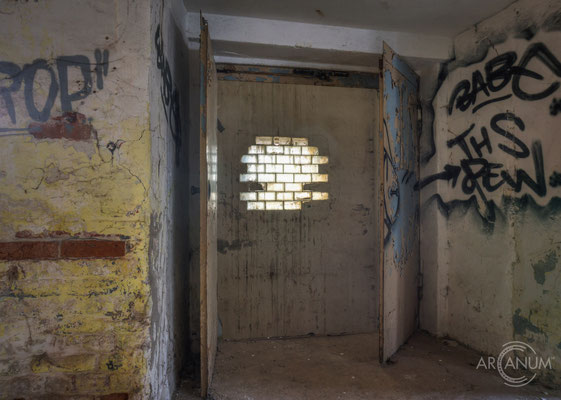
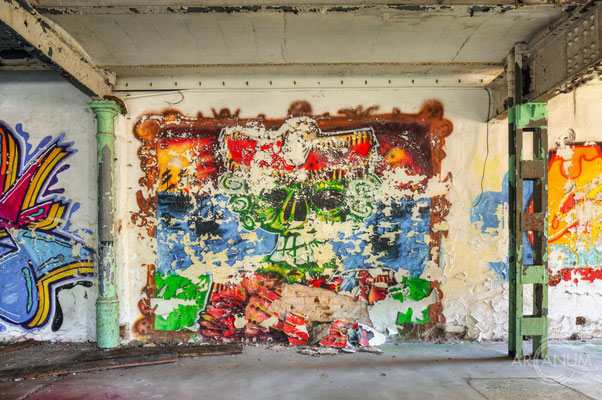
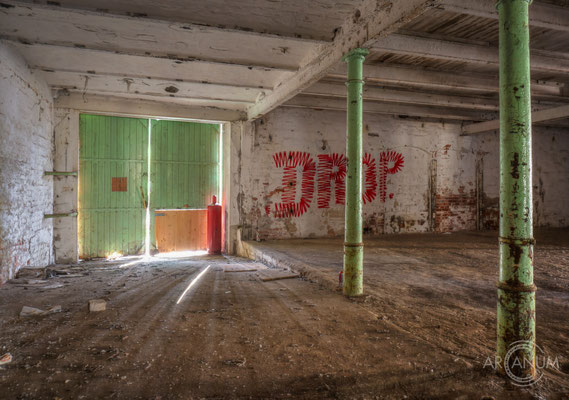
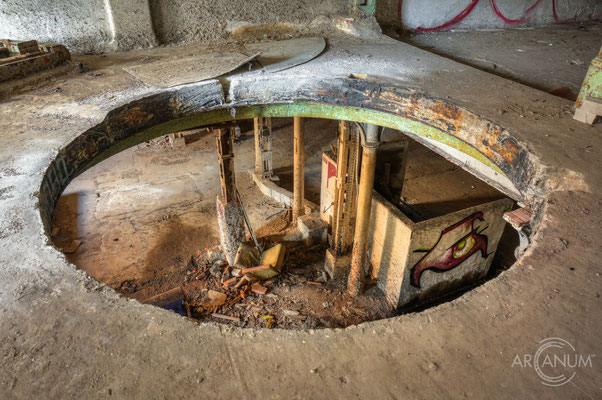
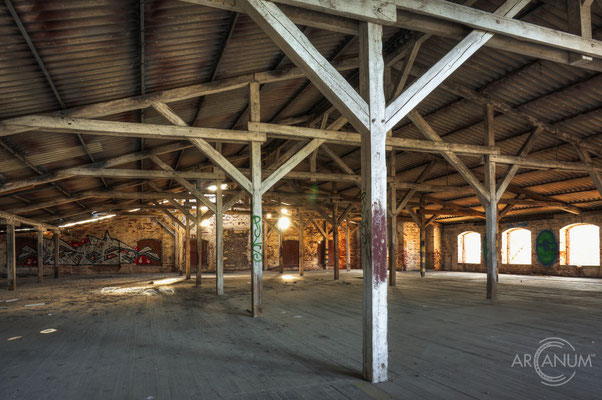
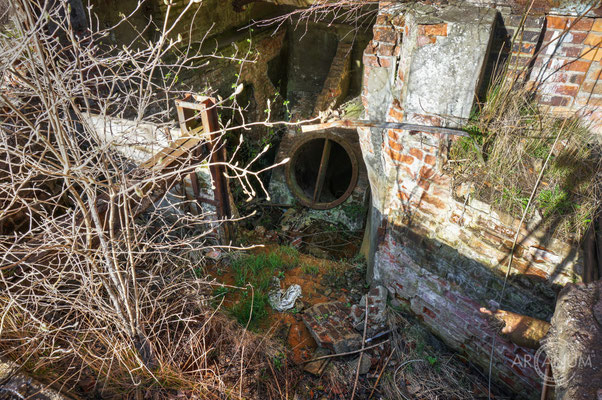
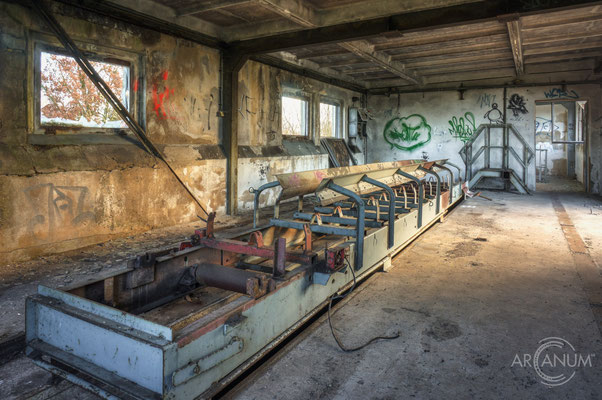
Today, the silent industrial buildings stand as evocative reminders of an earlier age—walls and rust-streaked steel echoing the rhythm of machines long stilled. For historians, urban explorers, and local residents alike, the site offers a tangible connection to centuries of technological change, economic upheaval, and the everyday toil behind one of humanity’s most indispensable materials.
Visited: October 11, 2014, April 3, 2015, and July 19, 2015
Location: Undisclosed, Germany
Status: Abandoned







UPDATE: New Photos from 2015-04-03.







UPDATE: New Photos from 2015-07-19.