Power Plant Vockerode
Industrial Ambition on the Banks of the Elbe
Rising from the flat floodplains of the Elbe River near Dessau-Roßlau, the former power station at Vockerode once stood as a symbol of industrial ambition and technological progress. Today, its silent turbine halls and weathered concrete facades tell a different story—one of transformation, decline, and the quiet fascination that draws urban explorers and historians alike.
Construction of the plant began in the 1930s, during a period when Germany was rapidly expanding its energy infrastructure. Designed as a large lignite-fired power station, it was strategically located close to regional coal supplies and the Elbe, whose water was essential for cooling processes. With its monumental architecture and towering chimneys, the facility was both a technical installation and a statement of industrial power. The clean lines and imposing scale of the complex reflected the architectural language of its era—functional, austere, and built to endure.
Energy for a Divided Nation
After the Second World War, the plant found itself in the Soviet occupation zone and later in the German Democratic Republic (GDR). As part of East Germany’s centrally planned economy, it became an important supplier of electricity for heavy industry and private households. The station contributed significantly to the energy grid of the GDR, feeding power into a network that sustained chemical plants, factories, and growing urban centers.
Its proximity to the historic Bauhaus city of Dessau—home to the famous Bauhaus Dessau—created a striking contrast between avant-garde modernist design and the raw pragmatism of socialist-era industrial production.
Technology and Transformation
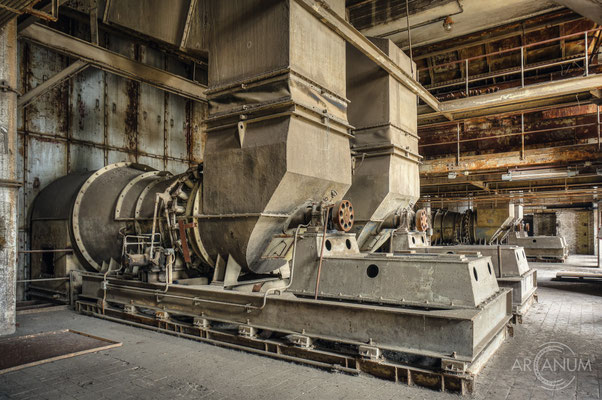
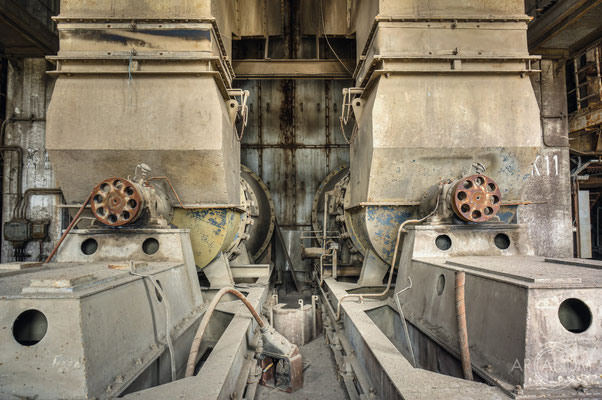
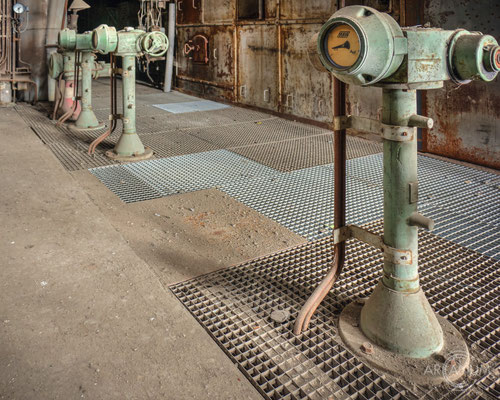
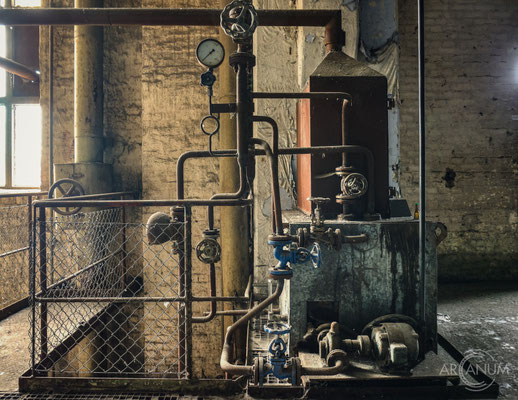
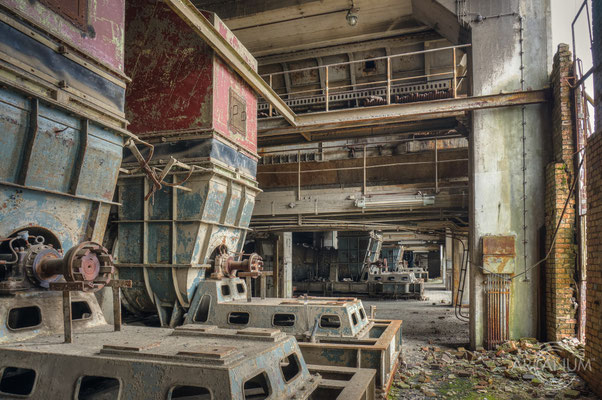
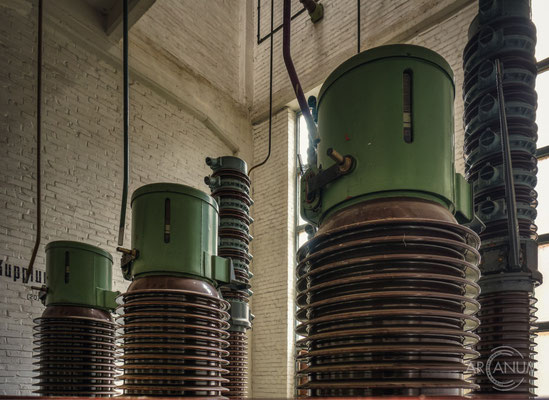
Technically, the plant operated using pulverized lignite, a low-grade brown coal abundant in central Germany. The fuel was transported, crushed, and burned in massive boilers that generated high-pressure steam. This steam drove large turbines connected to generators, converting thermal energy into electrical power. Over the decades, the facility underwent several upgrades to increase efficiency and capacity, adapting to new technical standards and the growing demand for electricity. At its peak, it was among the more significant power stations in the region.
Decline After Reunification
Following German reunification in 1990, the energy landscape changed dramatically. Environmental regulations tightened, economic priorities shifted, and many older lignite-fired plants were deemed inefficient or outdated. Despite modernization efforts, the station at Vockerode was eventually shut down in the 1990s. Its towering chimneys were demolished in a spectacular controlled explosion, an event that marked the symbolic end of an industrial epoch in eastern Germany.
A Silent Monument for Explorers and Historians
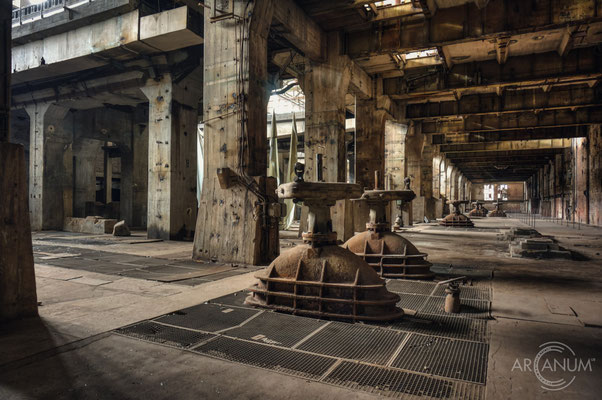
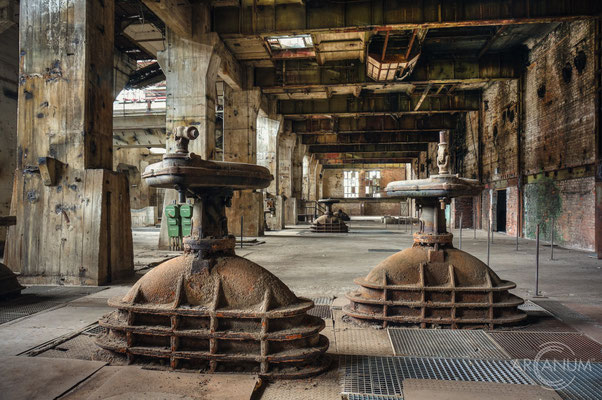
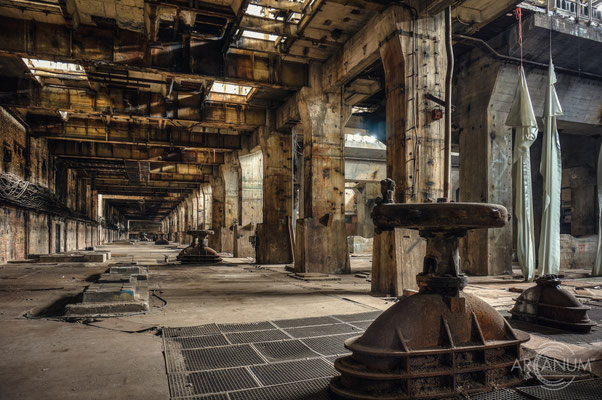
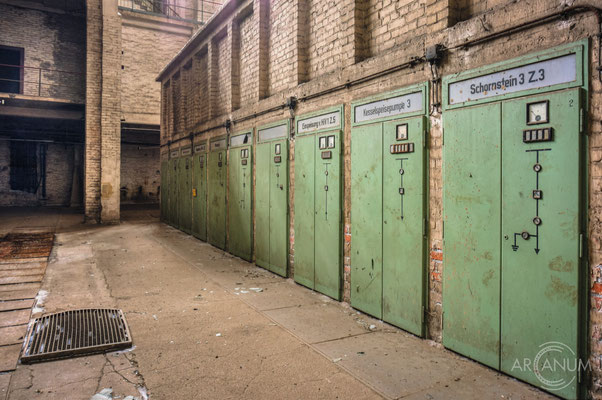
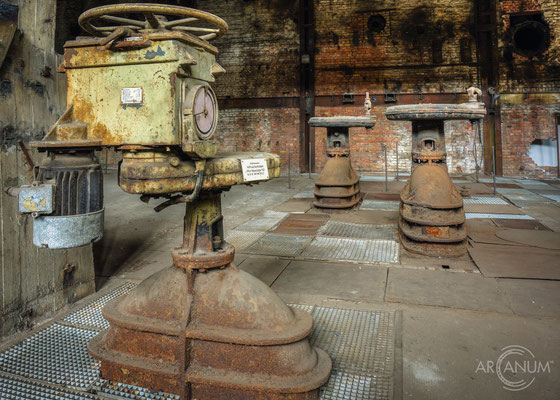
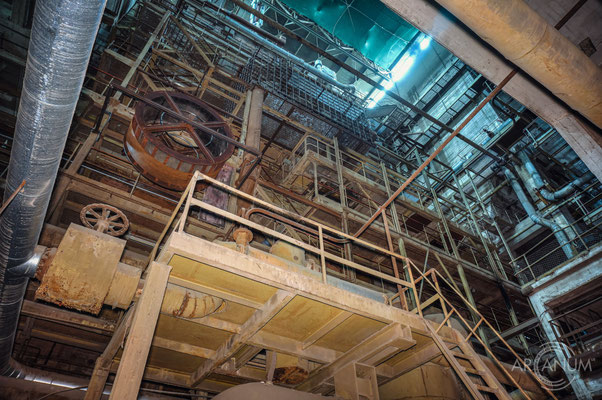
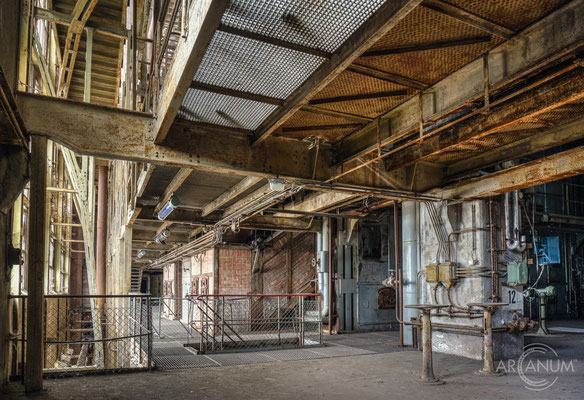
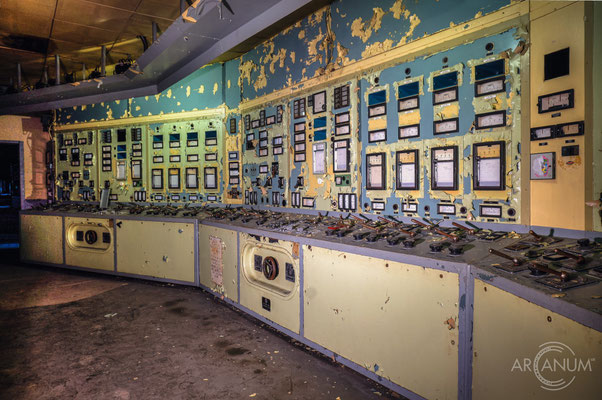
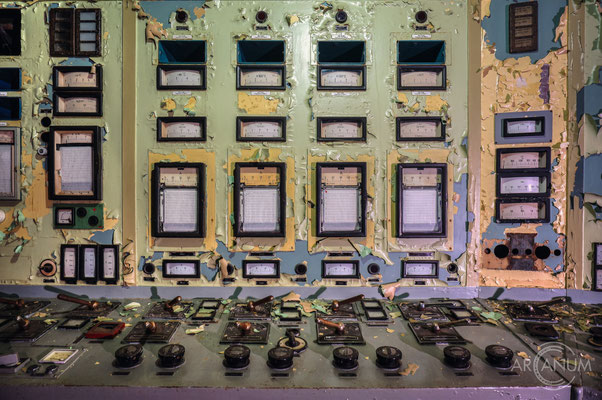
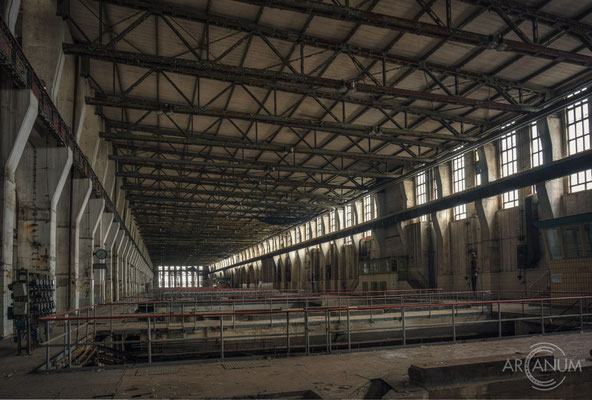
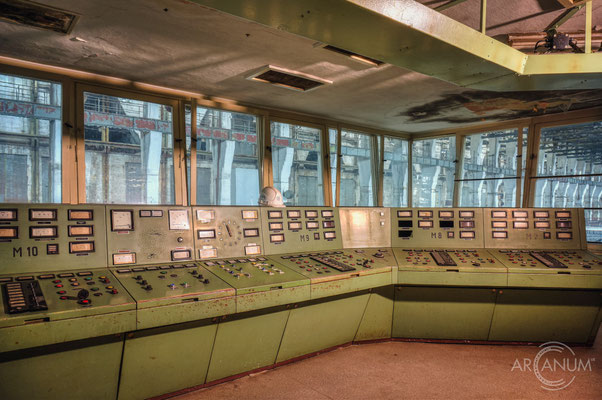
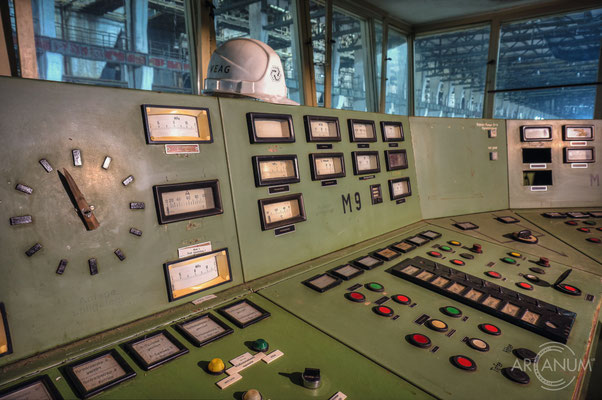
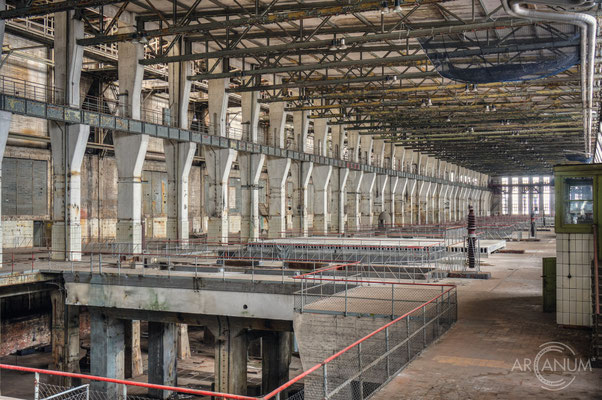
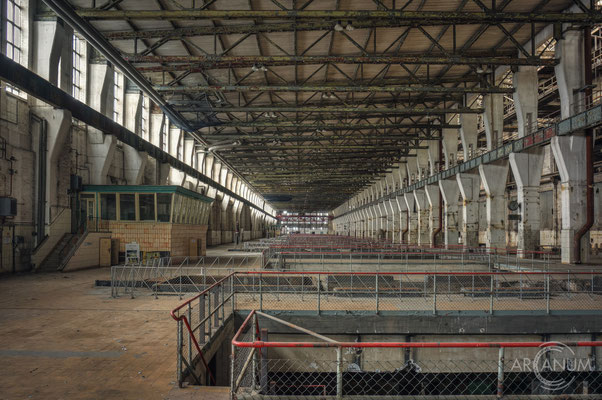
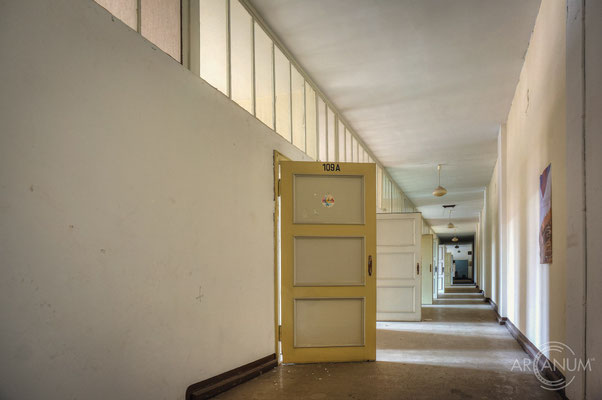
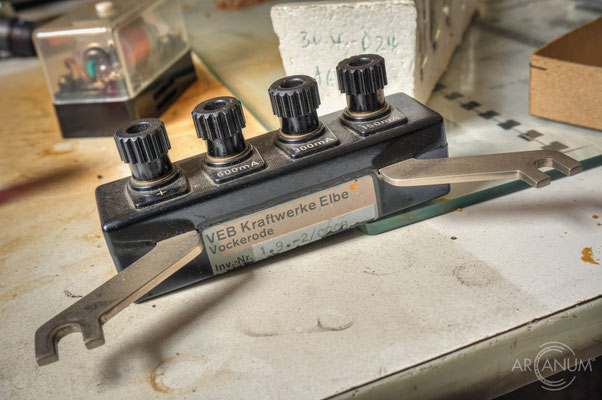
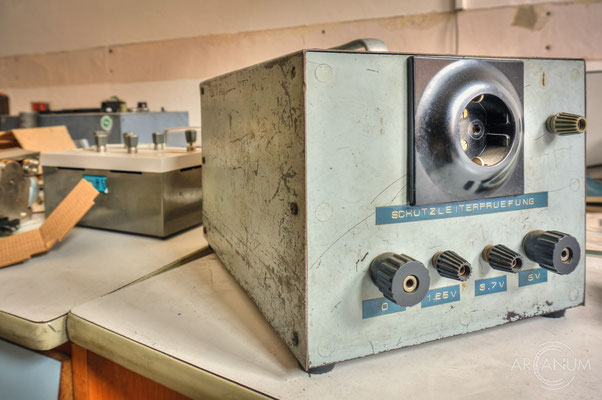
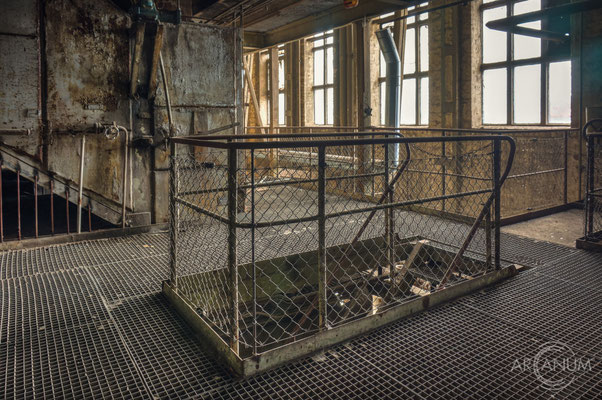
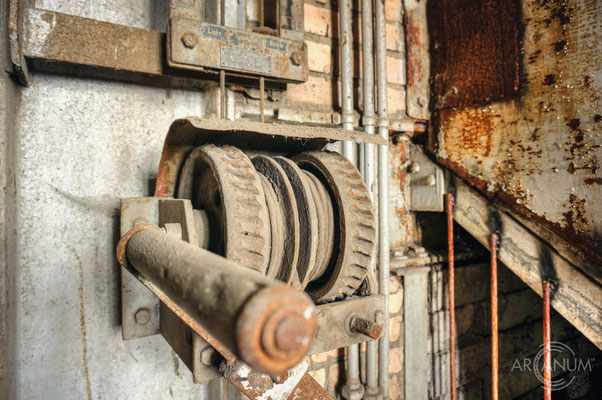
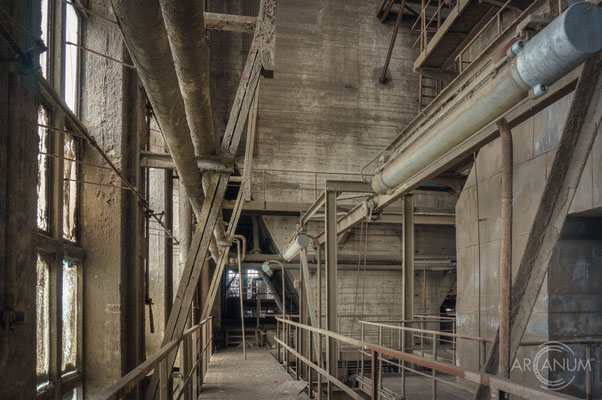
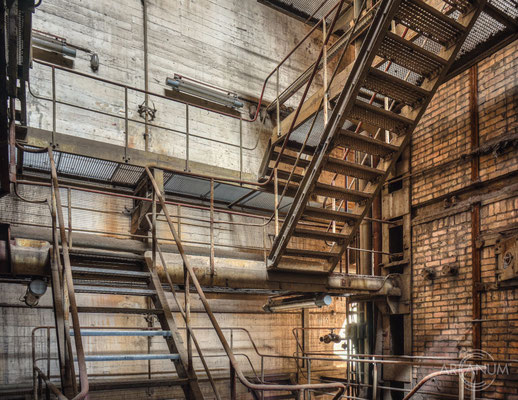
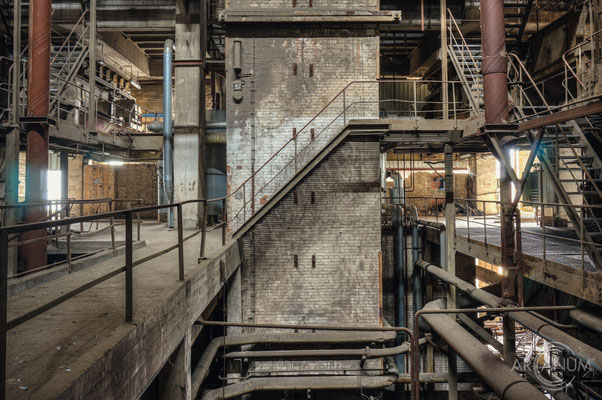
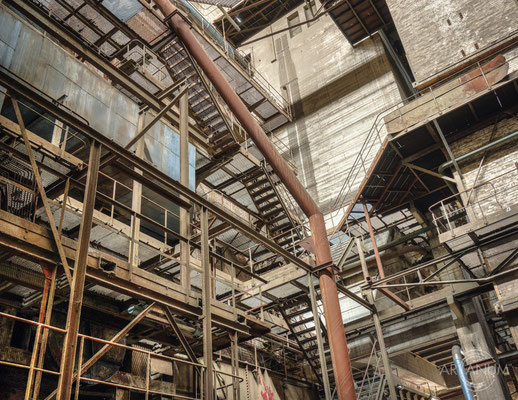
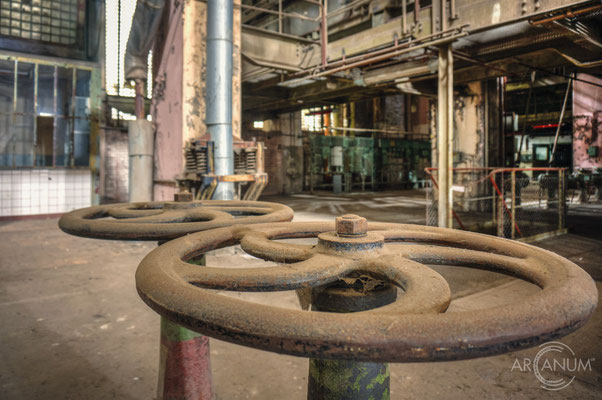
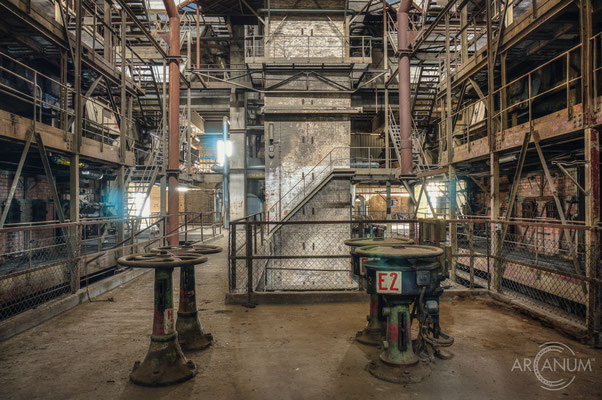
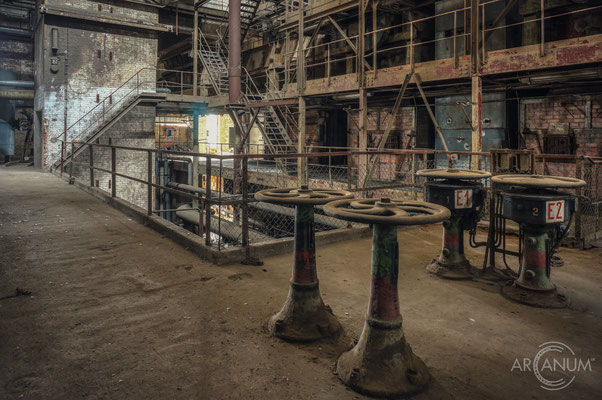
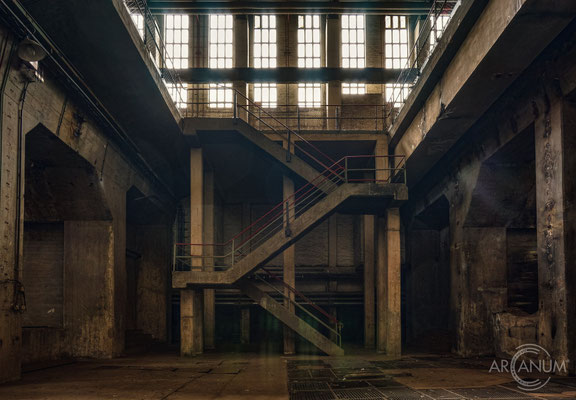
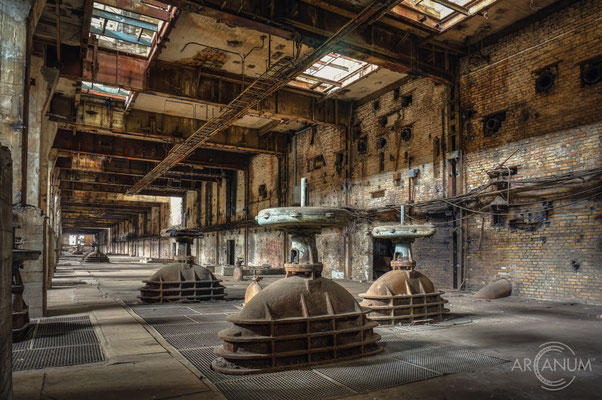
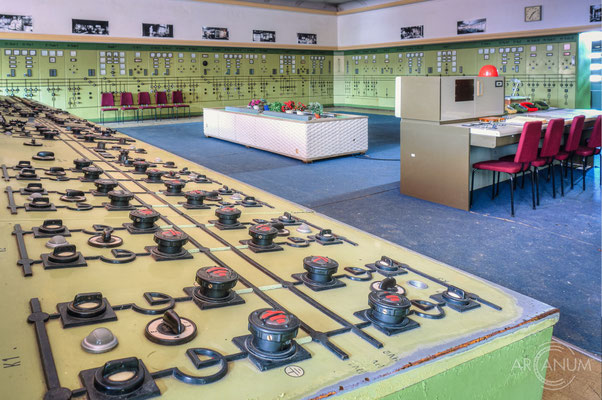
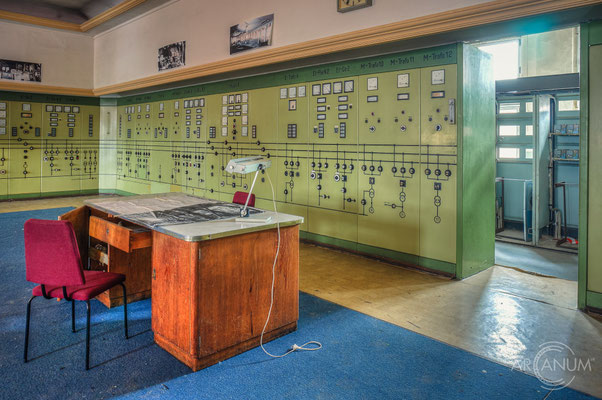
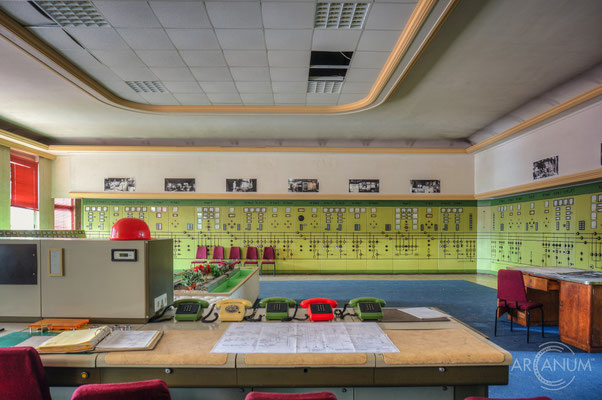
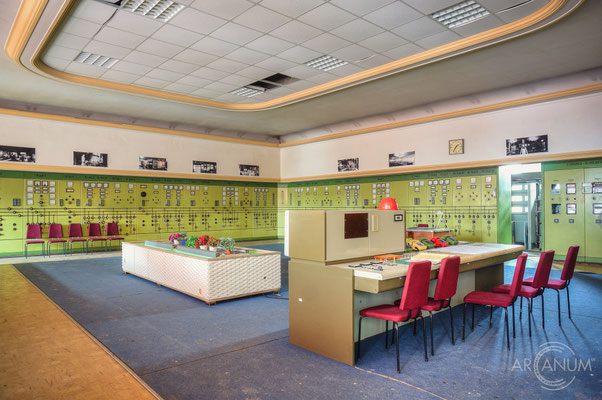
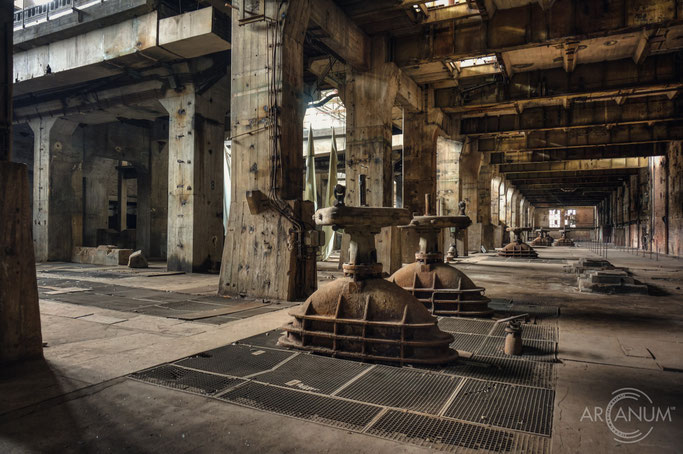
What remains today is a vast industrial relic—empty turbine halls where shafts of light cut through broken windows, rusting staircases leading to control rooms frozen in time, and the lingering scent of oil and dust embedded in concrete. For urban explorers, the site offers a rare opportunity to experience the scale and atmosphere of a once-mighty power station. The geometry of steel beams, the textures of peeling paint, and the interplay of shadow and silence create a unique aesthetic that is both haunting and beautiful.
For those with a technical or historical interest, the abandoned complex provides insight into twentieth-century energy production, industrial planning, and the broader economic history of East Germany. It stands as a reminder of how deeply energy infrastructure shapes landscapes and societies—and how quickly such giants can fall silent when political and technological paradigms shift.
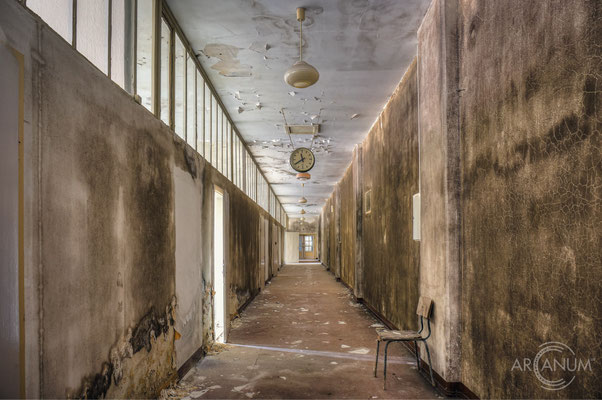
The former power station at Vockerode is more than a lost place. It is a monument to industrial heritage, a witness to political change, and a powerful backdrop for photography. Its story lives on not only in archives and engineering records, but also in the images captured by those who walk its deserted corridors today.
Visited: February 20, 2016
Location: Vockerode, Germany
Status: Abandoned