Prison 93
A Forgotten Fortress in the City
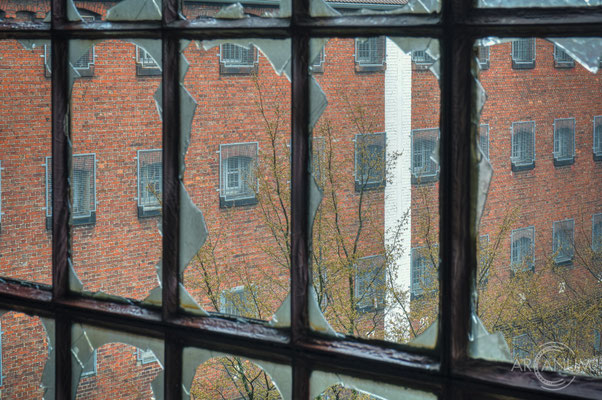
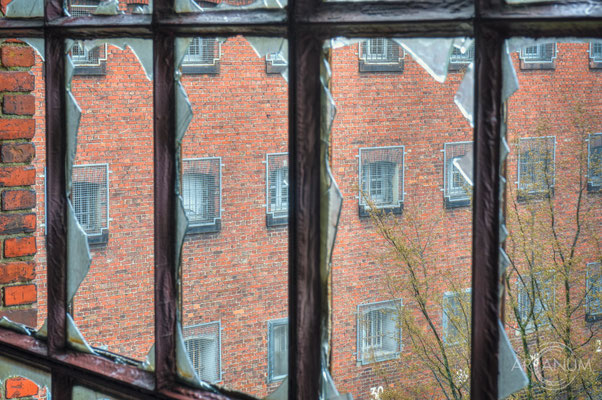
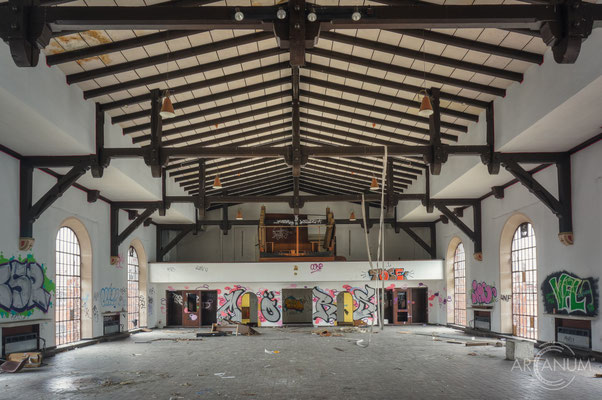
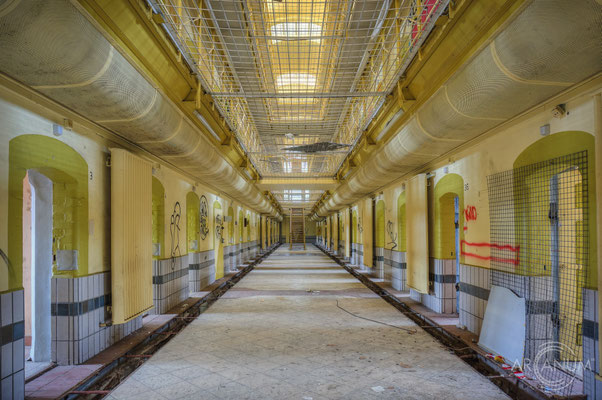
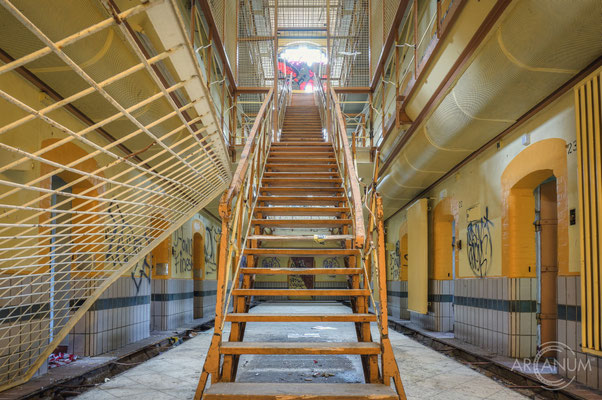
For more than a century, the former Ulmer Höh prison stood as a closed, imposing world in the middle of Düsseldorf’s Derendorf district. Hidden behind high walls and largely inaccessible to the public, it formed a stark contrast to the surrounding urban life. Built between 1889 and 1893, the complex was designed according to strict Prussian principles of order, control, and isolation. With space for over 800 inmates, multiple cell blocks, a prison hospital, administrative buildings, and even its own chapel, it functioned as a self-contained system - efficient, disciplined, and unforgiving.
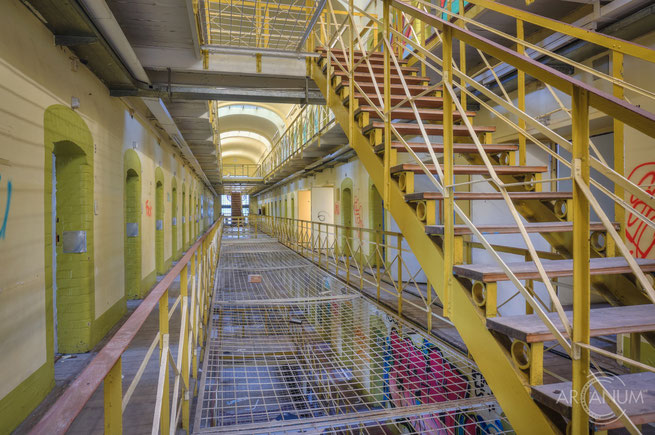
Despite its later urban surroundings, the prison retained an almost monolithic presence. Thick walls, watchful architecture, and a rigid internal layout ensured that life inside remained completely separated from the outside world.
Dark Chapters of the 20th Century
Like many institutions of its kind, Ulmer Höh bears the weight of Germany’s turbulent history. During the Nazi era, the prison became a site of political repression. Resistance fighters, dissidents, and those labeled enemies of the regime were imprisoned here. Many were later transferred to concentration camps, and some never returned.
Particularly grim was the role of the prison hospital, where forced sterilizations and other medical crimes took place. Air raids during World War II also left their mark on the site, adding physical destruction to its already heavy historical burden.
Even after 1945, the prison continued operating, carrying its past into the post-war era with only gradual modernization.
Decline and Closure
By the early 21st century, the aging complex had become outdated. Its structure no longer met modern standards for correctional facilities, and maintaining it grew increasingly impractical. In February 2012, after nearly 120 years of continuous use, the prison was officially closed. The remaining inmates were transferred to a new, modern facility outside the city.
With that, the Ulmer Höh fell silent.
The Lost Place Years
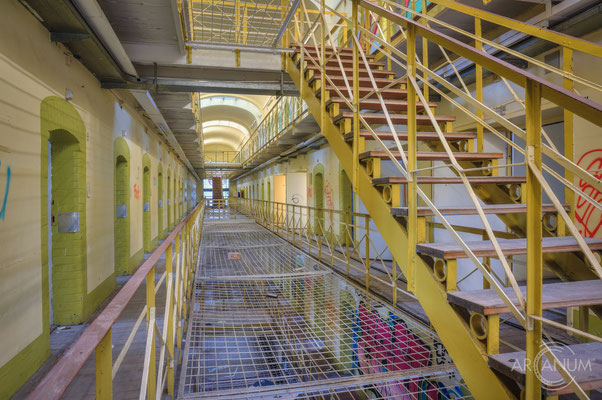
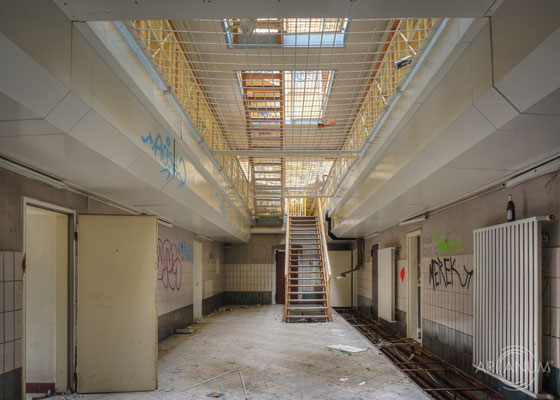
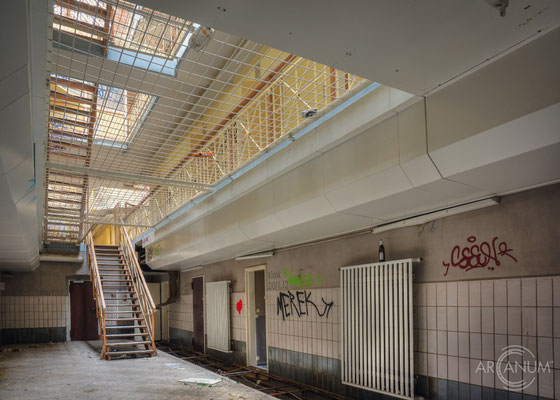
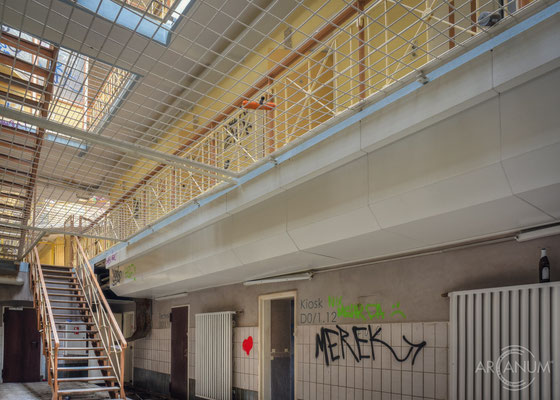
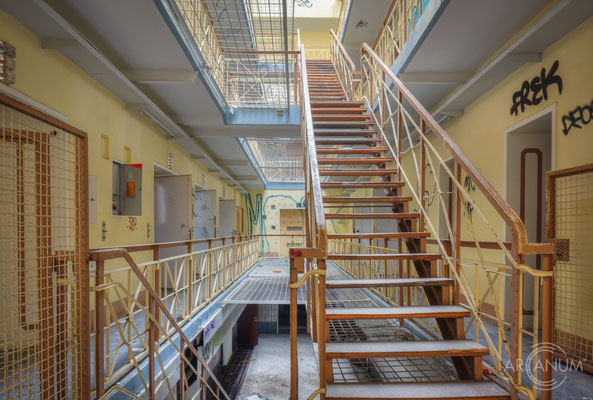
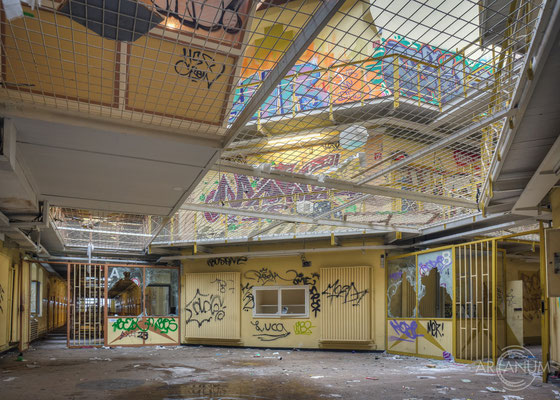
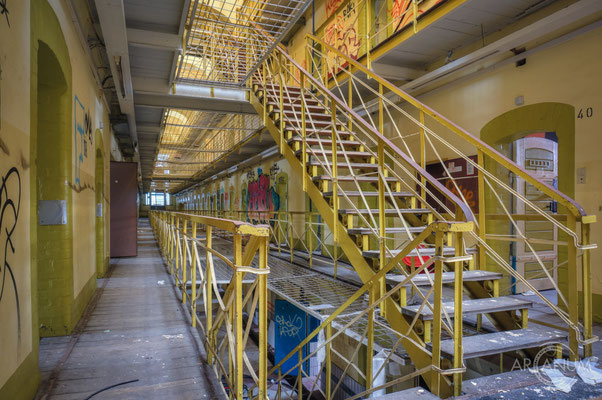
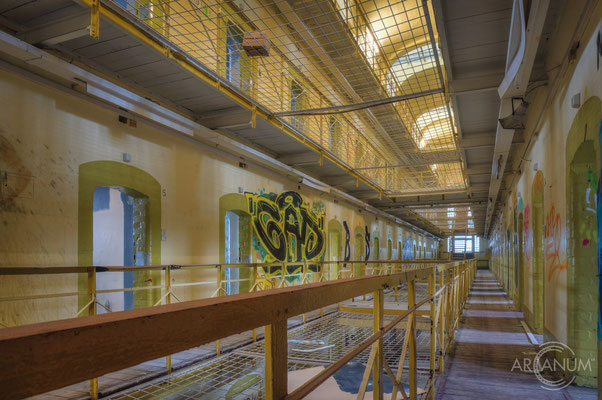
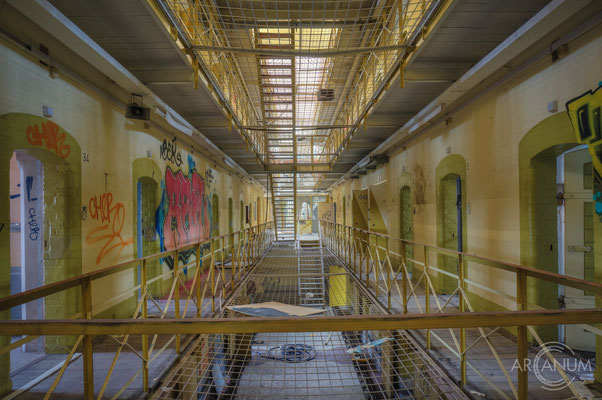
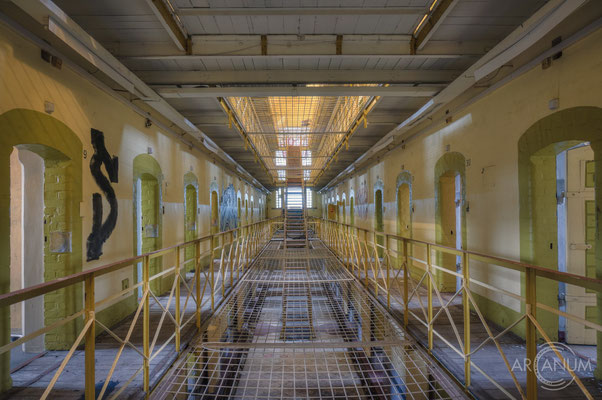
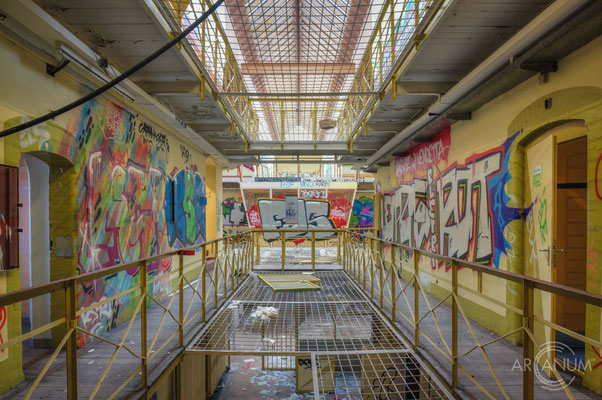
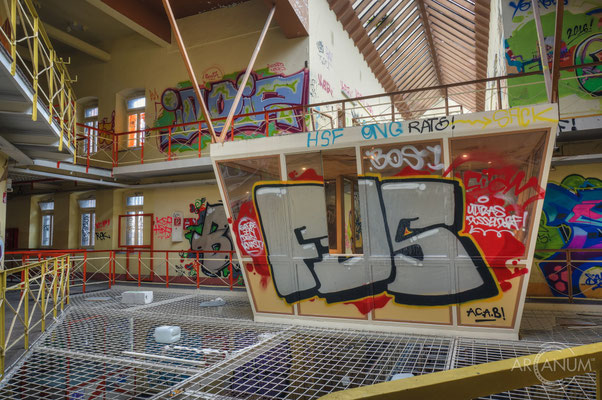
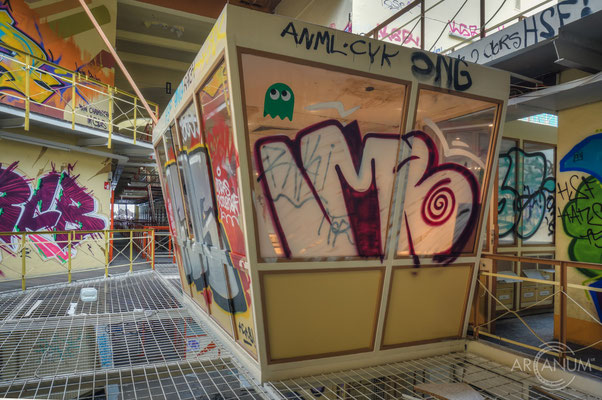
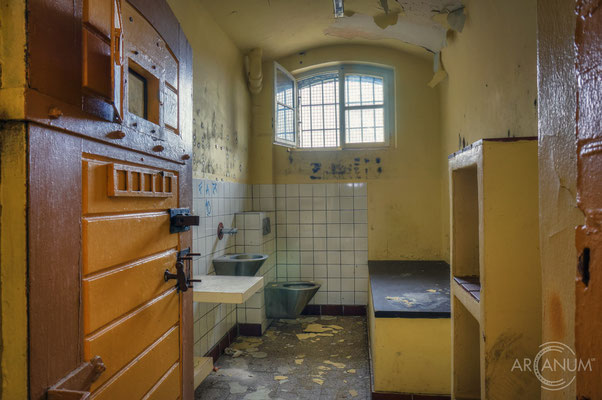
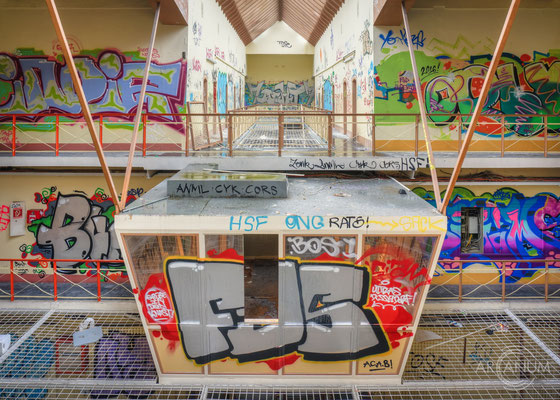
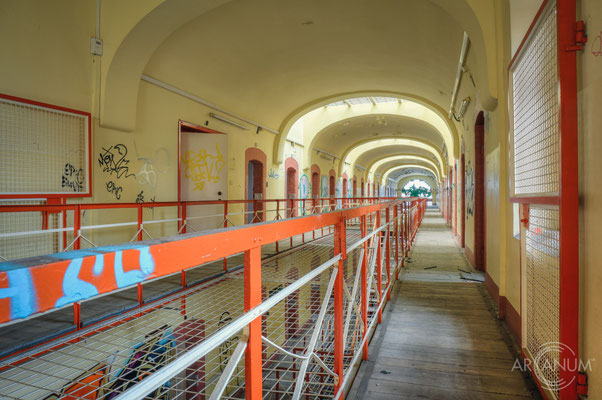
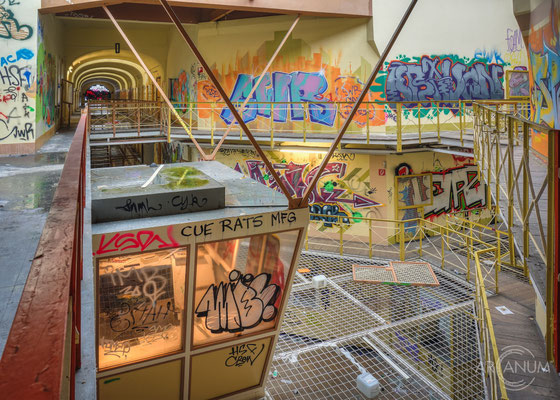
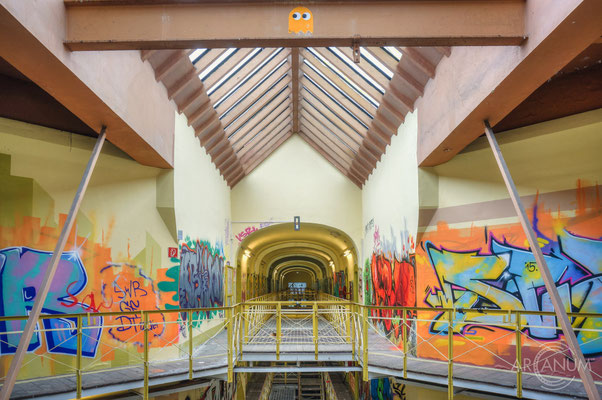
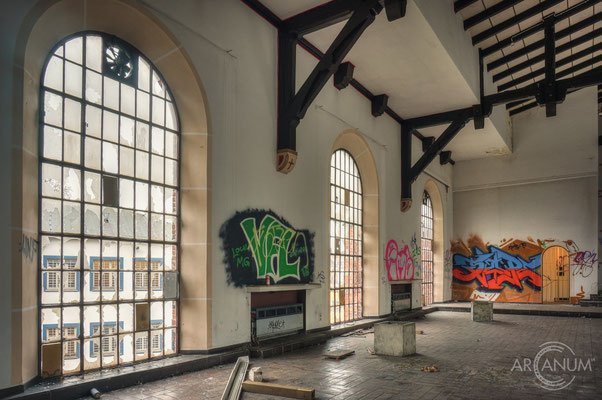
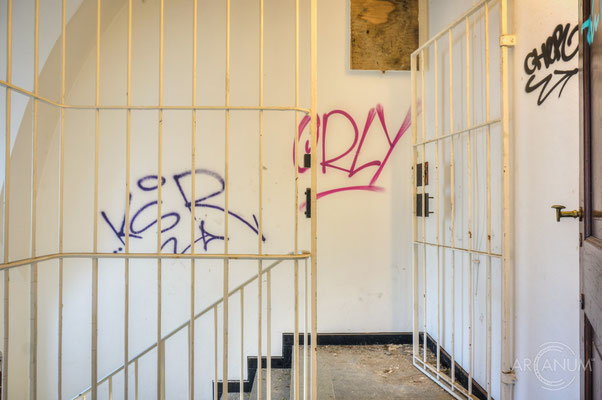
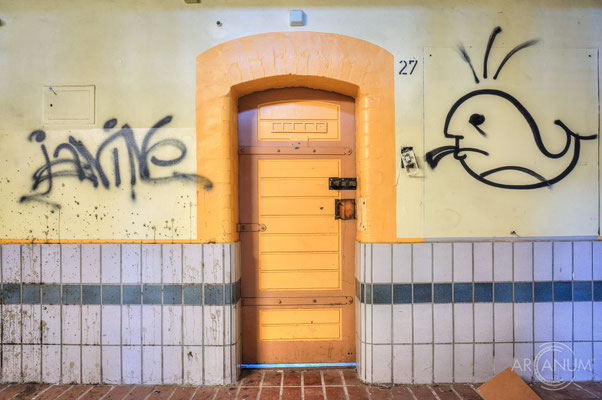
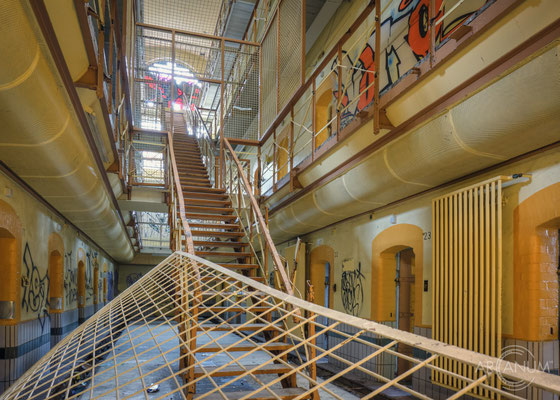
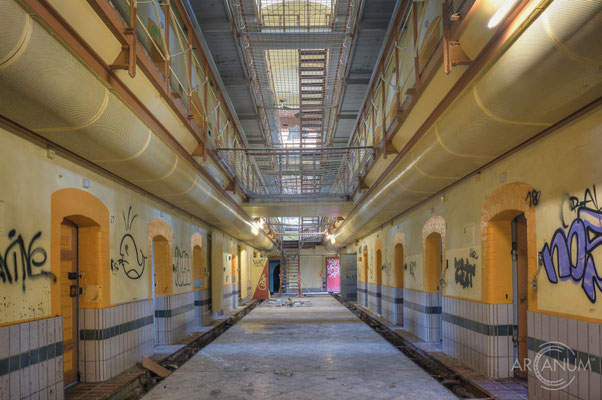
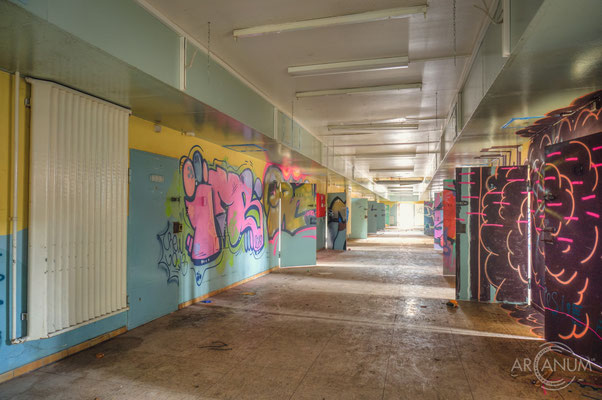
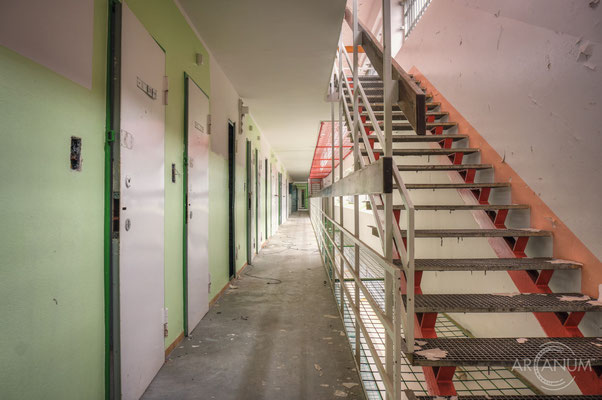
For several years after its closure, the site entered a phase that many urban explorers would recognize instantly: abandonment. Left empty and unsecured in parts, the prison slowly decayed. Windows were broken, interiors vandalized, and nature began reclaiming the space.
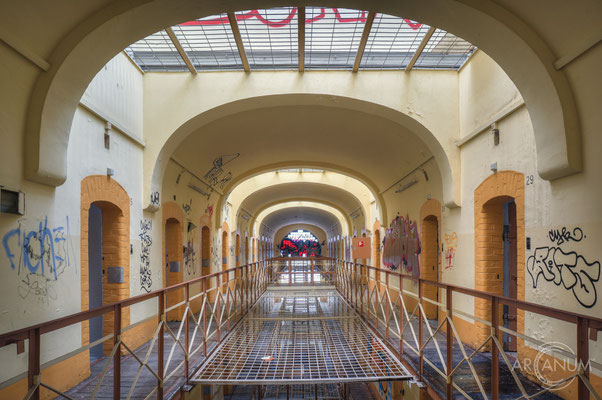
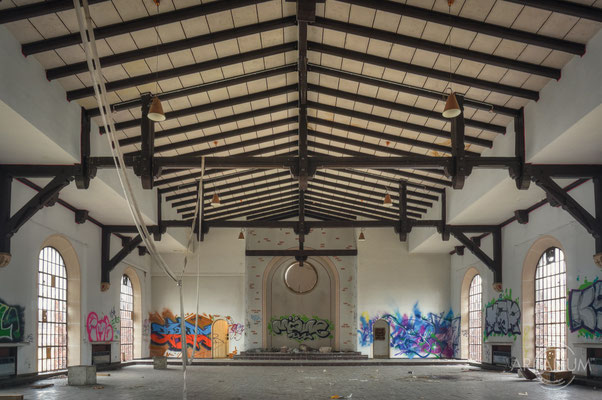
This period transformed the former prison into a true “lost place.” Its empty corridors, peeling paint, and echoing halls created an atmosphere that was both haunting and fascinating. Fires, including one in the chapel, accelerated the decay, while the site’s reputation grew among photographers and explorers drawn to its raw, untouched character.
For a brief moment in time, Ulmer Höh existed in a state between past and future—a rare window where history was still physically tangible.
Demolition and Transformation
Eventually, plans for redevelopment moved forward. Most of the original structures were demolished, erasing large parts of the historic complex. Only a few elements—most notably the chapel—were preserved as reminders of the past.
Urban planners sought to reconnect the previously closed-off area with the surrounding city. What had once been a place of confinement would be opened, reshaped, and reintegrated.
From Prison to “maxfrei”
Today, the site has been transformed into a modern residential quarter known as “maxfrei”—a name that deliberately contrasts with its former function, symbolizing “maximum freedom.”
Where prison walls once stood, new apartment buildings, green spaces, and pedestrian pathways now define the area. The development includes a mix of housing types, from subsidized apartments to privately owned residences, along with childcare facilities, small businesses, and community spaces.
Interestingly, parts of the new layout subtly echo the old structure, preserving traces of the original geometry beneath the modern design. The retained chapel serves as a quiet historical anchor amid the new construction.
A Place Between Memory and Change
The story of Ulmer Höh is one of transformation. It reflects a broader pattern seen in many cities: the conversion of isolated, often oppressive sites into open, livable urban spaces.
Yet, for those who experienced it during its abandoned years—or who explore it now through photographs—the site still carries echoes of its past. The contrast between confinement and freedom, decay and renewal, makes it particularly compelling.
For urban explorers and lost-place enthusiasts, Ulmer Höh represents more than just a former prison. It is a reminder of how quickly places can change—and how important it is to document them before they disappear.
Visited: March 25, 2016
Location: Düsseldorf, Germany
Status: Demolished