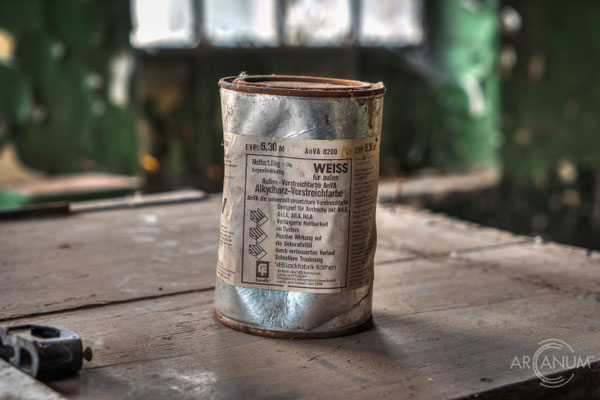
Railyard M.
The Rise and Fall of the Merseburg Railway Depot
Hidden among overgrown tracks and fading industrial structures lies a place that once pulsed with steam, steel, and relentless motion: the former railway depot of Merseburg. Today, it stands as a quiet relic - part ruin, part time capsule - offering urban explorers and railway enthusiasts a rare glimpse into over a century of railway history.
Origins in the Age of Steam
The Merseburg depot was established in the early 20th century, around 1903–1906, during a period of rapid industrial expansion in central Germany. As freight traffic increased - driven largely by nearby chemical plants and lignite mining - the railway infrastructure in Merseburg had to grow accordingly.
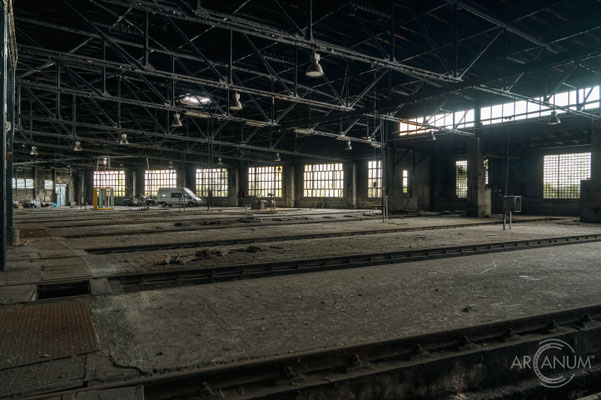
At the heart of the depot stood a classic roundhouse with an adjoining turntable, designed to service steam locomotives. These machines required constant maintenance: coal refueling, water replenishment, ash removal, and mechanical inspection. The depot quickly became an essential operational hub, especially for freight transport.
Industrial Growth and Wartime Survival
With the founding of the Deutsche Reichsbahn in 1920, the depot became part of a centralized railway system. Its importance grew alongside the industrial boom of the region, particularly due to the nearby Leuna and Buna chemical works.
Despite heavy bombing raids on Merseburg during World War II, large parts of the depot - especially the roundhouse - survived. This makes the site all the more remarkable today, as some of its structures date back well over a century.
From Steam to Diesel: The Slow Decline
After the war, the depot continued operations under East Germany’s state railway system, also called Deutsche Reichsbahn. However, the post-war decades brought technological change. Steam locomotives were gradually replaced by diesel engines, which required less maintenance and infrastructure.
By December 31, 1968, the depot lost its independence and was downgraded to a satellite facility of a larger depot in Halle. While operations continued, this marked the beginning of its gradual decline. The site was no longer a full-service depot—just a supporting outpost.
Final Years and Abandonment
Even into the 1990s, after German reunification, the depot still saw limited use - mainly for fueling and parking diesel locomotives. But modernization and restructuring under the Deutsche Bahn AG made small, decentralized facilities like Merseburg obsolete.
Around the turn of the millennium, operations ceased entirely.
What remained was a sprawling, 35,000-square-meter site - silent, unused, and slowly being reclaimed by nature.
The Site Today: A Lost Place
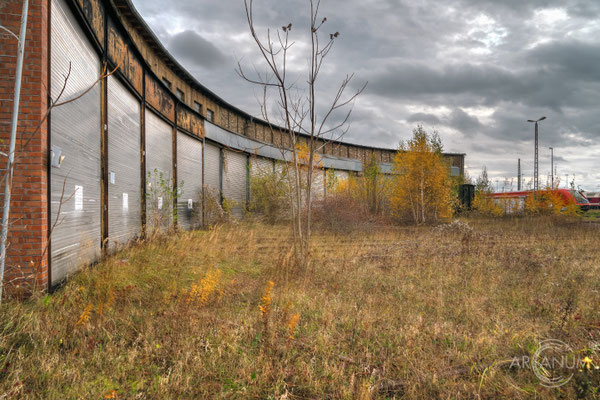
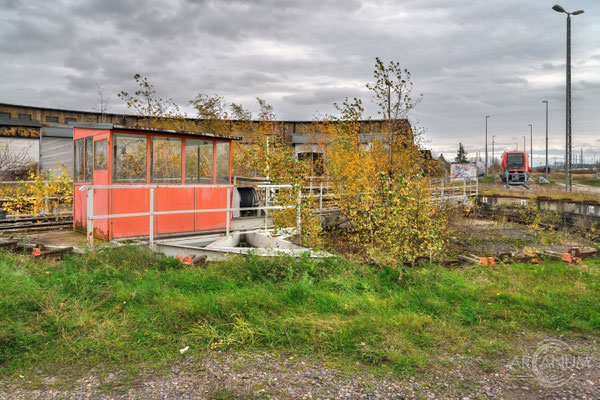
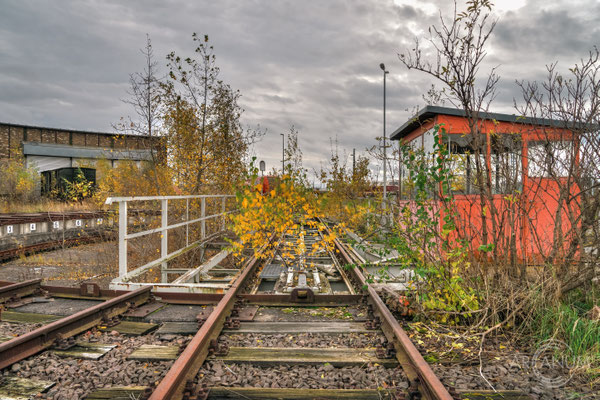
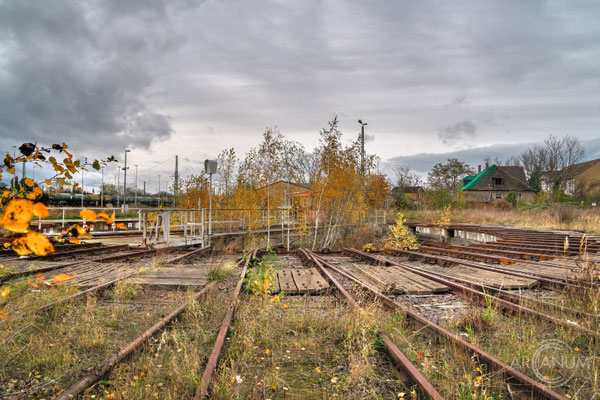
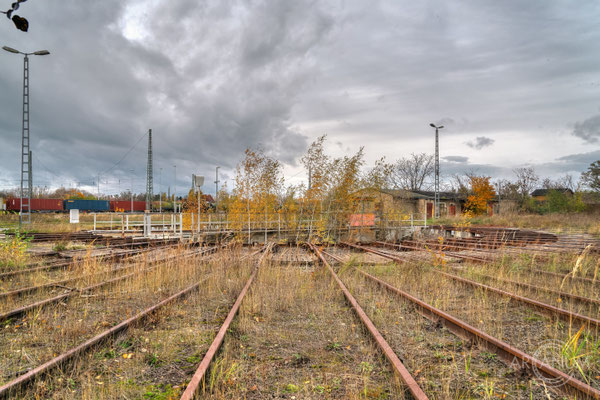
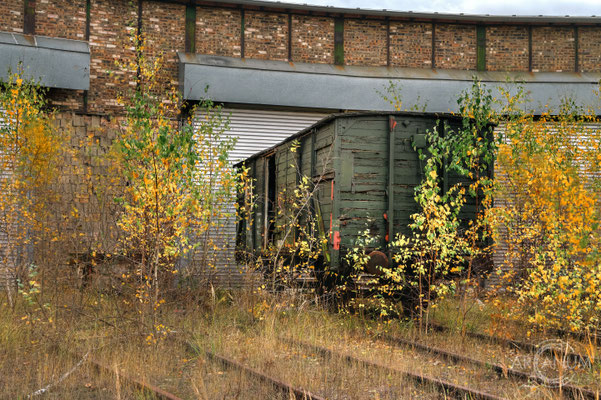
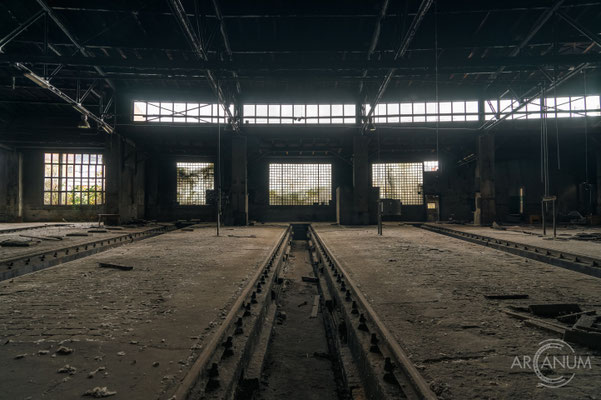
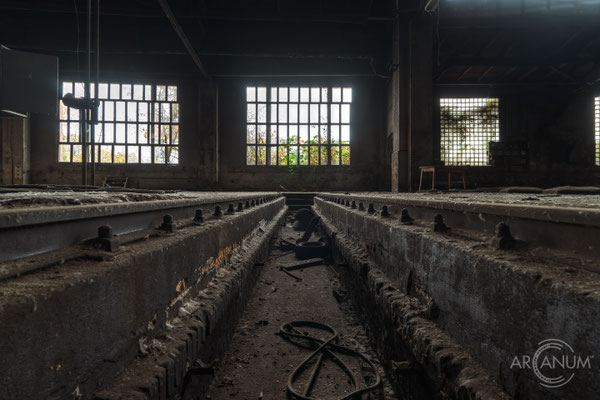
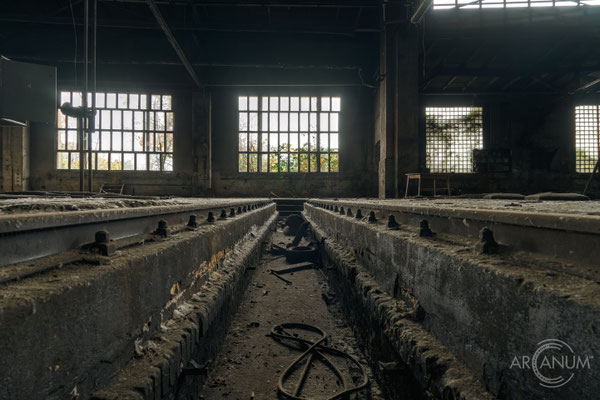
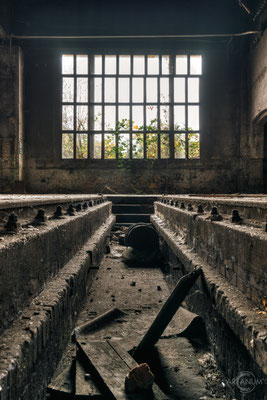
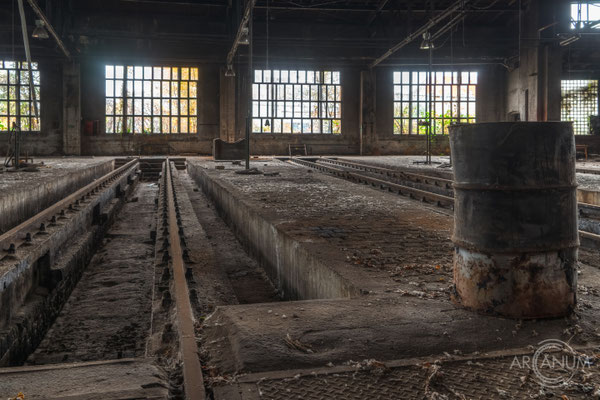
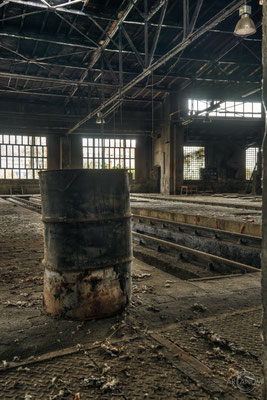
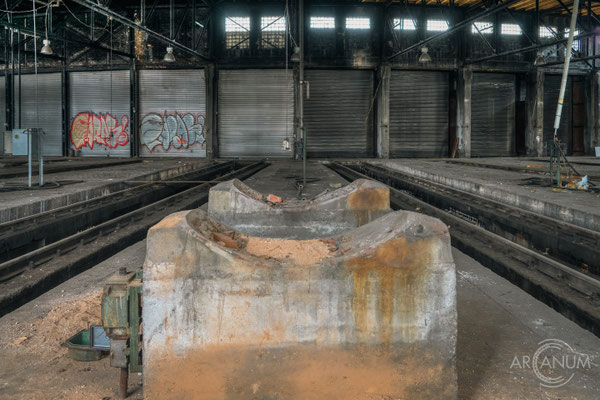
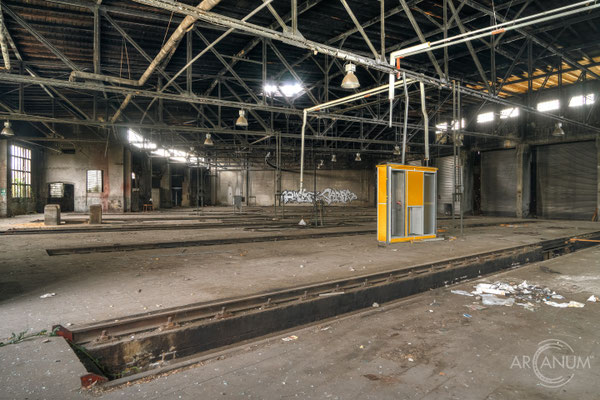
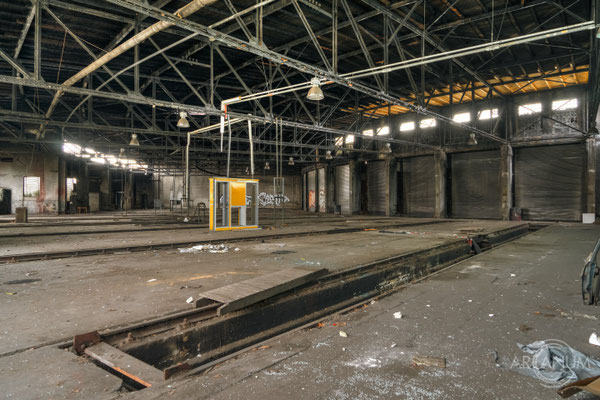
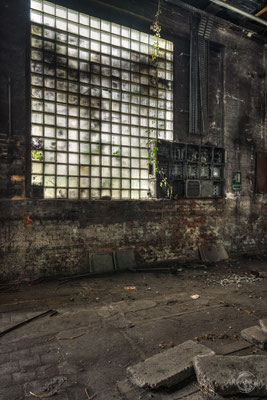
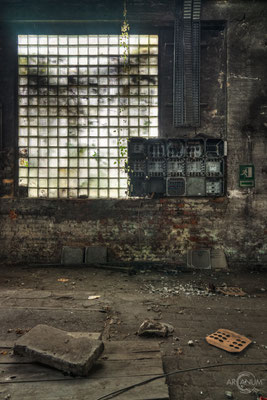
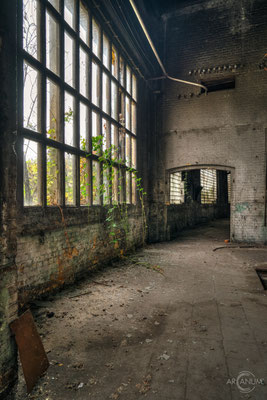
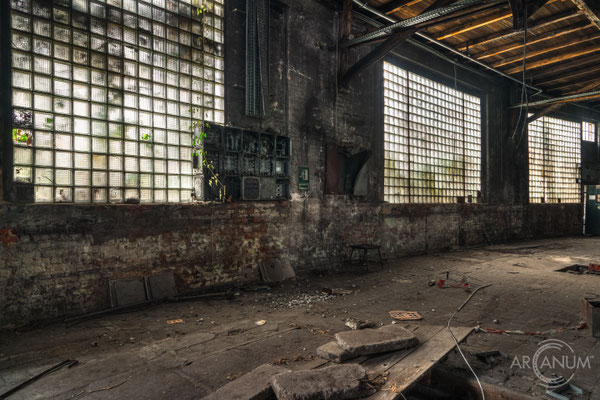
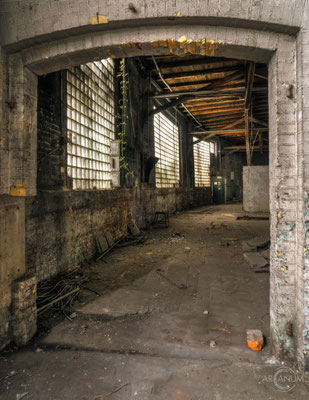
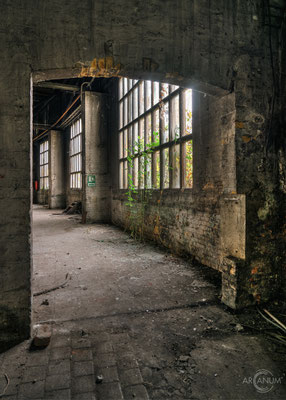
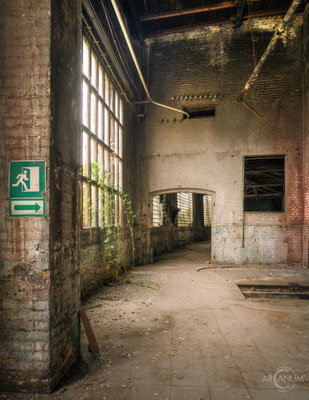
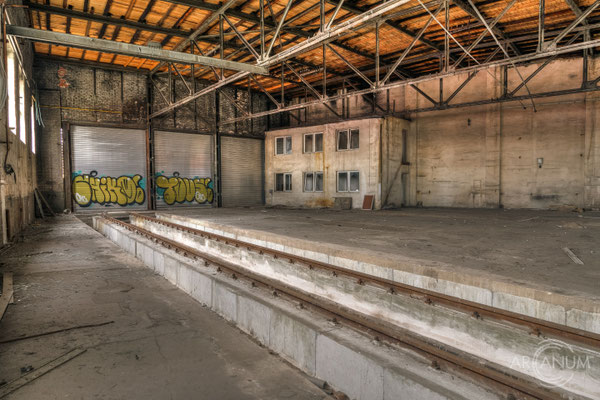
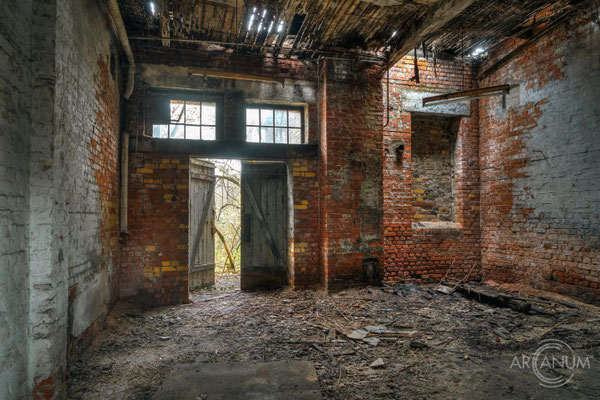
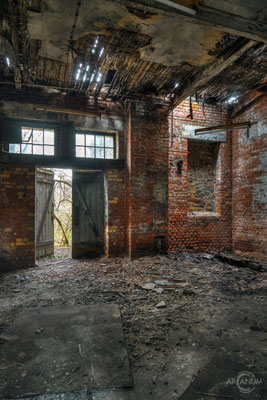
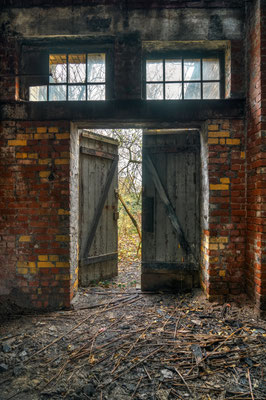
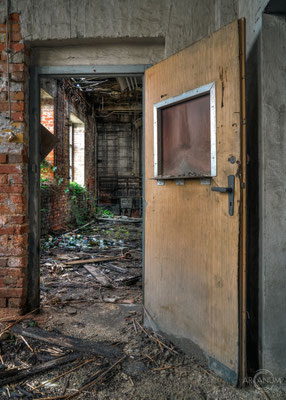
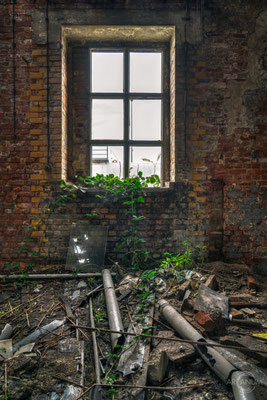
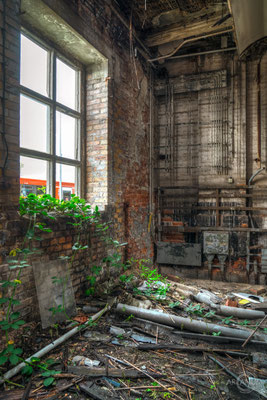
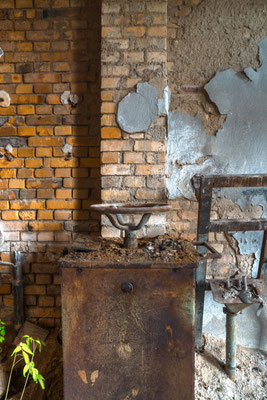
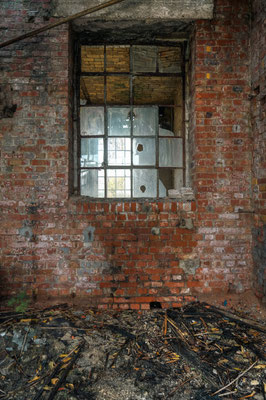
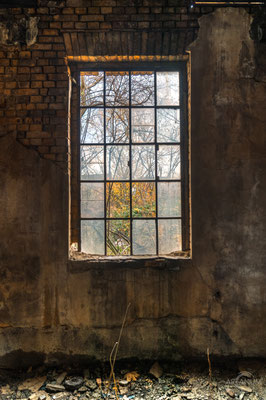
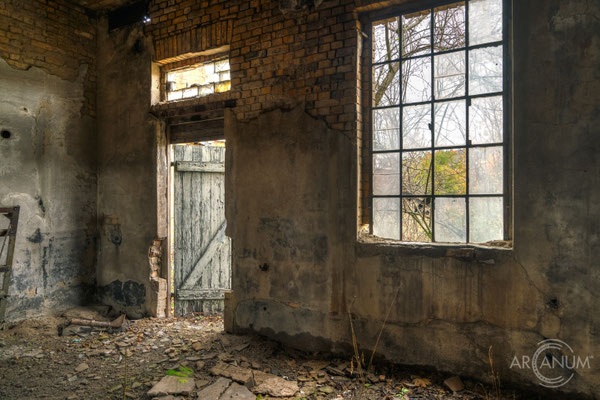
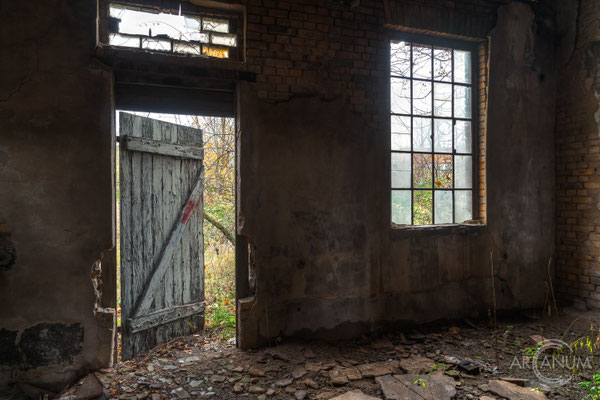
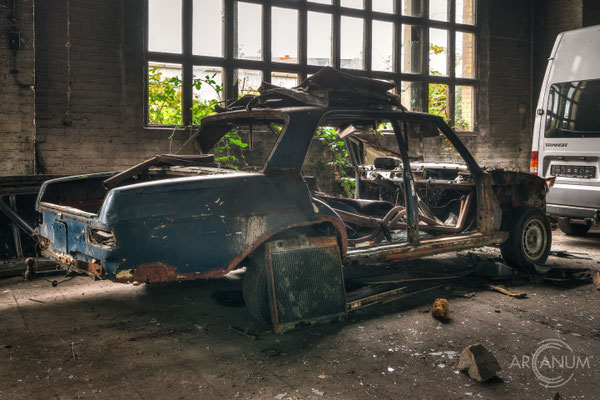
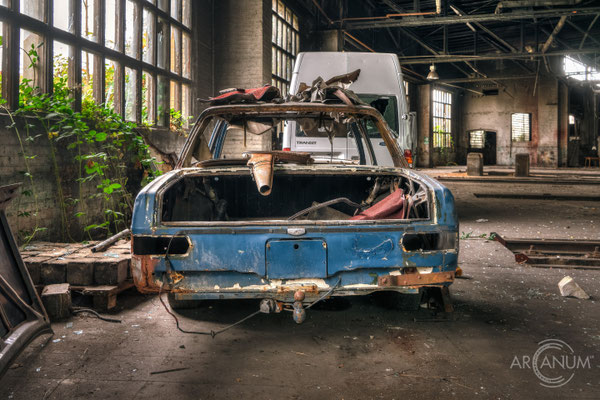
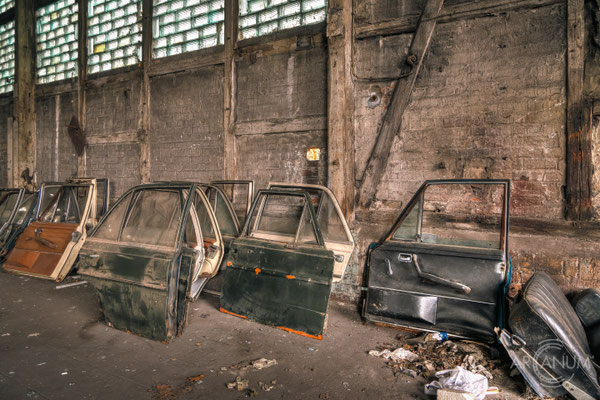
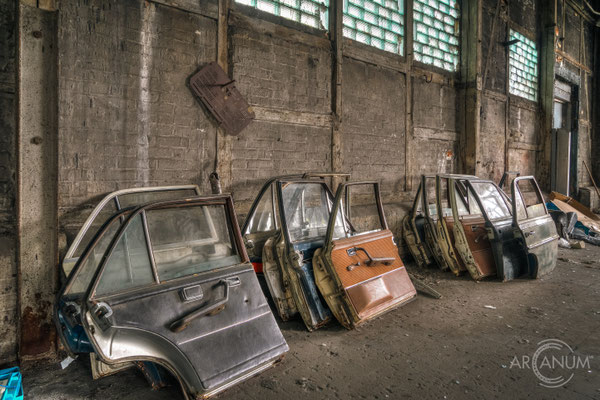
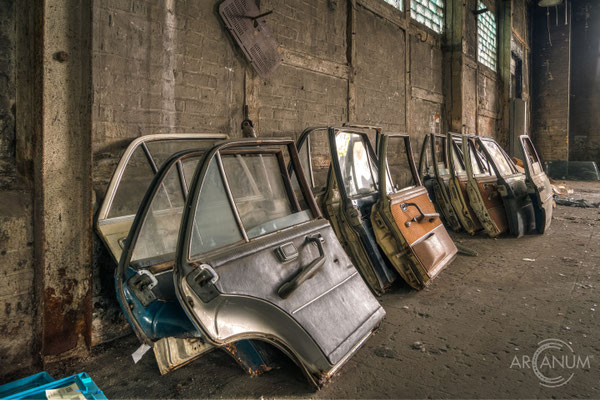
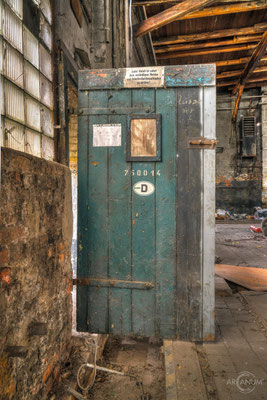
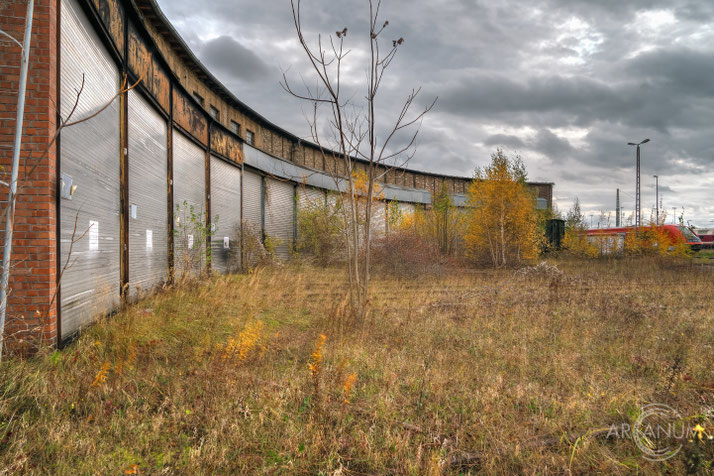
Today, the former Merseburg depot is a striking “Lost Place.” The roundhouse still stands, its brickwork weathered, its doors broken or missing. The turntable, once the pivot point of daily operations, lies rusting in place.
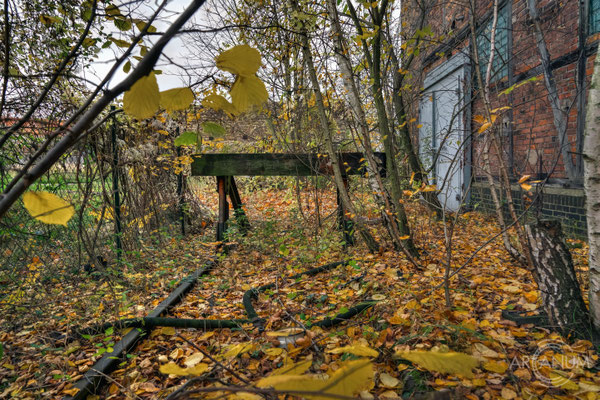
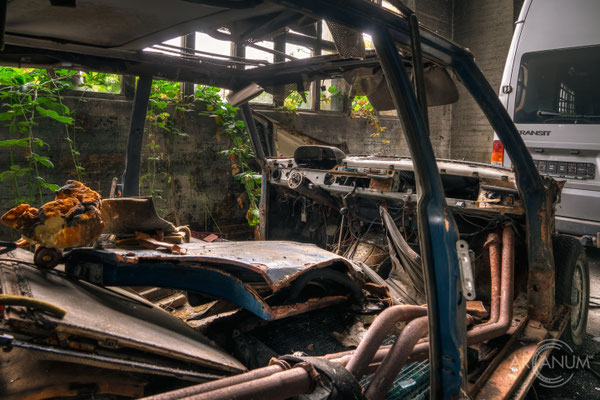
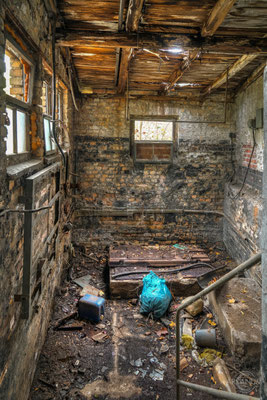
Vegetation pushes through cracked concrete. Tracks disappear into grass and shrubs. The atmosphere is both calm and haunting - an ideal setting for urban explorers, photographers, and anyone drawn to forgotten industrial heritage.
There have been attempts to sell or repurpose the site, but so far, it remains largely untouched.
Recent satellite imagery reveals subtle but irreversible changes: the historic turntable - once the mechanical heart of the depot - has disappeared. These are not signs of restoration, but of quiet erasure. As railway infrastructure around Merseburg is modernized, the old depot is slowly being cleared, piece by piece, from the map
Why It Matters
The story of the Merseburg depot is not unique—but that’s exactly what makes it important. It reflects a broader pattern seen across Europe:
- rapid expansion during industrialization
- peak importance in the steam era
- decline through technological progress
- abandonment in the wake of modernization
For explorers, it offers more than decaying architecture. It’s a place where you can still feel the rhythm of an earlier age - where locomotives once hissed, workers labored, and the machinery of industry never truly slept.