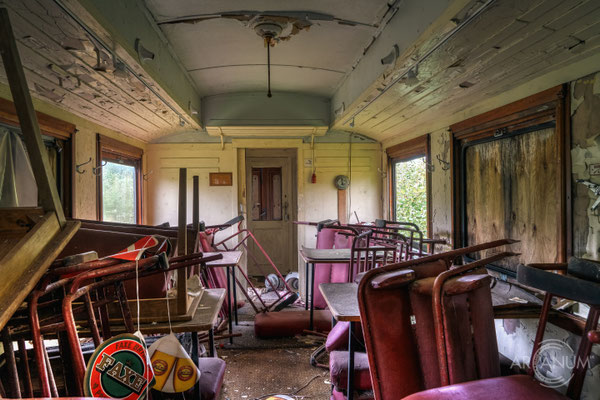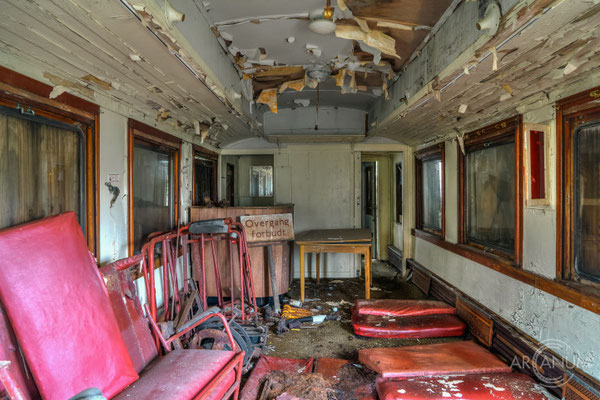
Railyard T.
A Forgotten Hub on the Edge of the Marsh
Hidden in the flat, windswept landscapes of southern Denmark, not far from the historic line of the Marschbahn, lies the decaying remains of a once vital railway facility. Today it is a place of silence, rust, and slow collapse—but its story stretches back to the great age of steam, border shifts, and industrial ambition.
Built for the Age of Steam
The site was established in 1887, at a time when railways were rapidly expanding across northern Europe. With the extension of the Marschbahn northward, a new operational hub became necessary to service locomotives running along this strategically important coastal route. Built for the steam era, the facility featured a semi-circular roundhouse, a central turntable, water cranes, coal storage, and workshop tracks—everything required to keep locomotives running in an age when maintenance was constant and labor-intensive.
A Strategic Role in a Connected Network
In its early decades, the depot operated under the German railway system and played a key logistical role. Trains moving goods and passengers between the North Sea coast, inland regions, and ferry connections depended on reliable locomotive servicing. The nearby route toward Hoyer, once linked to ferry services heading toward the island of Sylt, further increased its importance. At its peak, the site would have been alive with activity: steam engines hissing, workers moving between tracks, and the smell of coal smoke hanging in the air.
Borders Shift, Purpose Changes
Everything changed after the Schleswig Plebiscites. With the border redrawn in 1920, the region became part of Denmark, and the railway operations were taken over by the Danish State Railways. While the depot remained in use, its role gradually shifted. No longer a central node in a larger German network, it became a more peripheral installation within the Danish system.
Decline in the Diesel Era
The mid-20th century brought technological change that would ultimately seal its fate. Steam locomotives were phased out in favor of diesel and electric traction, reducing the need for large, decentralized servicing facilities. Maintenance became more centralized, and smaller depots like this one lost their relevance. By 1958, the site was officially closed as an independent railway workshop.
Decay, Reuse, and Abandonment
What followed is a familiar story for many industrial sites across Europe: partial demolition, repurposing, and eventual abandonment. Some structures were dismantled, others adapted for industrial use, and for a brief period in the late 20th century, parts of the site saw renewed activity through private railway initiatives. But these efforts were temporary.
A Relic Frozen in Time
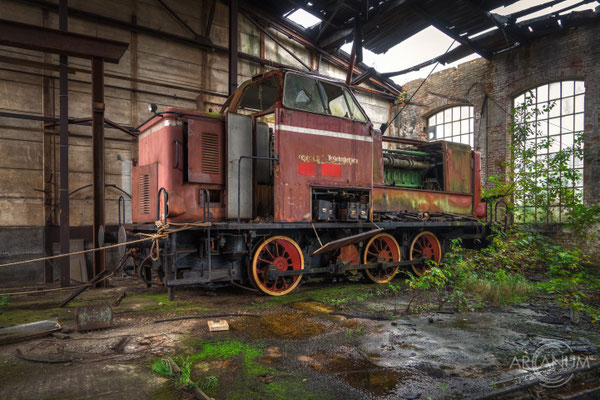
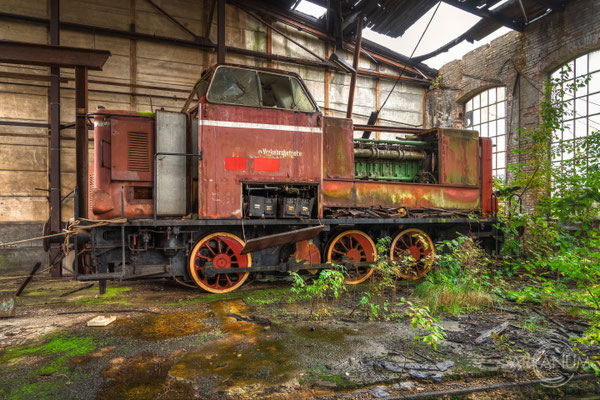
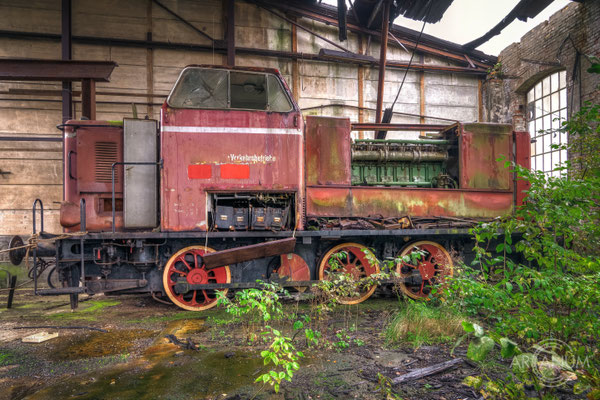
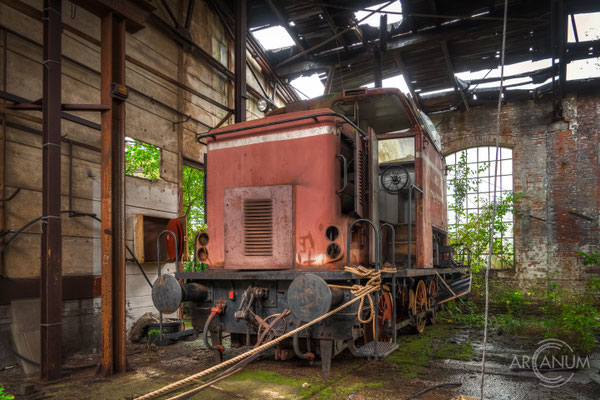
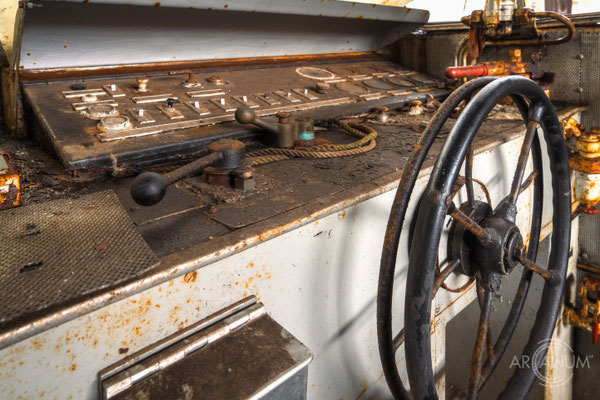
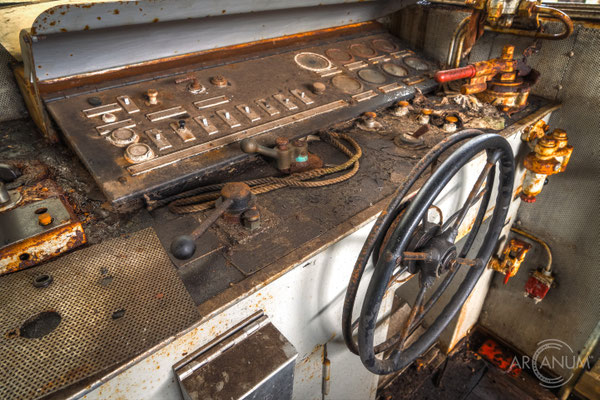
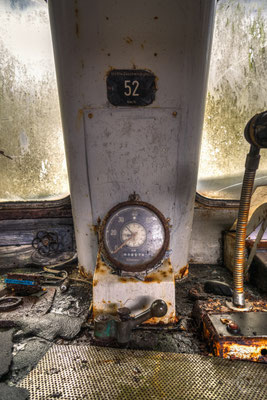
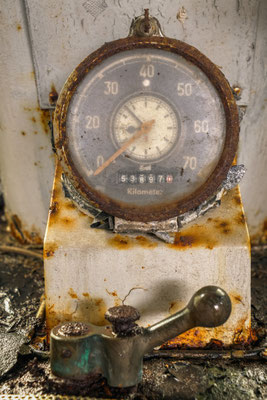
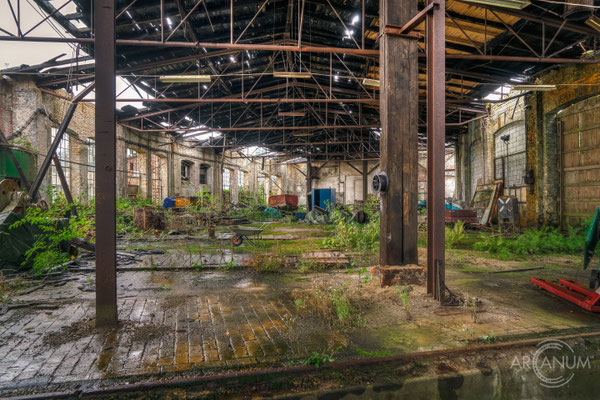
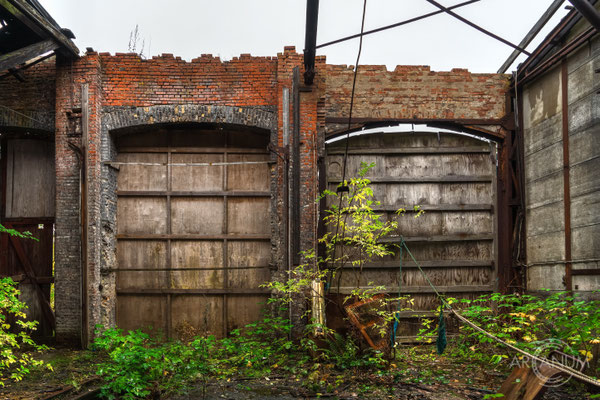
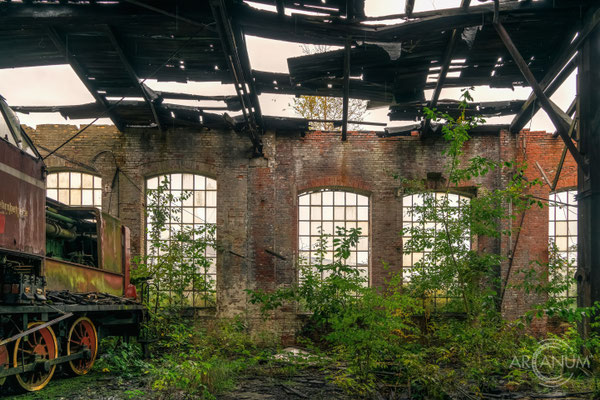
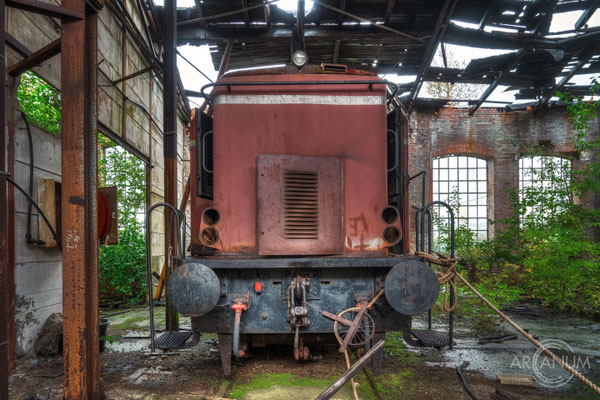
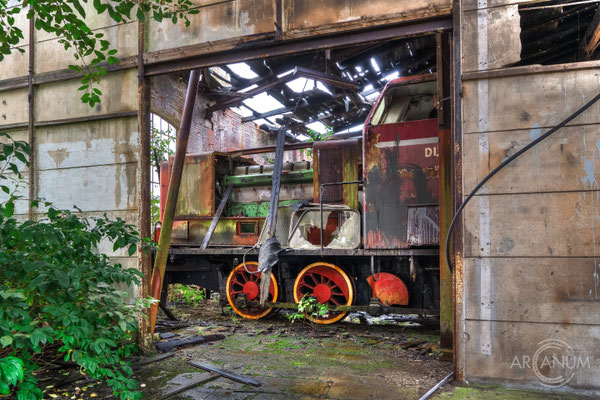
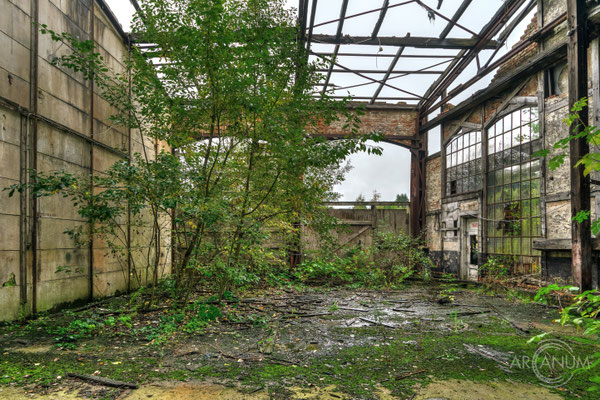
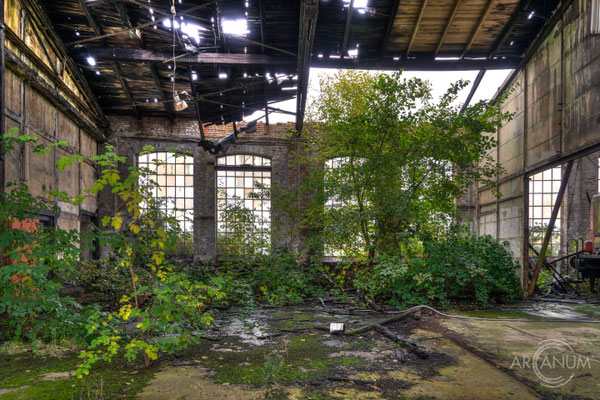
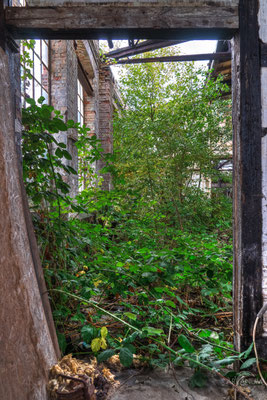
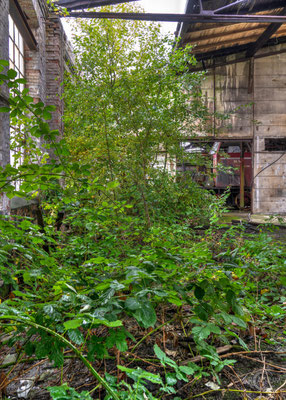
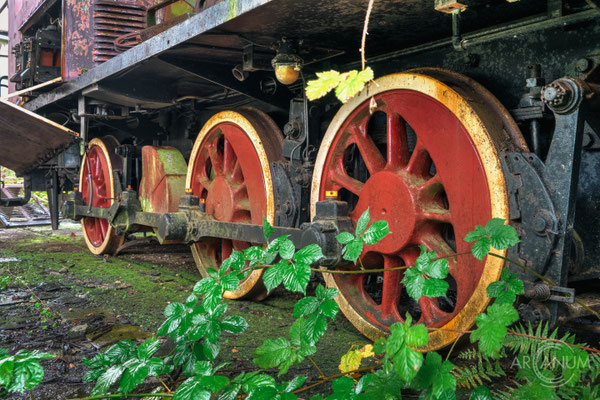
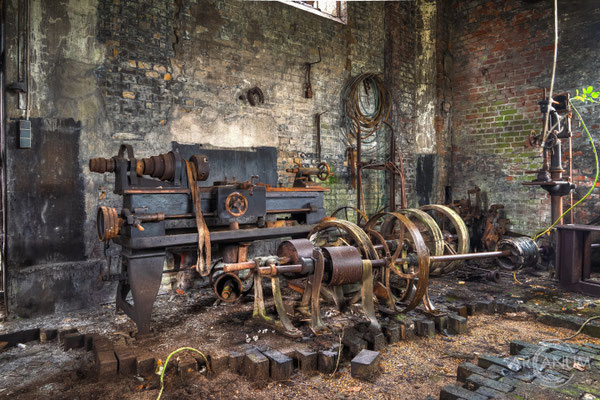
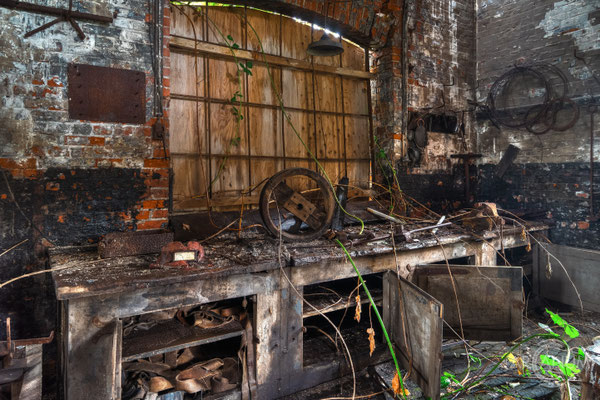
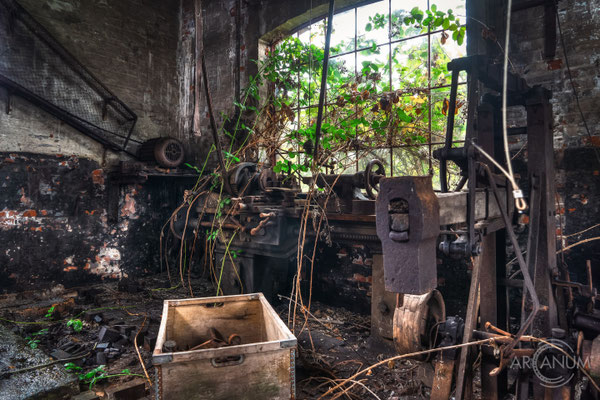
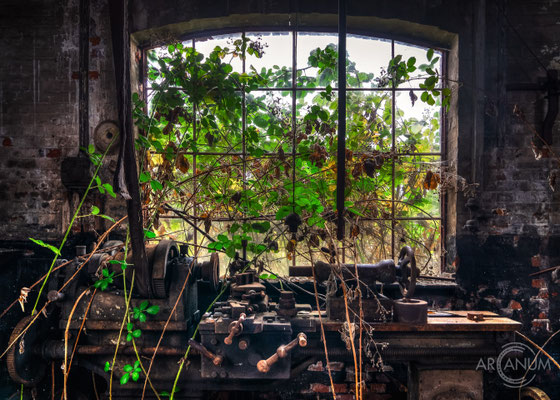
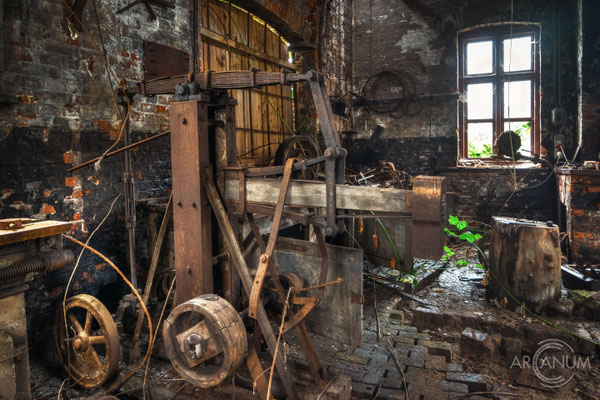
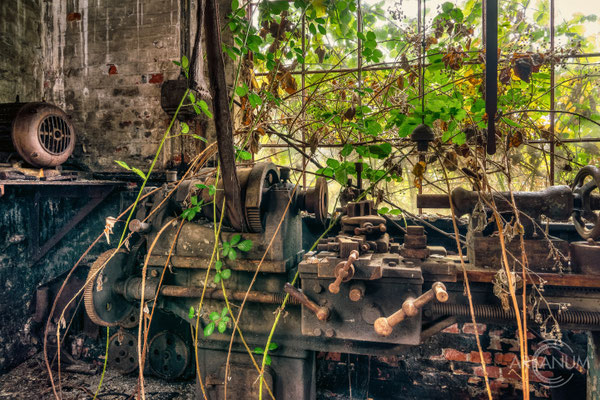
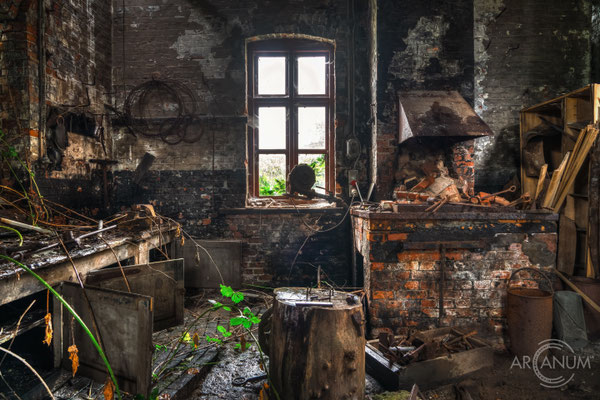
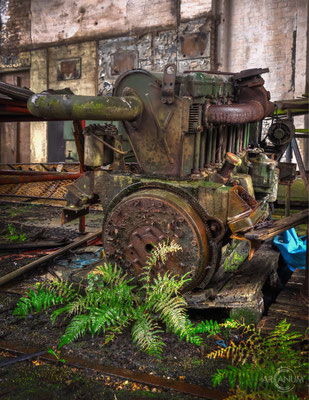
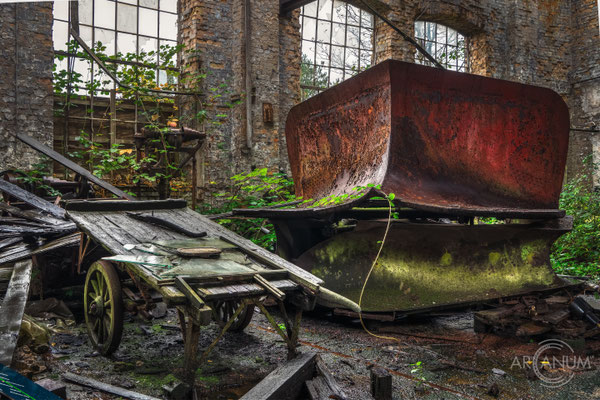
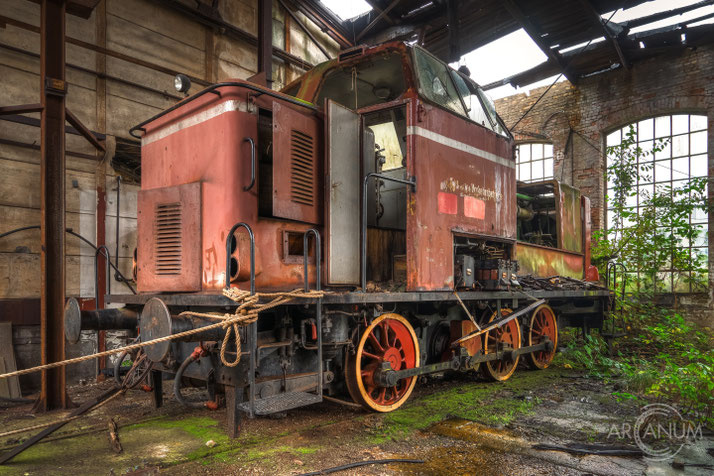
Today, the remaining buildings stand in various stages of decay. The roundhouse still rises in skeletal form, its brickwork weathered and its roof partially collapsed. Nature has begun to reclaim the tracks, pushing through concrete and steel. Inside the dim interior of the locomotive shed, one relic in particular captures the imagination of visitors: the diesel locomotive NVAG DL 1, left behind as if awaiting orders that will never come.
A Place for Explorers and Historians
For urban explorers, lost-place enthusiasts, and railway historians, the site offers a rare and atmospheric glimpse into multiple layers of history. It is not just a relic of the steam age, but also a witness to shifting borders, changing technologies, and the gradual fading of regional railway culture. Every rusted beam and broken window tells part of a story—one that continues to unfold as time slowly reclaims what industry once built.
Visited: October 17, 2021
Location: Undisclosed, Denmark
Status: Abandoned