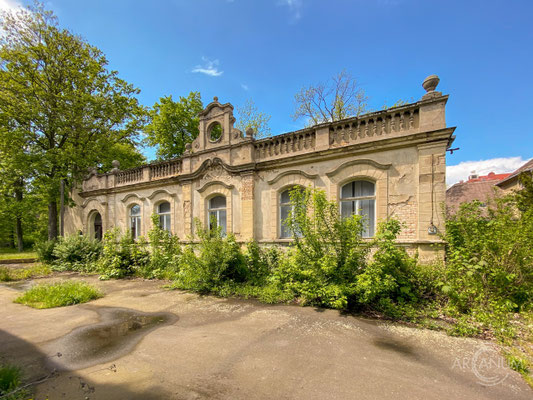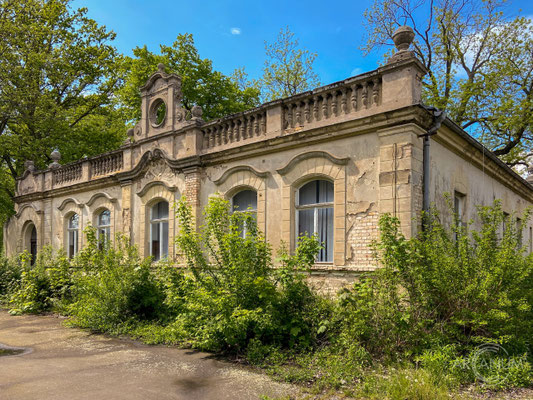
Sanatorium C.
The story of this former sanatorium reads almost like a medical time capsule - a building complex witnessing, and constantly adapting to, more than a century of changing healthcare history.
A Hospital Ahead of Its Time
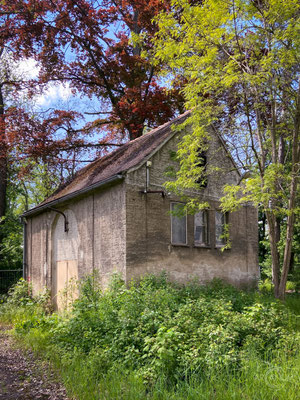
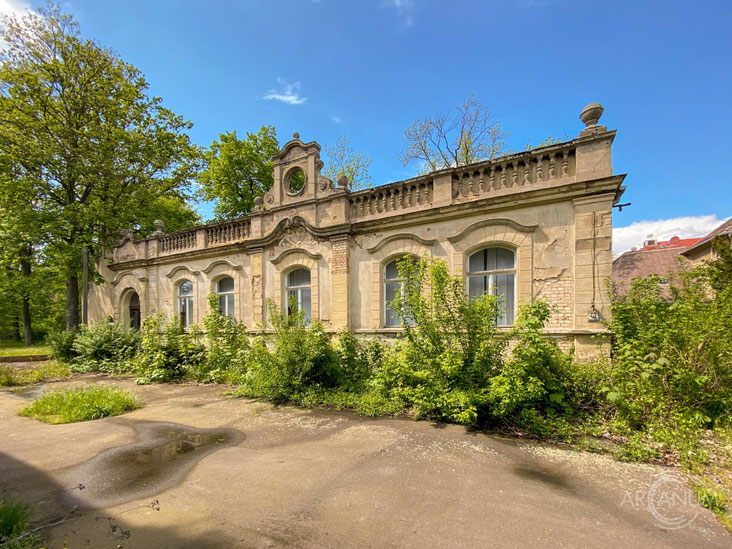
It began in the 1860s, when a determined physician founded a private treatment facility dedicated to patients with mental and neurological disorders. At a time when such individuals were often hidden away rather than cared for, the institution offered structured routines, rest, and therapeutic work — progressive ideas for its time. Word spread quickly. In just a few years, additional wings, pavilions, and service buildings were added, creating a compact yet self-sufficient campus with its own laundry, chapel, boiler house, gardens, and staff quarters.
By the early 20th century, the facility had outgrown its private origins and was taken over by a major miners’ health fund. Under its new administration, the institution transitioned into a modern hospital with standardized procedures, trained nursing personnel, and improved infrastructure. Gone were the days of improvised care — this was now a professionally run medical establishment that treated not only long-term psychiatric patients but also acute physical ailments.
When Peaceful Corridors Became War Wards
History, however, had other plans. When the Second World War erupted, the hospital was requisitioned and converted into a reserve military hospital almost overnight. Entire wards were refitted for trauma treatment; auxiliary clinics were set up in neighboring settlements to handle the influx. Contemporary accounts speak of hundreds of beds lined up in rows, corridors filled with makeshift cots, and medical staff working around the clock to treat the wounded arriving from distant fronts.
The Long Fight Against a Silent Enemy
After the war, the building did not rest. Instead, it entered yet another phase of reinvention. Initially used to house displaced civilians and injured returnees, it was soon repurposed as a specialized clinic for tuberculosis — not the pulmonary kind most people associate with the disease, but skeletal tuberculosis, affecting bones and joints. Patients often stayed for months or years, undergoing immobilization, surgery, and painstaking physiotherapy. For many, the long avenues between the pavilions became both their walking paths to recovery and their stage of daily endurance.
The post-war decades brought both success and decline. Medical treatments improved, antibiotics became more effective, and the number of tuberculosis patients steadily dropped. What had once been a vast, bustling sanatorium suddenly felt oversized. In the 1960s, the independent institution was formally dissolved and integrated into a larger hospital network. Some departments — like internal medicine and gynecology — continued to operate there for a time, but gradually, activity diminished.
Half in Use, Half in Silence
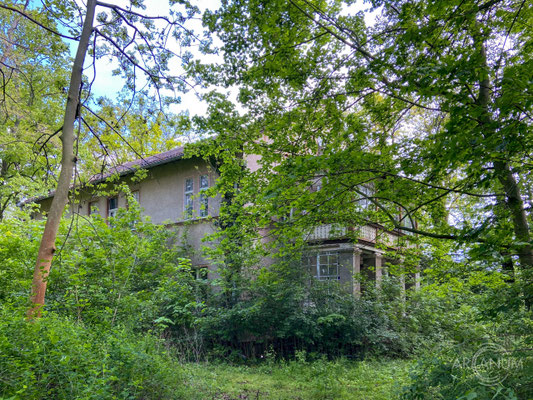
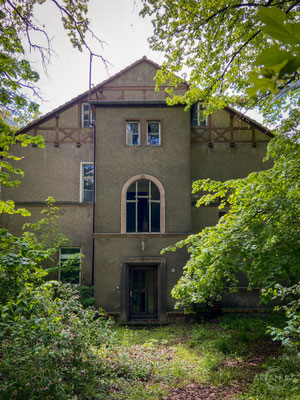
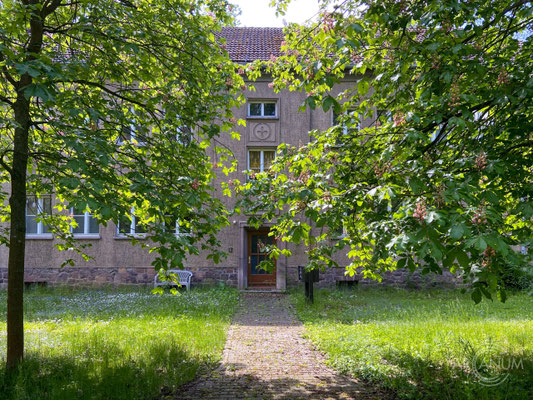
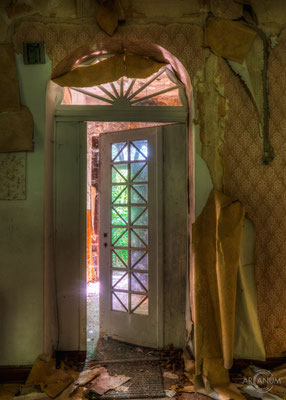
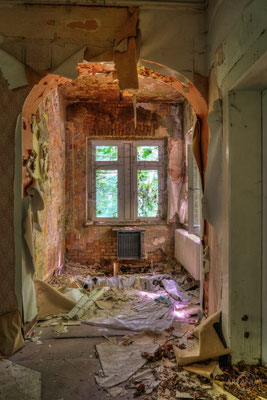
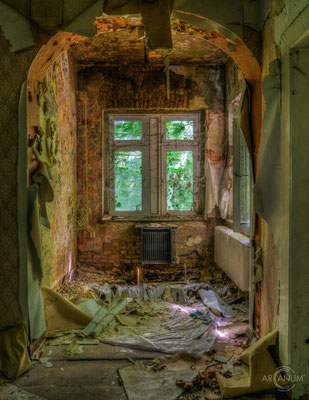
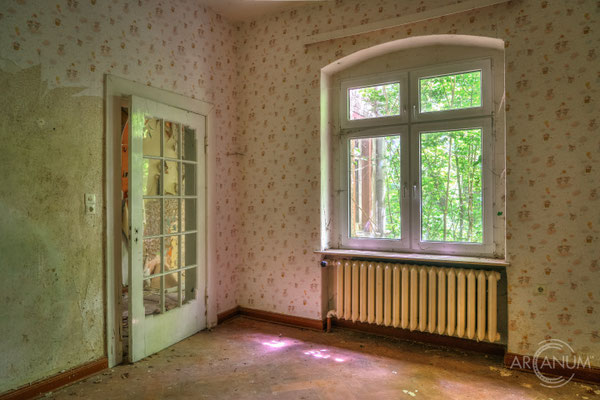
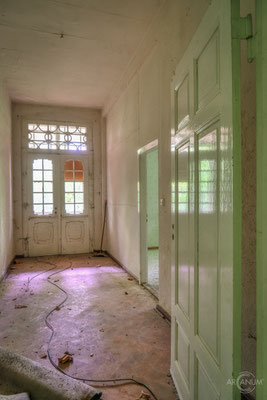
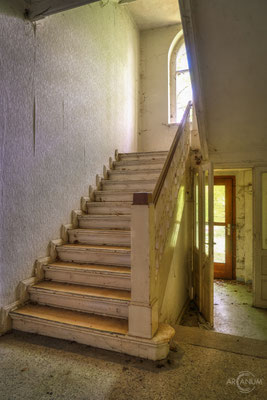
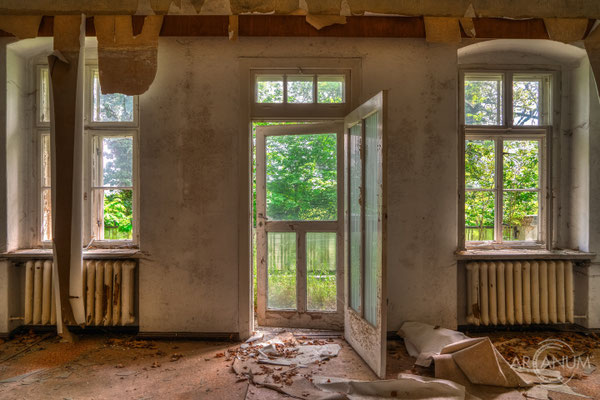
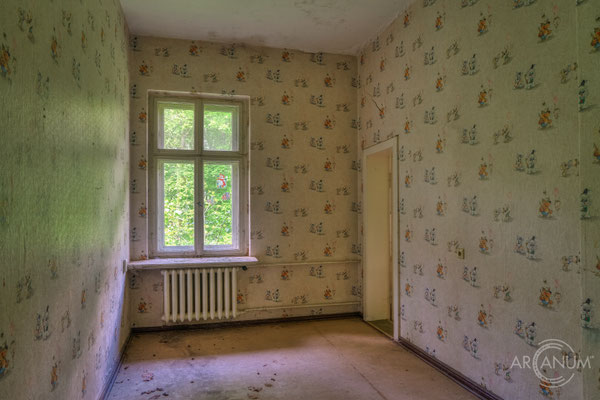
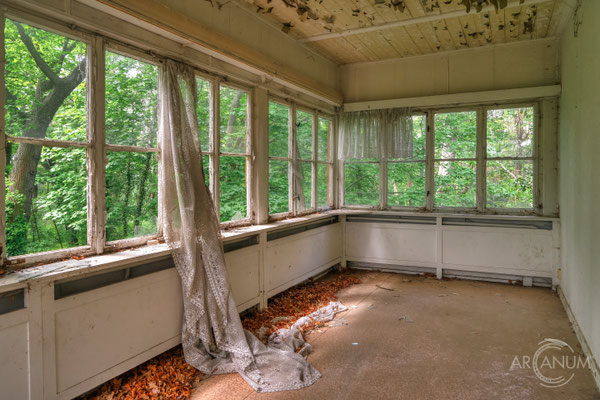
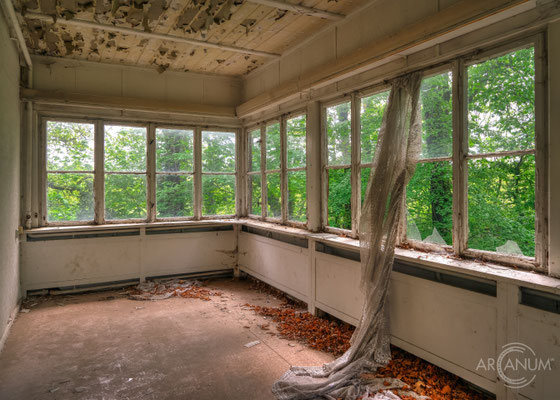
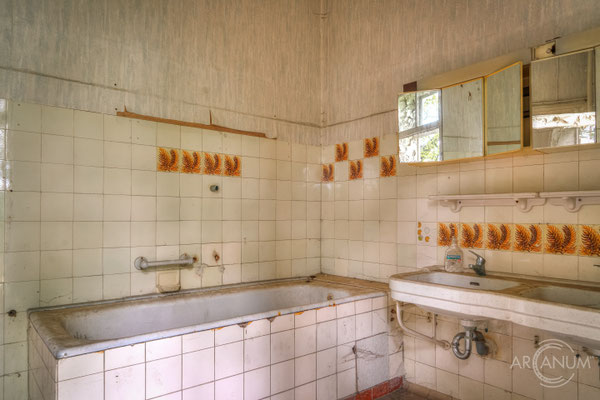
By the late 20th century, parts of the complex had fallen silent. Some buildings were repurposed for elderly care or administrative functions, while others slipped into disuse. Visitors today might find neatly maintained areas alongside quietly abandoned wings, their hallways still bearing the echoes of stretchers, footsteps, laughter — and perhaps a few whispered goodbyes.
What remains is more than just a building. It is a testament to adaptability: from psychiatric refuge to social insurance hospital, from wartime infirmary to tuberculosis rehabilitation center. Few places have witnessed so many shifts in medical history within the same walls — fewer still have survived them.
Visited: May 19, 2021
Location: Undisclosed, Germany
Status: Partially abandoned