Sanatorium "The Iron Moor"
The Story of the Diet Sanatorium in Lindau/Anhalt
Hidden among trees on the edge of Lindau, today part of Zerbst/Anhalt in Saxony-Anhalt, stands the decaying complex of what was once a hopeful health resort. Surrounded by the quiet landscape of the Fläming and now slowly surrendering to nature, the former Diet Sanatorium began its life as something far more ambitious: the Anhaltisches Eisenmoorbad (Iron Moor Bath of Anhalt).
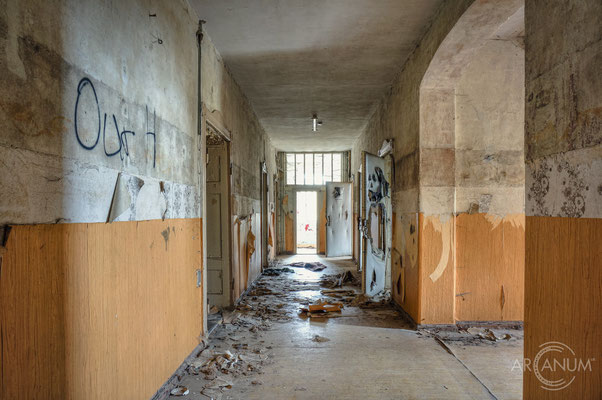
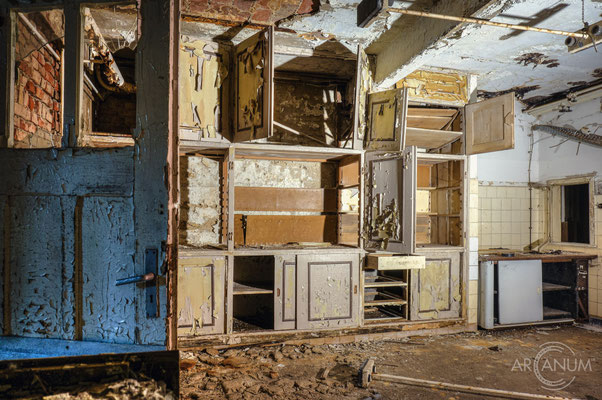
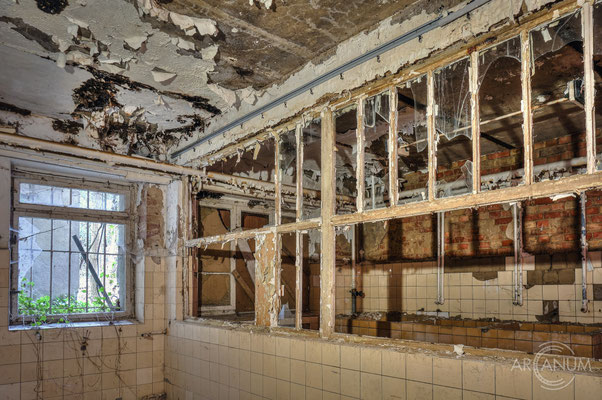
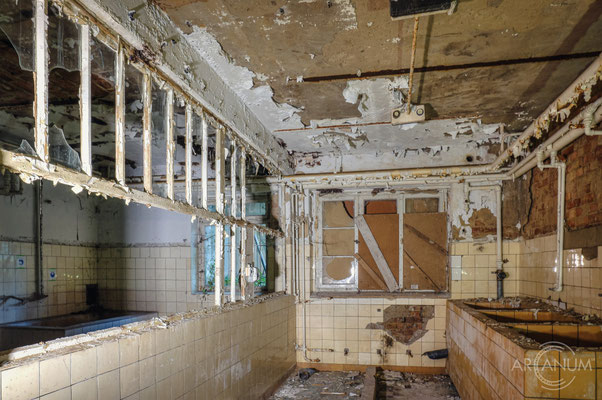
For lost-place explorers, the site offers peeling plaster, empty corridors and the poetry of abandonment. For historians, it tells a story of early spa culture, war, socialist healthcare and the economic realities of reunified Germany.
The Dream of a Moor Spa
The story began in 1909, when local citizens founded the Anhaltische Eisenmoorbad Lindau AG. Their goal was to turn the iron-rich moor deposits near Lindau into a profitable health resort. Moor and peat treatments were fashionable at the time, promising relief from rheumatism, circulatory problems and a range of chronic conditions.
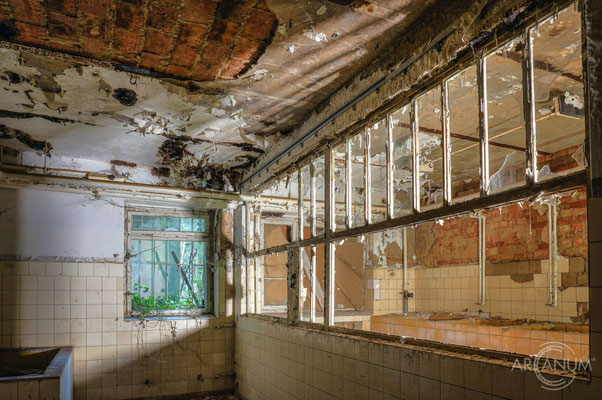
In 1910, the Eisenmoorbad officially opened. The complex included bath facilities, guest accommodation, and the “Villa Waldfrieden” boarding house. The architecture was functional but representative of early twentieth-century spa design. Large windows allowed light and air into treatment rooms. Verandas and park paths encouraged gentle movement and relaxation. The buildings were integrated into a landscaped park that gave patients the feeling of recovery close to nature.
The arrival of railway connections in the region in the late nineteenth century had already made rural Lindau accessible. Now the village hoped to welcome guests not only from Anhalt but from farther afield.
War and Instability
Like many spa facilities of the era, the Eisenmoorbad did not remain untouched by history. During the First World War, parts of the complex were used as a military hospital. Therapeutic baths gave way to the treatment of wounded soldiers.
Economic challenges followed in the interwar period. Although the spa continued operating and even expanded its facilities, including the addition of a swimming pool in the 1920s, the company struggled. In 1935, the founding corporation was liquidated. The ambitious private spa project had lost its financial foundation.
During the final months of the Second World War, Lindau once again became associated with medical care. The town functioned as a kind of improvised hospital center, and buildings in the area, including former spa structures, were used to accommodate wounded soldiers and sick children.
The Socialist Era: From Spa to Diet Sanatorium
After 1945, the complex entered a new chapter under socialist administration. In the German Democratic Republic, it became a health facility operated by the Freier Deutscher Gewerkschaftsbund, widely known as the FDGB. The former moor spa was transformed into a Diet Sanatorium.
Under the FDGB system, workers could receive state-supported health cures. The Lindau facility specialized in dietary treatments and therapies for metabolic, rheumatic and orthopedic conditions. At its peak, thousands of patients per year passed through its doors. Contemporary reports speak of around 6,000 patients annually in certain years.
Former patients have recalled daily routines shaped by structured meal plans, medical consultations and prescribed walks through the landscaped park. Despite the word “diet” in its name, memories often describe generous meals and a sense of community. Postcards from the era depict well-kept grounds, trimmed hedges and a quiet optimism that recovery was possible in this wooded corner of Anhalt.
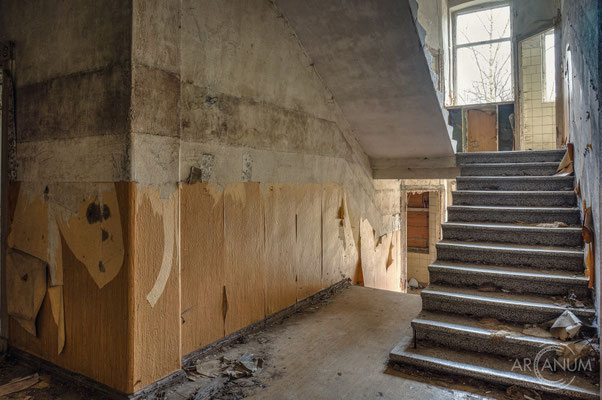
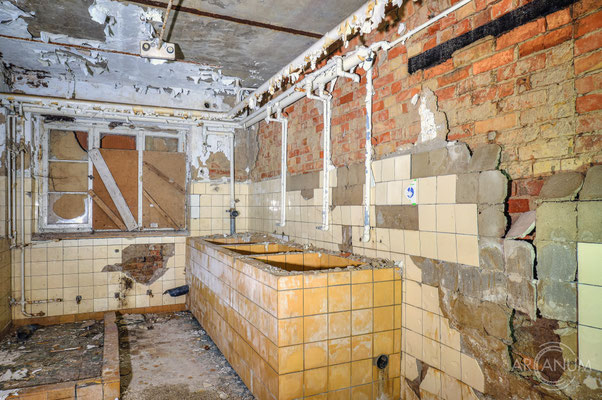
The architecture evolved during this period. Interiors were modernized in the sober, functional style typical of the GDR. Treatment rooms were adapted, dormitories reorganized, and technical installations updated to meet medical standards of the time. Yet the core structures from the early twentieth century remained visible beneath the layers of socialist practicality.
Closure and Decline After 1990
German reunification brought dramatic change. The state-funded healthcare and cure system of the GDR collapsed almost overnight. Without the financial support structure of the FDGB, the Diet Sanatorium in Lindau struggled to compete in a market-driven system.
On 10 August 1994, the facility was officially closed. For a short period, basic maintenance continued, but long-term solutions failed to materialize. Attempts to sell the property were unsuccessful. A foreclosure auction in the early 2010s did not result in a buyer willing to redevelop the extensive complex.
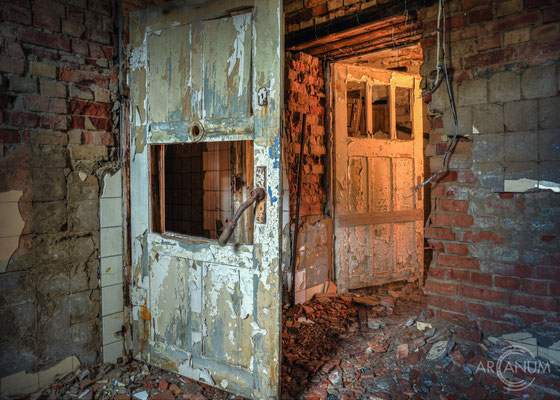
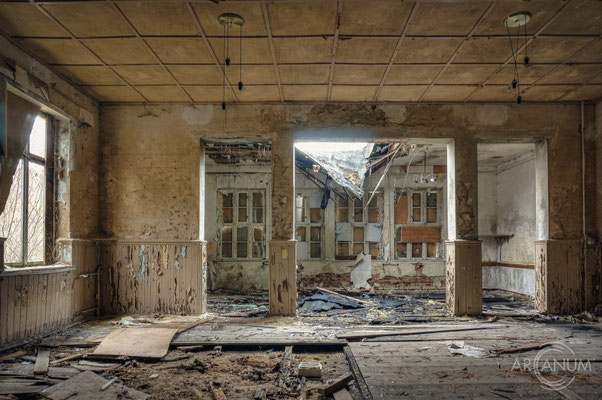
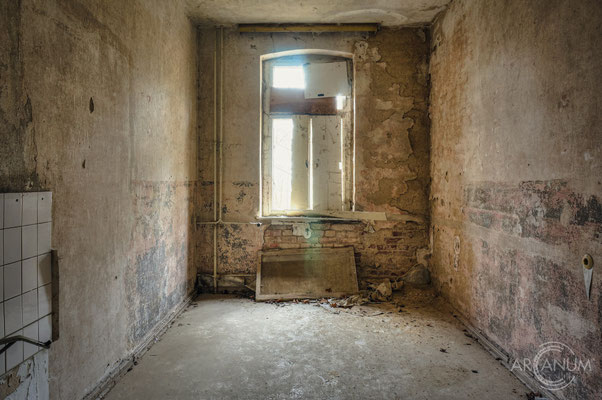
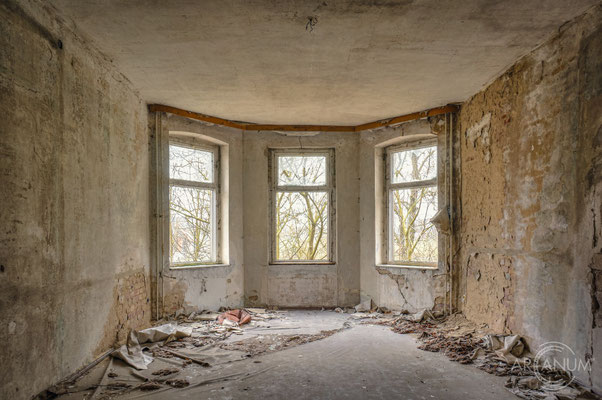
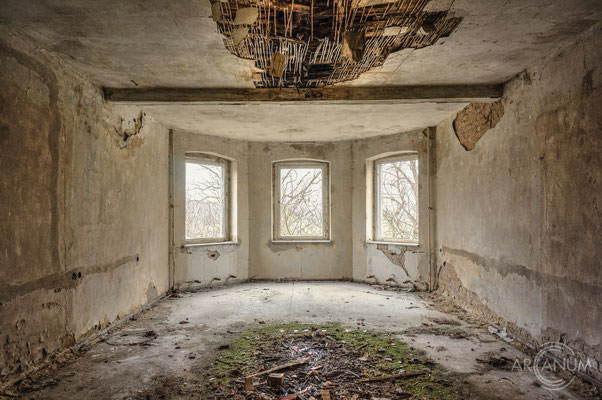
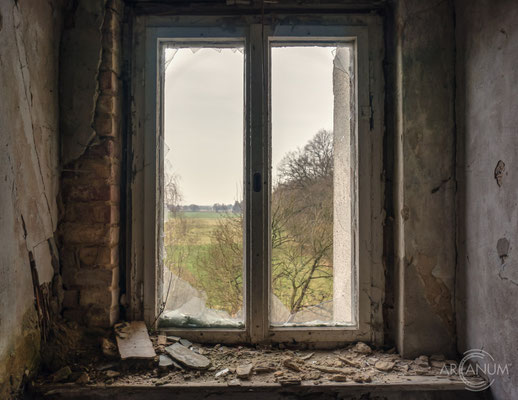
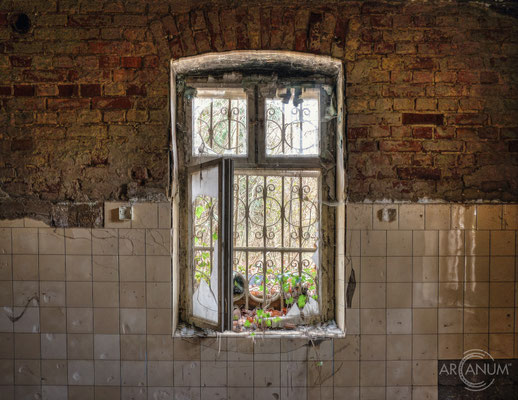
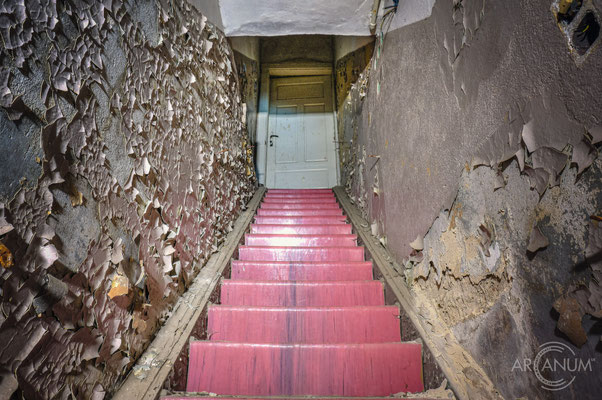
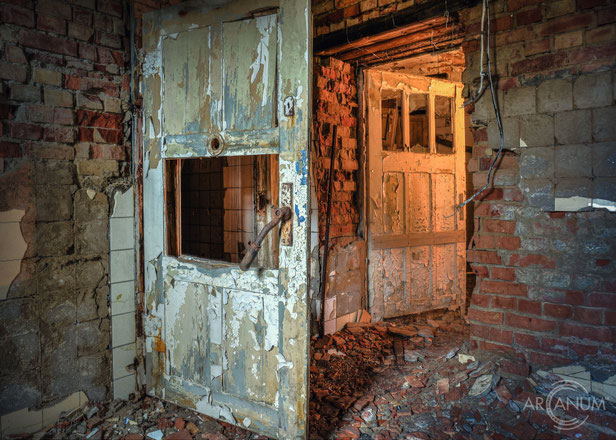
Since then, the buildings have deteriorated. Windows are broken, roofs damaged, interiors exposed to moisture and vandalism. The former park is now overgrown. Remnants of pathways, boundary stones and water features hint at the carefully designed therapeutic landscape that once existed here.
Memory, Myth and the Appeal of the Lost Place
Local lore claims that the original idea for the moor spa was born in a cheerful round of drinks, a story that adds a touch of humor to what became a serious entrepreneurial project. Whether legend or truth, it captures the spirit of optimism that once surrounded the site.
Today, the former Diet Sanatorium is both a warning and a fascination. It reflects the rise and fall of health tourism, the shifting political systems of Germany in the twentieth century, and the vulnerability of large institutional architecture when its purpose disappears.
For lost-place enthusiasts, the complex offers haunting beauty. Long corridors lead into silence. Treatment rooms stand frozen in time. Nature pushes through cracks in concrete.
For historically minded visitors, it represents more than decay. It is a layered monument to medical ambition, wartime necessity, socialist welfare policy and post-reunification transformation.
In Lindau, the moor that once promised healing still lies beneath the soil. Above it stands a small fragment of German history, slowly fading but not yet forgotten.
Visited: February 19, 2016
Location: Lindau/Anhalt, Germany
Status: Abandoned