Steel Company R.
From Steel to Silence: The Story of an Abandoned Factory in Denmark
On the Danish island of Funen, near a small village, stand the abandoned buildings of a company that was part of the regional industry for decades. Founded in the late 1950s, the firm began as a machine factory and later shifted its focus to steel processing and the production of technical equipment. For many years, it employed a considerable number of workers and supplied customers both domestically and abroad. During the 1990s, however, the company ran into increasing financial difficulties. Growing competition and changing markets eventually led to bankruptcy proceedings, and in 2009 the business was officially dissolved.
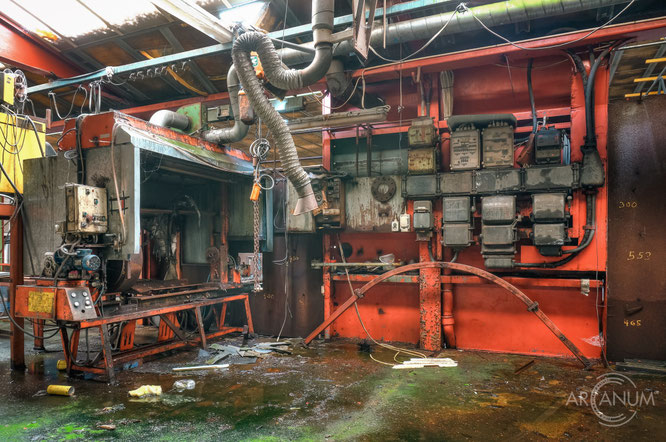
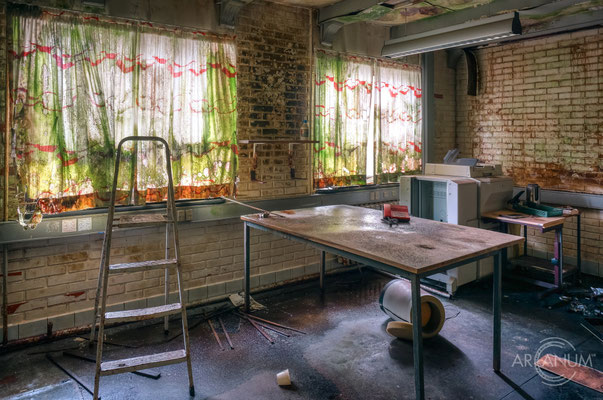
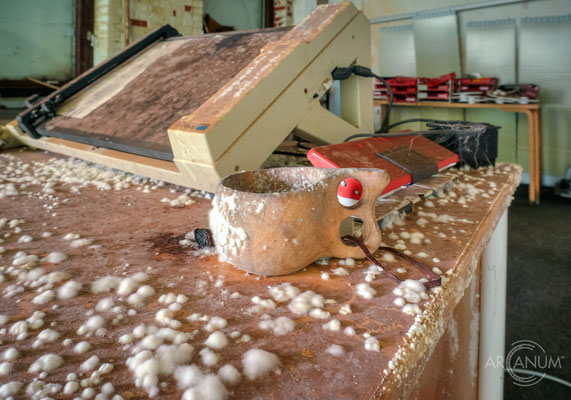
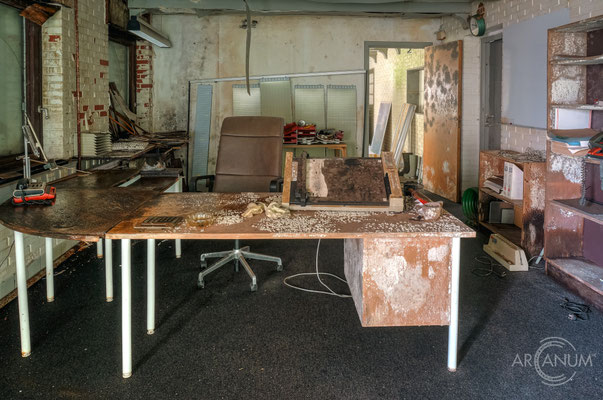
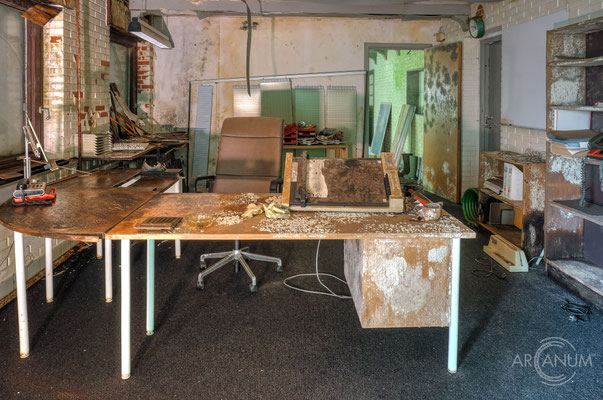
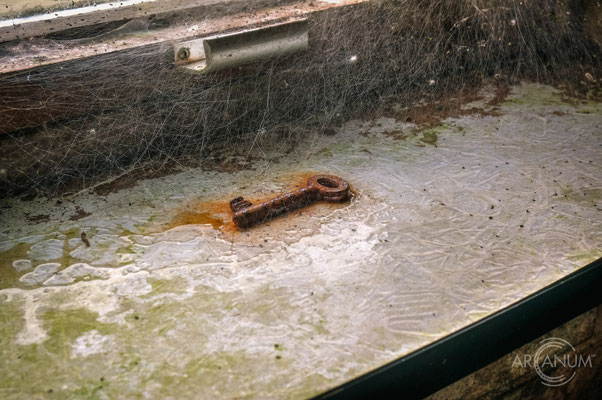
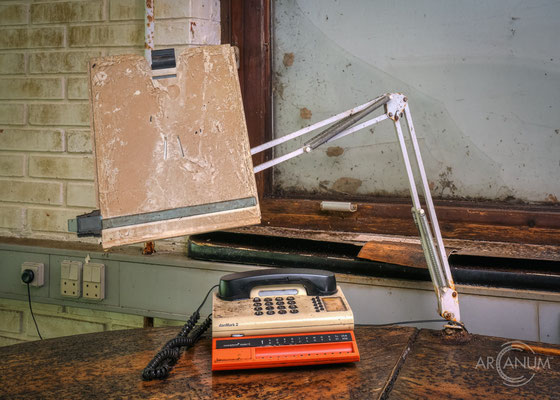
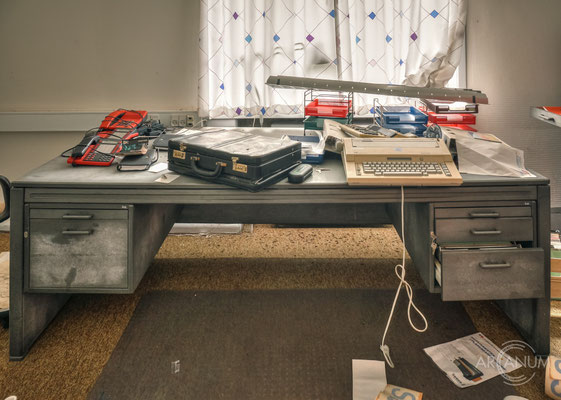
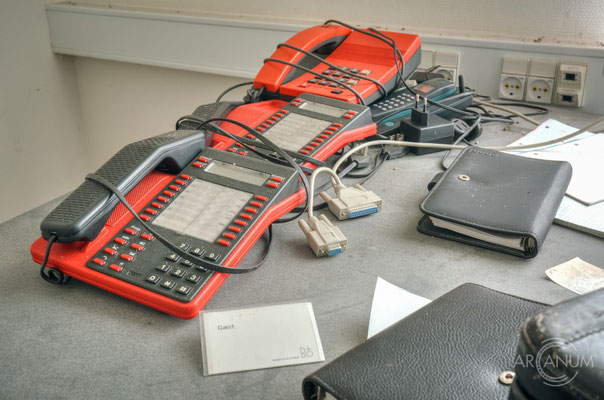
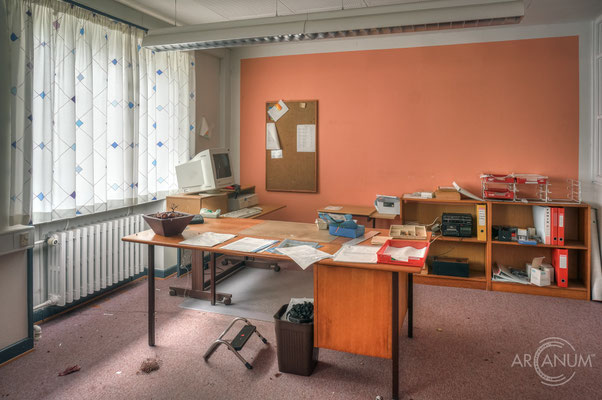
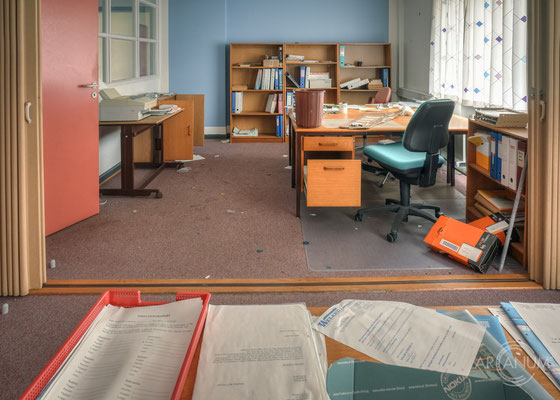
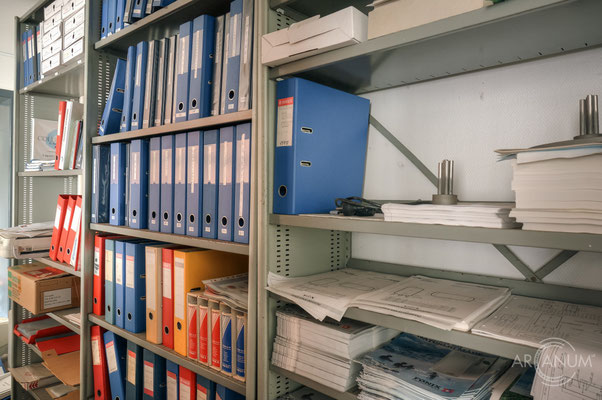
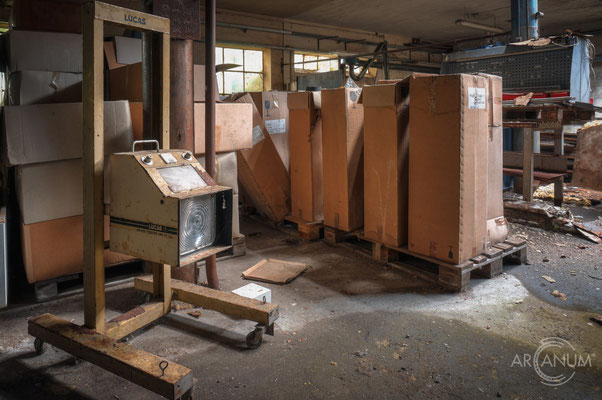
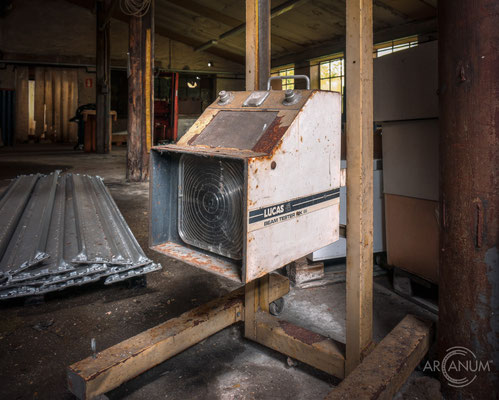
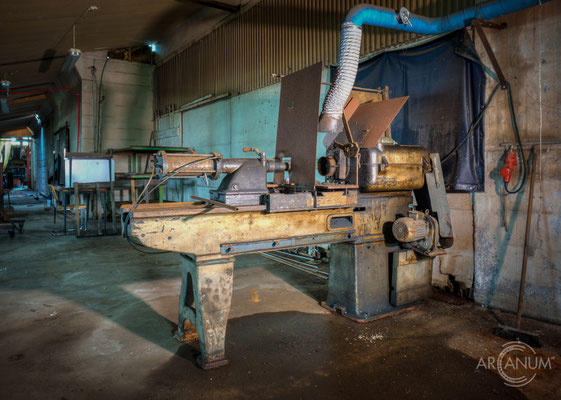
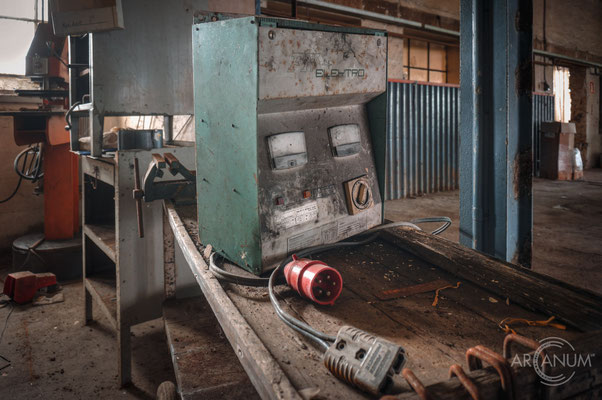
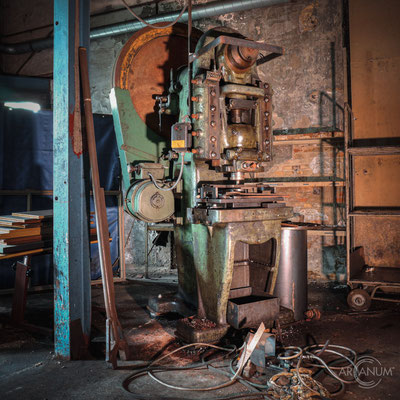
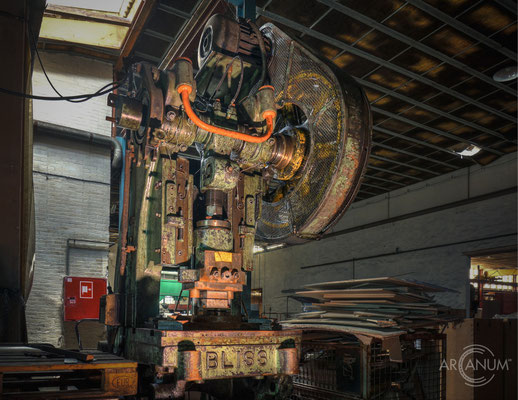
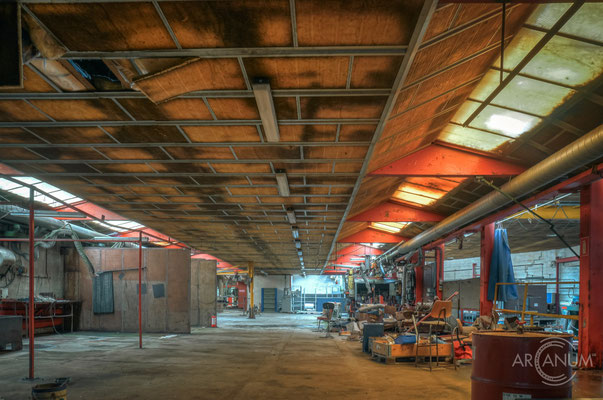
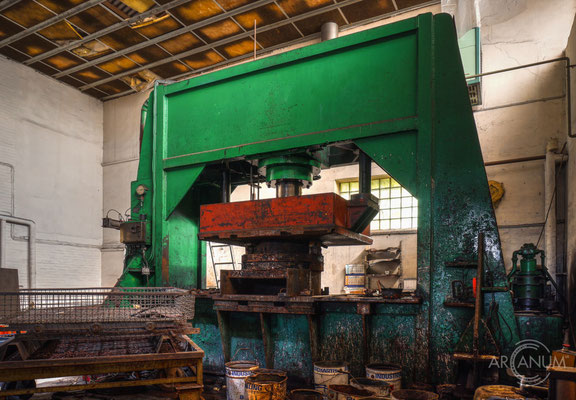
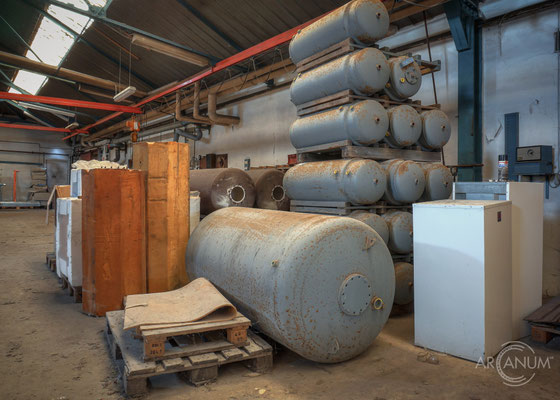
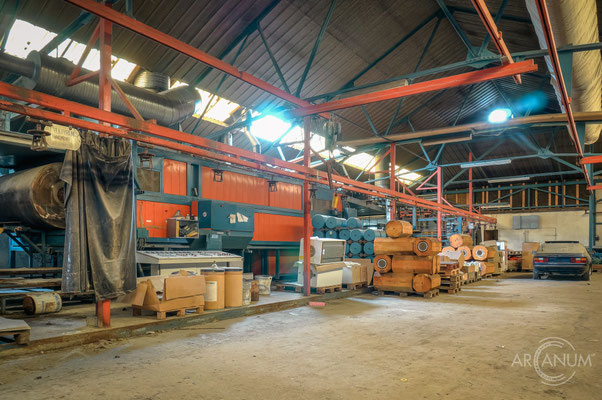
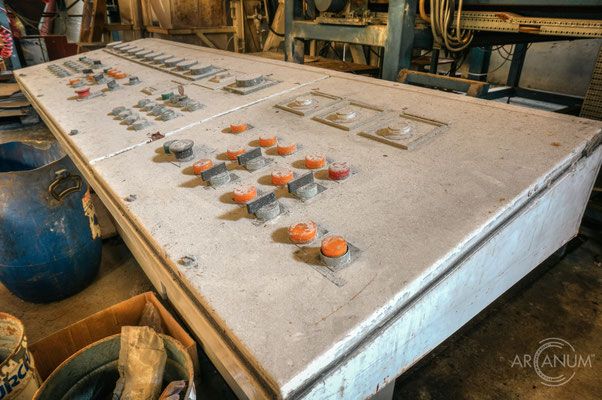
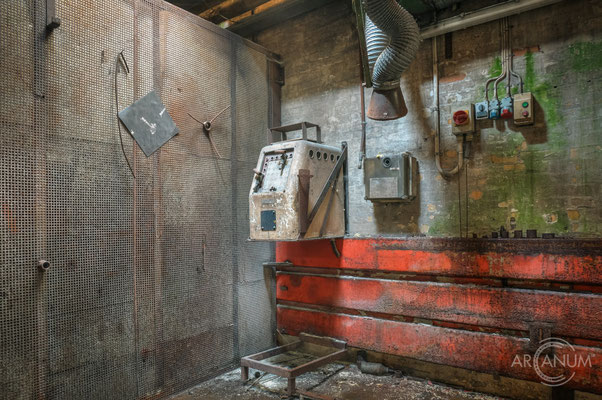
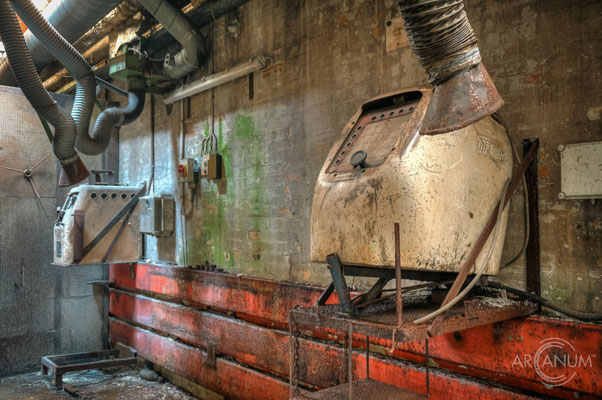
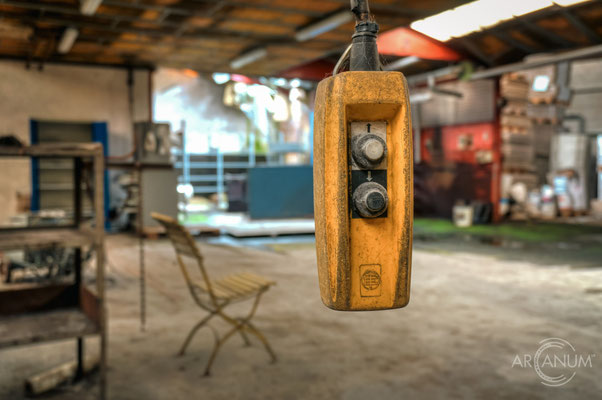
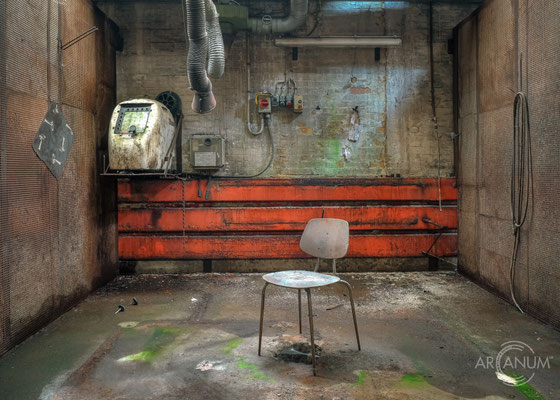
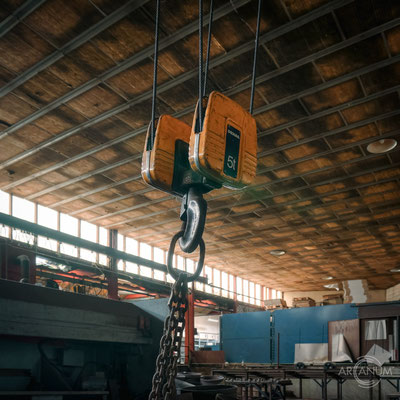
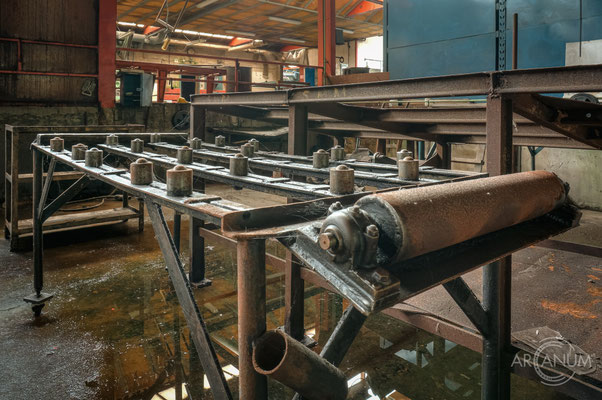
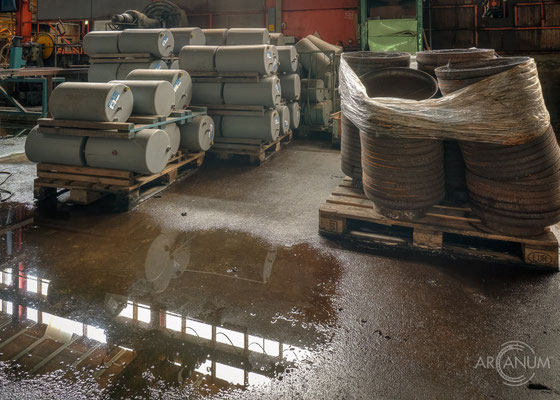
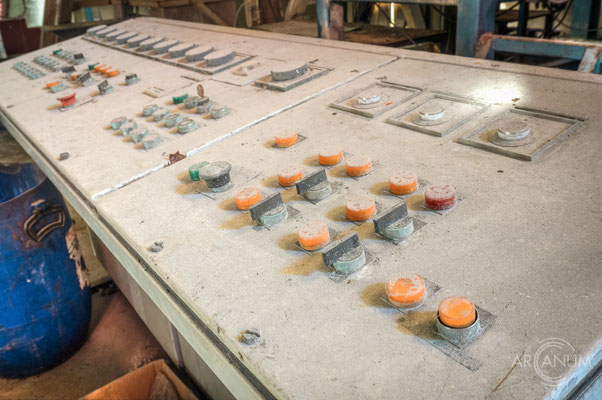
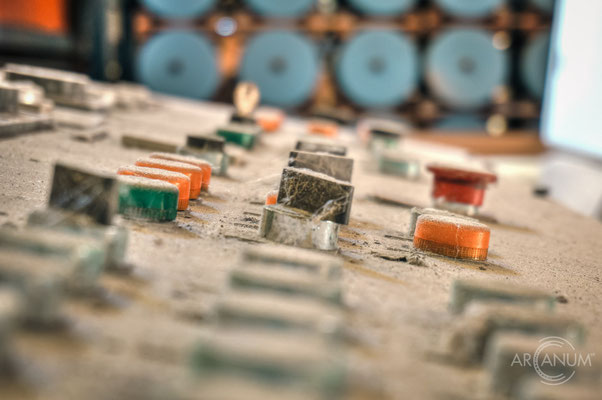
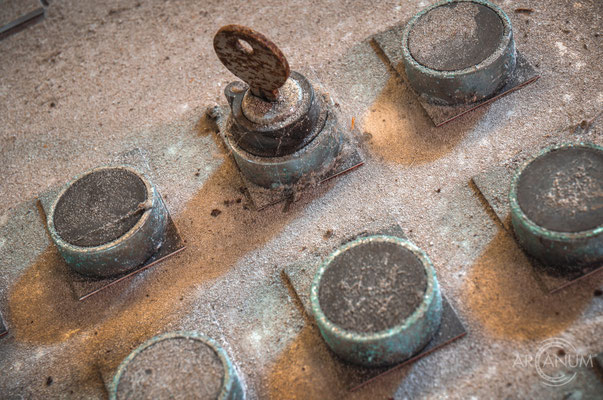
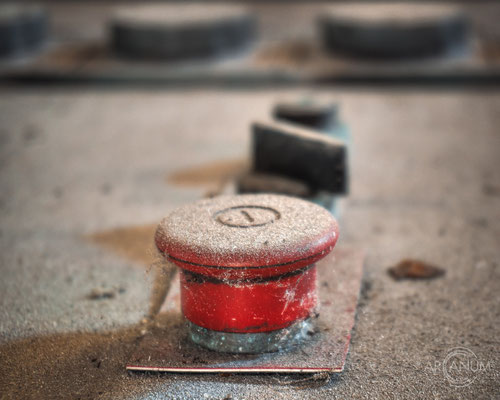
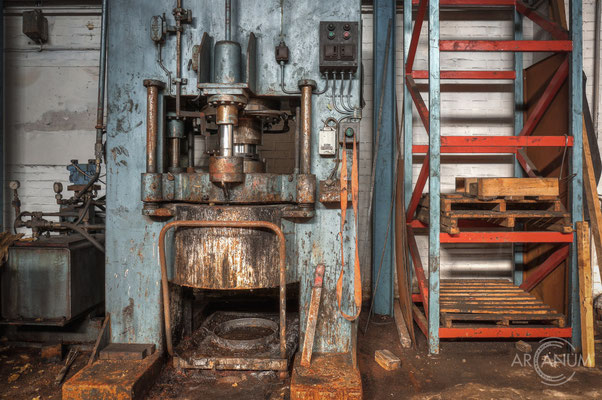
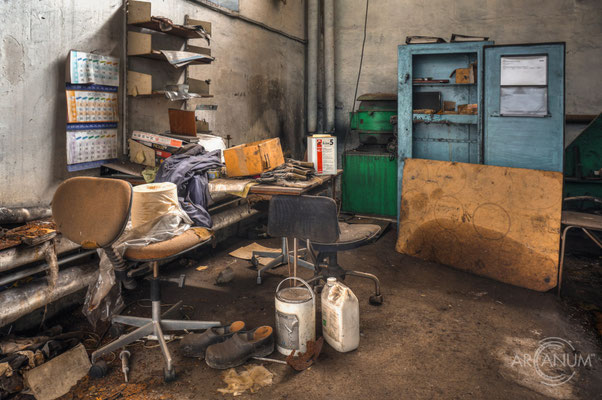
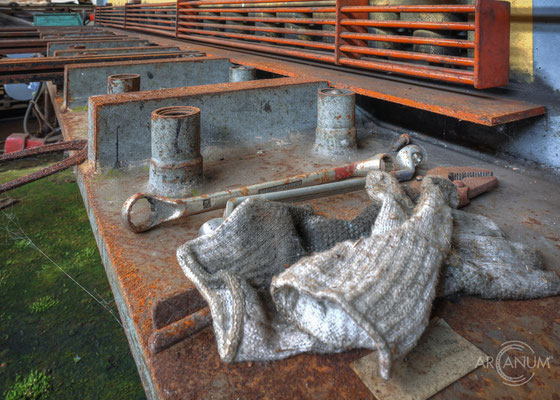
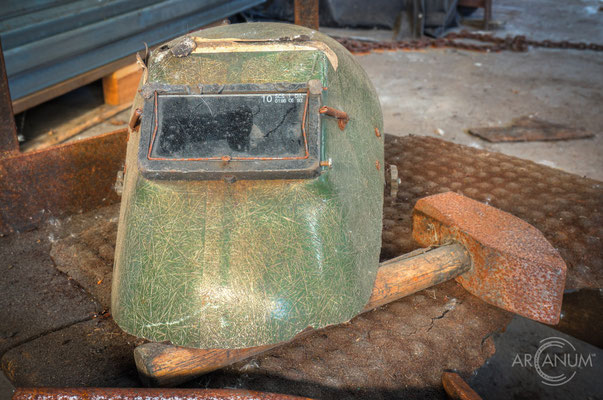
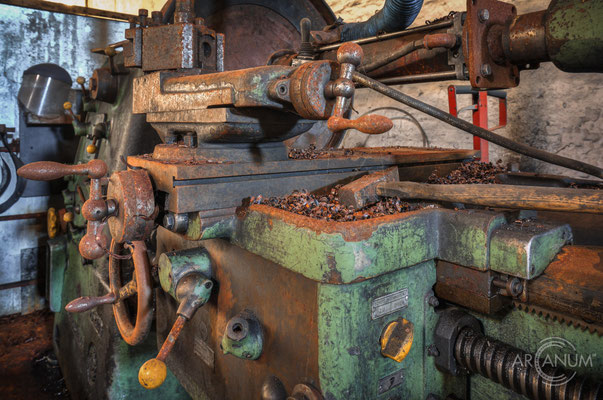
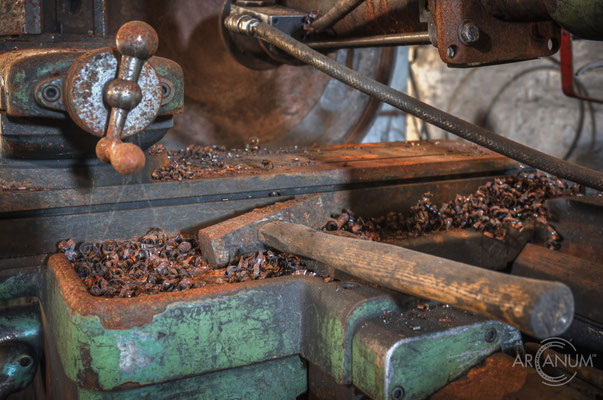
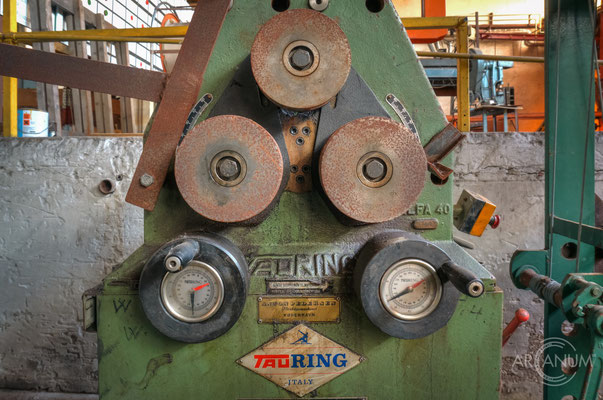
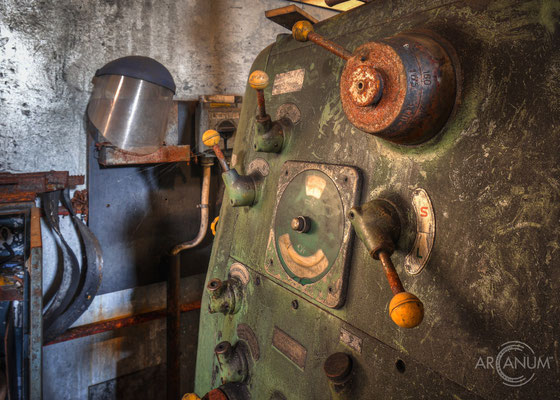
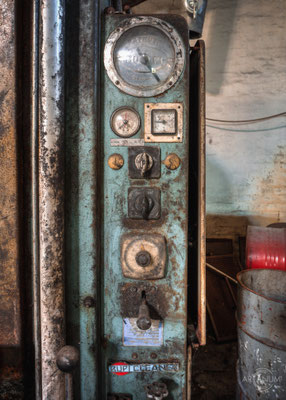
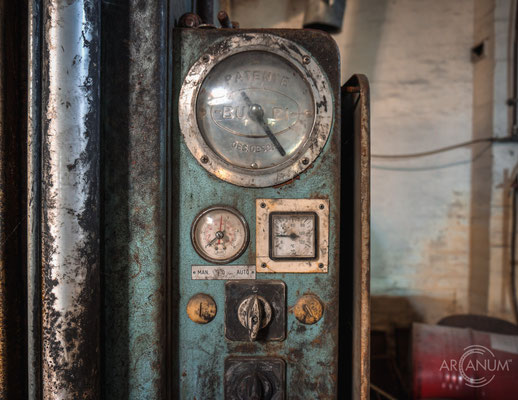
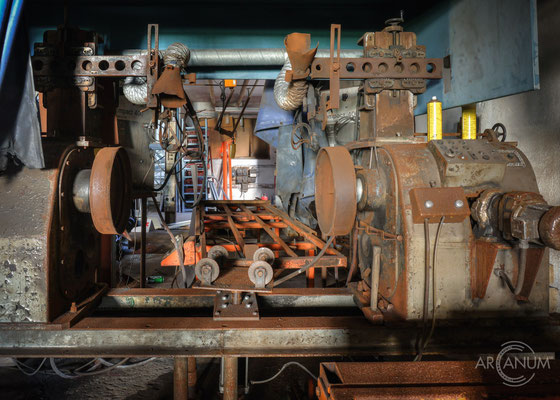
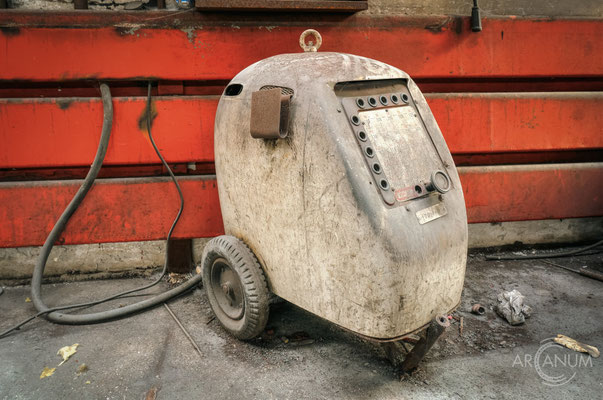
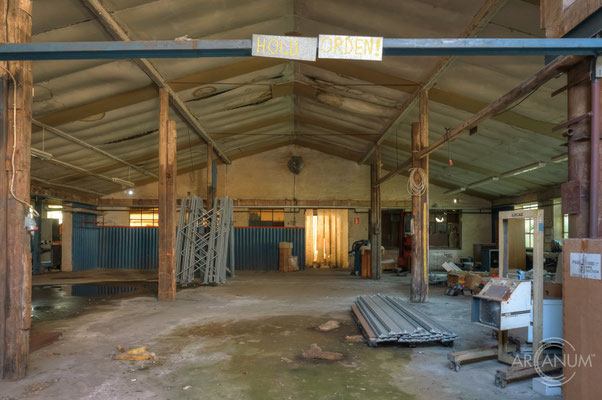
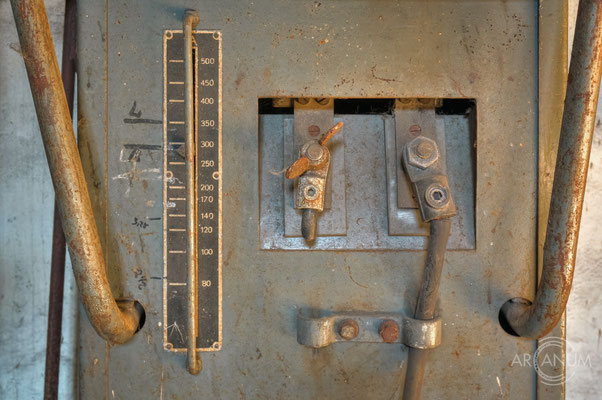
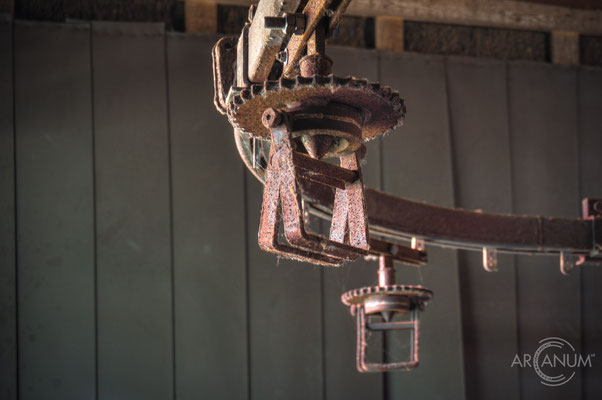
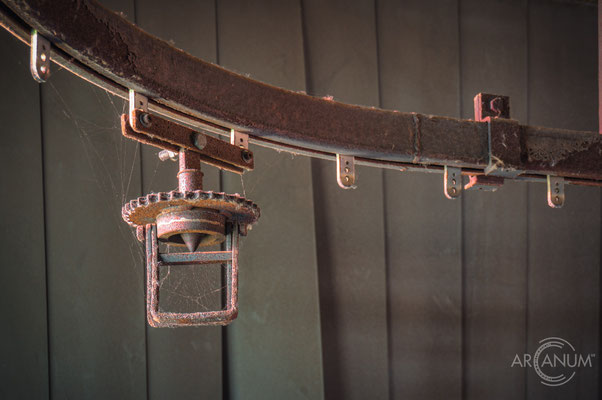
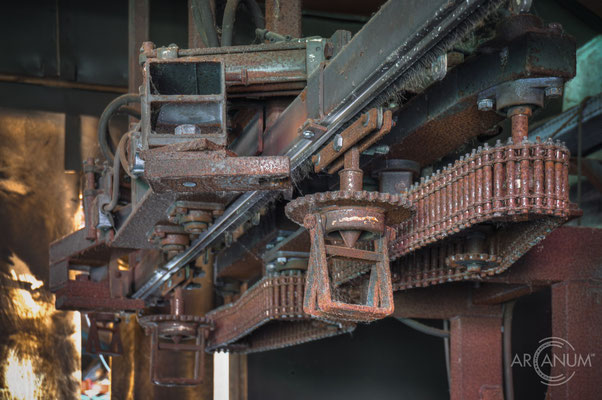
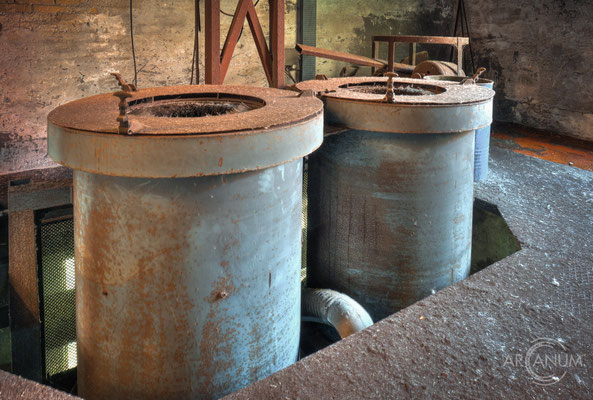
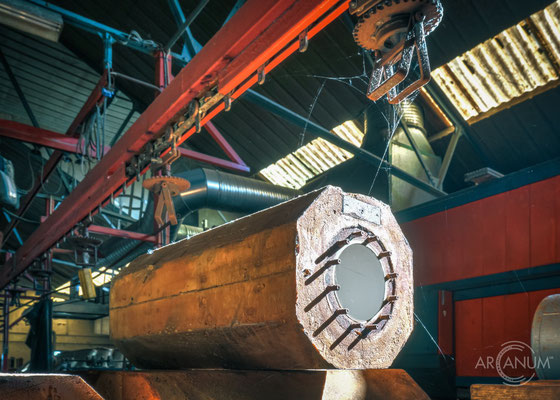
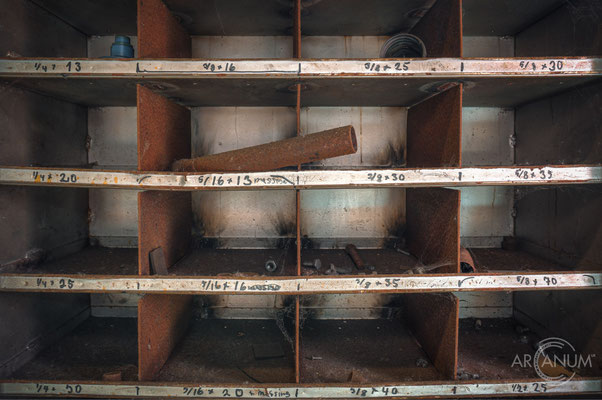
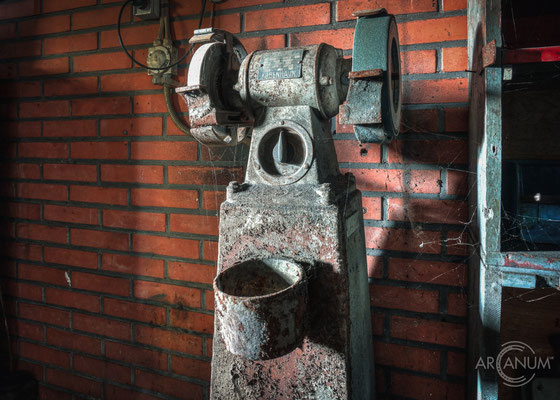
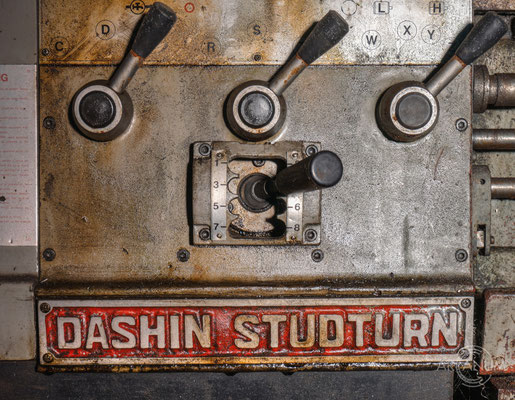
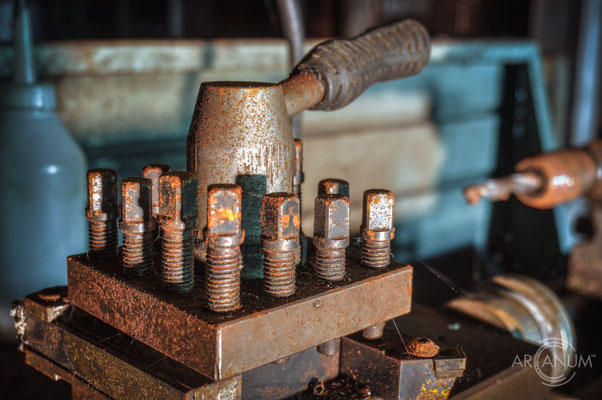
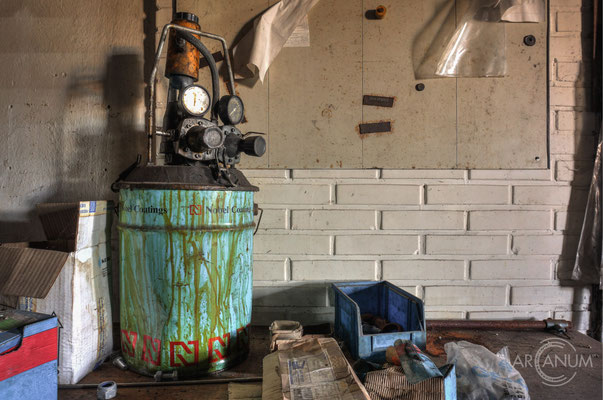
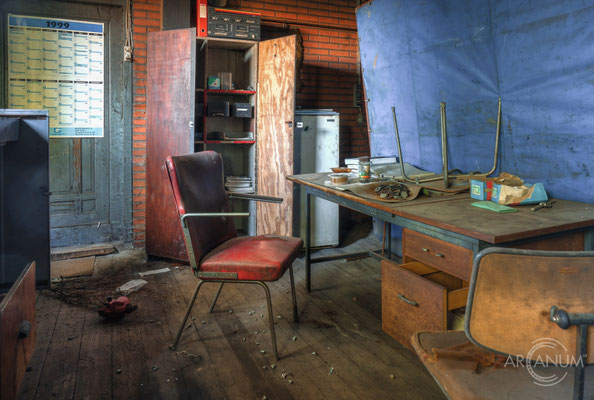
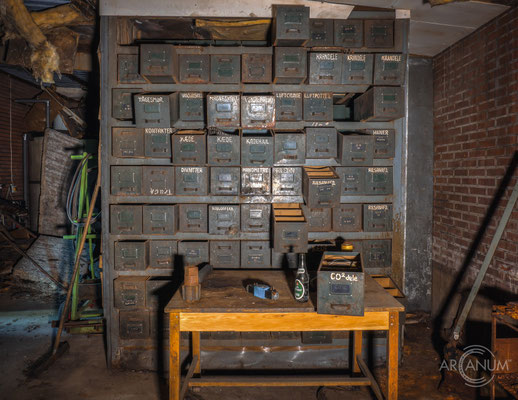
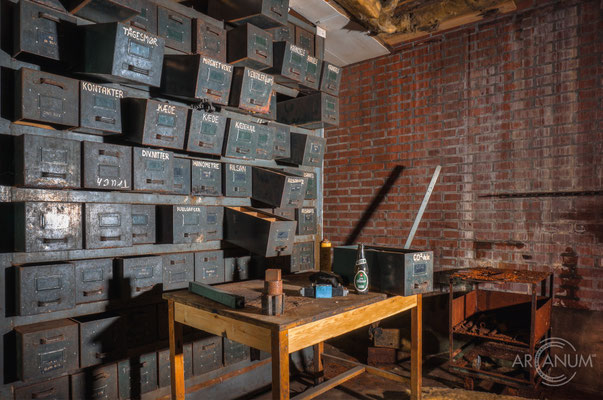
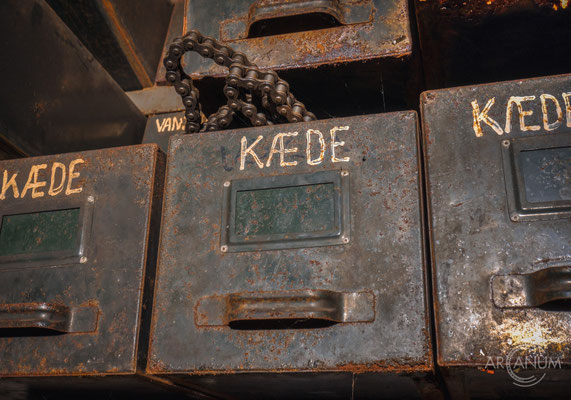
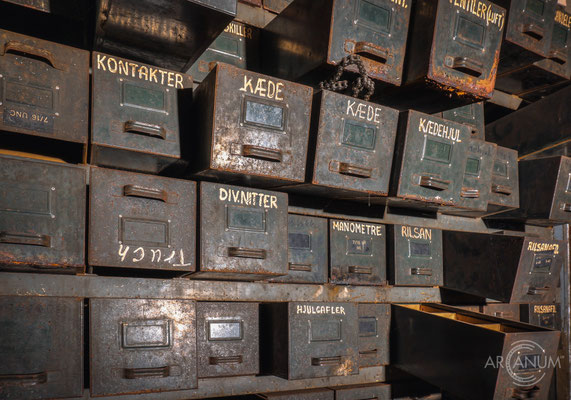
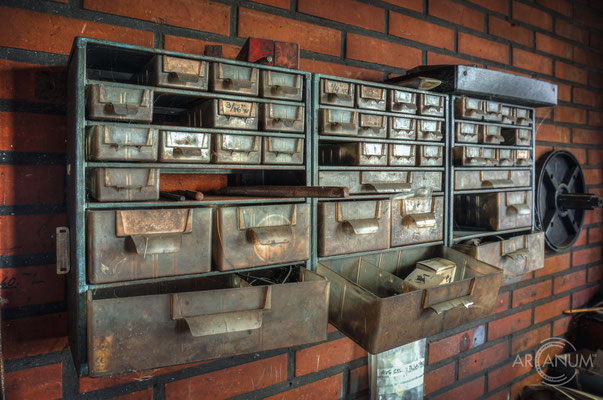
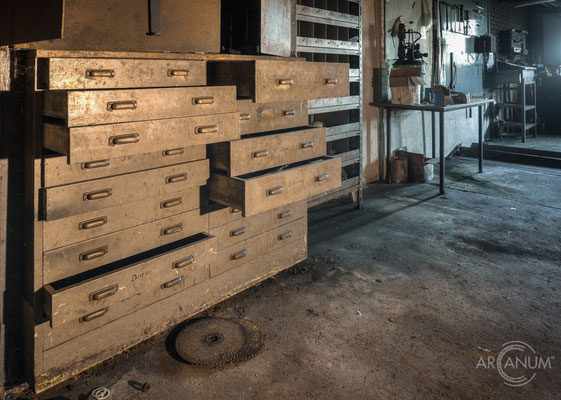
The production halls and storage areas remain. Even today, numerous machines and pieces of equipment can be found inside, bearing witness to past activities. Workbenches, testing devices, and manufacturing tools still stand in place, as if operations were never fully wound down. Shelves and floors hold materials and spare parts, their original use often no longer obvious. The site gives the impression of a sudden halt that has scarcely been altered since.
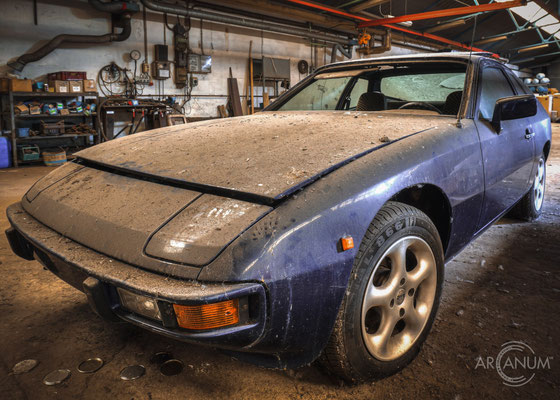
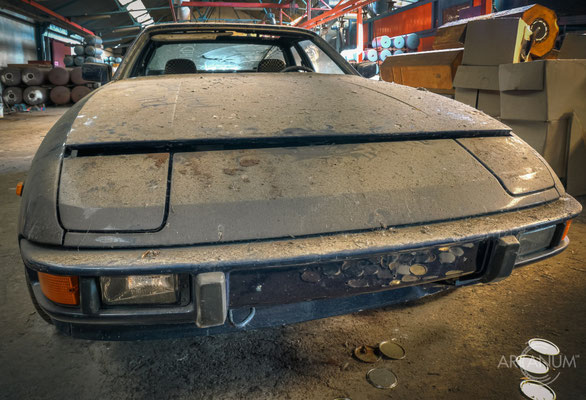
A striking detail is a Porsche 944, left behind in one of the halls. Surrounded by tools, production machinery, and overhead cranes, the car seems out of place, yet it adds to the authentic picture of a facility where storage and workspaces once overlapped.
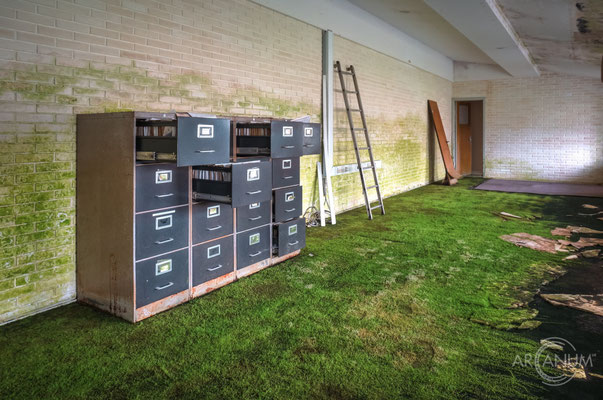
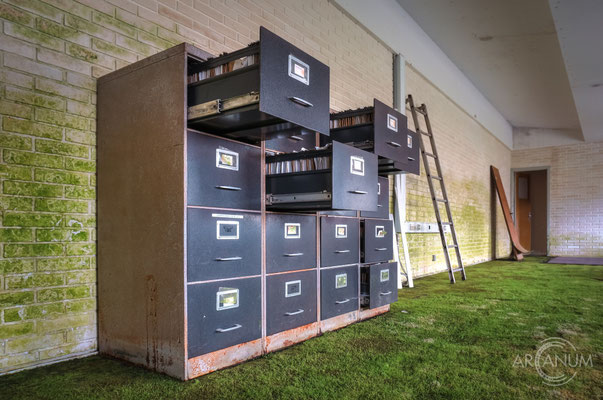
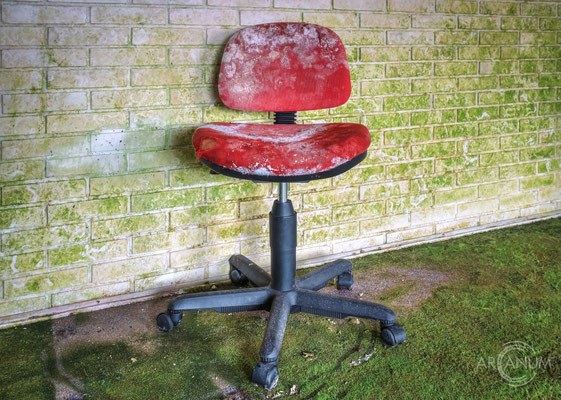
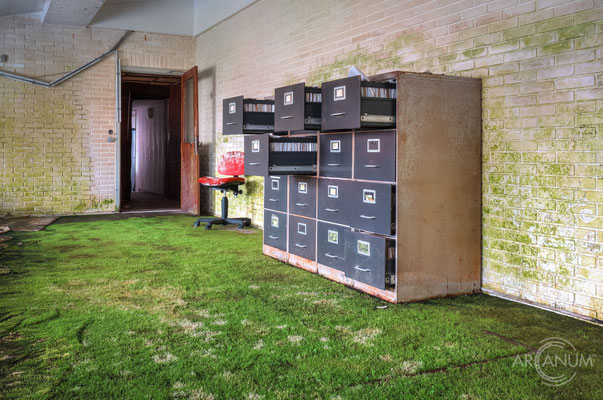
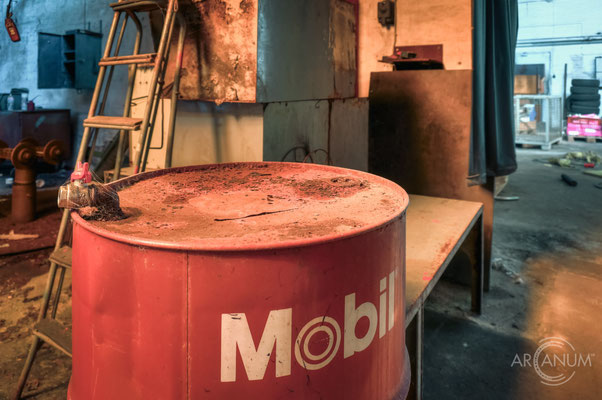
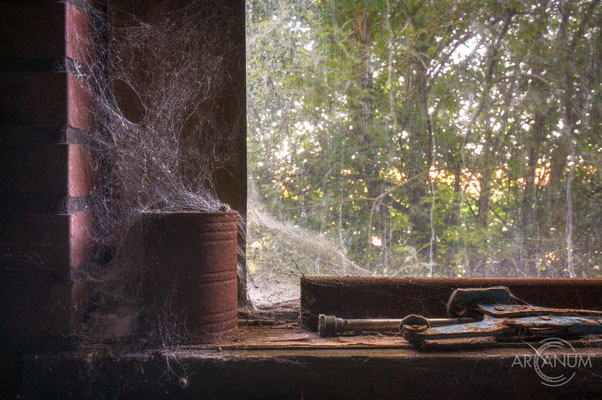
The condition of the buildings shows clear signs of time. Plaster and masonry are crumbling in some areas, a number of windows are damaged, and dampness has left its mark here and there. Overall, however, the level of decay remains relatively moderate. Vandalism, too, is only visible in minor traces, which is unusual for a site of this kind. What stands out most is the smell of fuels, oils, and lubricants still hanging in the air, a reminder of the industrial activities that once defined the place.
Today, the halls remain as a record of a past era. They illustrate the role that medium-sized industrial companies once played in the region, as well as the challenges many faced in an increasingly globalized economy. The buildings and machinery serve as a tangible document of how work, technology, and production shaped everyday life for decades—and what is left behind when the machines fall silent.
Visited: August 8, 2015, August 22, 2015 and October 10, 2015
Location: Undisclosed, Denmark
Status: Abandoned
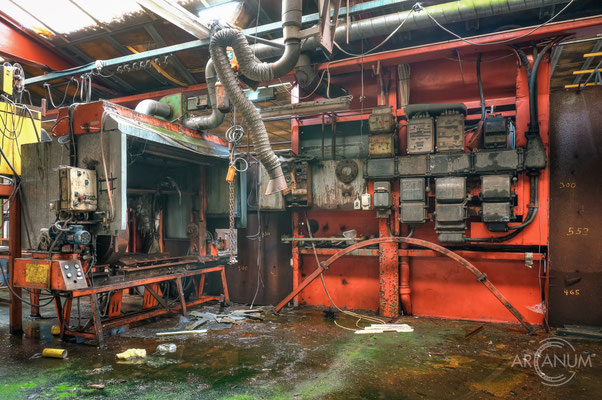
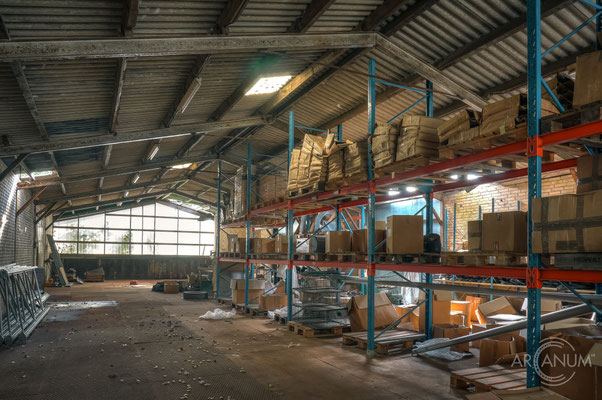

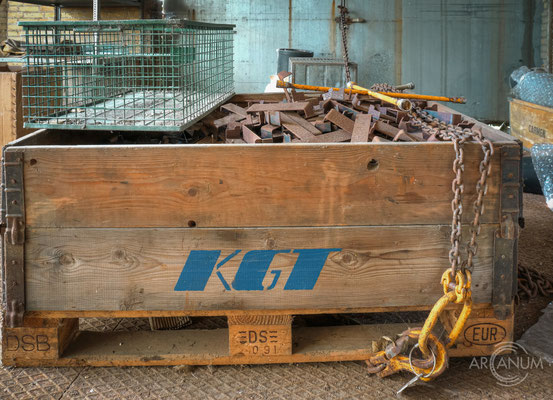









Update: New photos from a revisit on August 22, 2015











Update: New photos from a revisit on October 10, 2015