Textile Mill Wittstock
A Town Shaped by Cloth Making
For centuries, the town of Wittstock/Dosse was shaped by cloth making. What began as a medieval craft gradually developed into one of the region’s most important industries, leaving traces that are still visible today. The former cloth factory at Walter-Schulz-Platz stands as a powerful reminder of this long industrial tradition.
Wittstock’s cloth makers are documented as early as the 14th century. By the early modern period, textile production had become the economic backbone of the town.
Under Prussian rule, especially in the 18th and 19th centuries, local manufacturers supplied high-quality woolen cloth, much of it destined for military uniforms. This demand laid the foundation for the later industrial expansion.
From Craft to Industry
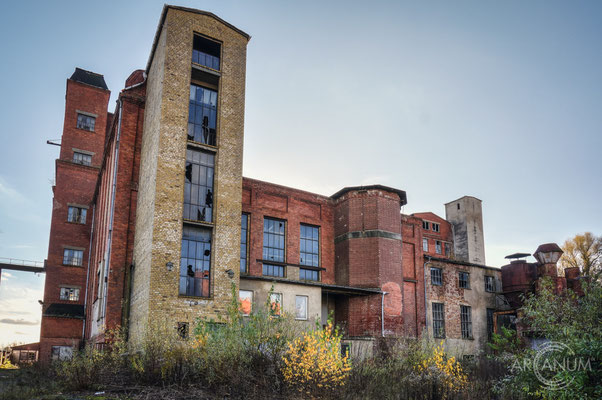
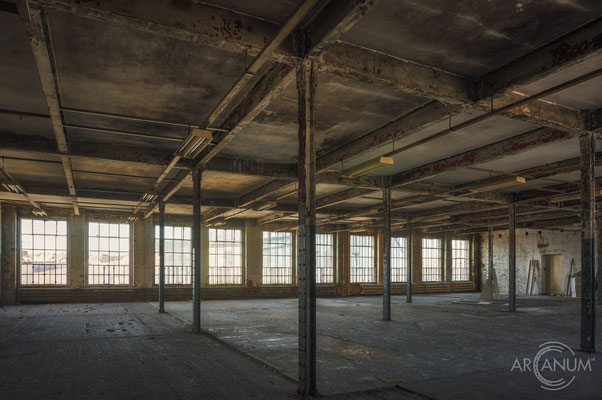
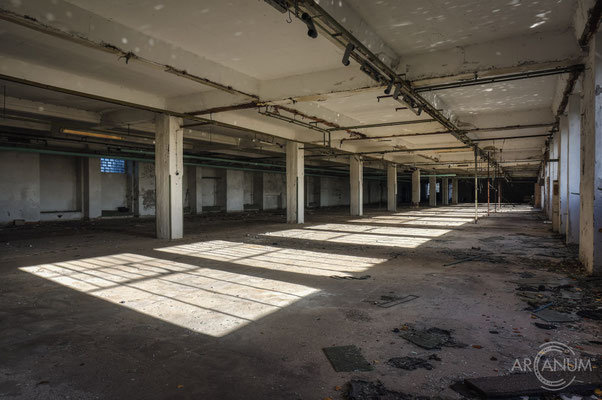
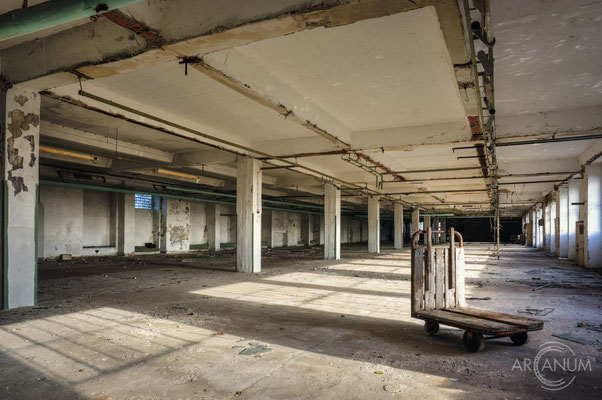
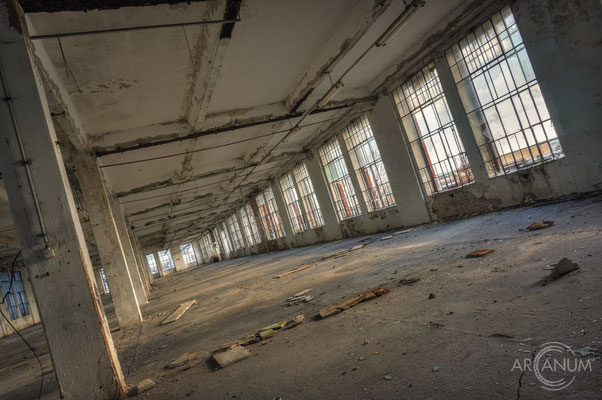
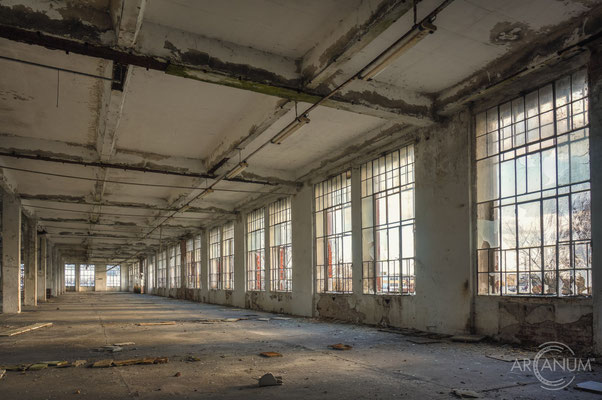
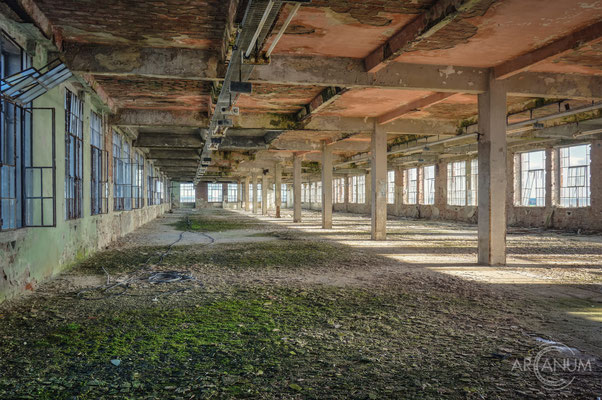
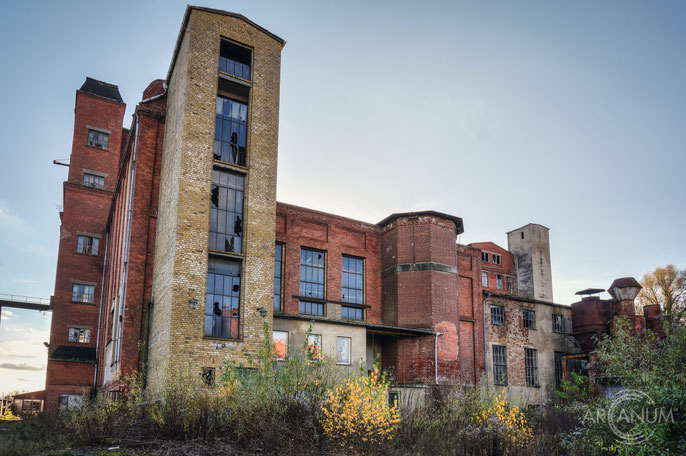
Around 1905, the large cloth factory complex at what is now Walter-Schulz-Platz was constructed. It marked the transition from small workshops to fully industrialized textile production. The site included spacious production halls, administrative buildings, and a representative factory owner’s villa. Several established cloth-making families were involved, and in the early 20th century the factory became part of a larger industrial network, producing uniform fabrics on an increasingly large scale.
War, Destruction, and Reorganization
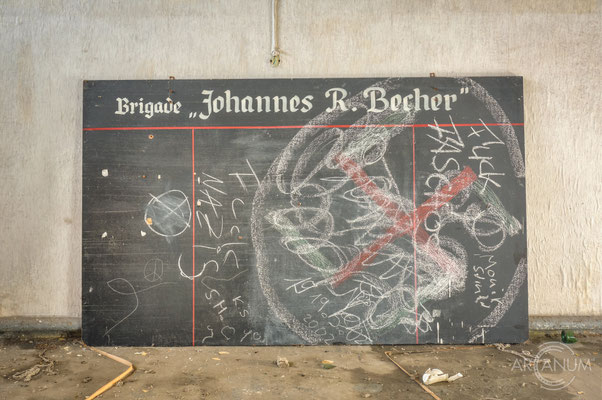
The two World Wars profoundly affected the factory. After 1945, machinery was dismantled and transported to the Soviet Union as reparations. In the years that followed, the site was reorganized under state ownership in the former GDR. As a Volkseigener Betrieb (state-owned enterprise), textile production continued, later shifting toward knitwear and related products. At its peak, the factory and its successor enterprises employed thousands of people and played a central role in everyday life in Wittstock.
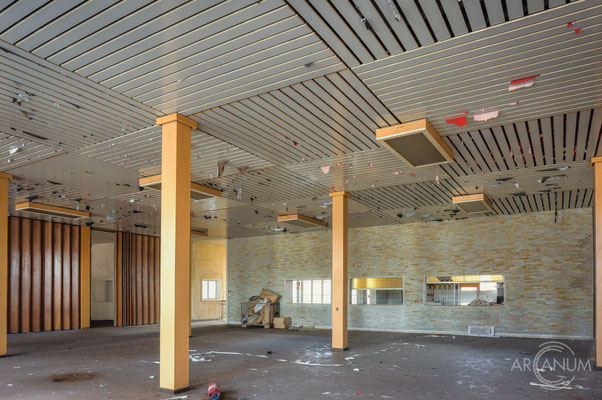
In the decades of the GDR, the site was not used exclusively for textile production. As was common in the planned economy, sections of the factory complex were repurposed for different industries. Contemporary accounts indicate that furniture and furniture components were also produced on parts of the site during this period.
Decline After Reunification
The political and economic upheavals after German reunification marked the beginning of the end. Unable to compete in the new market economy, production ceased in the 1990s, and the factory was finally closed. Since then, the extensive complex has largely stood empty.
A Lost Place Between Ruin and Memory
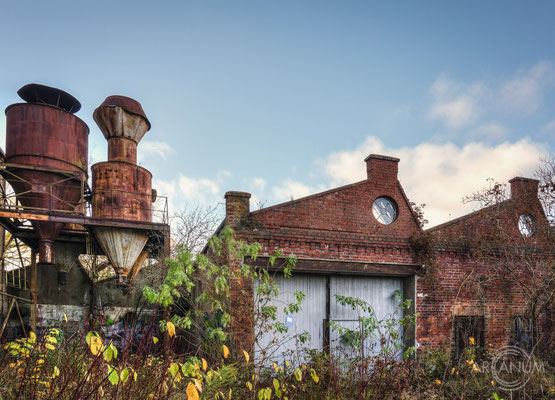
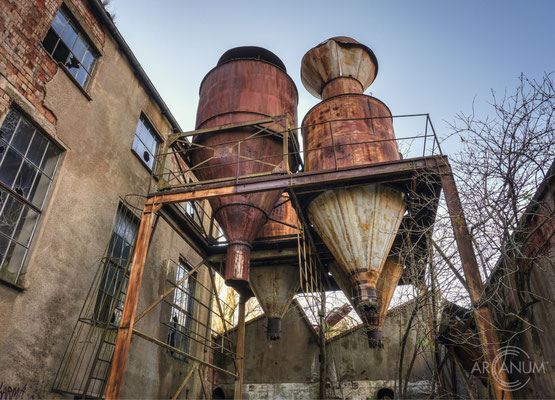
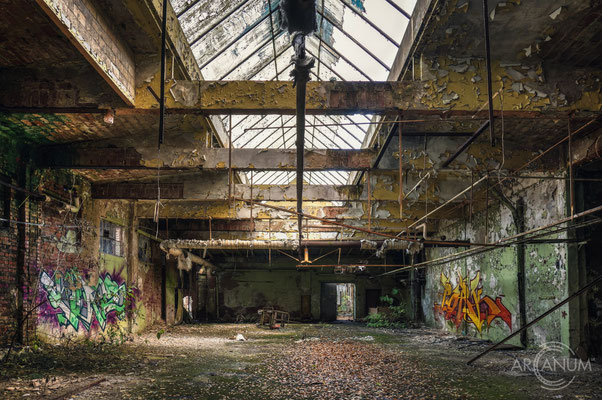
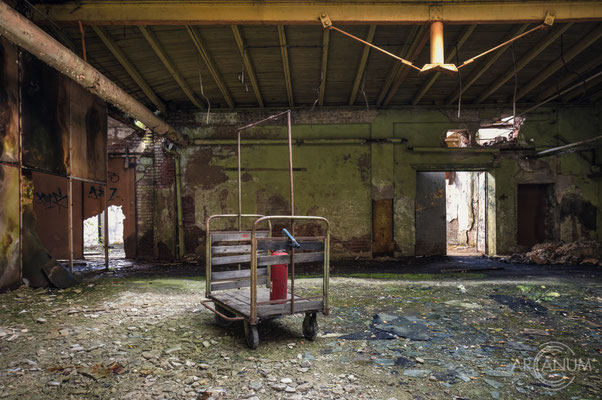
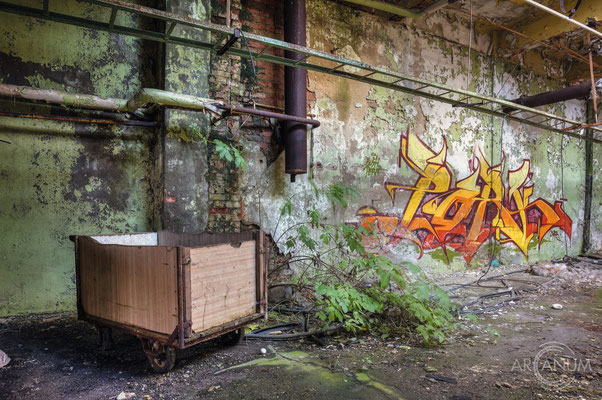
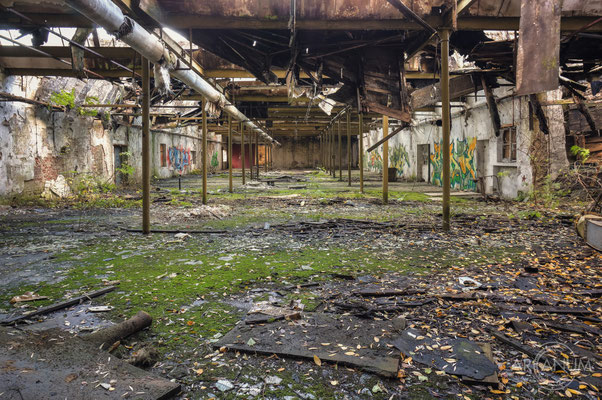
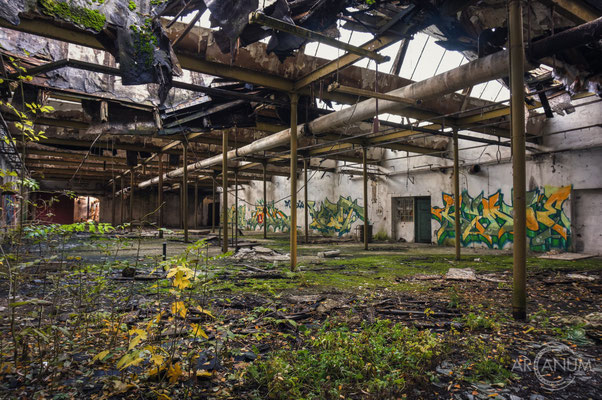
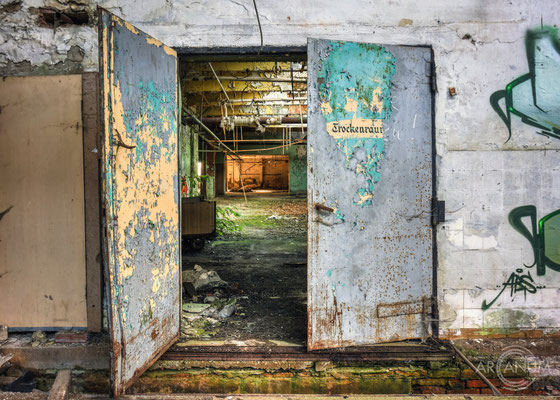
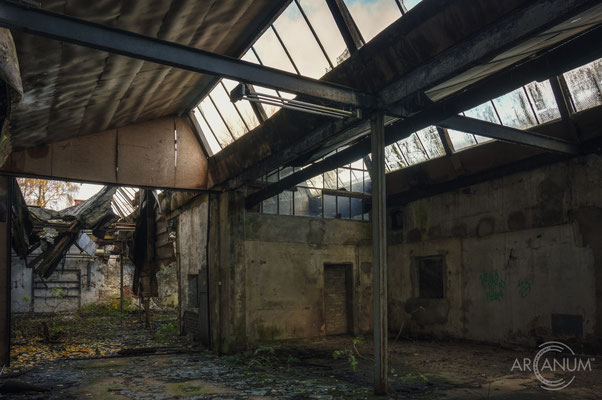
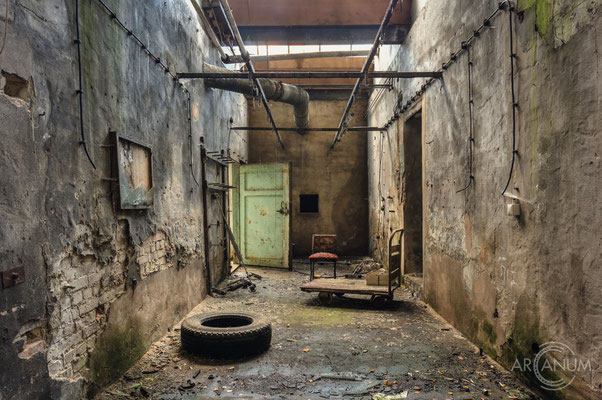
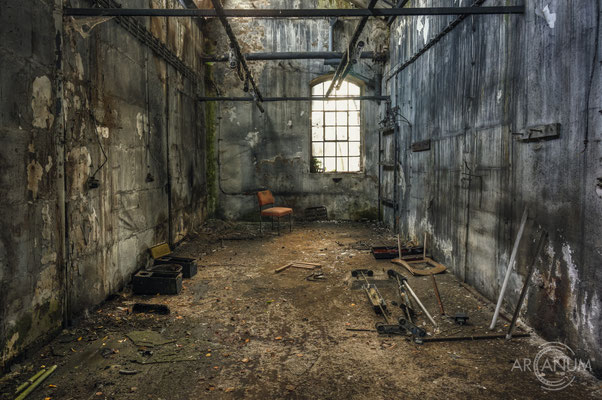
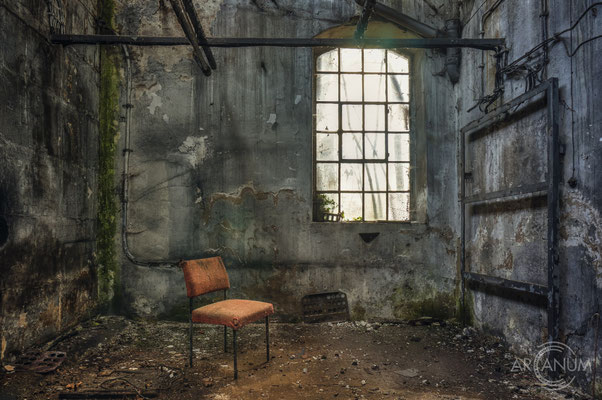
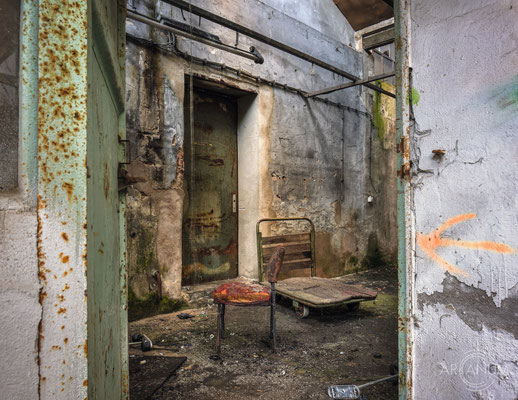
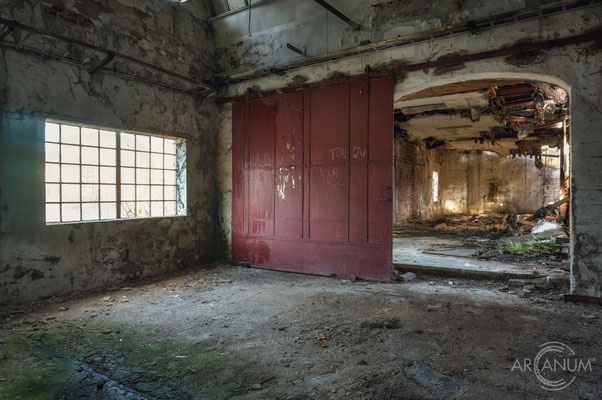
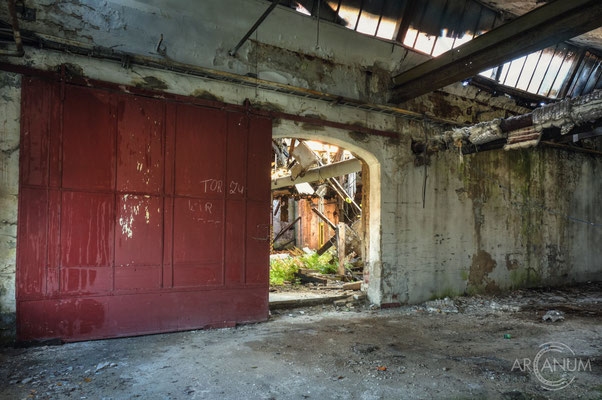
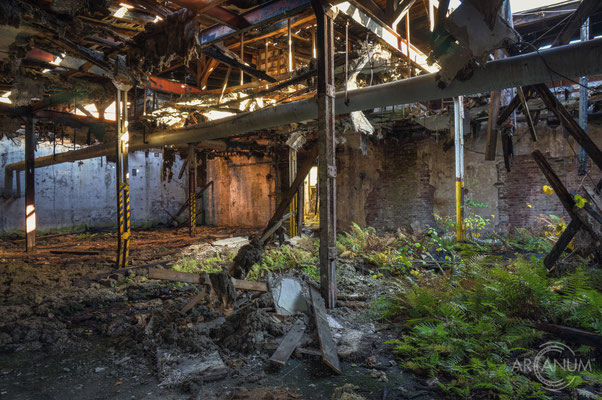
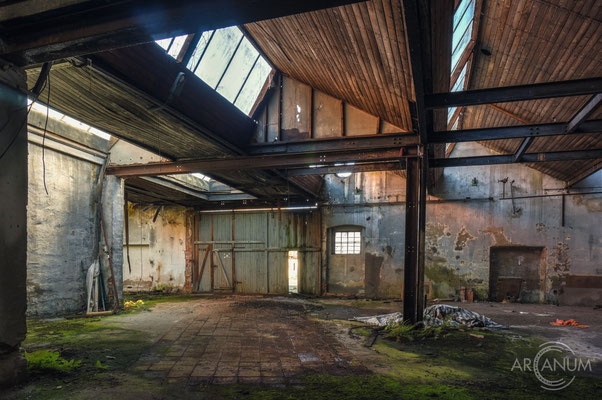
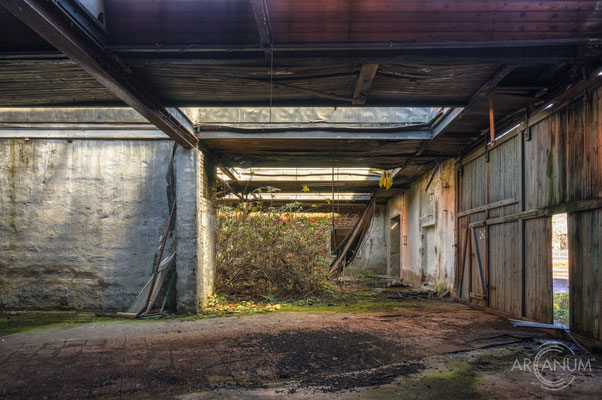
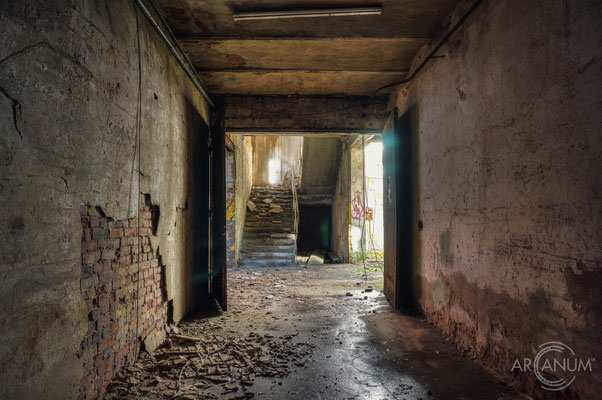
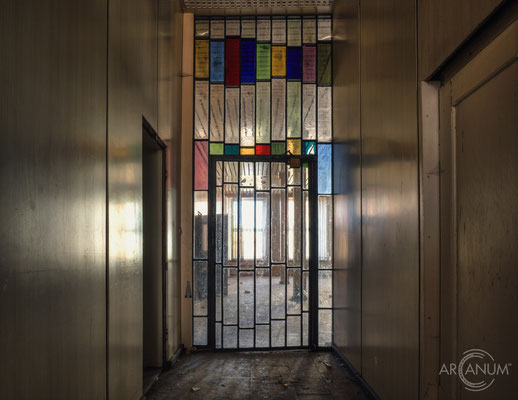
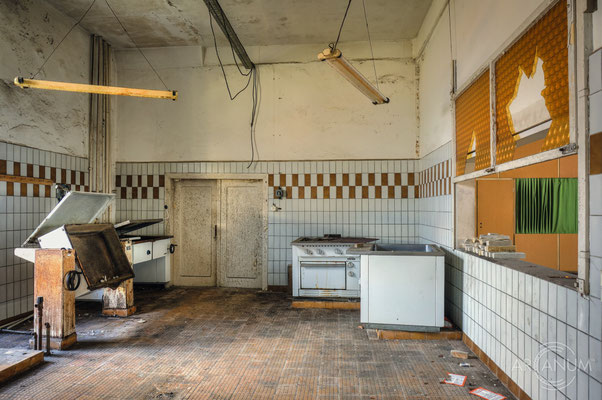
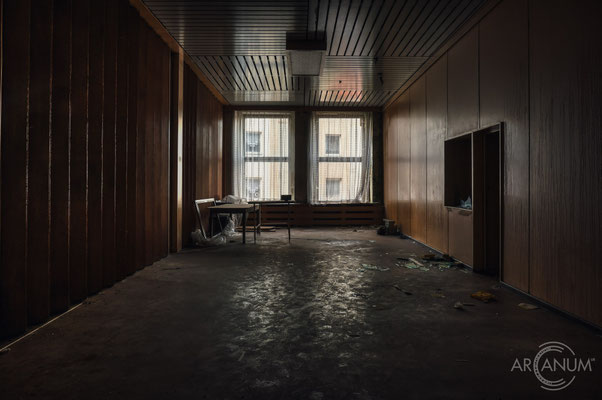
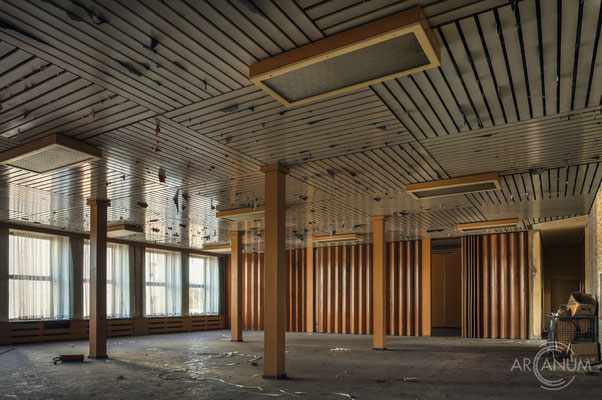
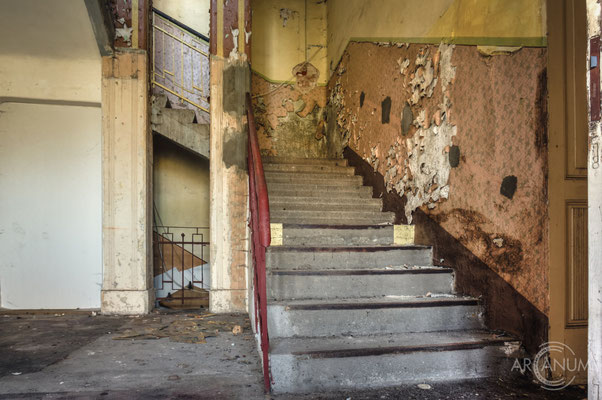
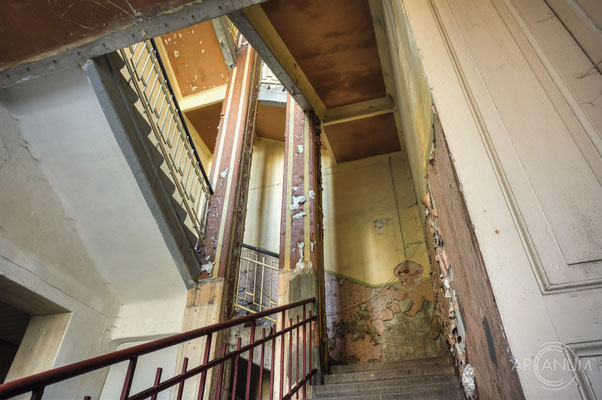
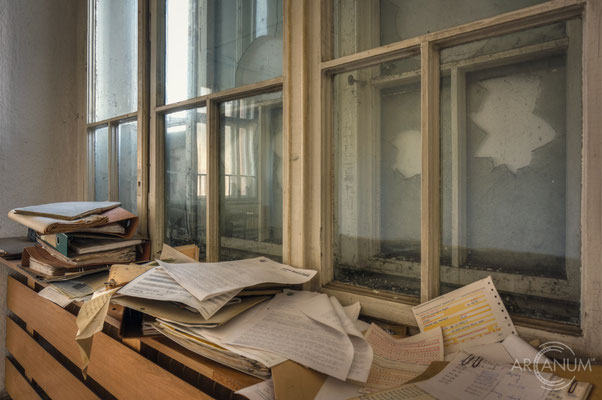
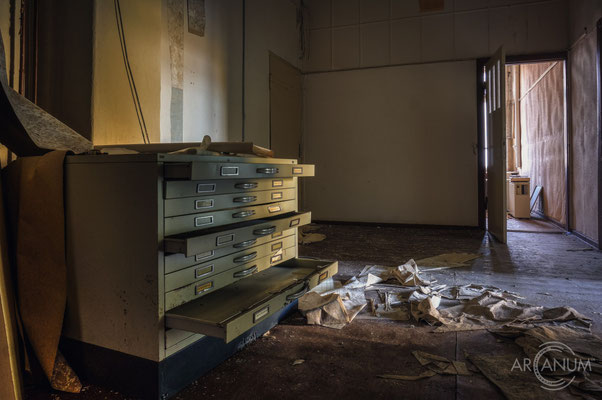
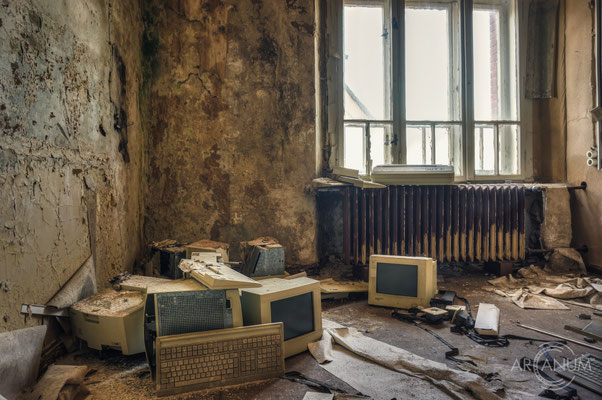
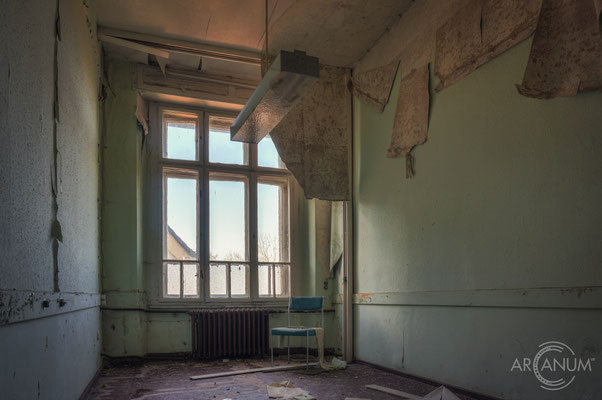
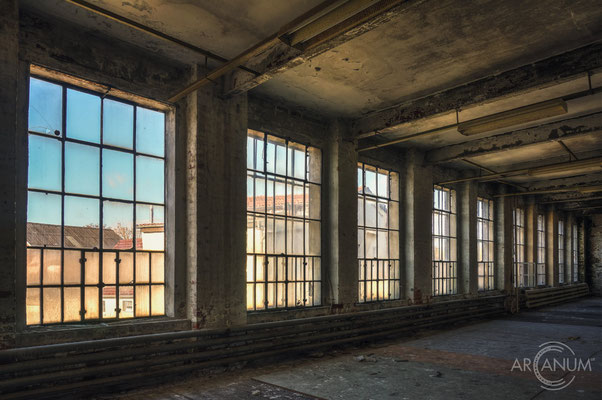
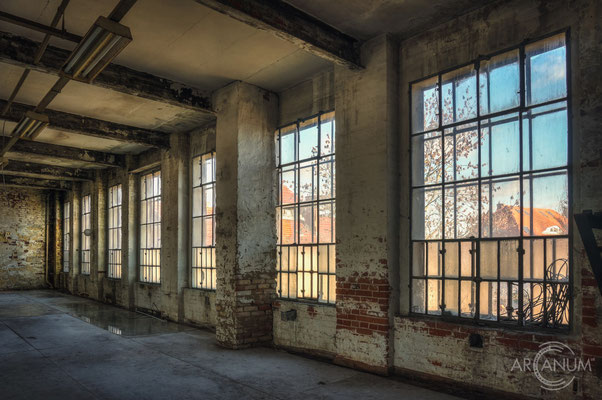
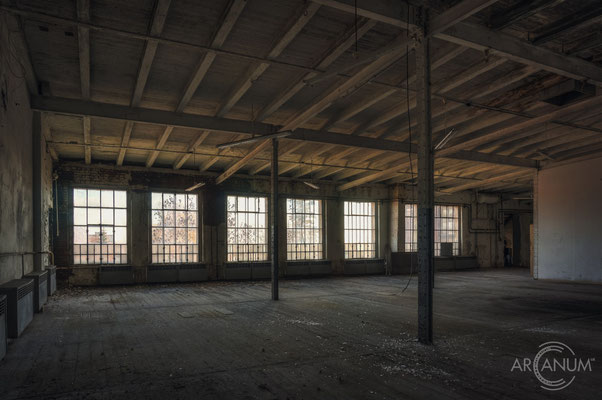
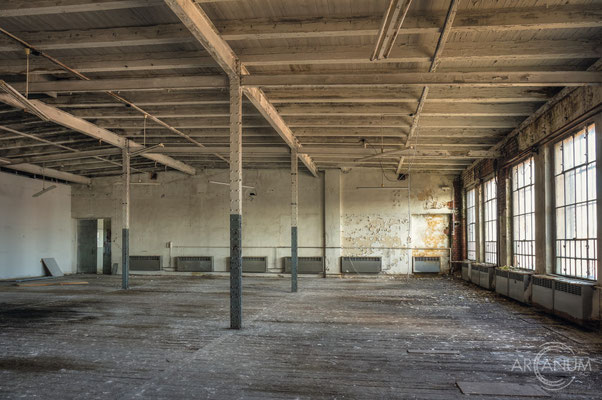
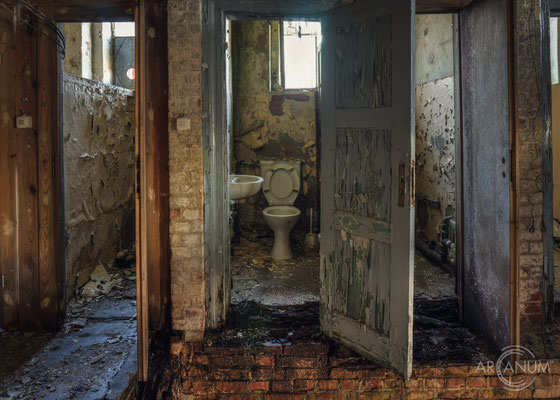
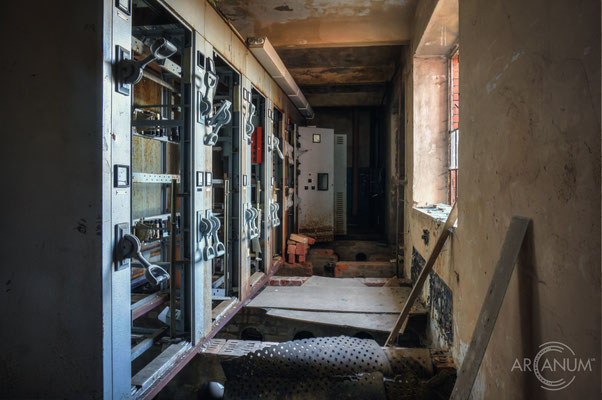
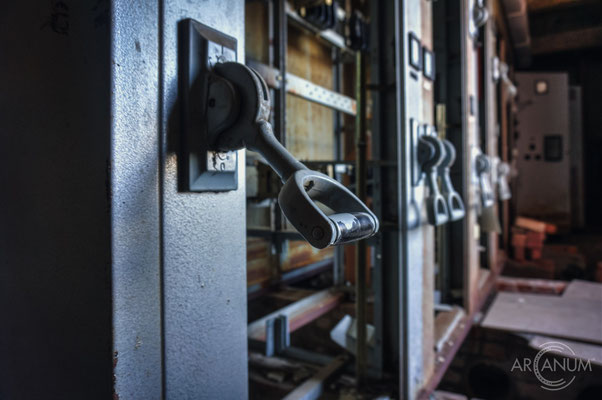
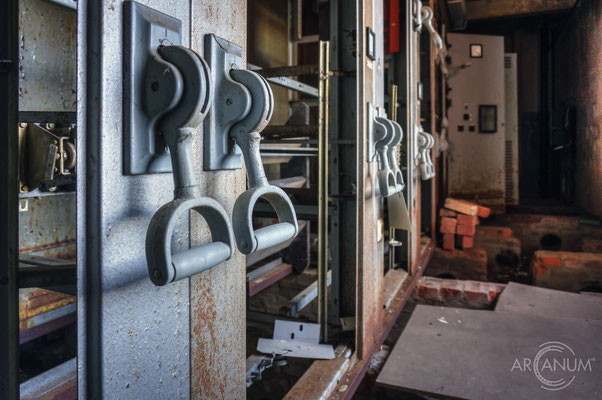
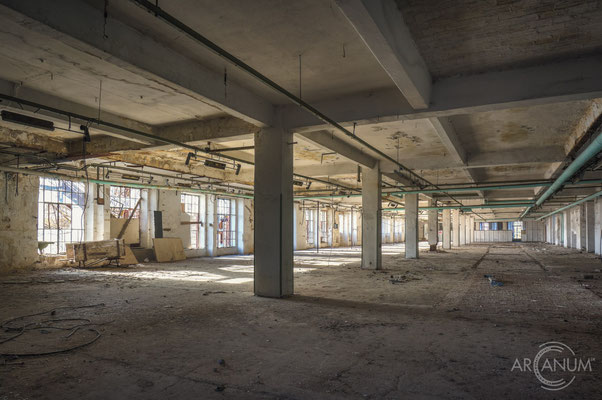
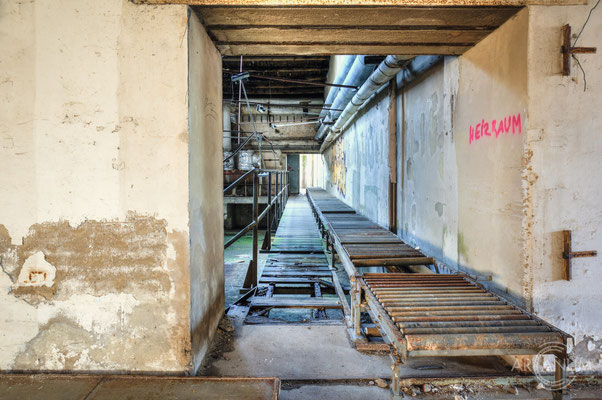
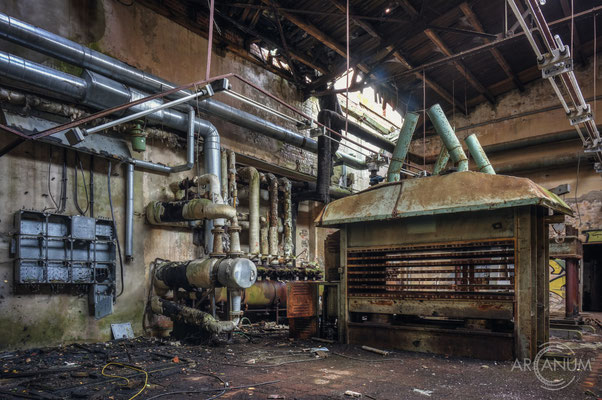
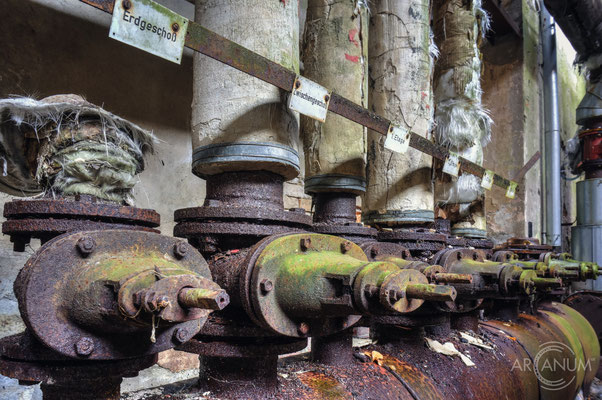
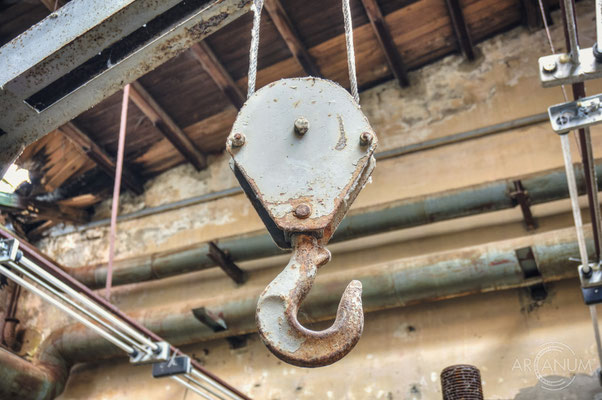
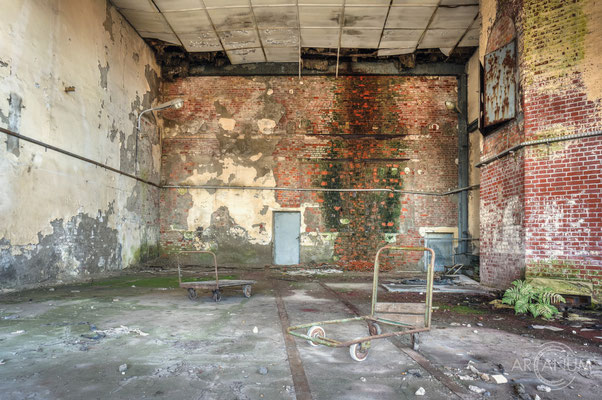
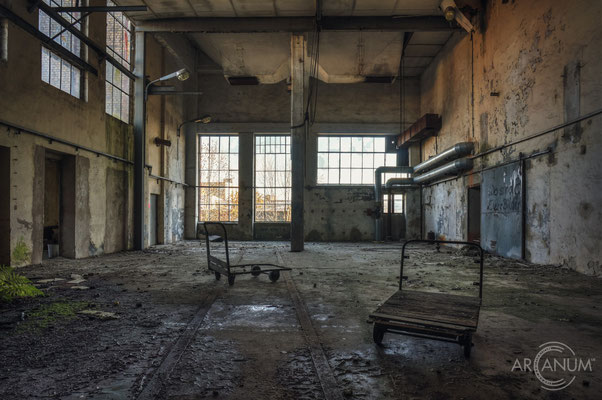
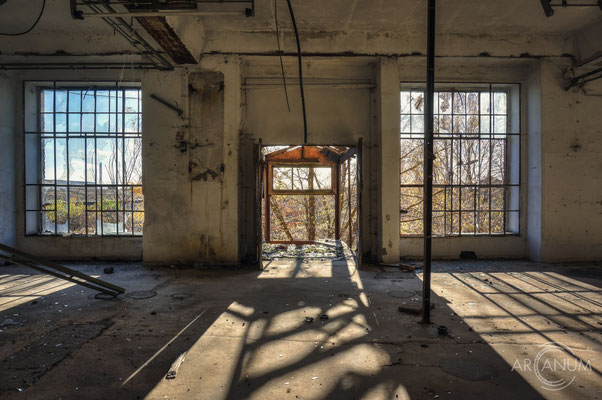
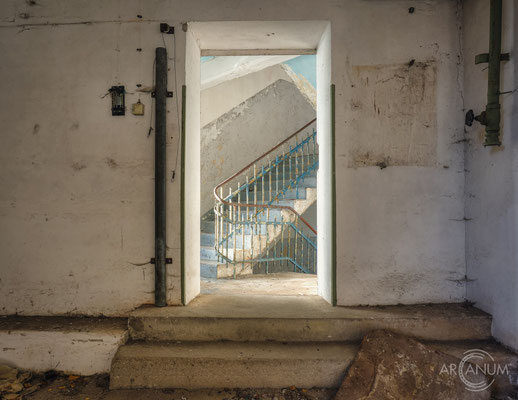
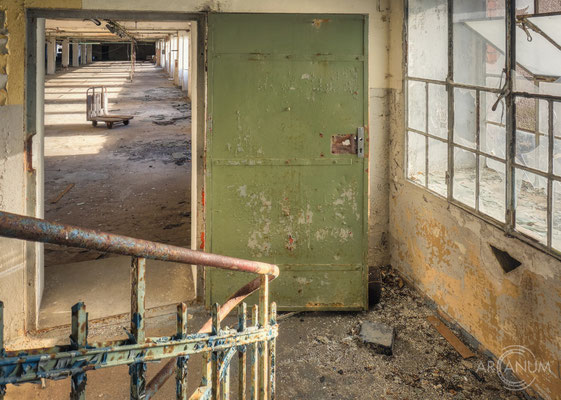
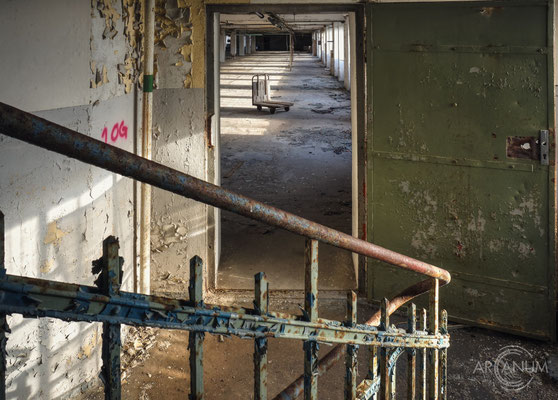
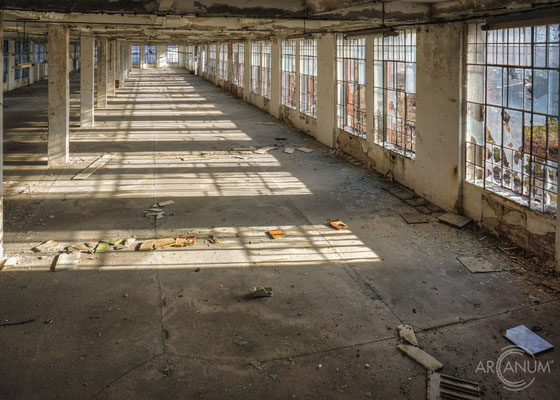
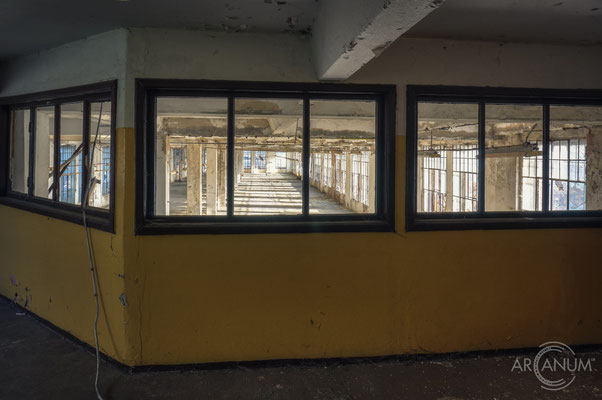
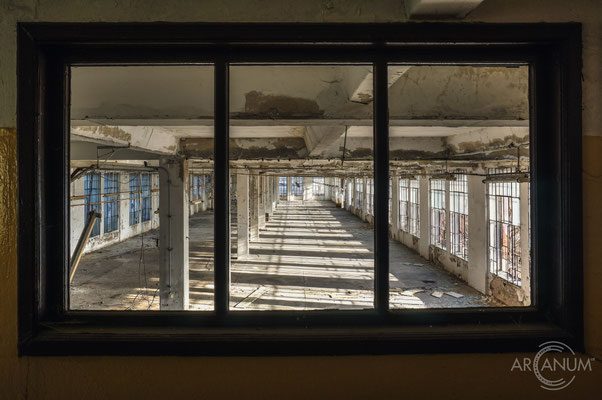
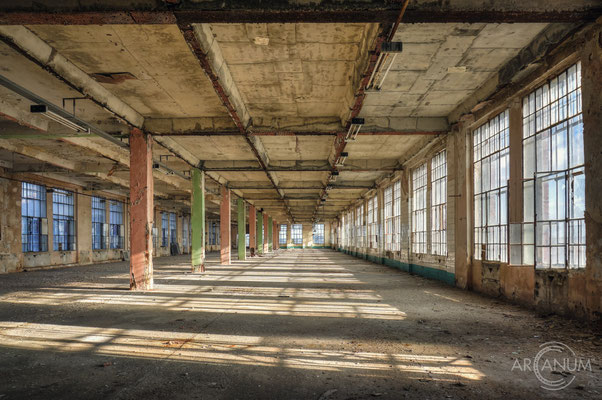
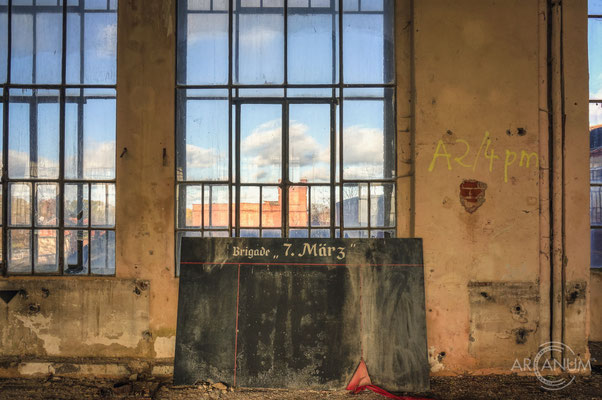
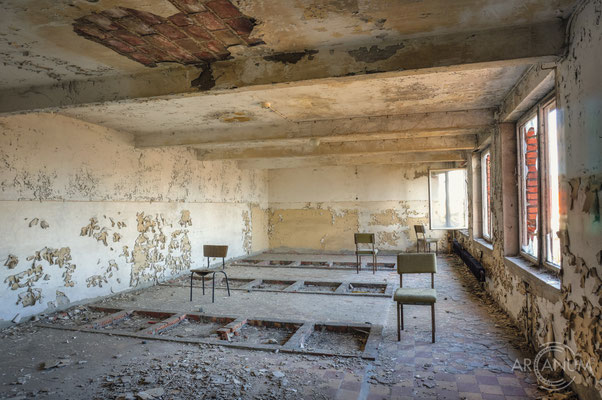
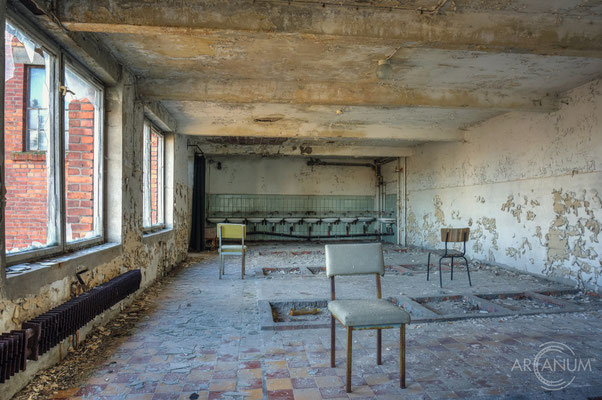
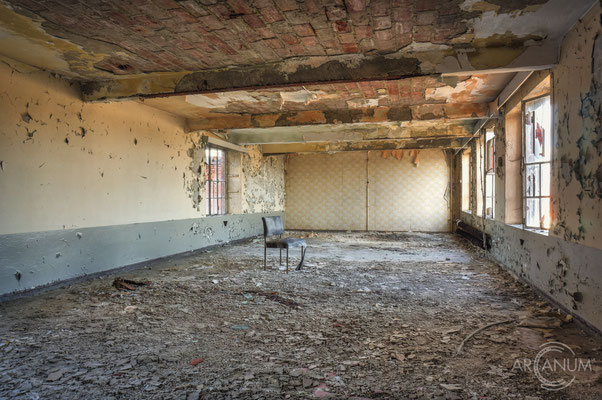
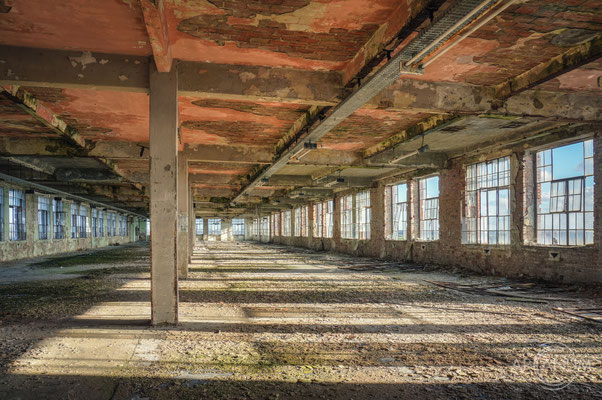
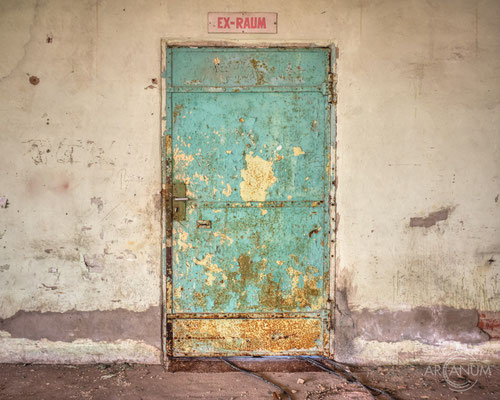
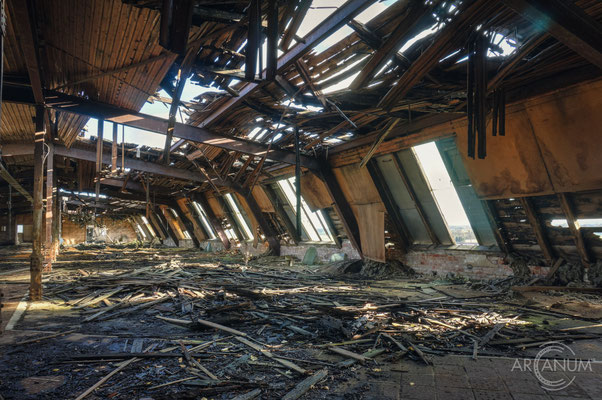
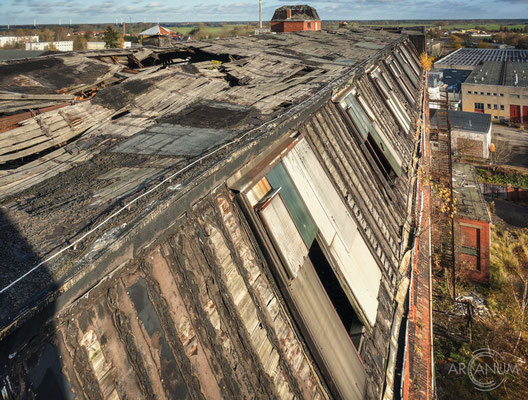
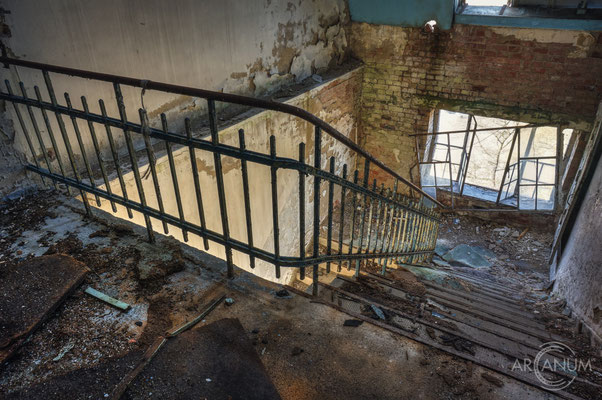
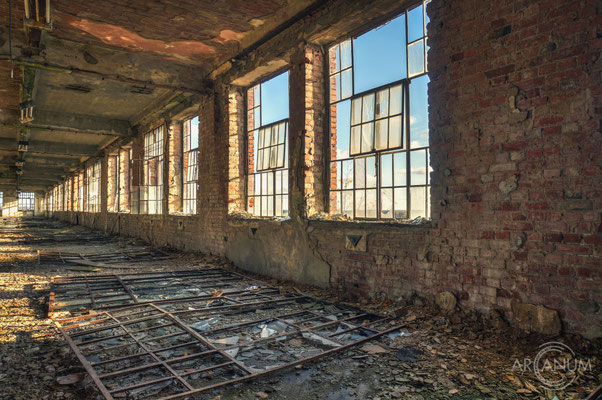
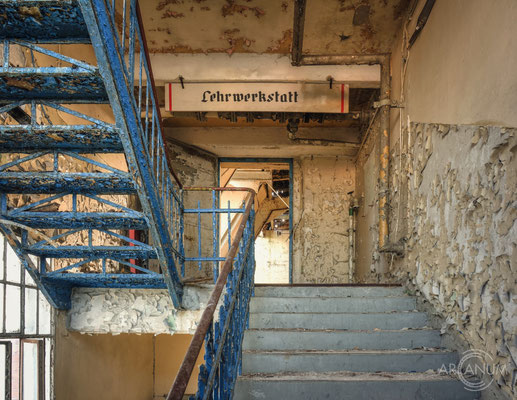
Today, the abandoned buildings bear the visible scars of time: broken windows, peeling paint, silent halls, and rusting machinery. At the same time, the site is protected as an industrial monument, recognized for its historical and architectural significance. It represents more than decay—it tells a story of craftsmanship, industrial ambition, war, political systems, and economic change.
For Lost Place explorers, the former cloth factory is a hauntingly beautiful space, where light and shadow reveal layers of forgotten labor. For historically minded visitors, it is a tangible link to the industrial past of Brandenburg and to the people whose lives were shaped by textile production for generations. Between ruin and memory, the factory remains one of Wittstock’s most evocative places.
Looking Ahead: Plans for the Site
In recent years, the City of Wittstock/Dosse has been working to give new purpose to the long-abandoned cloth factory site. After acquiring the property, the local government commissioned feasibility studies exploring possible future uses of the historic industrial ensemble, which includes several protected buildings at Walter-Schulz-Platz.
The most advanced proposal envisions transforming the former factory into a “Education Campus” that would consolidate several local schools and educational institutions within the old structures. This concept - supported by architectural competitions and planning efforts - aims to preserve the industrial character of the buildings while adapting them for classrooms, community spaces, and other learning-related functions.
While the project still depends on planning approvals, funding, and phased development, it reflects a broader effort to integrate the site back into the life of the town rather than leaving it to decay. For visitors and explorers alike, the idea that these evocative halls could become vibrant learning spaces adds a hopeful chapter to the story of this remarkable place.
Visited: November 8, 2015
Location: Wittstock/Dosse, Germany
Status: Abandoned/Development planned (2026)