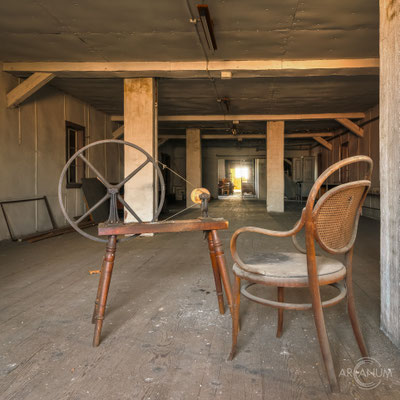
Wire-Drawing Mill "Golden Weave"
The history of this industrial site extends back more than three centuries. The business was founded in 1693 as a small manufactory producing gold and silver wire together with decorative metal goods. Over the following decades it developed from a traditional craft workshop into an industrial manufacturer, reflecting the gradual transformation of European metalworking from manual production to mechanized industry.
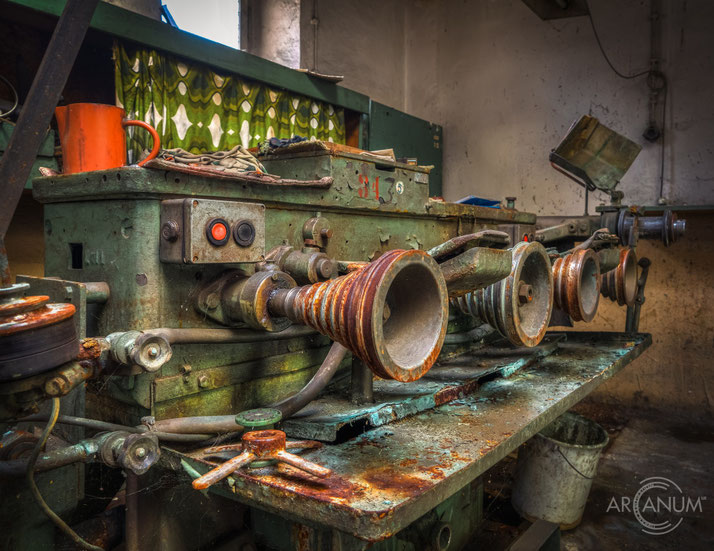
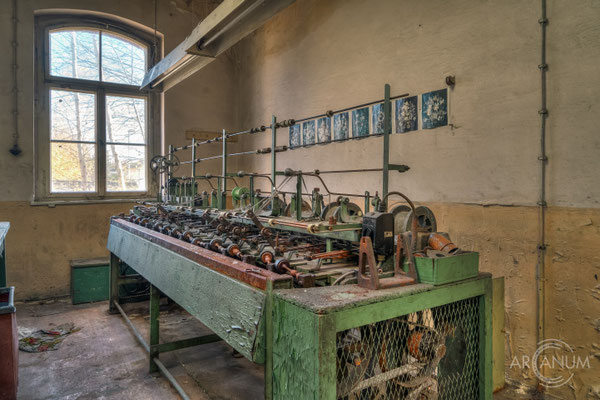
During the nineteenth century the company expanded significantly. New production buildings were erected, and the range of products evolved from decorative metal threads to precision wire manufactured from precious metals, copper and specialised alloys. These materials were supplied not only for ornamental applications but increasingly for the rapidly growing electrical industry, where extremely fine drawn wire and flexible stranded conductors became essential components.
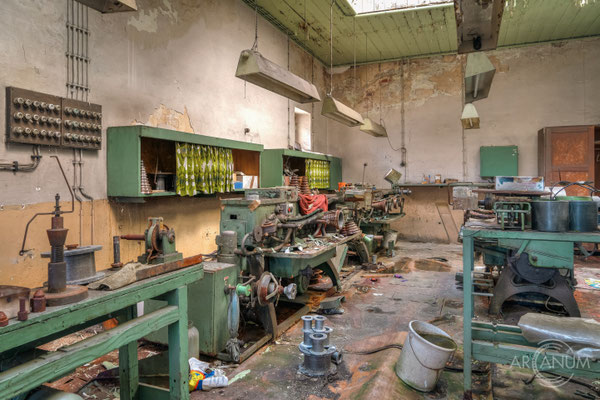
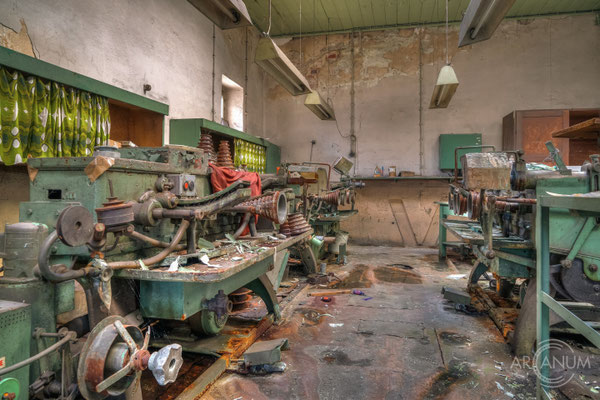
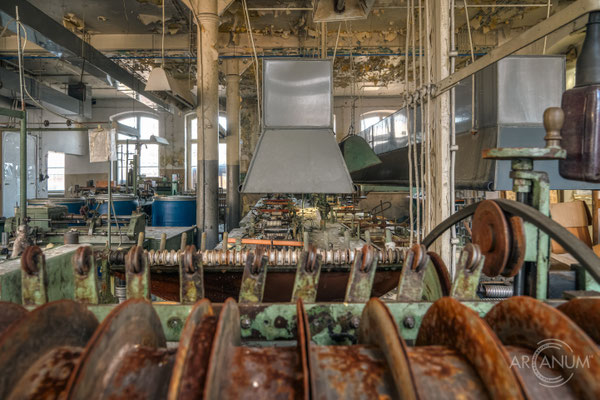
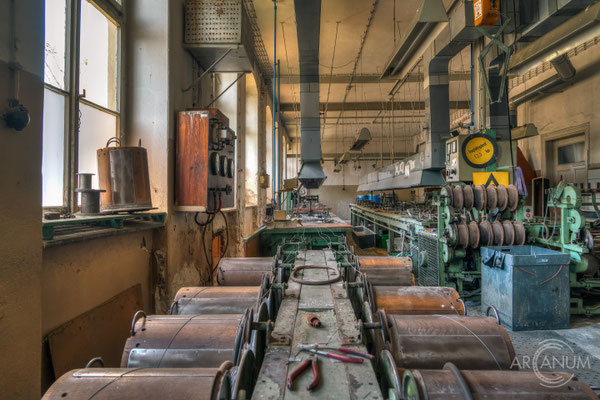
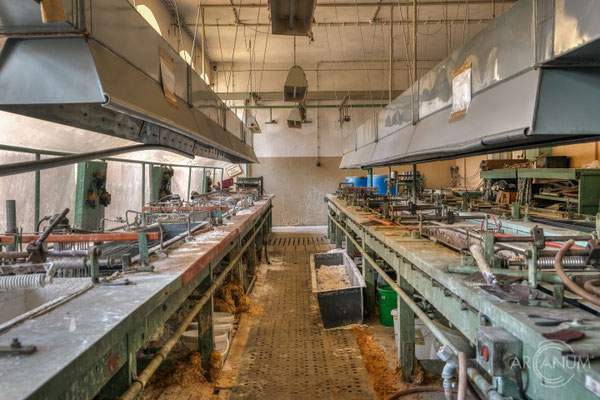
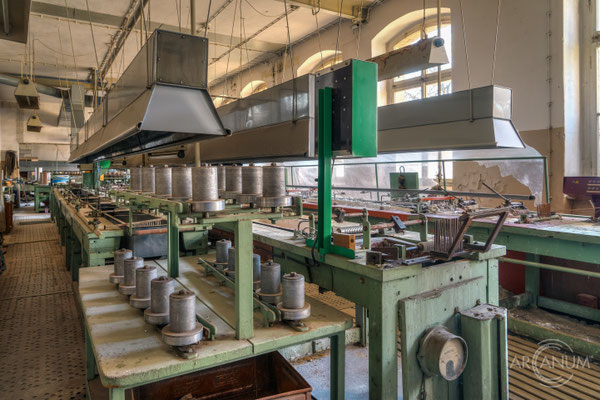
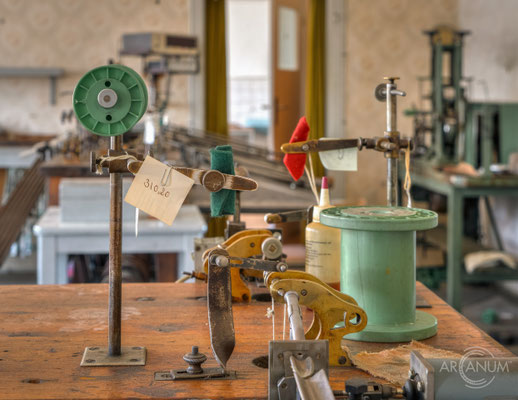
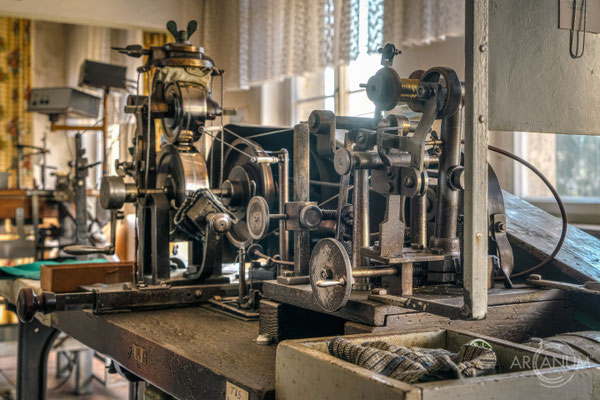
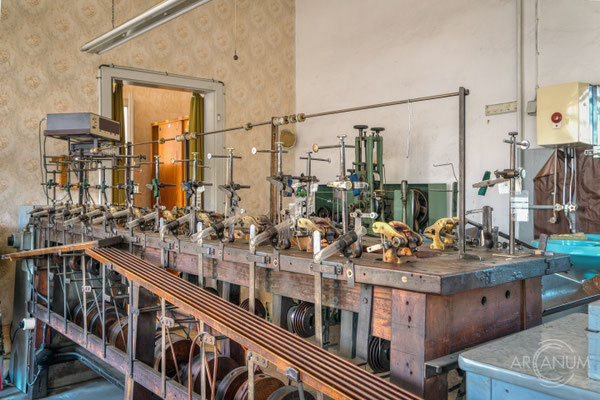
By the early twentieth century the factory had become one of the leading manufacturers in its field. Modern production methods were introduced, including electrically powered machinery, electroplating facilities for silver- and gold-coated wire, and precision wire drawing capable of producing diameters measured in fractions of a millimetre. Alongside technical wire products, the company continued to manufacture traditional decorative goods, maintaining a balance between long-established craftsmanship and modern industrial production.
After the Second World War the factory continued operating under changing political and economic conditions. It first became a partially state-owned enterprise before being fully nationalised during the industrial reforms of 1972. Production continued under state ownership as part of a larger industrial combine, with the factory remaining dedicated to the manufacture of fine wire products for industrial applications. The historic buildings continued to serve their original purpose throughout the decades of the centrally planned economy, although only limited investment was made in their architectural preservation.
Following the political changes of 1989–1990, the state-owned enterprise was dissolved and the company returned to private ownership. In 1993, the business celebrated the 300th anniversary of its original foundation, emphasizing an industrial tradition that had survived monarchy, industrialisation, two world wars, the socialist period and German reunification. Despite these efforts, manufacturing eventually ceased and the extensive factory complex gradually fell vacant.
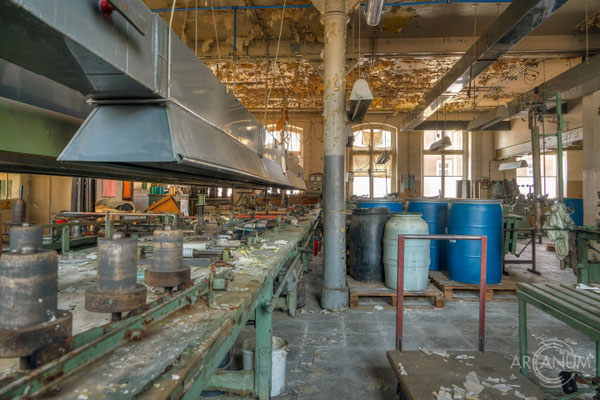
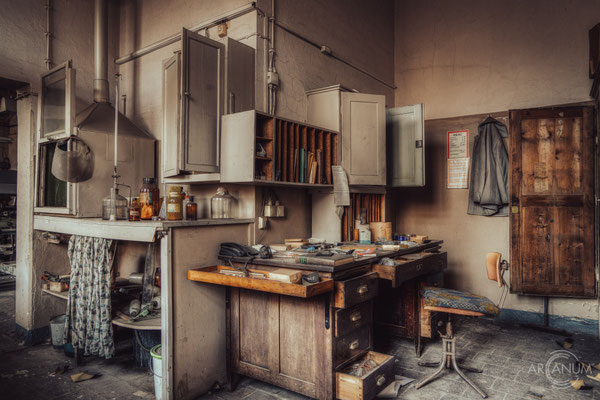
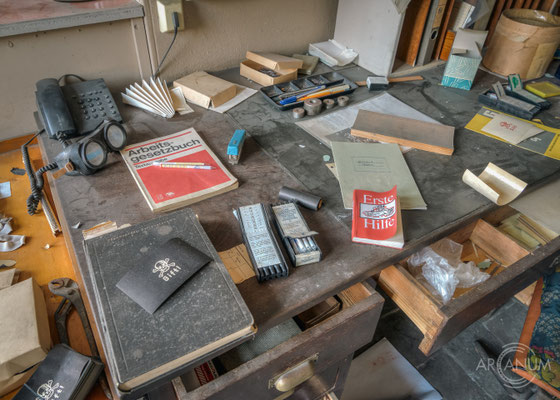
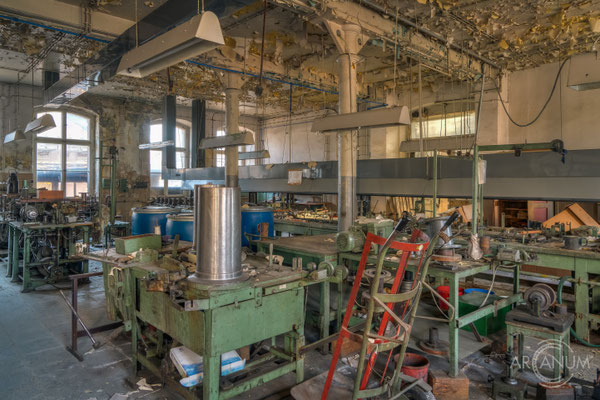
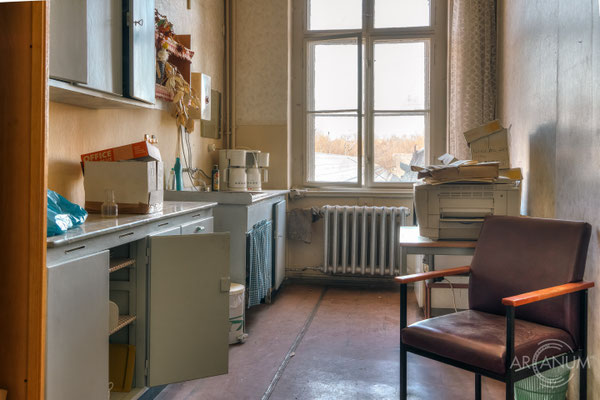
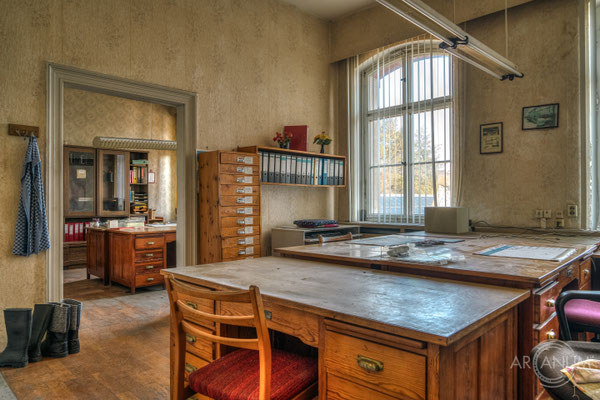
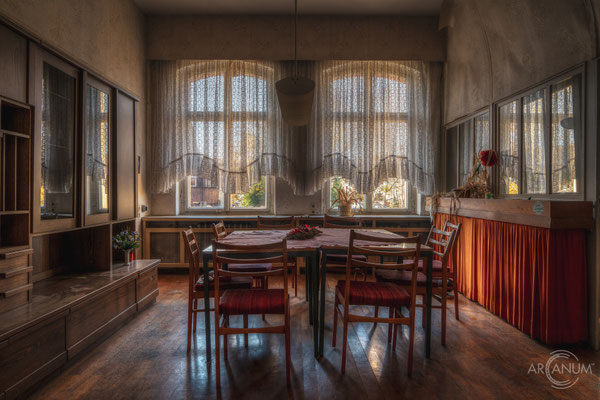
Today, the remaining buildings preserve the architectural record of more than three hundred years of industrial development. Successive generations of workshops, production halls and administrative buildings illustrate how a small eighteenth-century manufactory evolved into a modern wire-producing factory before becoming part of the twentieth century's state-controlled industrial system and, ultimately, an abandoned industrial heritage site.
Visited: November 12, 2021
Location: Undisclosed, Germany
Status: Abandoned