Soviet Airfield LT
Origins of the Airfield
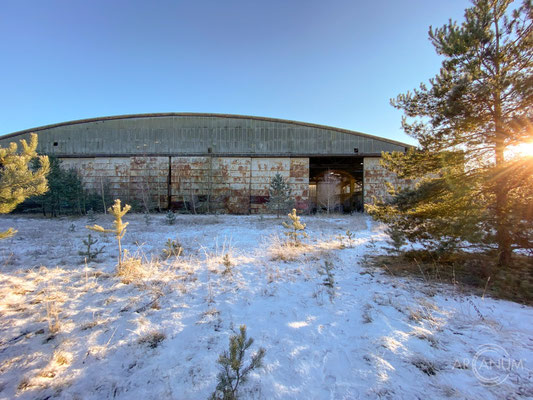
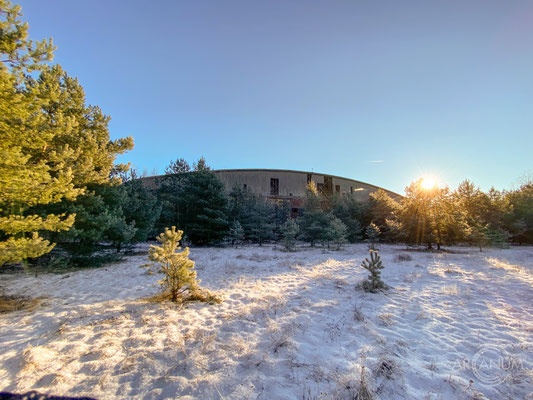
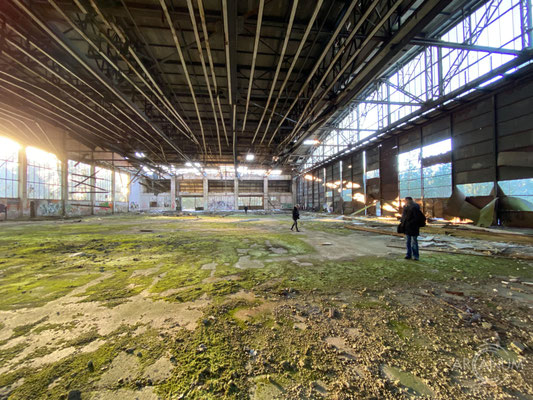
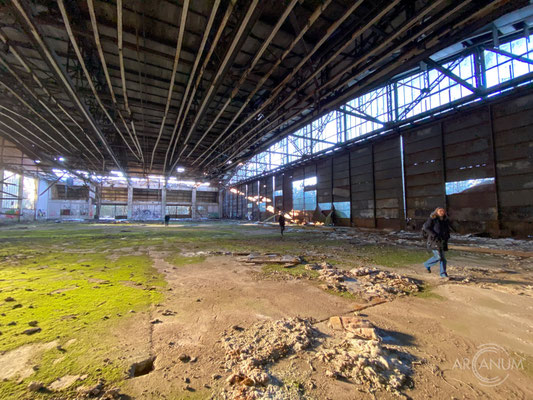
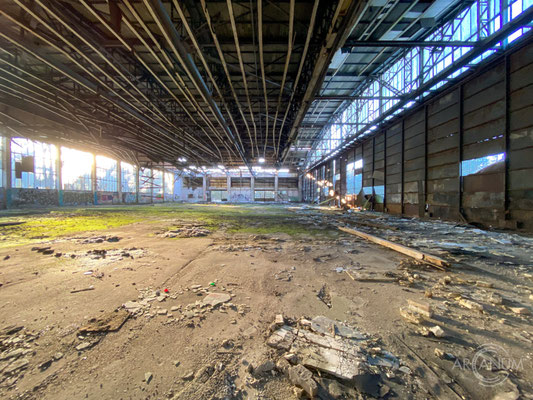
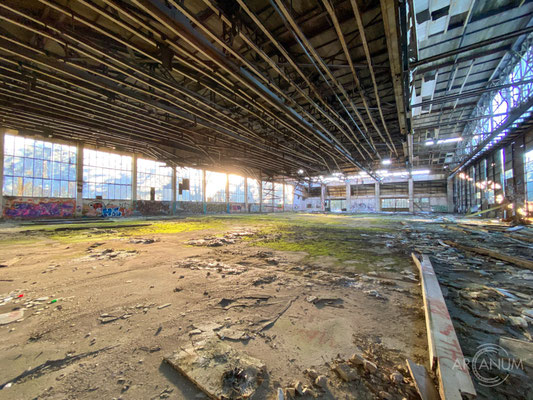
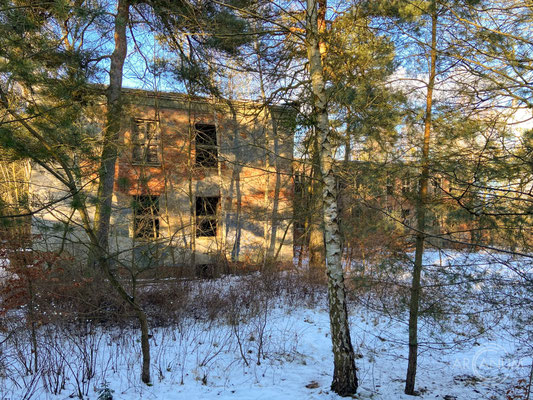
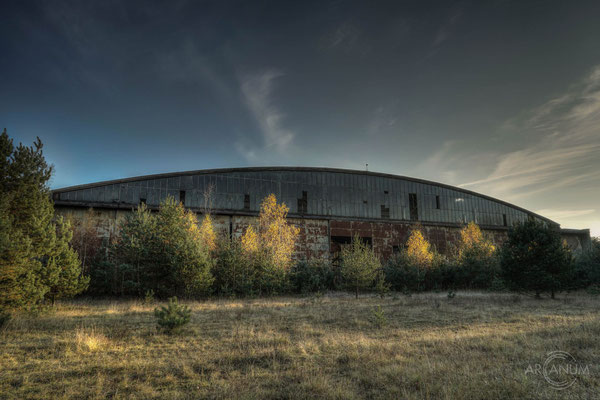
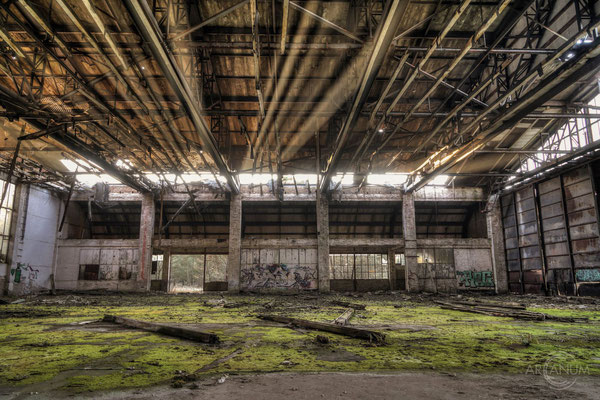
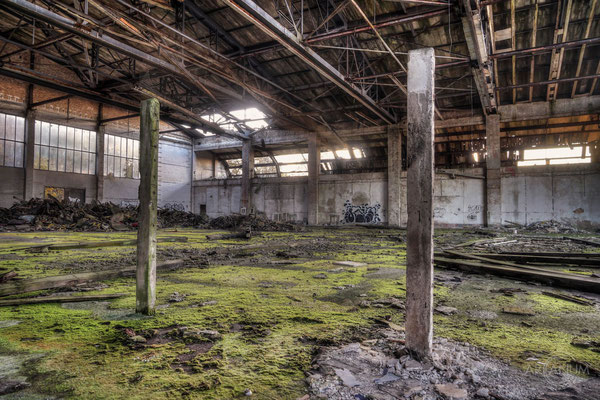
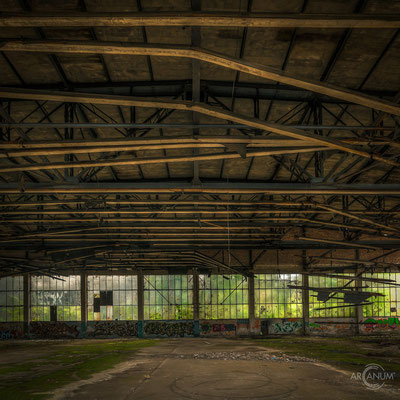
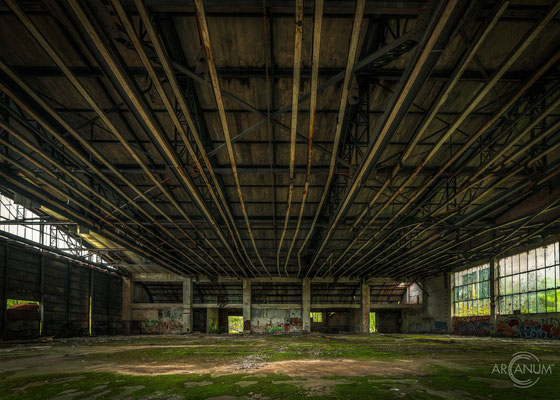
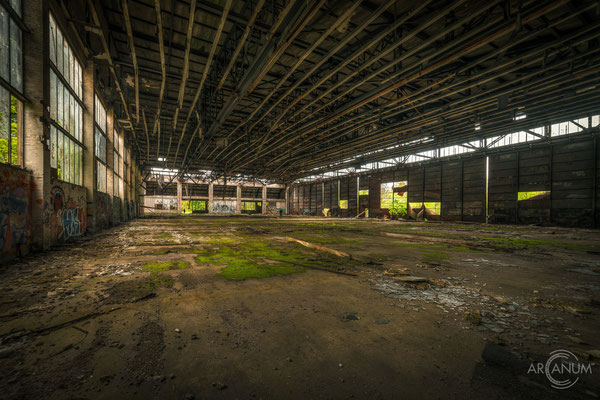
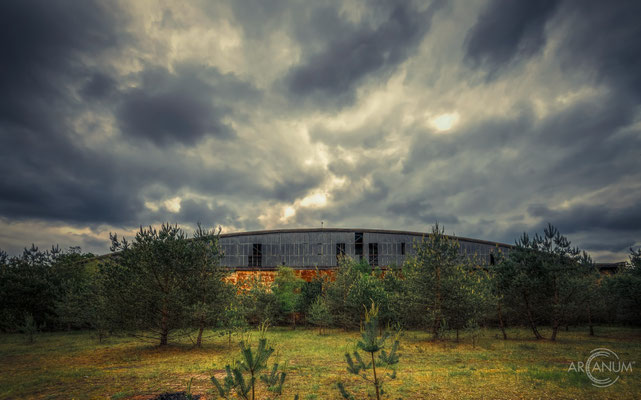
Ludwigslust-Techentin Airfield was constructed between 1934 and 1935 as part of the rapid expansion of the German Luftwaffe. Like many military airfields of its era, it had no paved runways; aircraft operated from a large grass landing field. Three large aircraft hangars were built along the southeastern edge of the airfield, while two additional maintenance halls occupied the northern corner. The flight control building stood to the southeast, and the barracks and support facilities were located on the northeastern side of the base.

Luftwaffe Service
A flying school was established at the airfield in 1935 but was relocated shortly after the outbreak of the Second World War in September 1939. For a brief period, the base was occupied by II./Lehrgeschwader 1 (Training Wing 1).
In April 1941, Aufklärungsschule 3 (Reconnaissance Training School No. 3) moved to Ludwigslust-Techentin, remaining for approximately one year. Afterwards, the airfield saw relatively little activity until late October 1943, when II./JG 301 arrived. Only a month later, the unit was redesignated as II./JG 302.
During July and August 1944, the airfield also hosted a group of twenty Finnish pilots who received training on German night fighters.
After the War
On 3 May 1945, the airfield was captured by elements of the U.S. 8th Infantry Division together with units of the 82nd Airborne Division. Following the Allied agreements on occupation zones, the site was handed over to the Red Army in July 1945.
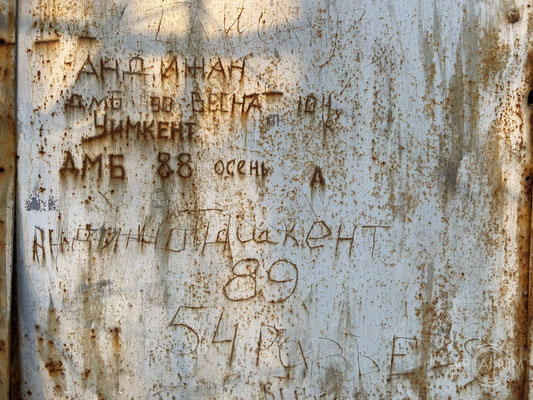
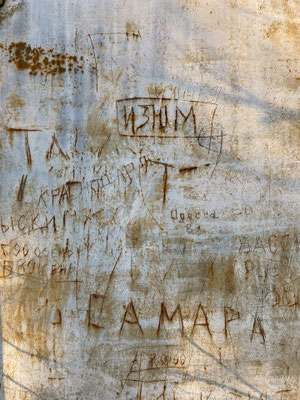
Although the Soviet forces kept most of the original infrastructure intact, the former Luftwaffe base was never returned to operational flying. Instead, an emergency wartime airstrip was established about two kilometres to the northeast. The original airfield was subsequently used for military purposes, including a Soviet electronic intelligence (ELINT) facility.
The area is also associated with one of the final Cold War tragedies. On 24 March 1985, U.S. Army Major Arthur D. Nicholson Jr., a member of the U.S. Military Liaison Mission in East Germany, was shot and killed by a Soviet sentry while observing military installations in the vicinity. He is widely regarded as the last U.S. serviceman killed by Soviet forces during the Cold War.
Since Reunification
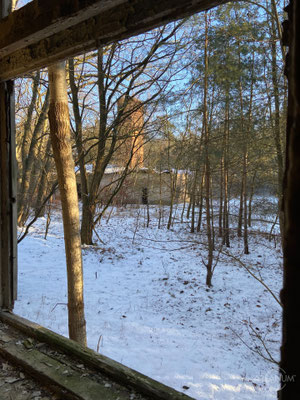
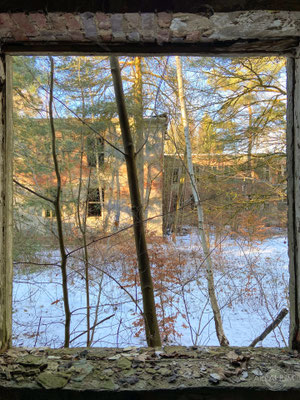
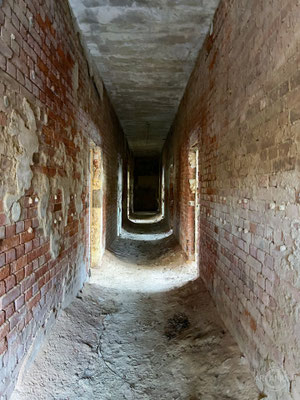
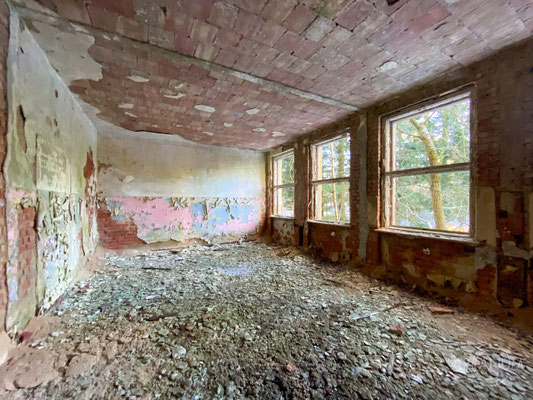
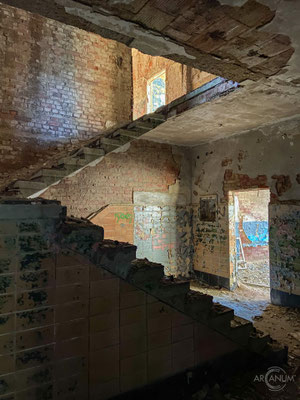
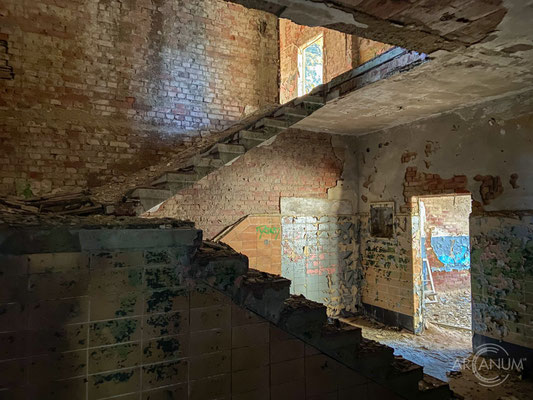
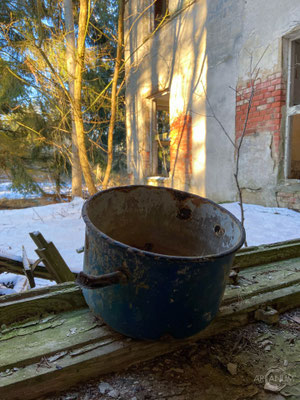
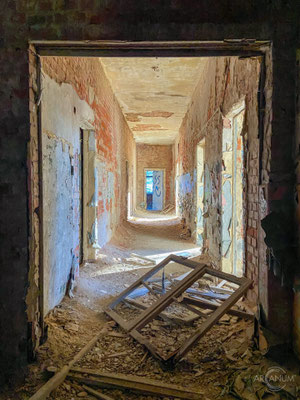
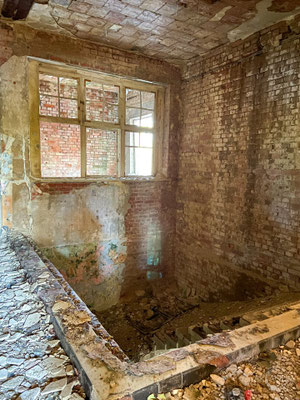
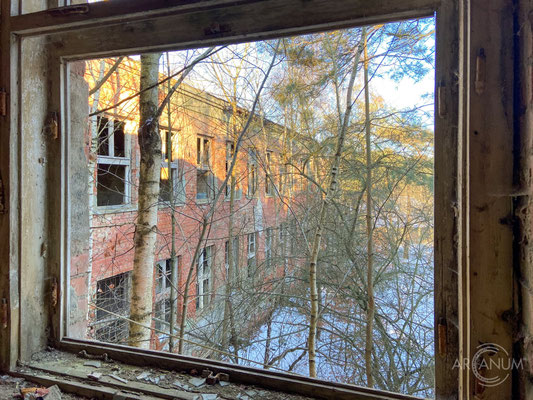
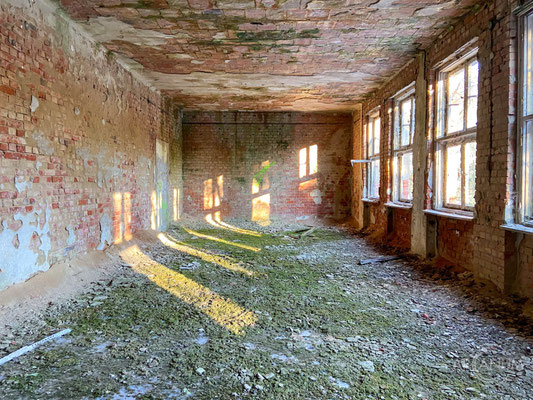
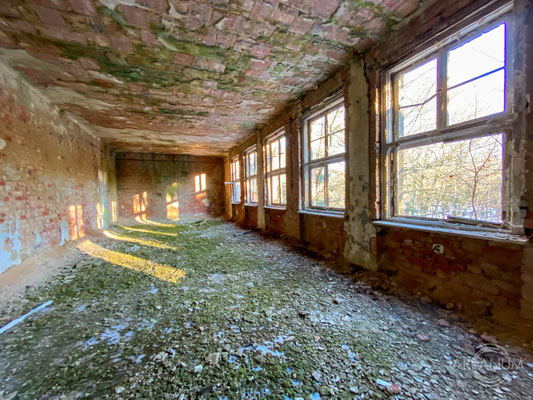
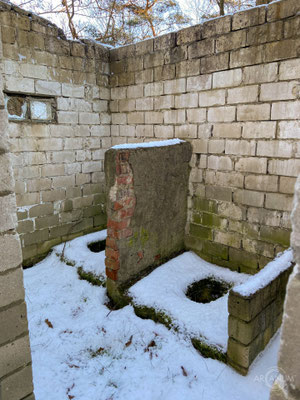
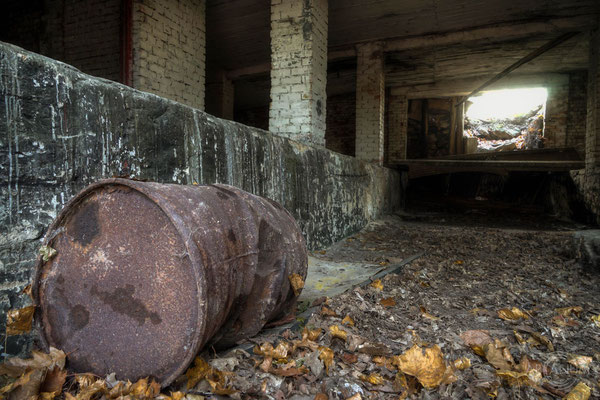
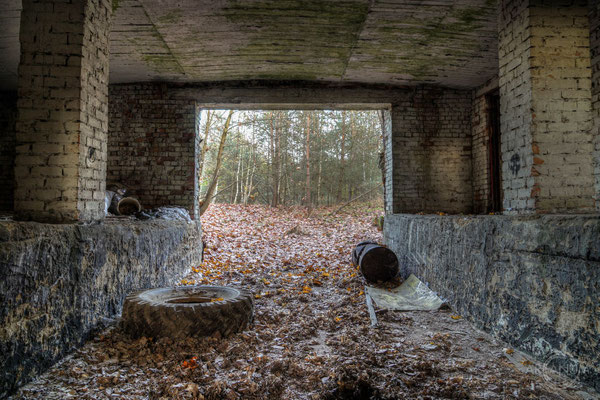
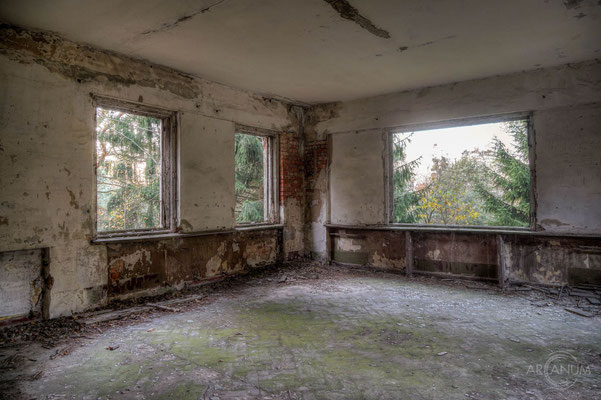
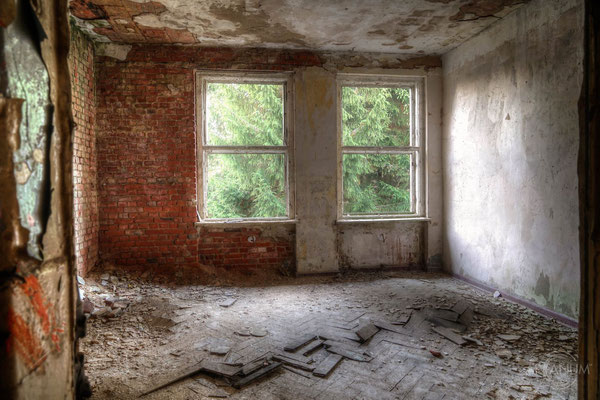
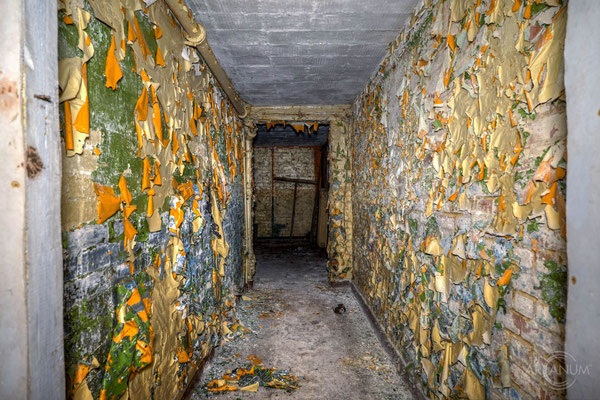
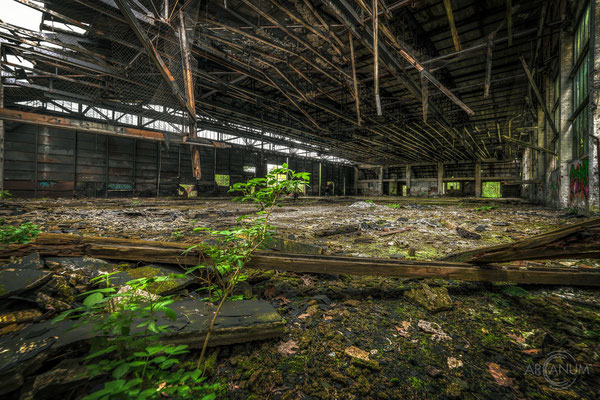
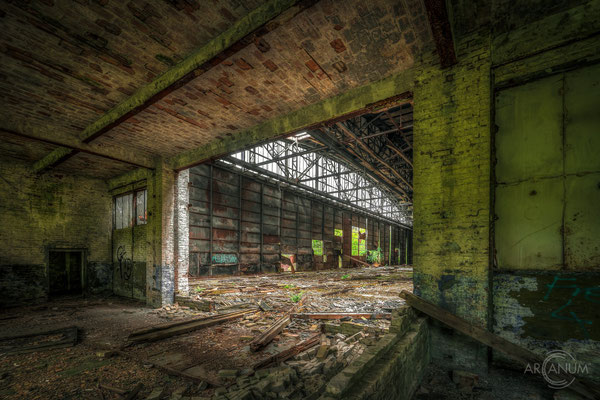
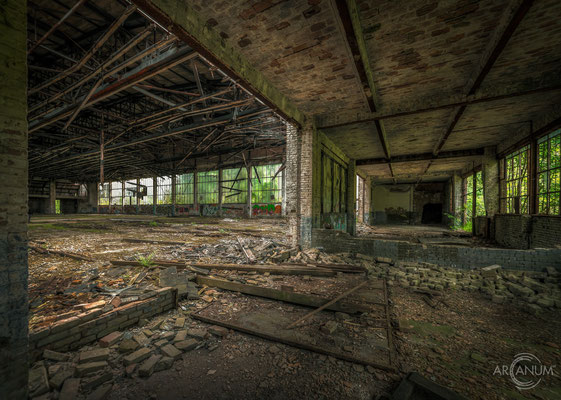
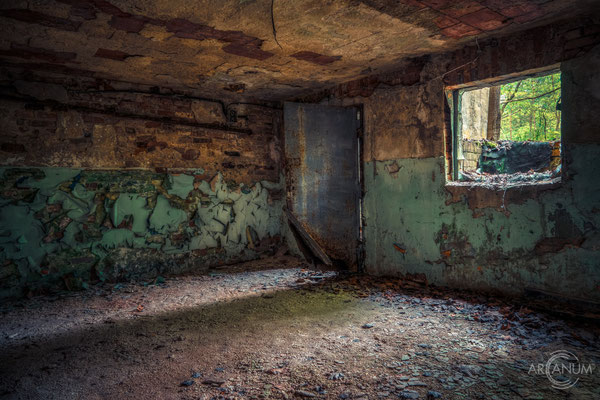
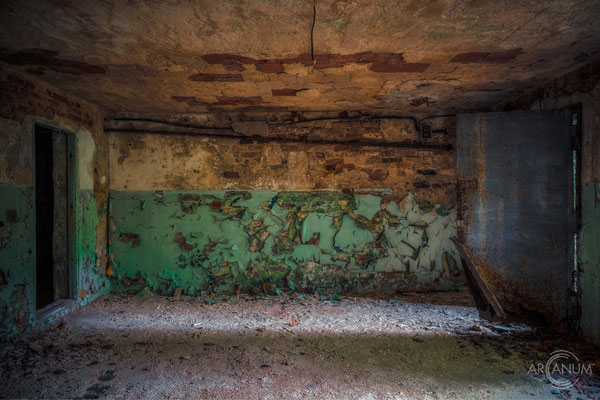
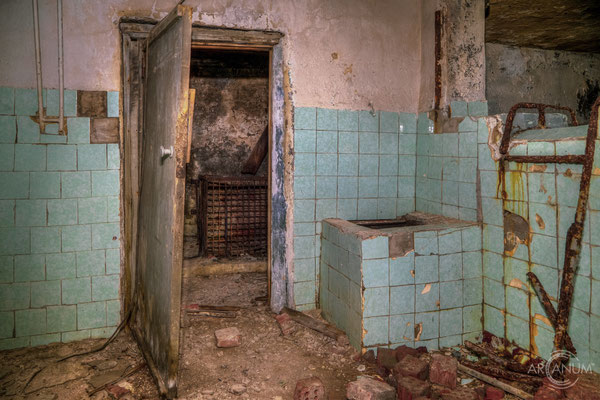
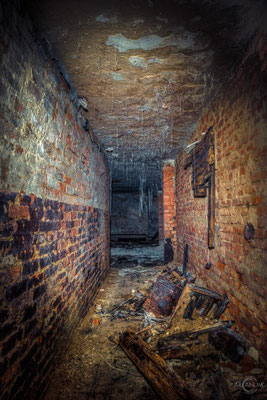
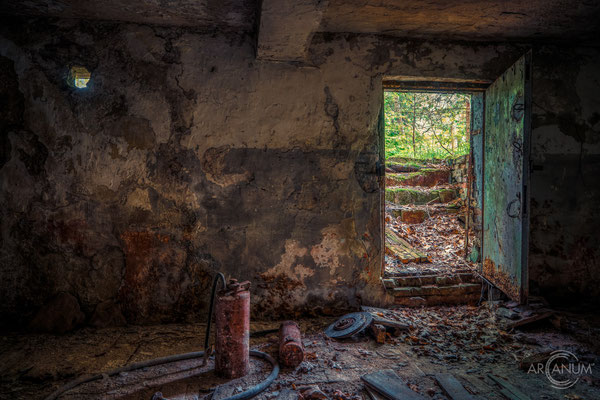
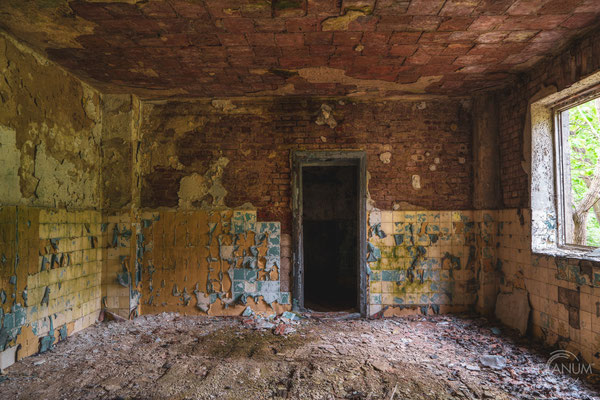
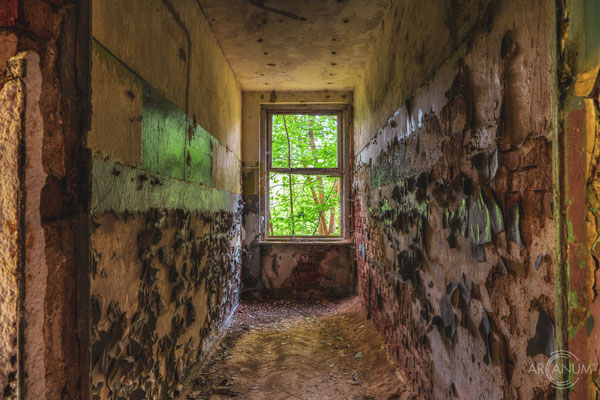
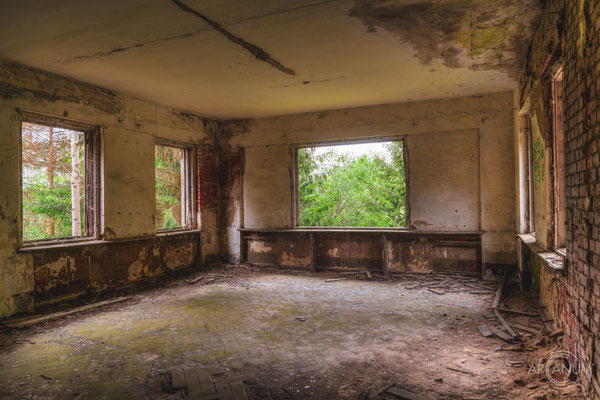
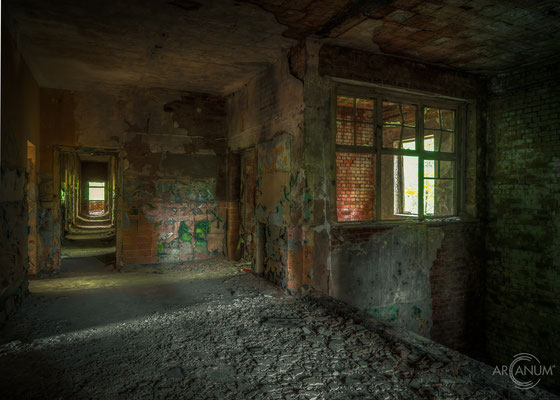
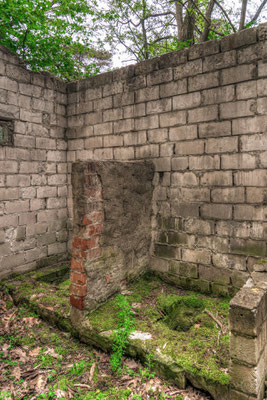
Following German reunification, the former airfield was returned to German ownership in 1990. Although flying operations never resumed, many of the original military buildings survived for decades, making Ludwigslust-Techentin one of the more interesting former Luftwaffe airfields for historians and urban explorers alike.
Visited: November 13, 2016, May 25, 2019 and December 26, 2021
Location: Ludwigslust, Germany
Status: Abandoned














GALLERY UPDATE!
New photos added taken on May 25, 2019.




























GALLERY UPDATE!
New photos added taken on December 26, 2021.