Soviet Nuclear Weapons Depot H.
Hidden deep within the forested landscape of northern Brandenburg, near the towns of Lychen and Himmelpfort, lie the remains of one of the most secretive military installations of the Cold War: the Soviet Special Weapons Storage Facility Lychen/Himmelpfort. For decades, this site played a silent but crucial role in the nuclear strategy of the Warsaw Pact, while officially not existing at all.
Soviet Designation and Construction
Within the Soviet military system, the site was classified as a Special Weapons Storage Facility (Специальное хранилище), internally referred to as a “Special Object” (Спецобъект). Like comparable installations, it was camouflaged under an innocuous cover designation and usually associated with a postal field number rather than a real place name, making it nearly impossible to identify from open sources during the Cold War.
The facility was constructed in the late 1960s to early 1970s, during a period of intensified nuclear confrontation between NATO and the Warsaw Pact. It followed a standardized design used across the Soviet Union and its forward-deployed forces in Eastern Europe.
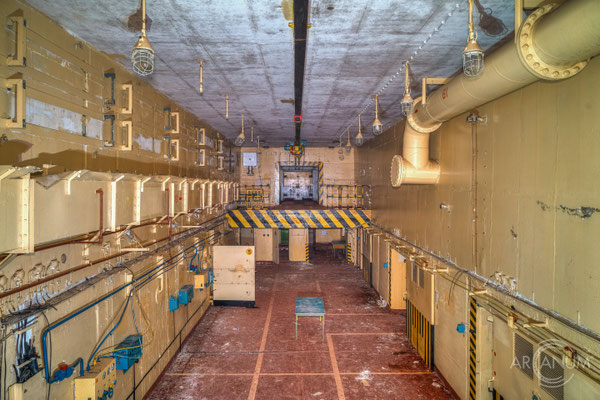
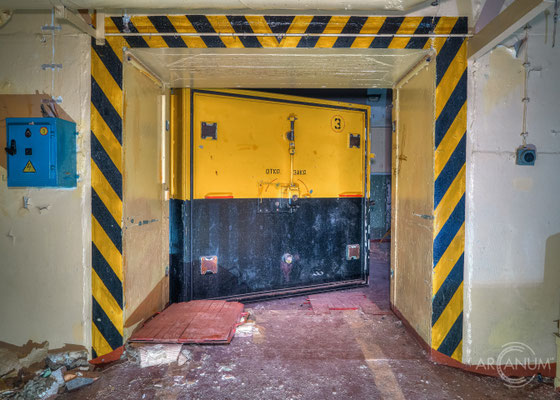
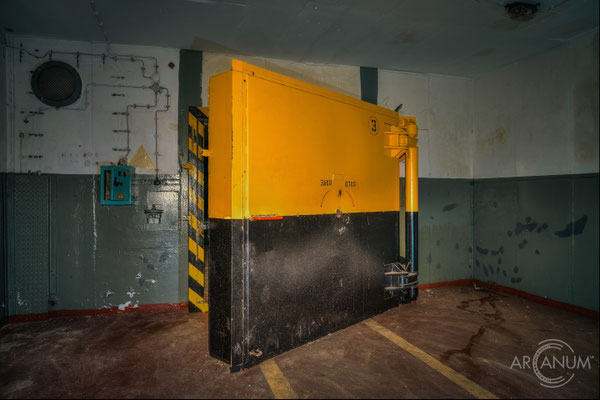
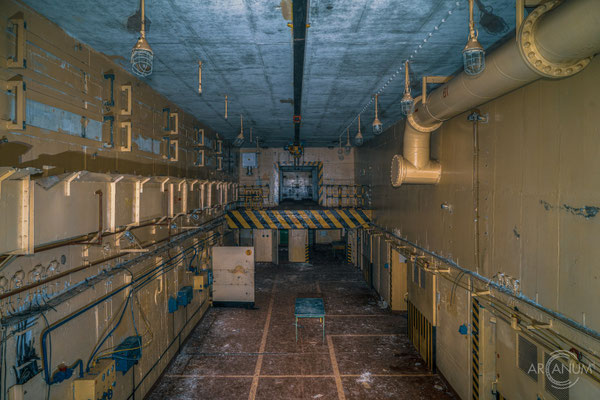
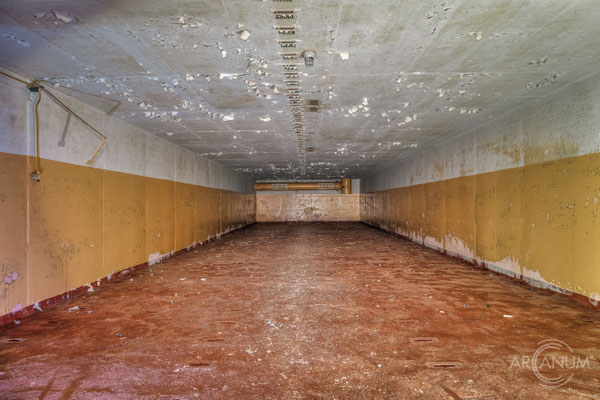
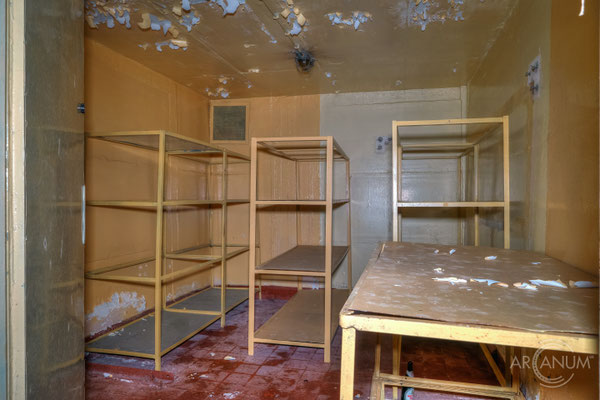
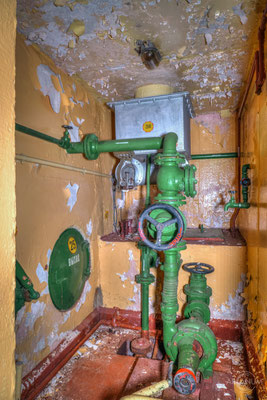
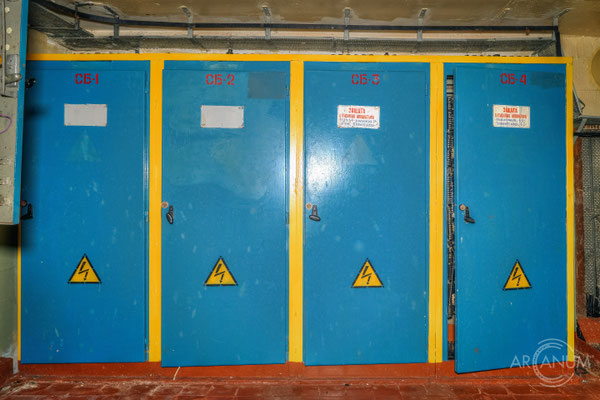
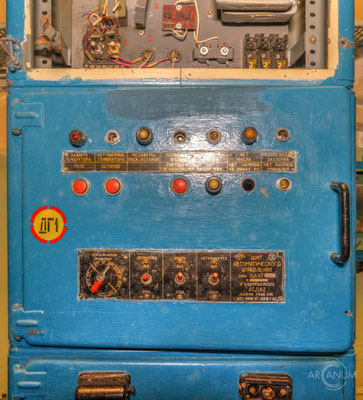
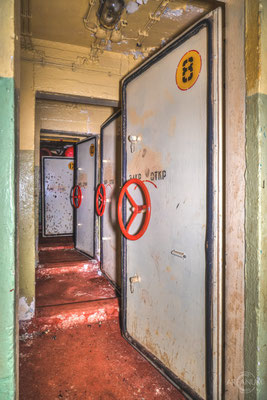
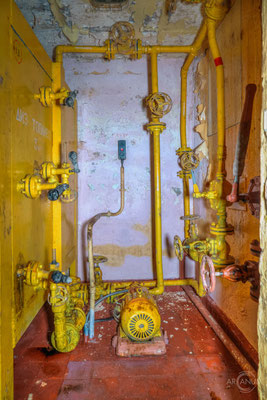
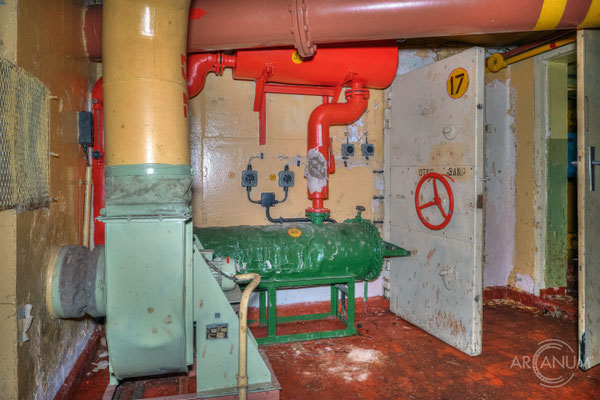
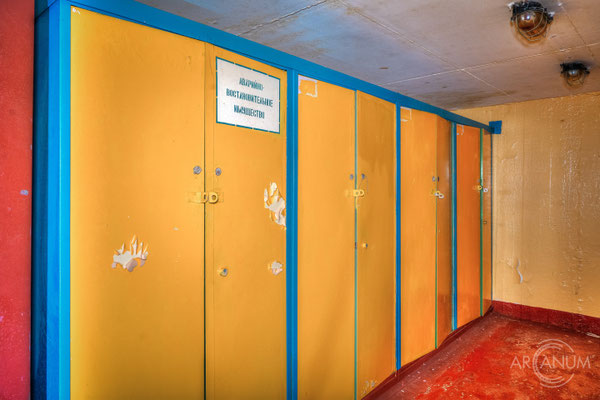
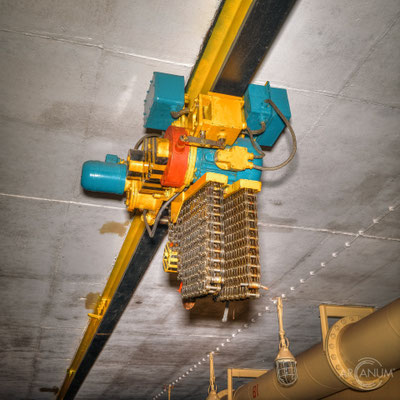
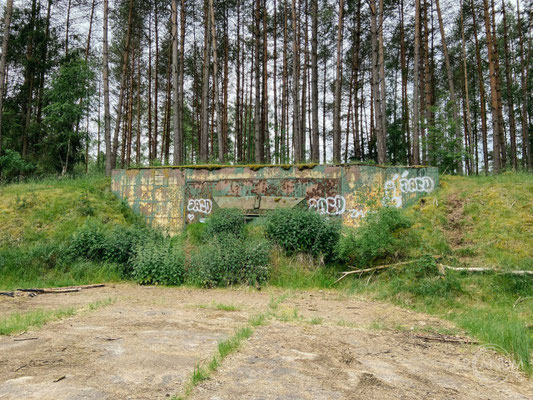
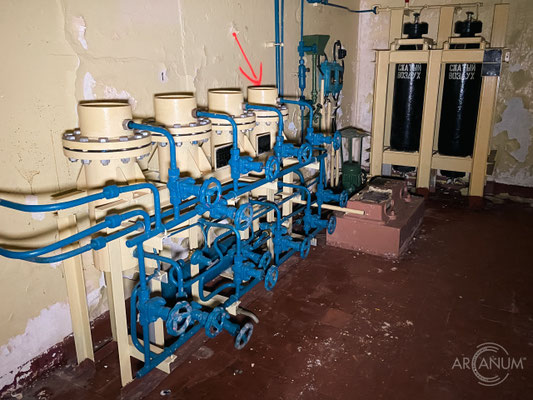
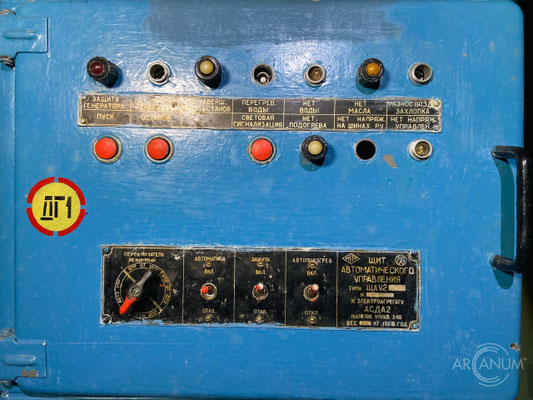
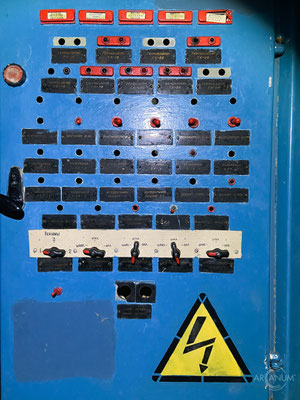
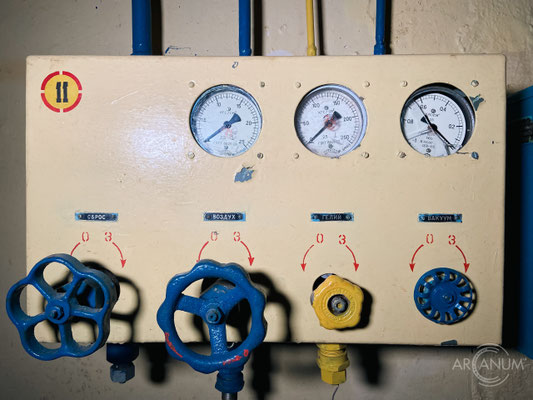
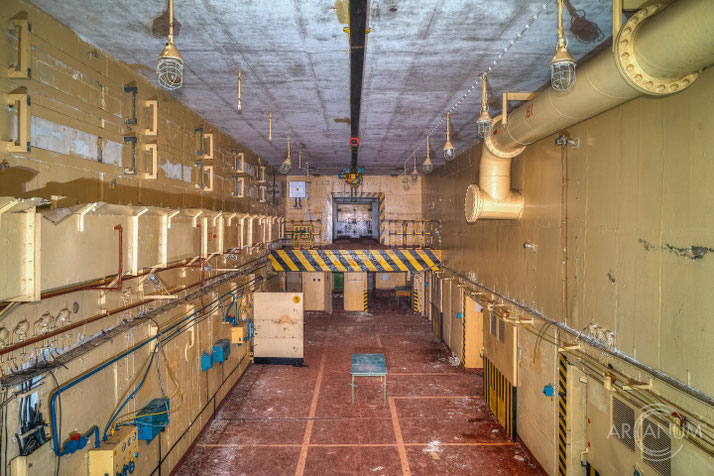
The core of the installation consisted of two heavily reinforced underground bunkers, often referred to in Western sources as “Granit” bunkers. These structures were partially buried, shielded by thick layers of reinforced concrete and earth, and secured by massive steel blast doors. Inside, climate-controlled storage chambers ensured constant temperature and humidity, which were essential for the long-term storage and technical integrity of nuclear warheads.
The bunkers were embedded within multiple security zones. An inner perimeter with fences, watchtowers, floodlighting, and alarm systems protected the warhead storage area itself, while an outer zone contained barracks, garages, workshops, and administrative buildings. The entire complex was carefully camouflaged to blend into the surrounding forest and avoid detection from aerial reconnaissance.

Stationed Unit and Its Role
The facility was operated by a specialized Soviet unit belonging to the 12th Main Directorate of the Ministry of Defense of the USSR (12th GUMO). This directorate was exclusively responsible for all nuclear weapons within the Soviet Armed Forces, including their storage, maintenance, transport, and security.
While the exact military unit number stationed at Lychen/Himmelpfort remains classified or only partially known, it would have been a separate special technical unit directly subordinated to the 12th Main Directorate. These units were deliberately isolated from regular combat forces and operated under extremely strict secrecy protocols.
Personnel of the 12th GUMO were elite specialists: engineers, technicians, security troops, and officers trained specifically for handling nuclear warheads. Their responsibilities included:
technical inspection and maintenance of nuclear weapons
- ensuring physical security and access control
- preparing warheads for transfer in wartime
- escorting nuclear weapons during transport
Even other Soviet units stationed nearby had no knowledge of the exact contents of the bunkers. East German authorities and the National People’s Army (NVA) were entirely excluded from access and operational control.
Purpose and Secrecy
Lychen/Himmelpfort was not a launch site and did not host delivery systems such as missiles or aircraft. Its sole purpose was the secure storage of nuclear warheads under exclusive Soviet control. The weapons stored here were intended for use by Soviet - and potentially selected Warsaw Pact - delivery units only in the event of war and only after direct authorization from Moscow.
This strict separation of warheads from delivery systems was a cornerstone of Soviet nuclear doctrine. It ensured centralized political control while allowing rapid deployment if the strategic situation required it.
The site existed in a closed military zone, and civilian maps either omitted it entirely or disguised it as a conventional supply depot or forestry installation. For the local population, its true function remained unknown.
Role in the Soviet Nuclear Concept
Lychen/Himmelpfort was part of a broader network of Soviet special weapons storage facilities distributed across Eastern Europe, including several sites in the German Democratic Republic, Poland, and Czechoslovakia. These installations formed the logistical backbone of the Soviet Union’s forward-deployed nuclear arsenal.
Soviet nuclear doctrine during the Cold War emphasized the ability to escalate rapidly and decisively, particularly in Central Europe. By positioning nuclear warheads close to potential front lines—but keeping them under strict central control—the Soviet military reduced reaction times while minimizing the risk of unauthorized use.
In East Germany alone, multiple such storage sites existed, each assigned to specific military districts and operational plans. Lychen/Himmelpfort most likely supported Soviet forces stationed in northern and central GDR sectors, integrating into contingency plans against NATO forces in West Germany and Western Europe.
Abandonment and Present State
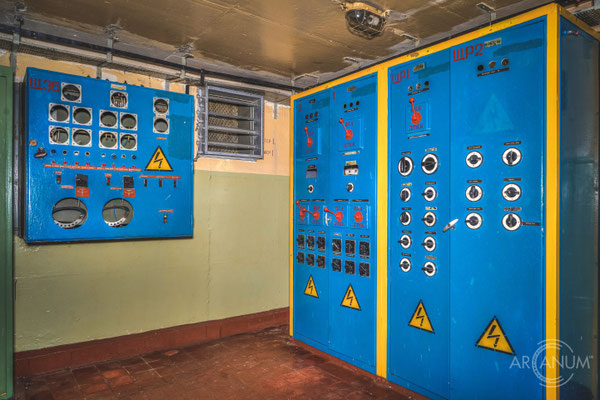
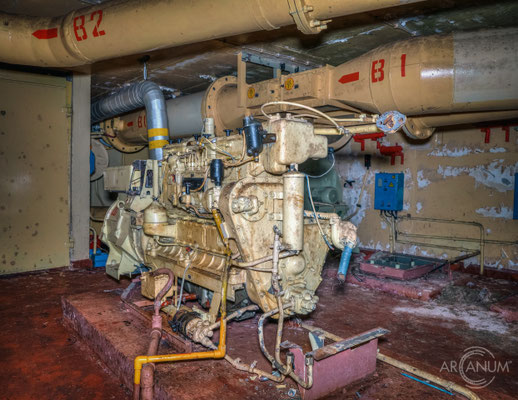
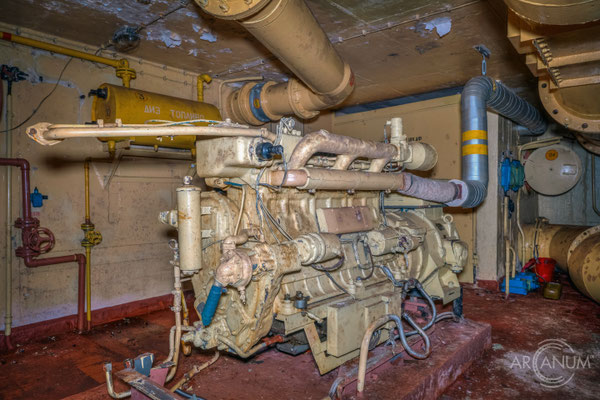
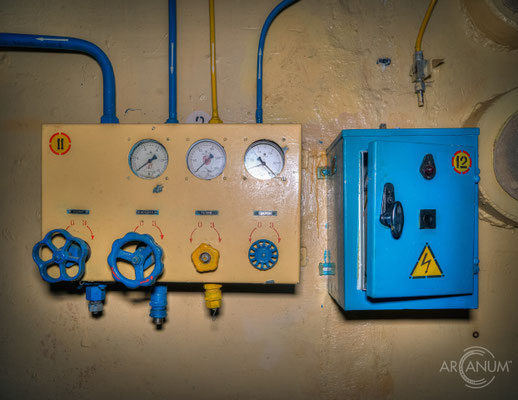
With the end of the Cold War and the dissolution of the Warsaw Pact, nuclear warheads were withdrawn from East Germany. Following the complete withdrawal of Soviet troops between 1991 and 1994, the facility was abandoned. Sensitive equipment was dismantled or removed, leaving behind an empty shell of concrete, steel, and decaying infrastructure.
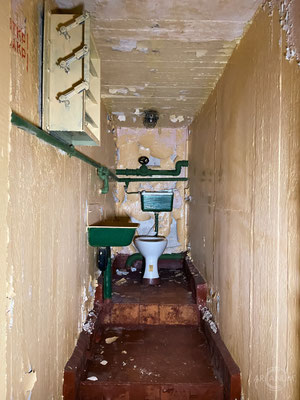
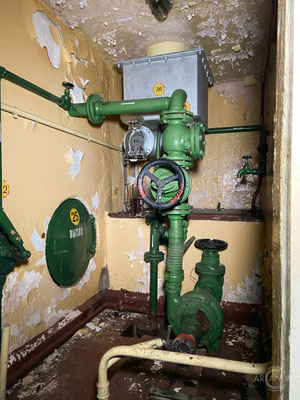
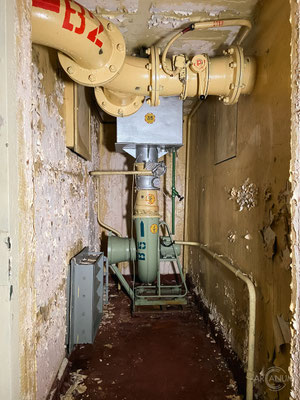
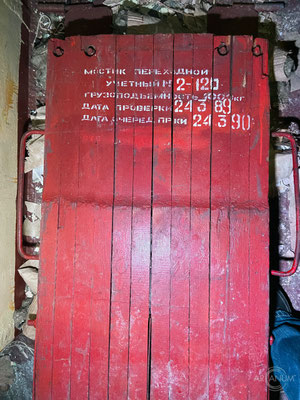
Today, visitors can still find massive bunker entrances, overgrown roads, foundations of barracks, and remains of security installations. Nature has begun reclaiming the site, creating a striking contrast between the quiet forest and the immense destructive power once stored here.
Significance for Lost Places and History
The Soviet Special Weapons Storage Facility Lychen/Himmelpfort is a tangible reminder of the Cold War’s hidden front lines. For Lost Places enthusiasts, it offers a rare glimpse into one of the most secretive elements of Soviet military presence in Germany. For historically interested visitors, it illustrates how deeply nuclear strategy shaped landscapes, military planning, and daily life in divided Europe.
Exploring this abandoned site today means stepping into a world of secrecy, tension, and global confrontation—where decisions made far away could once have changed the fate of an entire continent.
Visited: June 13, 2021
Location: Brandenburg, Germany
Status: Abandoned/Sealed