Unfinished Soviet Bunker Complex
A Project of the Late Cold War
Hidden within the forests of the Kyritz-Ruppiner Heide lies the unfinished remains of an ambitious Soviet military construction project. Built during the late 1980s, this bunker complex was part of a broader effort by the Soviet Armed Forces in East Germany to modernize their command and control infrastructure in anticipation of a potential large-scale conflict with NATO.
The site was never completed. Instead, it stands today as a raw concrete skeleton - a relic of a system that collapsed before it could ever become operational.
From Fragmented Command to Centralized Control
Before construction began, air defense operations in the northern sector were distributed across several separate command posts. Radar units, fighter aviation, and
surface-to-air missile forces each operated from their own facilities, working together but not fully integrated.
To improve efficiency and response time, Soviet planners envisioned a new type of command structure: a unified air defense command center.
This complex was designed to bring together:
- radar and early warning systems
- interceptor aircraft
- anti-aircraft missile units
into a single, hardened facility, allowing faster and more coordinated responses to aerial threats.
Design and Construction Concept
The planned installation was not a single bunker, but a distributed command complex composed of multiple reinforced structures.
A key detail often misunderstood is the method of construction:
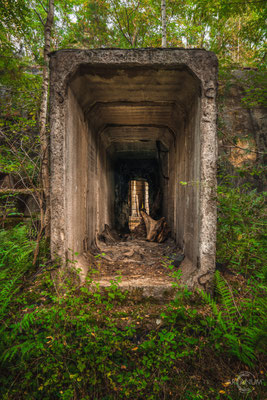
the bunkers were not originally built deep underground. Instead, they were constructed above ground as massive reinforced concrete structures, which were intended to be covered with earth and
camouflaged after completion.
Known structural elements include:
- a large, multi-level central bunker structure
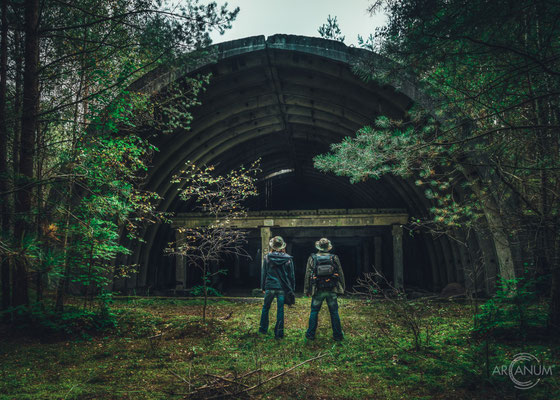
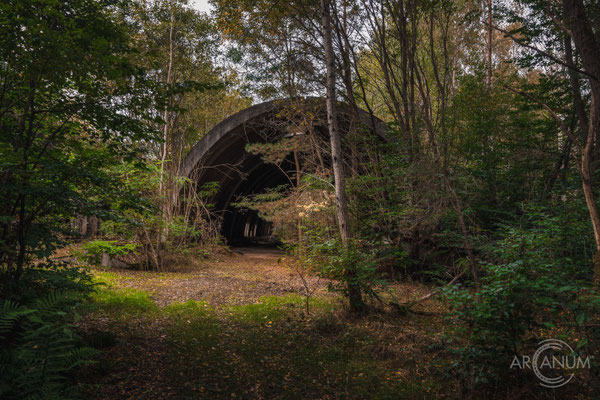
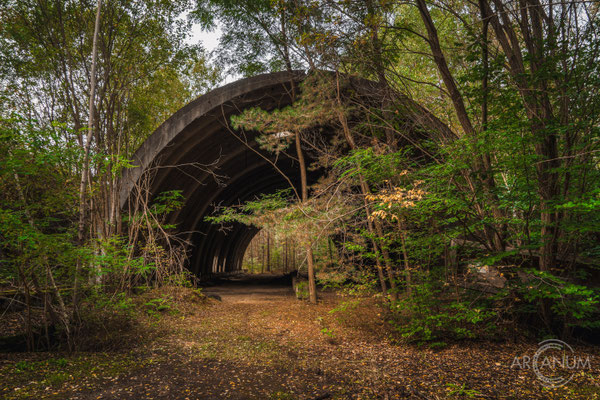
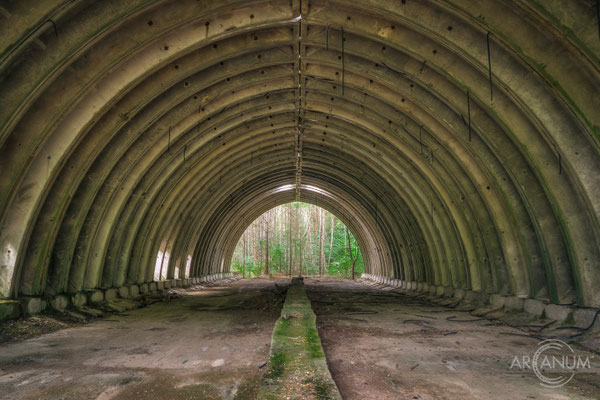
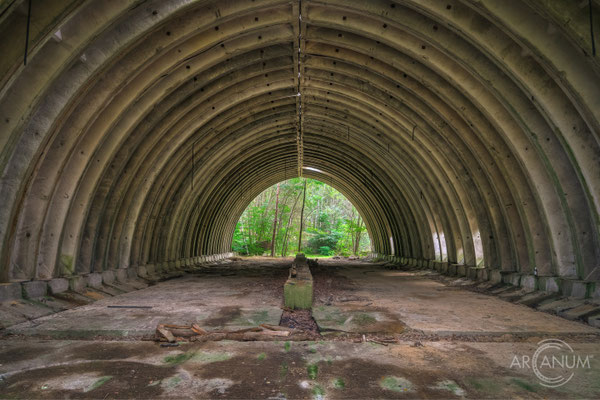
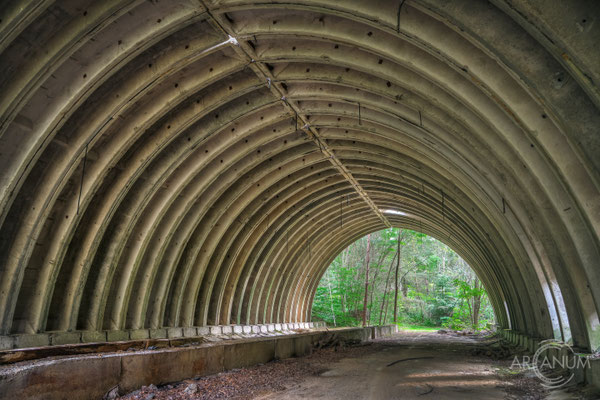
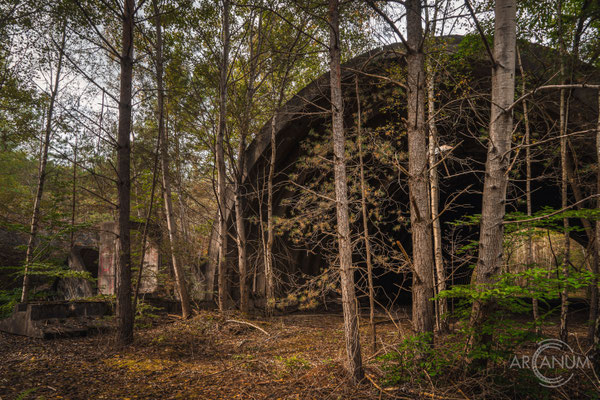
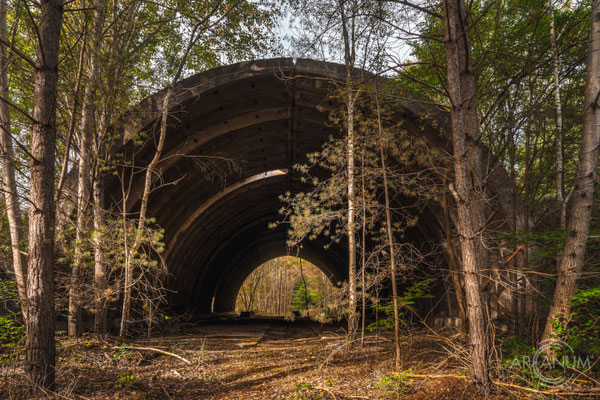
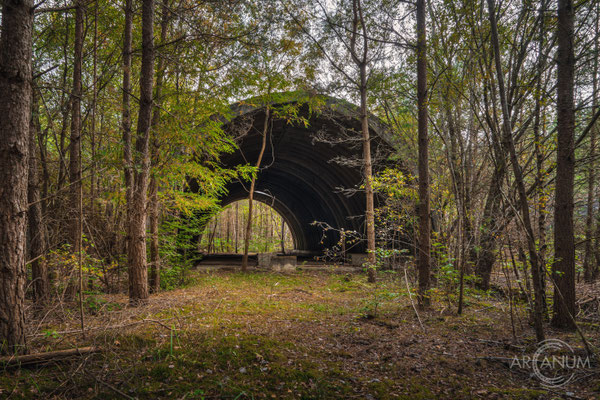
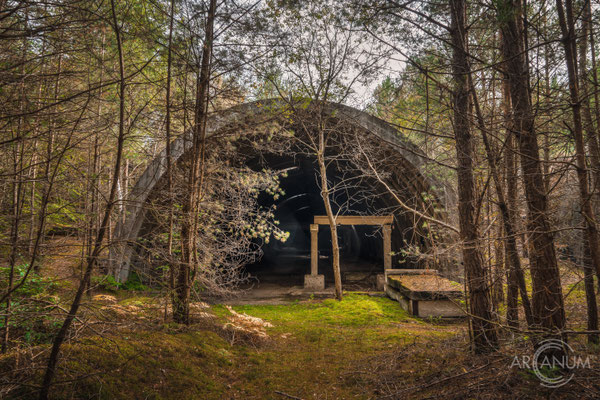
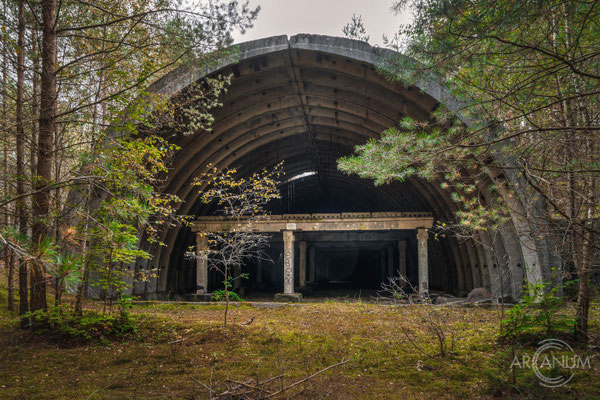
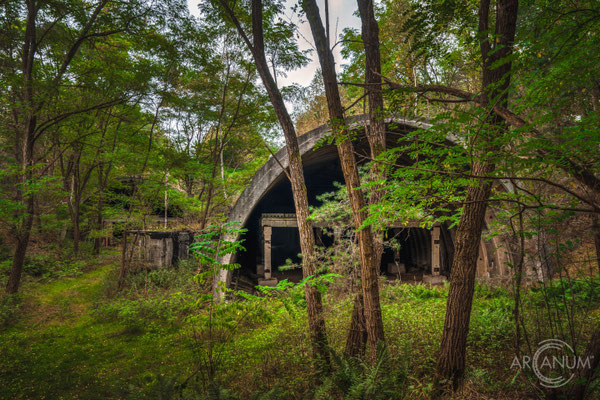
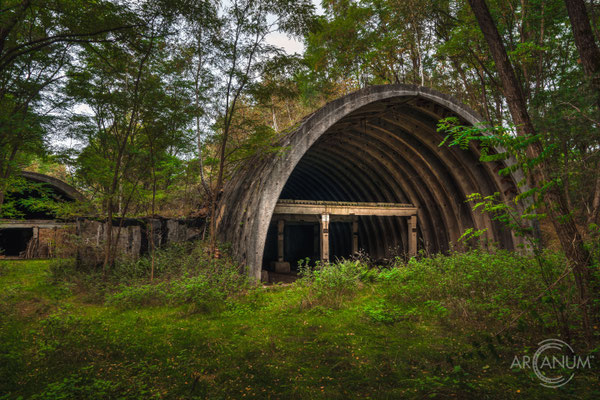
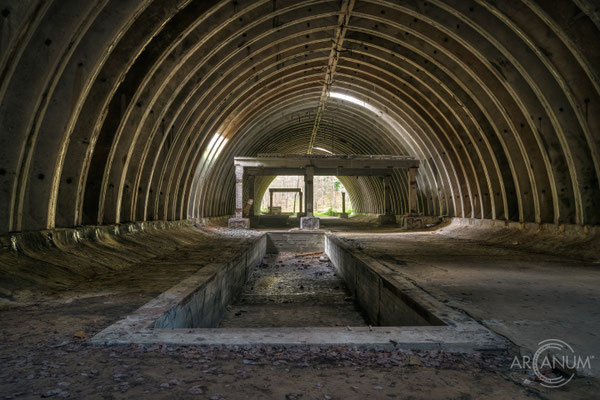
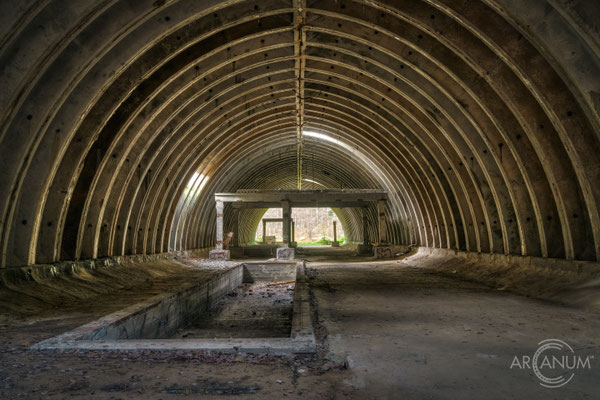
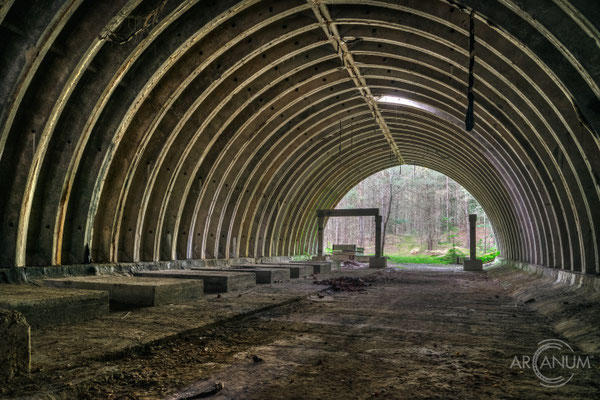
- several auxiliary bunker modules (type AU-13)
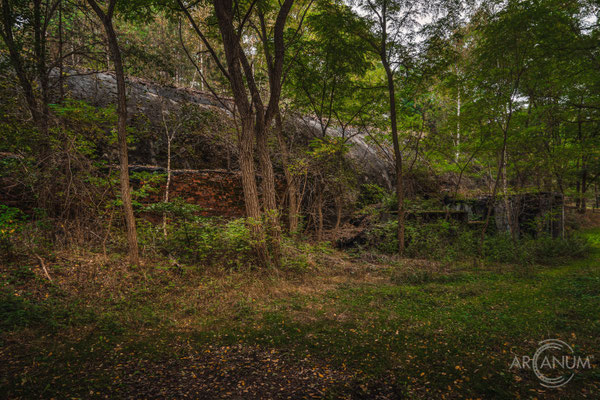
- additional support bunkers and infrastructure in the surrounding area
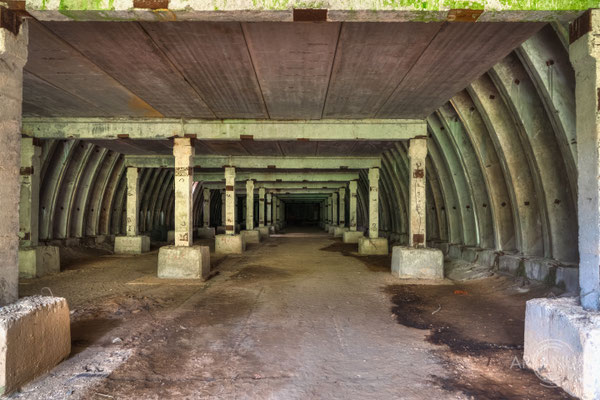
These AU-13 structures were standardized Soviet modules, typically used as airplane shelters, but also for protected working and living spaces.
The overall design reflects a facility intended for:
- long-term autonomous operation
- protected command functions under wartime conditions
- high structural resilience through thick concrete and earth covering
Even in its unfinished state, the scale of the project is clearly visible.
Changing Plans and Doctrinal Shifts
One of the most interesting aspects of the site is that its purpose evolved during construction.
Originally intended as a joint air defense command center, the concept soon became outdated. Military reforms in the late 1980s led to structural changes, including
the dissolution of major aviation formations.
As a result, the bunker’s role was reconsidered and adapted multiple times:
- first as a unified air defense command post
- later as a command facility for a fighter aviation division
- and finally, in late planning stages, as a front-level command post in a large-scale war scenario
In its final conceptual phase, the site would have served as a combined command center for air forces and air defense units within a northern operational grouping of Soviet forces.
A Strategic Role That Never Materialized
Had it been completed, the complex would likely have played a key role in coordinating air operations during a conflict in Central Europe. It was intended to
integrate into a wider Soviet command network, linking local forces with higher command structures and transmitting real-time air situation data.
Importantly, despite occasional claims, the site was never intended to serve civilian air traffic control purposes. It remained a purely military installation throughout its planning
phase.
Abandoned Before Completion
Construction began around 1988 - at a time when the Soviet Union was already facing deep political and economic challenges. As the Cold War came to an end and
Soviet forces withdrew from East Germany, work on the bunker complex was halted.
The facility was never equipped, never staffed, and never used.
What remains today is a partially built structure:
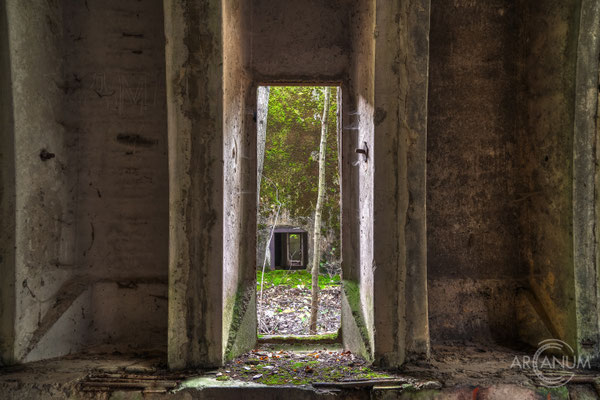
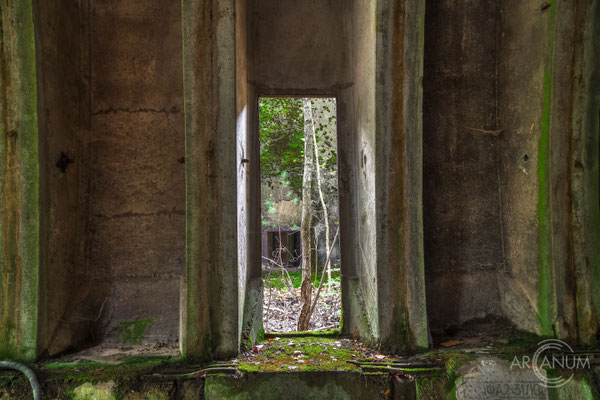
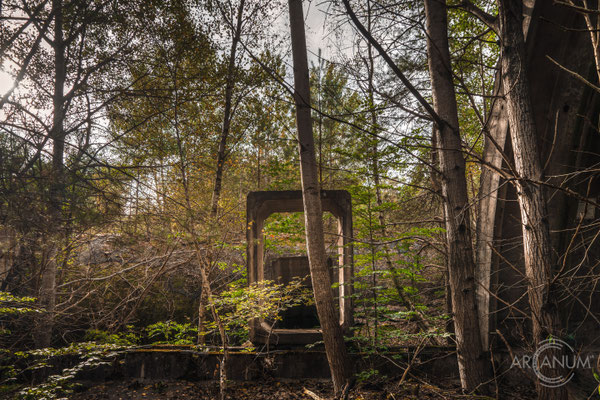
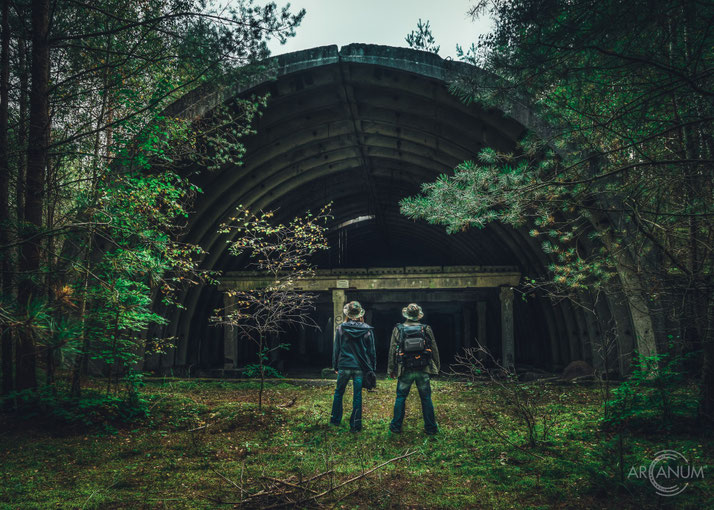
- exposed concrete shells
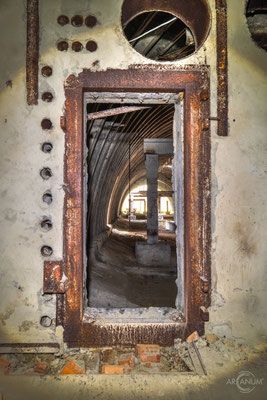
- unfinished corridors and chambers
- visible reinforcement steel and open construction elements
Without the planned earth covering, the intended protective and concealed form of the bunkers was never realized.
A Silent Witness of Collapse
The unfinished bunker complex is more than just an abandoned construction site. It represents a moment of transition - when military ambitions, technological
planning, and geopolitical reality collided.
Designed for a war that never came, it stands as a powerful reminder of the final years of the Cold War, when even large-scale, strategically important projects could vanish almost
overnight.
Visited: October 2, 2021 and April 4, 2026
Location: Brandenburg, Germany
Status: Abandoned