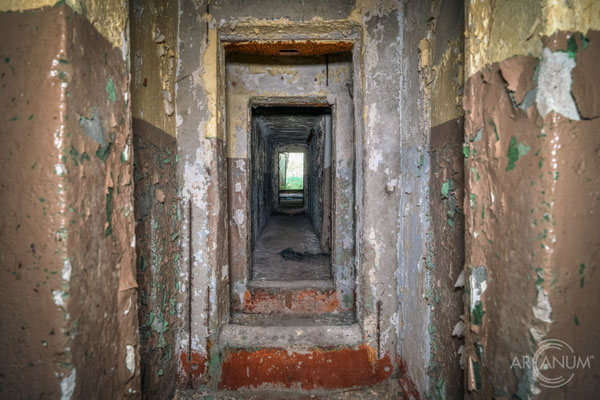
Soviet Communications Bunker "Kulon"
A Hidden Node in the Cold War Network
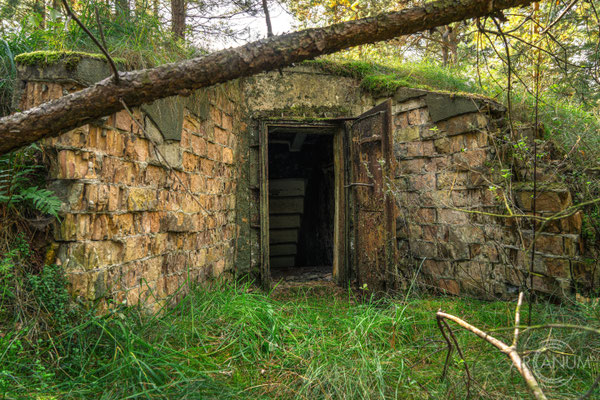
Hidden deep within a forest once used by Soviet forces in East Germany lies the remains of a little-known but essential component of Cold War military infrastructure: the communications bunker designated KIP-52, known by its callsign “Kulon.” Today, it stands abandoned - silent concrete corridors slowly being reclaimed by nature - but during its operational years, it formed part of a vast and highly coordinated military communications network.
What Was a “Stütznachrichtenzentrale”?
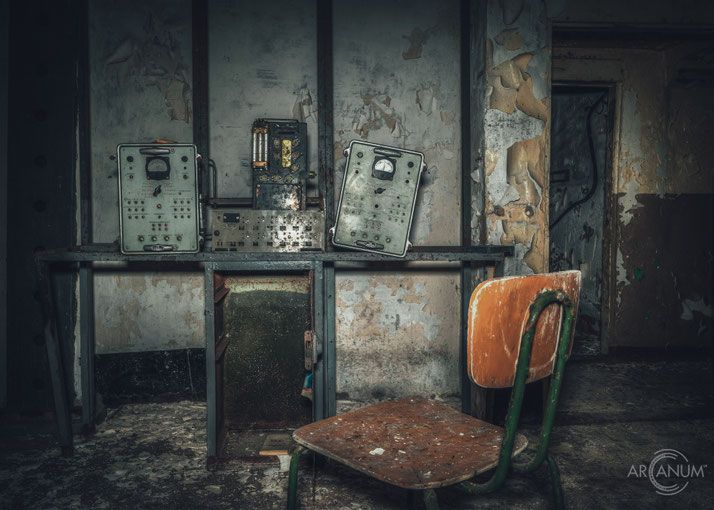
Constructed most likely in the 1970s, the site was not a command bunker in the traditional sense. Instead, it functioned as a “Stütznachrichtenzentrale”, or support communications center. In practical terms, this meant it acted as a relay and processing node within the Soviet military’s communication system. Orders, reports, and operational data passed through installations like this one, linking frontline units with higher command structures across large distances. Without such nodes, the complex machinery of military coordination—especially in a potential wartime scenario - would have quickly broken down.
Decoding “KIP”
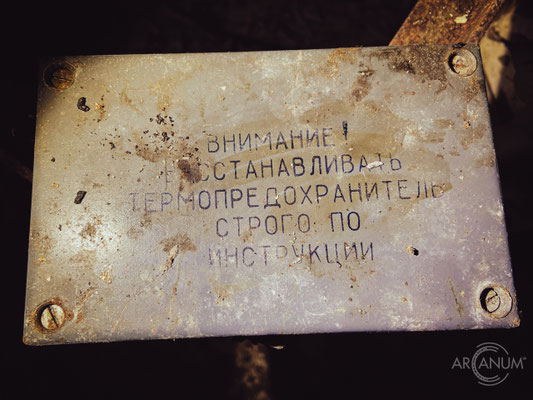
The designation “KIP” is well documented as deriving from the Russian term “Контрольно-измерительный пункт” (kontrolno-izmeritelny punkt), which translates to “control and measurement point.”
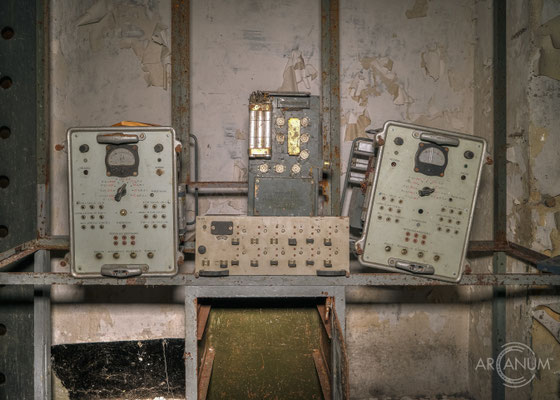
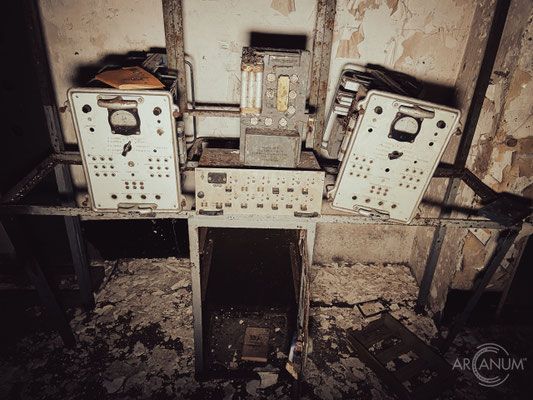
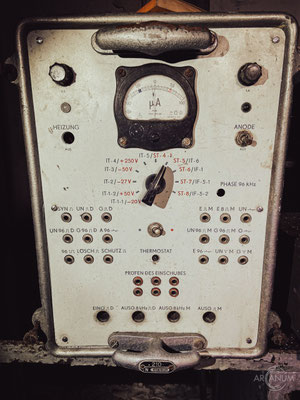
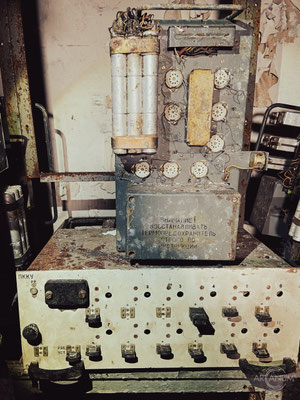
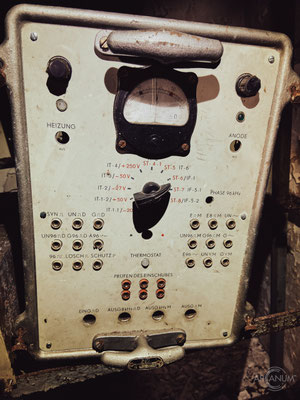
In a military communications context, this implies far more than a simple relay station. Facilities like KIP-52 were responsible not only for transmitting information, but also for monitoring, measuring, and maintaining the integrity of communication lines. Signal quality, line stability, and system functionality were continuously checked and adjusted, making such sites highly specialized technical nodes within the broader network.
In essence, KIP installations formed the “intelligent layer” of the system - ensuring that communication did not just exist, but remained reliable under all conditions.
Architecture and Design
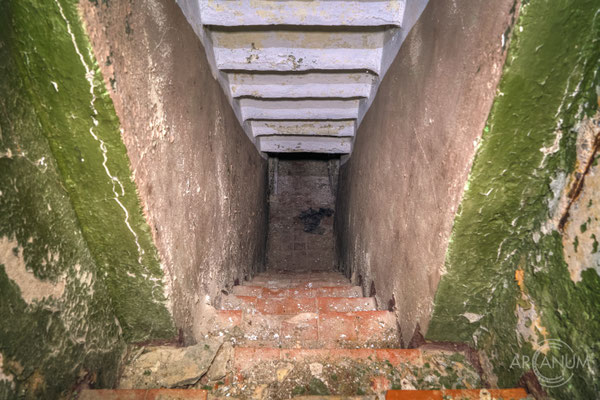
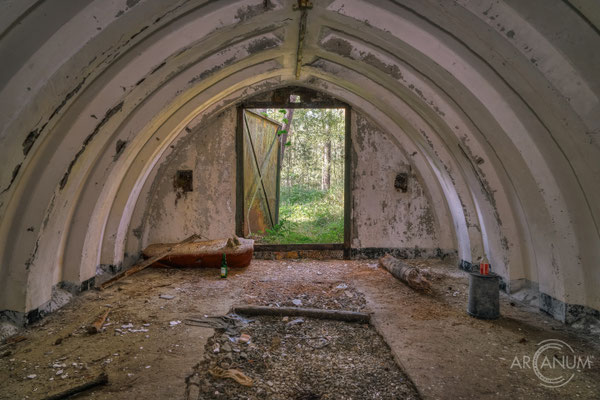
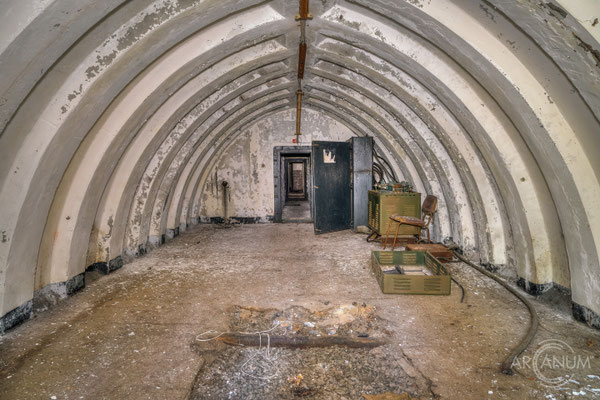
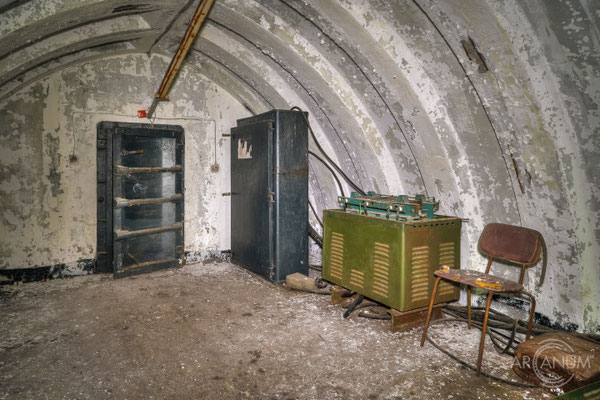
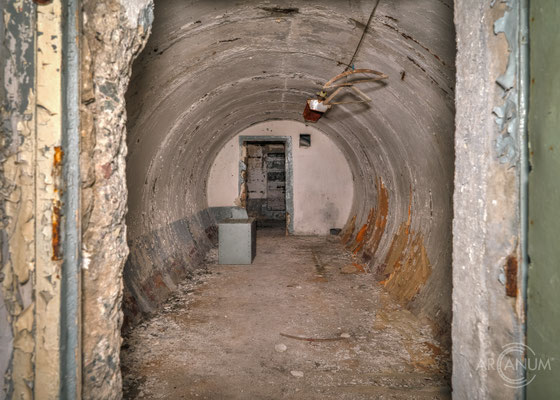
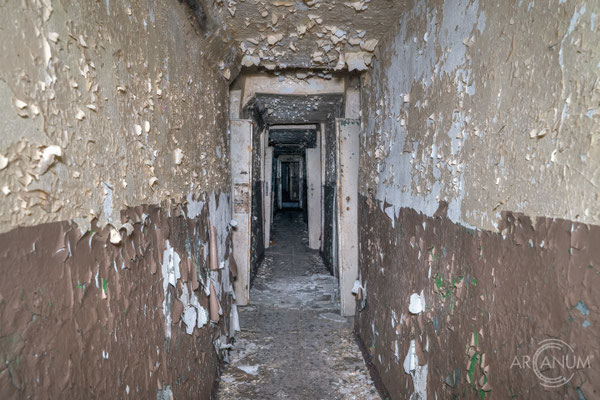
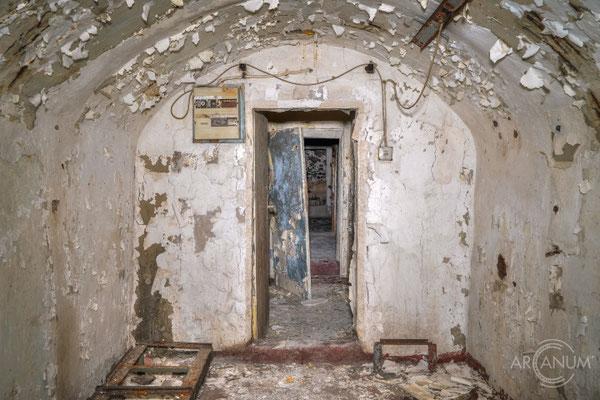
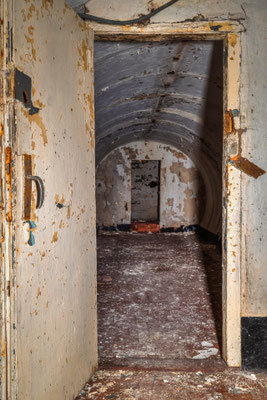
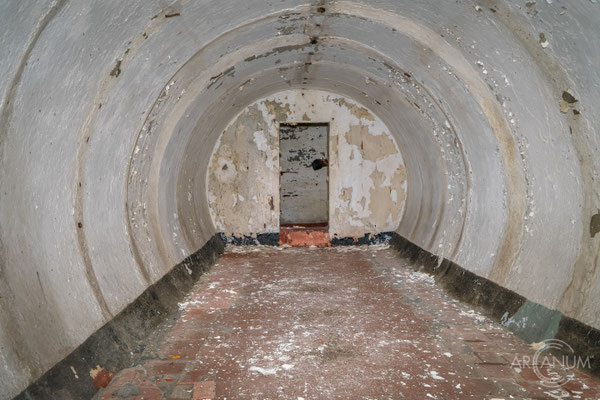
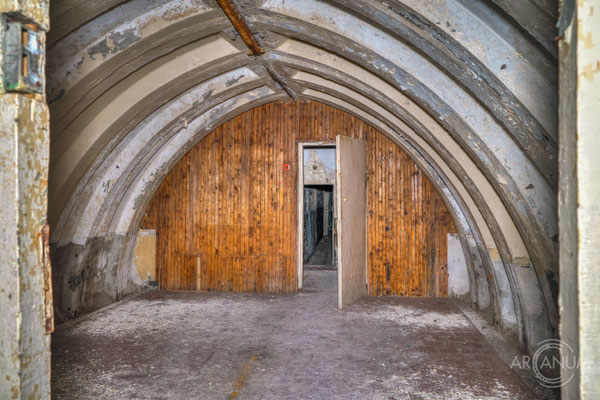
Physically, the bunker reflects the standardized construction methods used by the Soviet military during that period. Built from prefabricated concrete segments and partially buried for protection, the structure was designed to withstand blast pressure and provide limited shielding against chemical or radiological contamination.
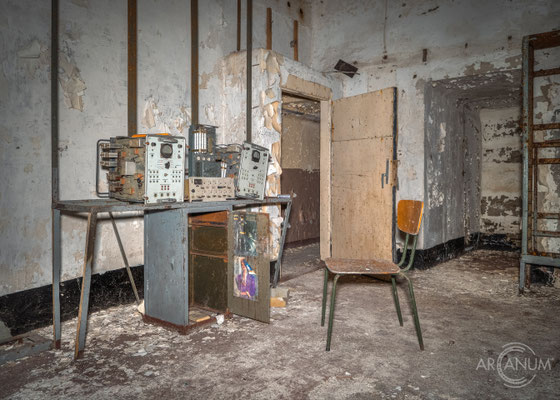
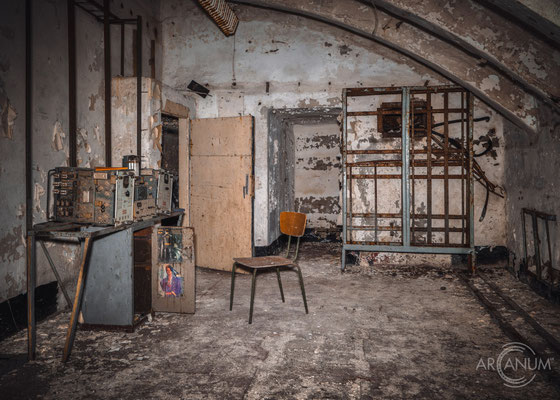
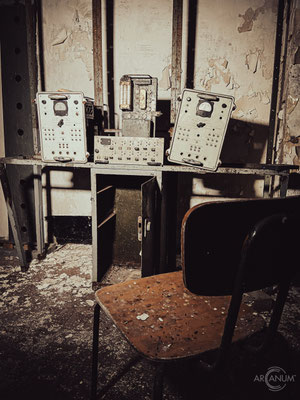
Inside, it would have contained a series of specialized rooms: communications halls filled with switching and amplification equipment, technical support areas, power supply units including diesel generators, and basic accommodations for the personnel on duty. Air filtration systems and sealed entry points ensured that operations could continue even under adverse conditions.
Role Within the Military System
Despite its relatively modest size compared to large command bunkers, KIP-52 played a crucial role in maintaining the integrity of the wider network. Facilities like this formed the backbone of military communications, quietly enabling coordination between airfields, ground forces, and command posts. Its proximity to major Soviet military installations of the time suggests it was closely tied to air force operations and regional command structures.
Abandonment and Decay
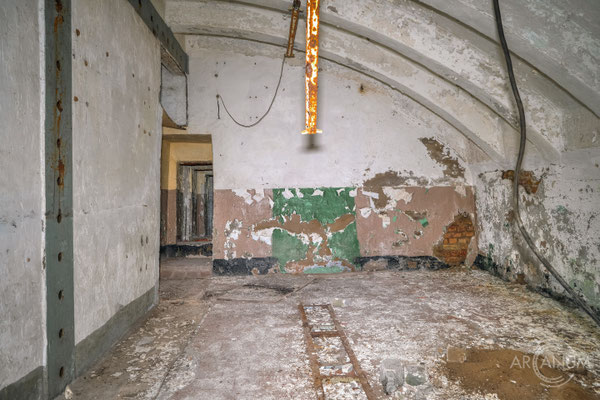
Following the withdrawal of Soviet troops in the early 1990s, the bunker was abandoned. Like many similar sites, it was left to decay, stripped of valuable materials and exposed to decades of weather and human intrusion.
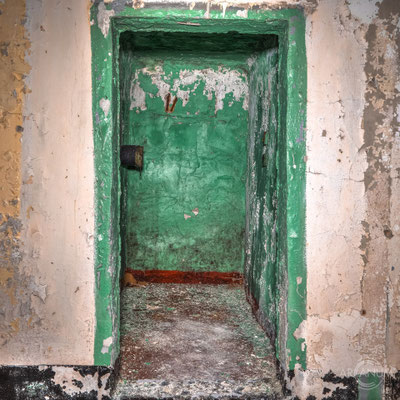
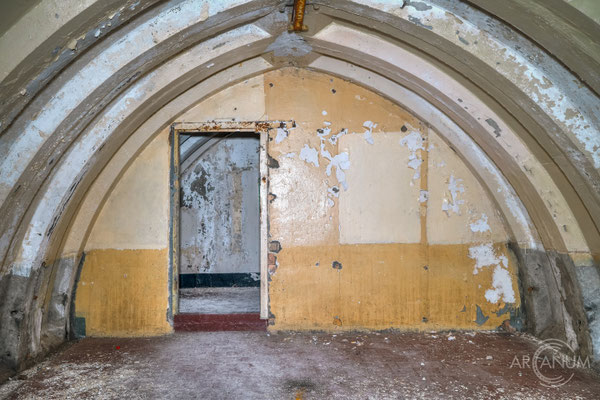
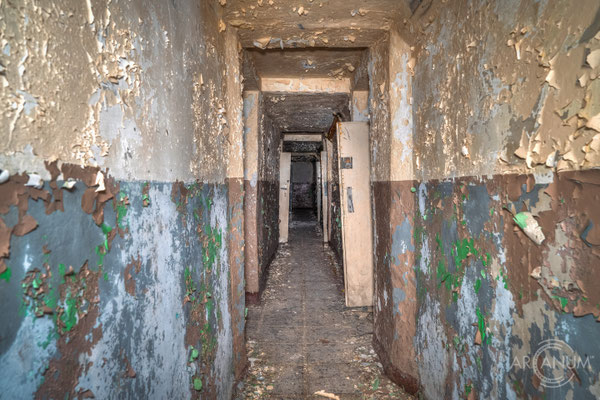
Today, what remains offers a raw and atmospheric glimpse into a hidden layer of Cold War history. For urban explorers, the site captures the stark aesthetic of utilitarian military architecture - bare concrete, rusting metal, and the lingering sense of purpose long since faded.
A Silent Witness of the Cold War
For historians, it serves as a reminder that not all critical infrastructure was visible or grand; much of it, like KIP-52, operated quietly in the background, ensuring that the lines of communication remained open in a world defined by tension and uncertainty.
Walking through its empty chambers now, it is easy to overlook the significance this place once held. Yet, in its silence, the bunker still tells a story - one of preparation, secrecy, and the invisible networks that underpinned an entire military system during one of the most precarious periods of modern history.