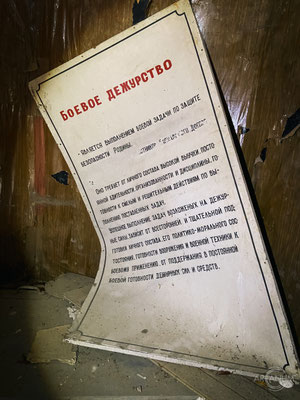
Soviet Tank Army Headquarters
Hidden among dense woodland on the shores of a lake in Brandenburg, lies a site that condenses nearly a century of European history into one abandoned compound. What today appears as a quiet, decaying ensemble of villas, auxiliary buildings, monuments, and underground structures was once a place of leisure, authority, ideology, and Cold War military preparedness.
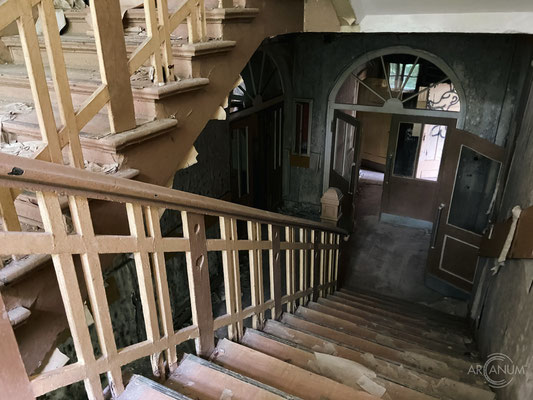
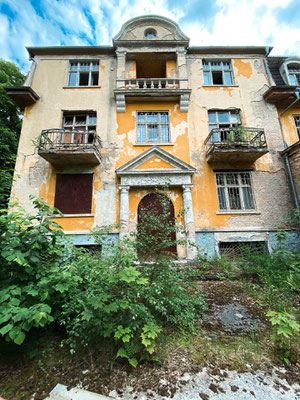
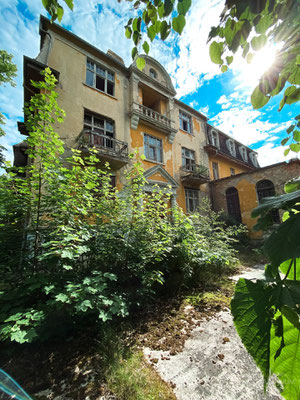
The main villa was constructed in the early 20th century as a recreation and convalescence home, part of the Röblinsee settlement that developed as a lakeside retreat for Berliners.
The architecture and landscaped grounds reflected the pre-war ideal of health, rest, and distance from the growing metropolis.
This peaceful function ended abruptly in 1945.
A Garrison Town of the Cold War
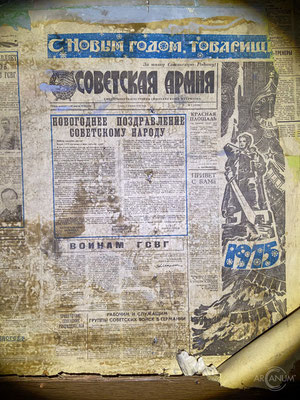
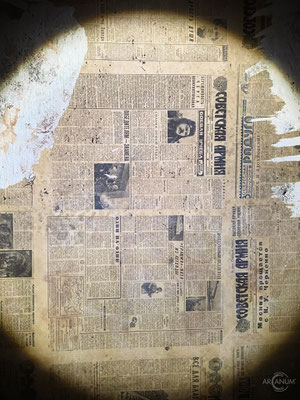
After the Second World War, the town of Fürstenberg/Havel was occupied by the Red Army and rapidly transformed into one of the most important Soviet garrison towns in East Germany. Large parts of the town - including the Röblinsee settlement - were sealed off and incorporated into the infrastructure of the Group of Soviet Forces in Germany (GSSD).
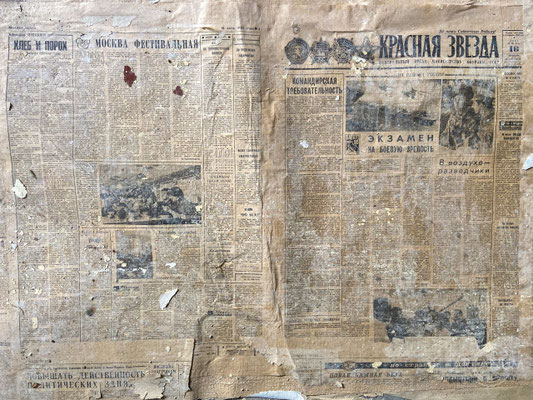
Over the decades, units of the 2nd Guards Tank Army, one of the Soviet Union’s elite formations, were stationed in and around Fürstenberg. At various times, this included tank divisions, motor rifle units, air-defense elements, and their associated command, logistics, and communications troops. The military presence often exceeded the local German population in size, creating a parallel city that functioned largely out of public view.
From Recreation Home to Officers’ Casino
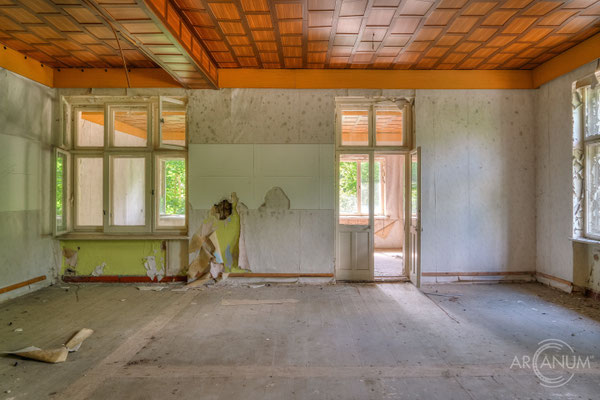
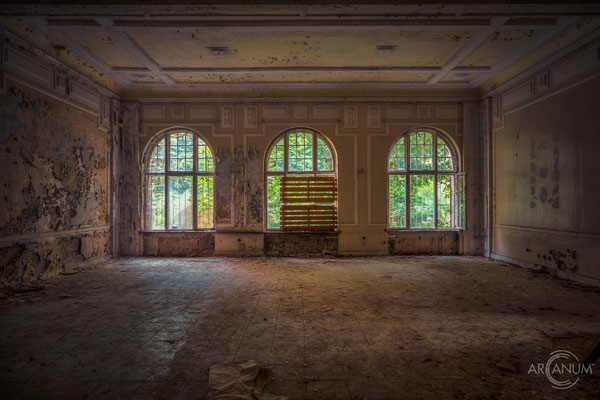
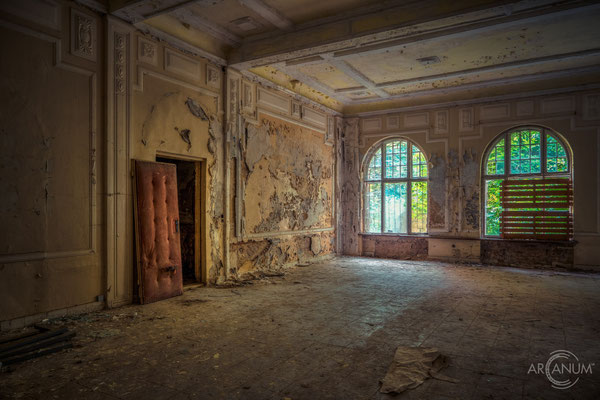
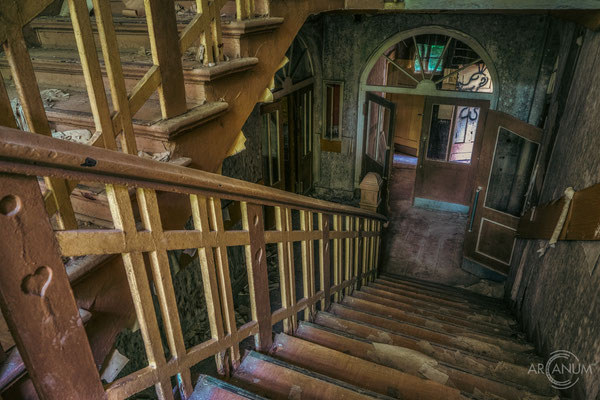
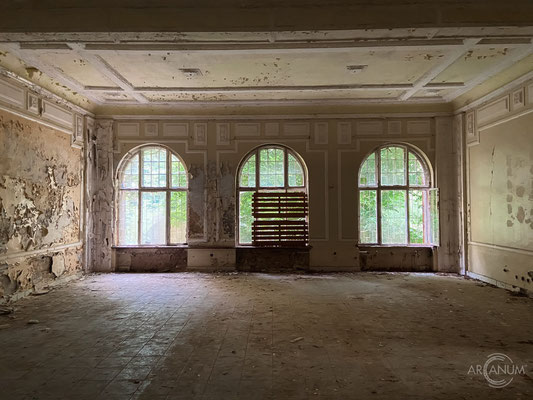
A former recreation home in an upscale villa neighborhood near the lake was confiscated and converted into an officers’ casino - a social, representational, and cultural center reserved for Soviet officers. Here, meals were served, ceremonies held, and everyday military life beyond the parade ground unfolded. The building’s generous rooms and secluded lakeside setting made it well suited for this purpose.
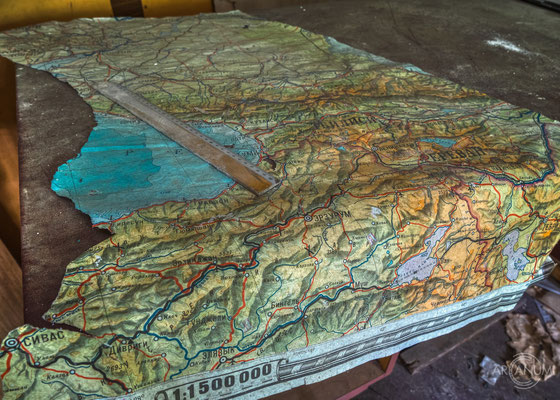
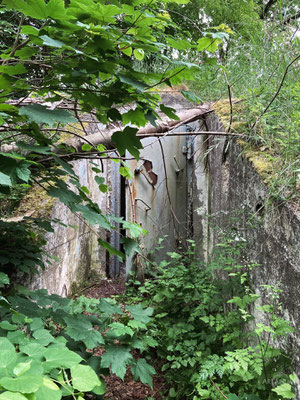
South of the villa, additional auxiliary buildings were erected or adapted. These structures housed service facilities, administrative rooms, and specialized functions connected to the officers’ compound. Together, they formed a semi-autonomous enclave within the larger military zone.
The “Astra” Communications Center
According to specialized Cold War site documentation, one of these auxiliary buildings is believed to have housed a Soviet communications center with the codename “Astra.” These “Nachrichtenzentralen” were critical nodes within the Soviet command-and-control network, responsible for secure communications between headquarters, subordinate units, and higher command levels.
Sources suggest that this facility was linked to the command structures of the 2nd Guards Tank Army and later, in the 1980s, functioned as part of a regional air-defense command post. While detailed records remain classified or lost, the presence of a communications center here underscores the strategic importance of the site—not only as a place of leisure for officers, but as an operational element within the Soviet military system in Central Europe.
Ideology in the Open: The Lenin Monument
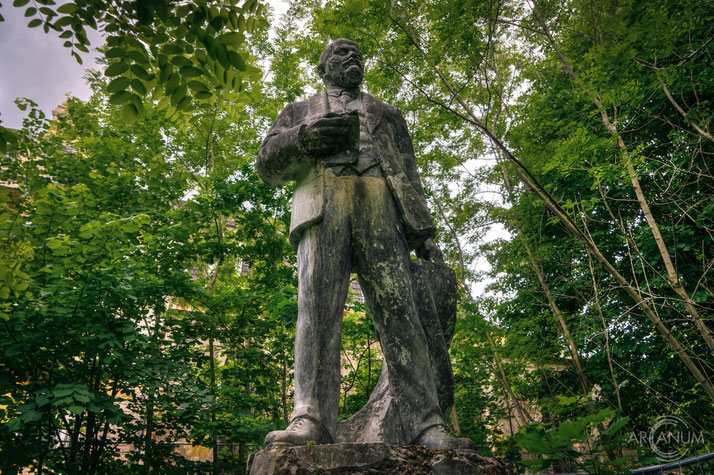
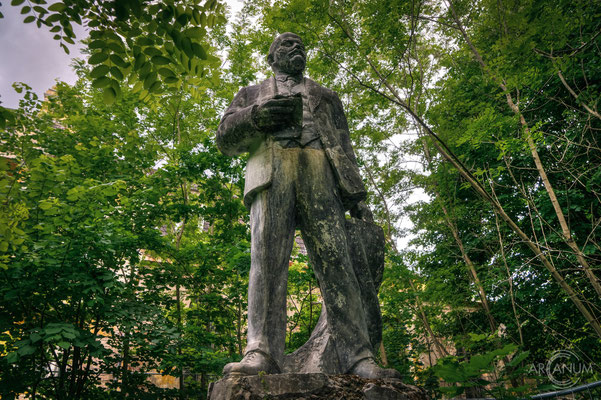
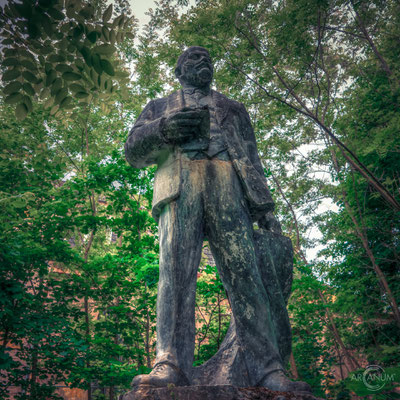
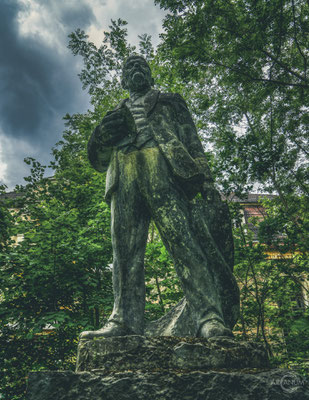
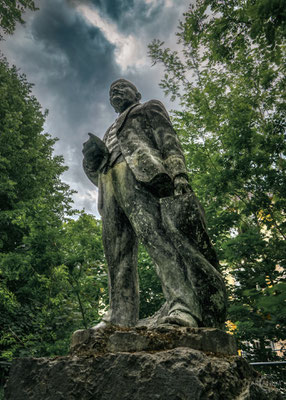
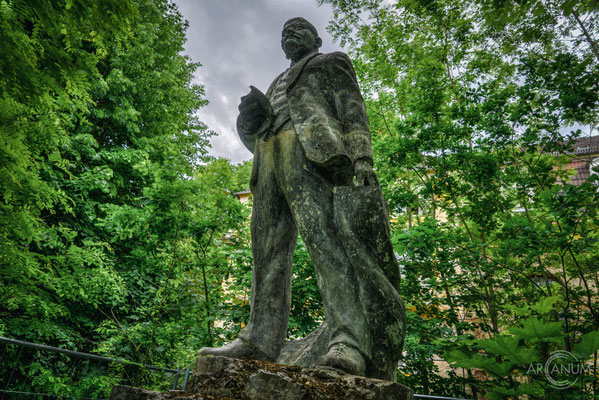
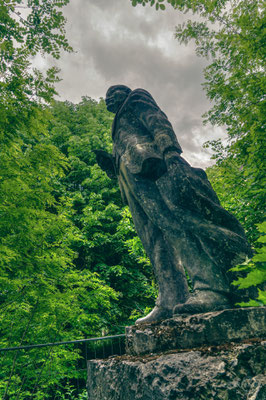
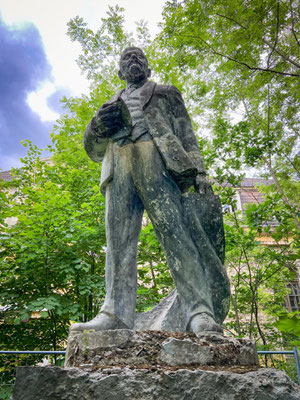
A striking relic on the grounds is the weathered Lenin monument, once a focal point of the compound. Lenin statues were standard features of Soviet military and administrative sites, serving as constant ideological markers of authority and loyalty.
Today, the monument stands damaged and neglected, partially overtaken by nature. Stripped of its original ceremonial context, it has become one of the most powerful visual symbols of abandonment on the site - an ideology left behind in concrete and stone.
Beneath the Surface: Bunker Cellar and "Deckungsgraben"
The most unsettling traces of the Cold War lie underground.
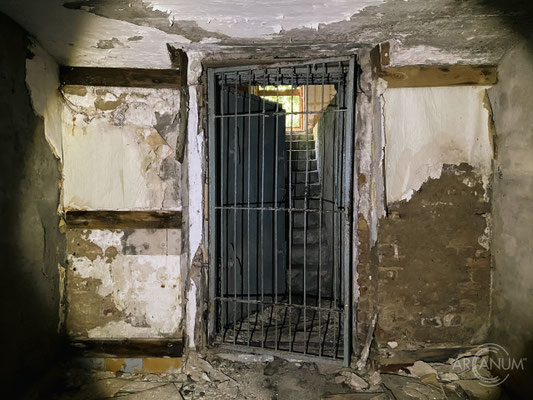
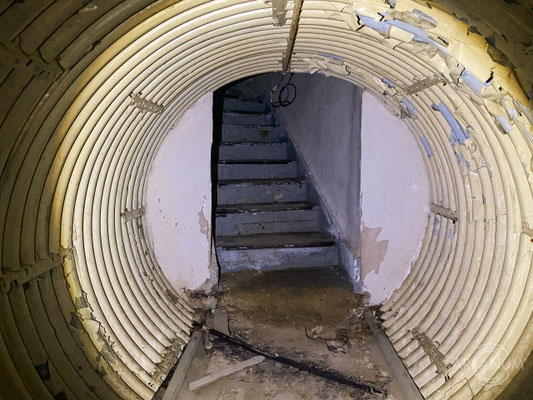
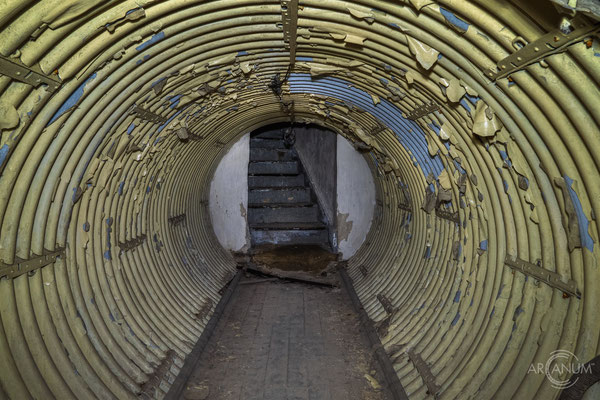
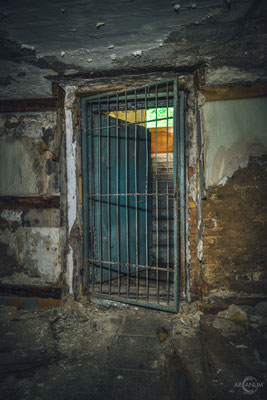
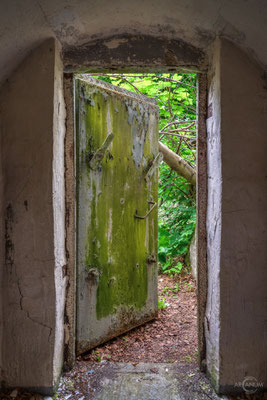
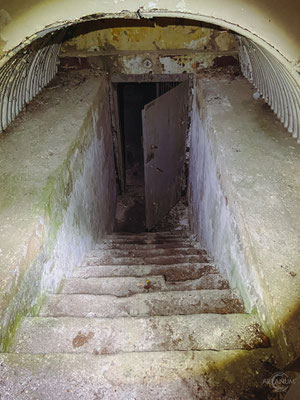
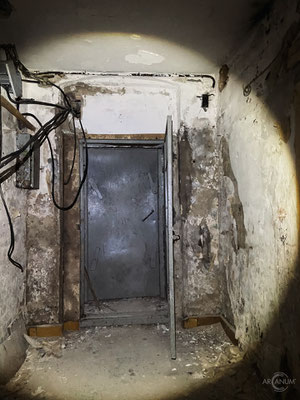
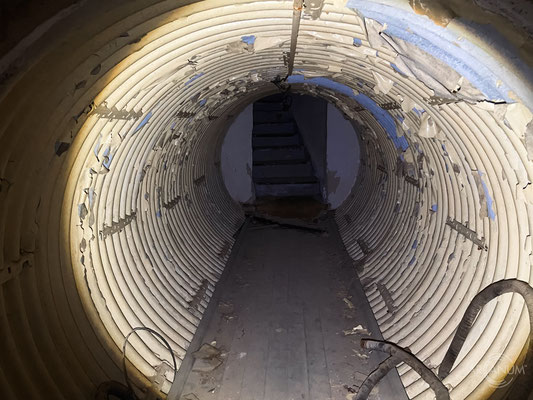
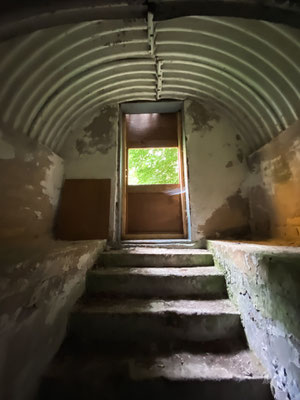
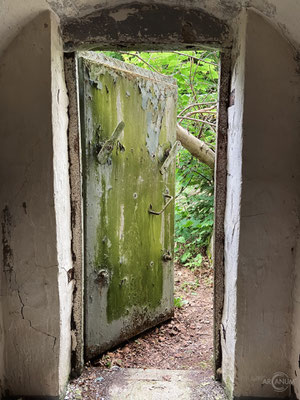
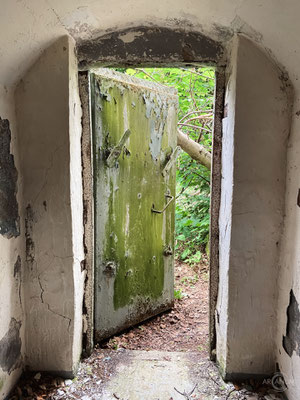
The villa contains a reinforced, bunker-like cellar, adapted for protection and emergency use. Even more significant is the air-raid protection trench (Deckungsgraben) associated with the site. This monolithic concrete structure, approximately 45 meters long with a usable area of around 70 square meters, was likely constructed in the 1940s and later integrated into Soviet use.
In the 1960s, the Soviets reportedly added a standardized connecting corridor, linking the deckungsgraben to a nearby building’s basement. Such installations allowed personnel to move between buildings under cover and to seek immediate shelter during air raids or heightened alert levels—clear evidence that the site was prepared for worst-case Cold War scenarios.

Abandonment and Afterlife
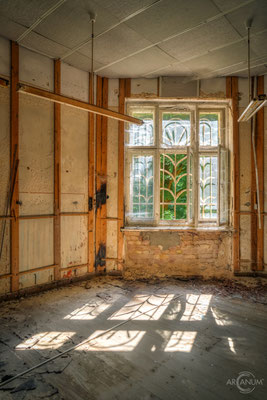
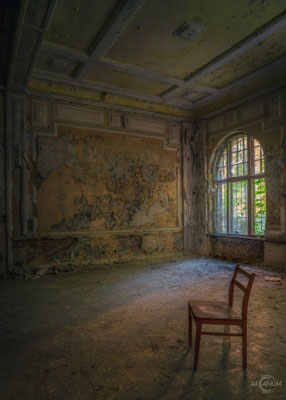
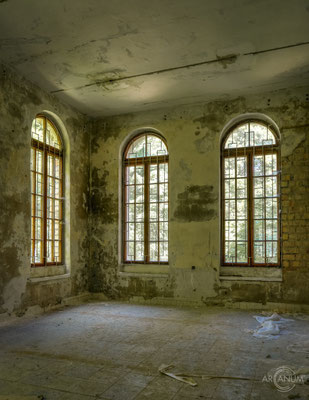
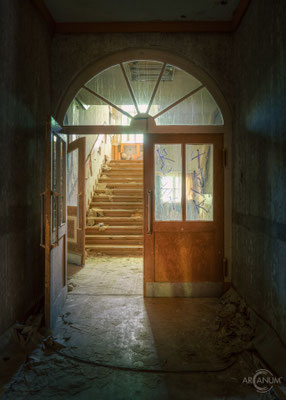
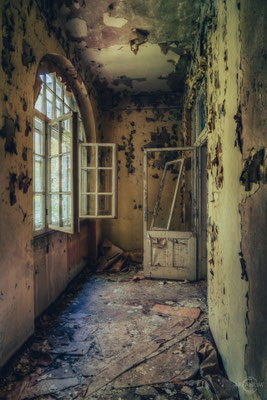
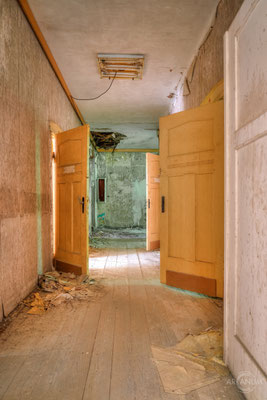
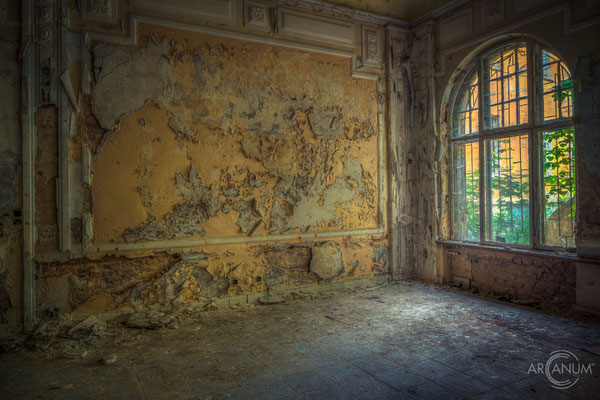
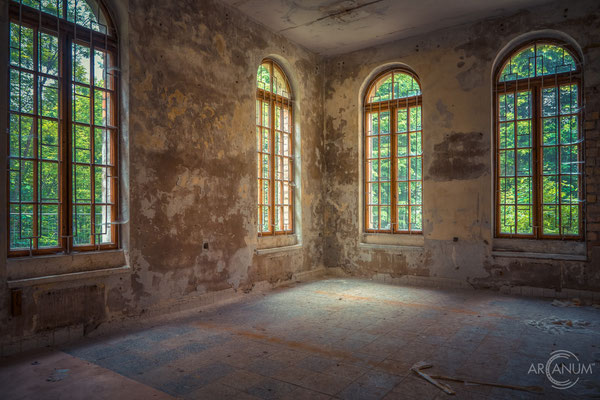
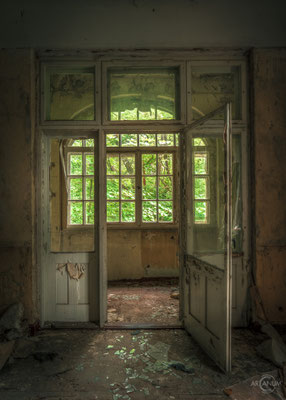
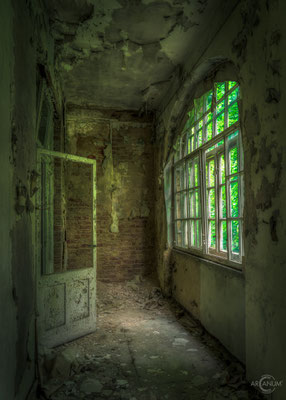
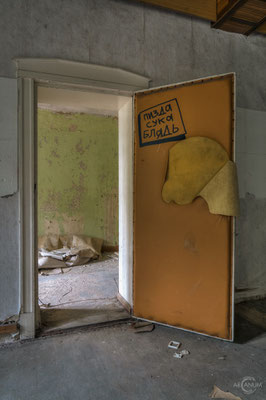
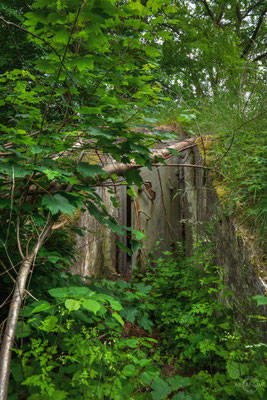
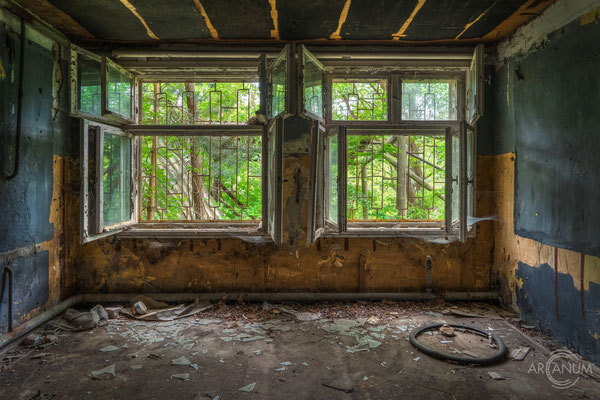
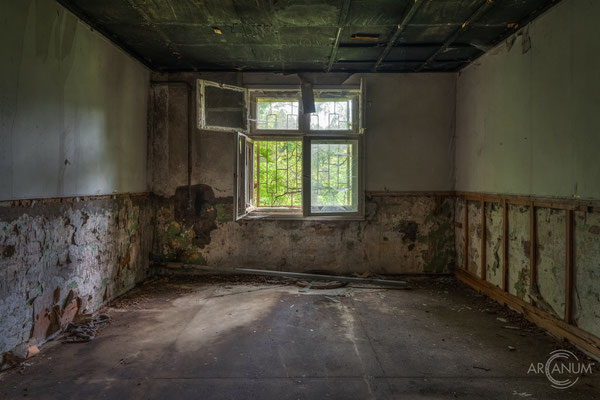
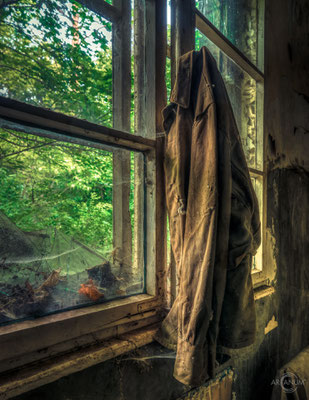
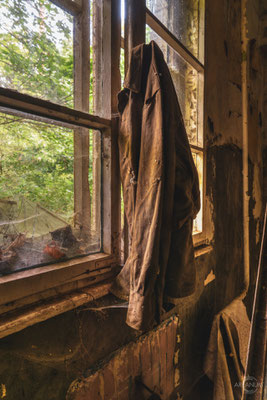
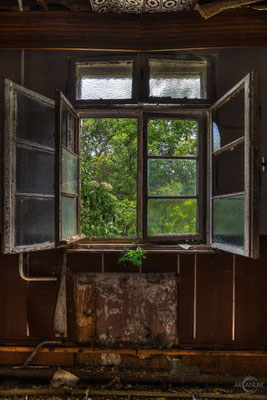
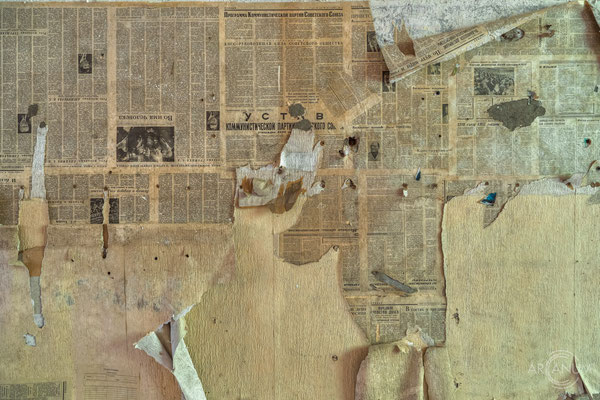
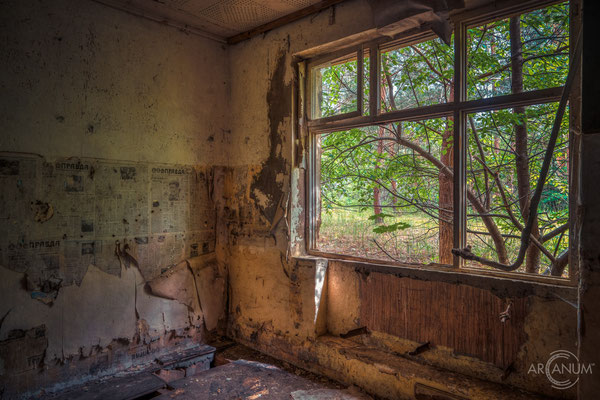
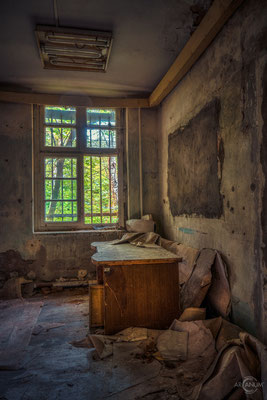
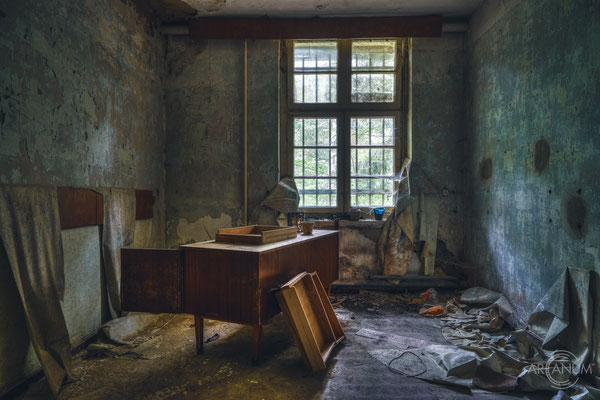
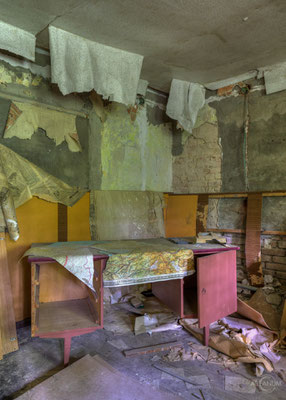
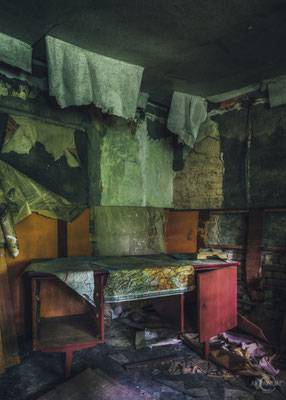
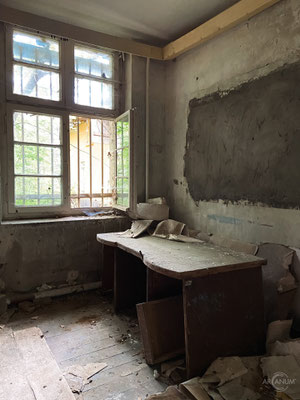
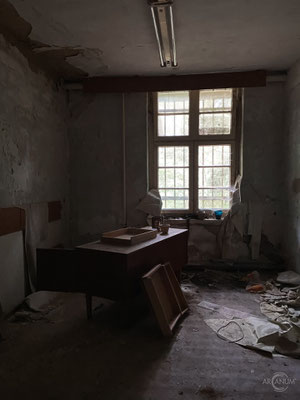
With the withdrawal of the Soviet troops in 1993–1994, the compound was returned and largely left to decay. Like many former Soviet sites in eastern Germany, it suffered from neglect, vandalism, and the slow reclaiming force of nature.
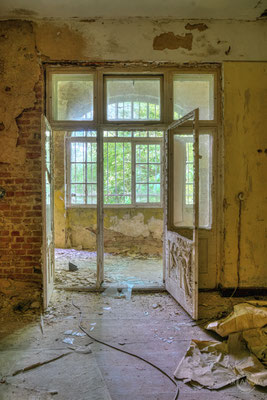
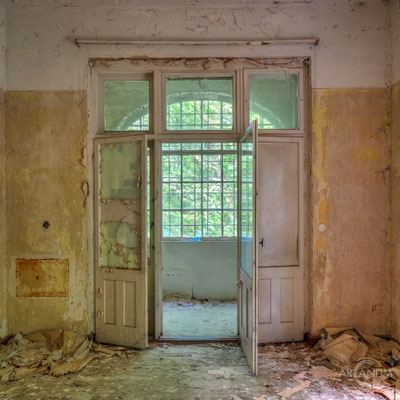
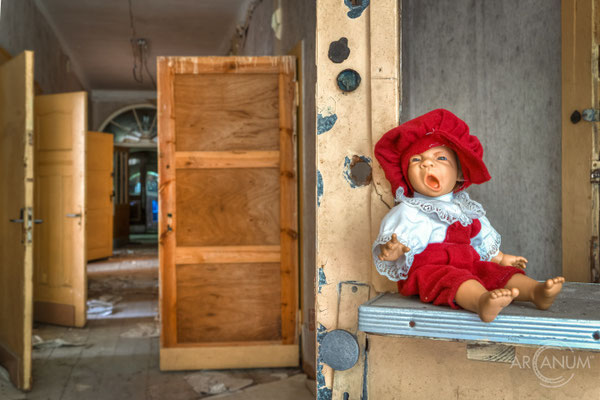
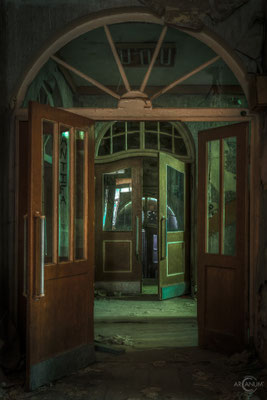
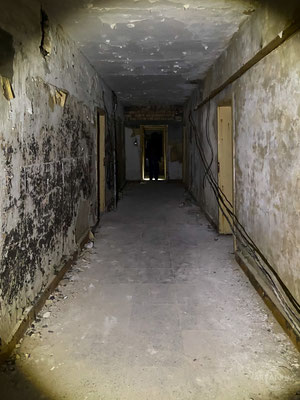
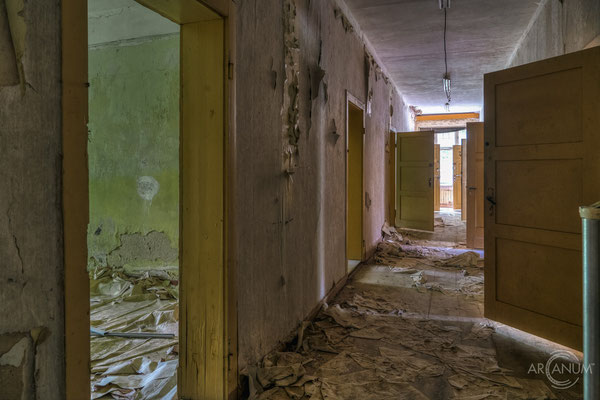
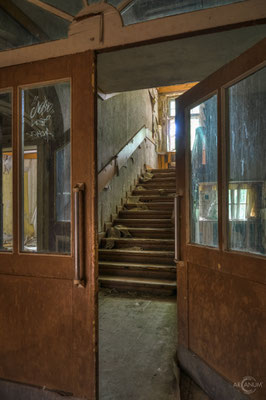
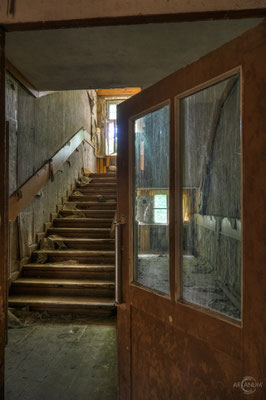
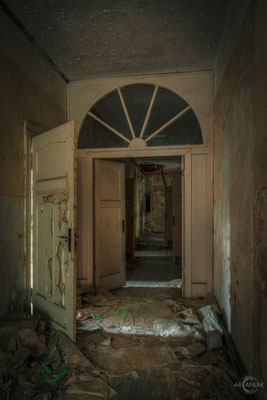
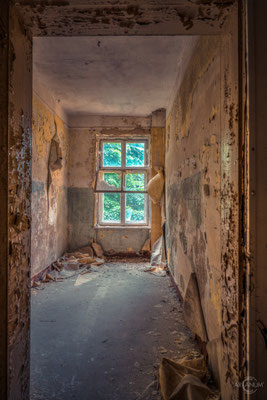
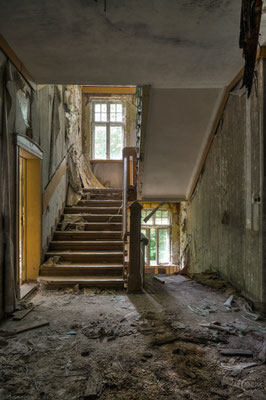
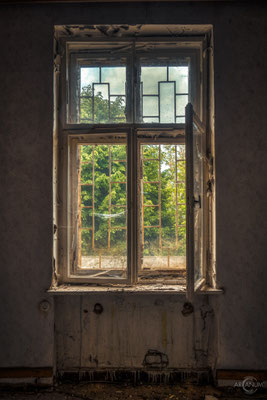
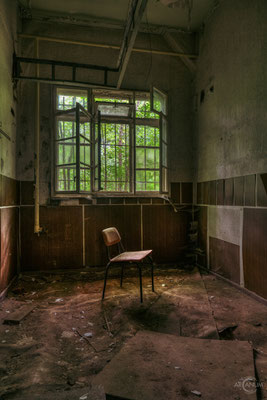
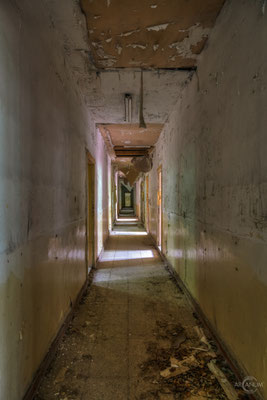
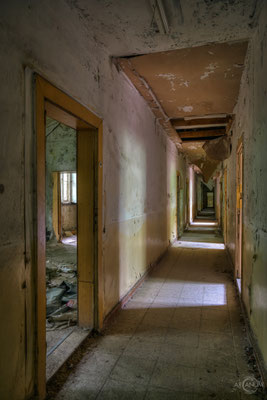
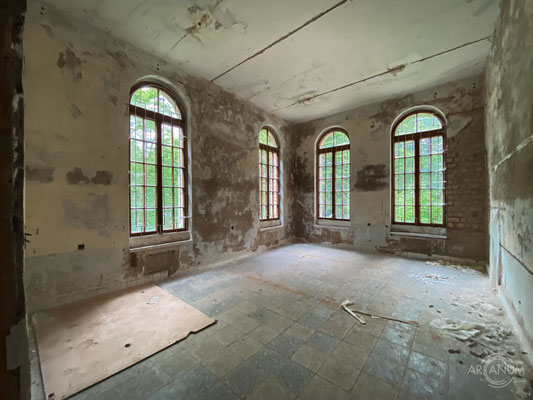
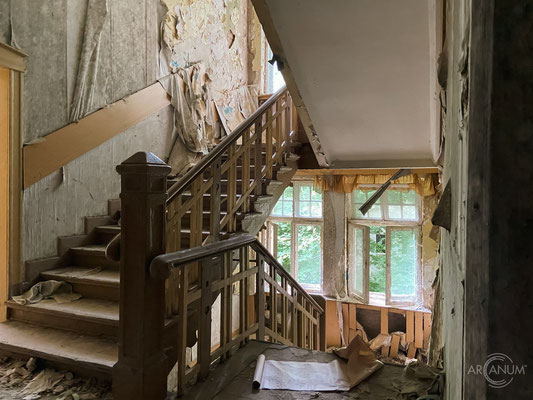
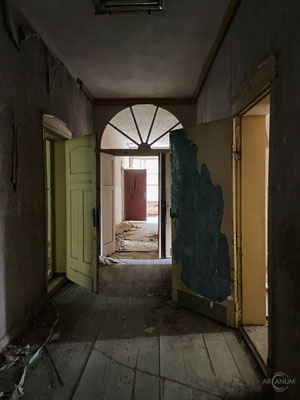
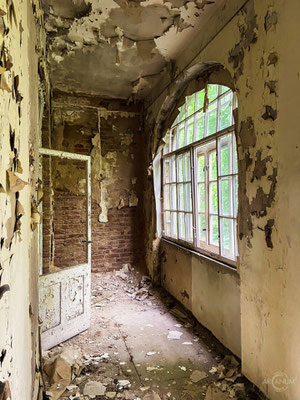
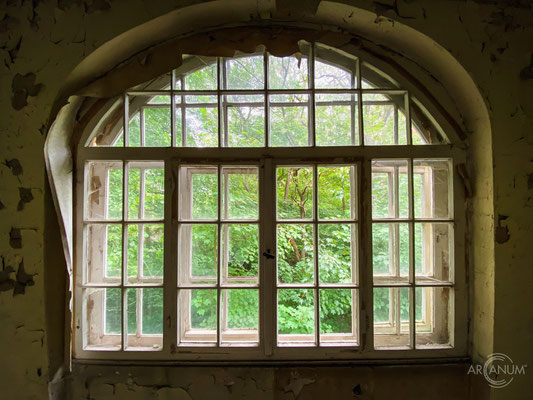
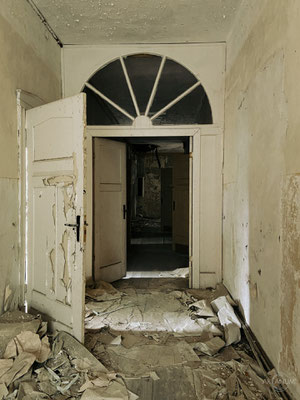
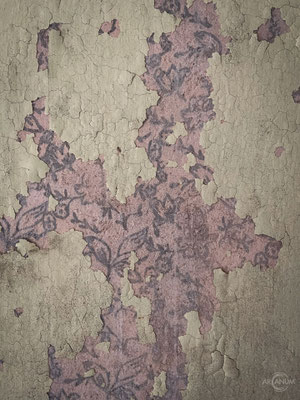
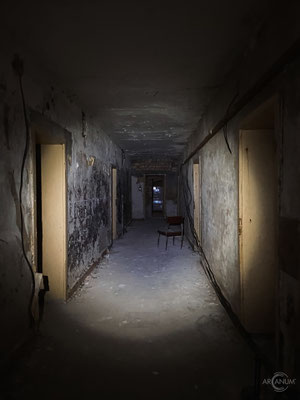
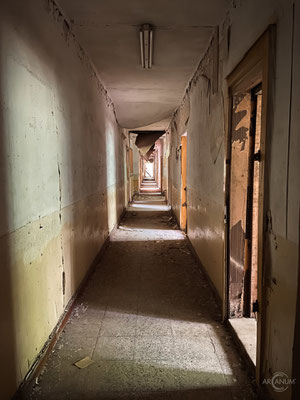
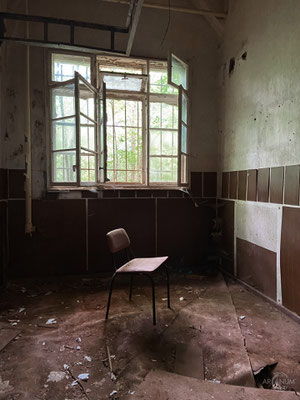
Today, the officers’ casino, the suspected communications center “Astra,” the auxiliary buildings, the Lenin monument, and the underground protection structures form a layered historical landscape. For urban explorers, it is a place of peeling paint, silent corridors, and damp concrete tunnels. For historians, it is a rare, tangible fragment of the Cold War - revealing how deeply Soviet military life was embedded in the German landscape.
What remains is a haunting snapshot of a vanished world: once tightly controlled, ideologically charged, and strategically vital—now abandoned, but not forgotten.
Visited: June 8, 2020 and June 13, 2021
Location: Fürstenberg/Havel, Germany
Status: Abandoned
Cell phone shots here:


GALLERY UPDATE - Photos taken June 13, 2021