Children's Sanatorium E.
Conceived in the late 19th century, this expansive seaside complex was originally built as a place of retreat and recreation. Its architecture reflected the era’s belief in health, fresh air, and orderly surroundings as foundations of well-being. At a time when coastal resorts flourished, the building stood as a symbol of confidence in progress and social improvement.
In the early decades of the 20th century, its purpose gradually shifted. No longer serving primarily leisure, the site became part of a growing network of social welfare institutions. Eventually, it was adapted for the care of children, offering structured living conditions intended to combine education, discipline, and recovery.

These changes mirrored broader societal developments, as health and social care became increasingly institutionalized.
After the upheavals of the Second World War, the complex entered its longest and most defining phase. Integrated into a centrally organized healthcare system and named after a communist resistance fighter, it functioned as a children’s sanatorium for several decades. Young patients were sent here for extended stays, often lasting months, to be treated for chronic and respiratory illnesses. Life inside followed a strict daily rhythm shaped by medical routines, schooling, rest, and exposure to the coastal climate. While the institution promised healing and stability, it also imposed separation, regimentation, and emotional distance — experiences that remain part of its invisible history.
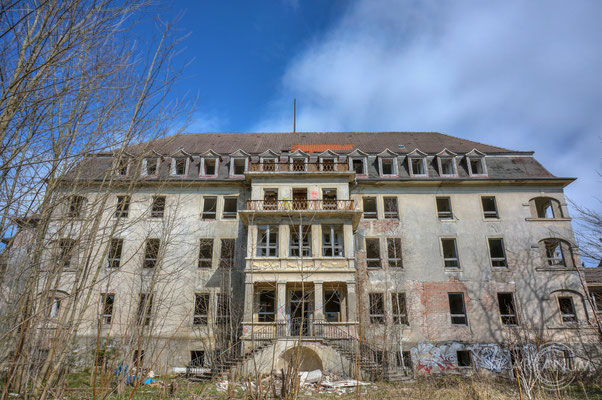
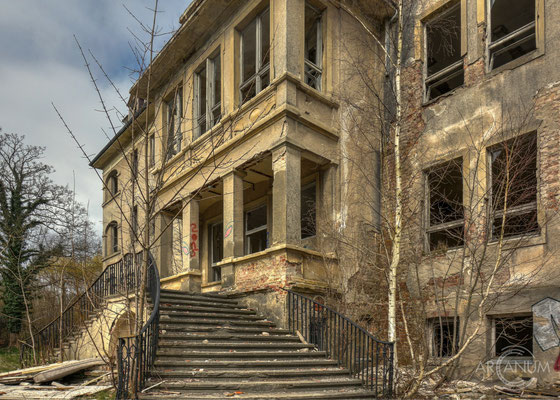
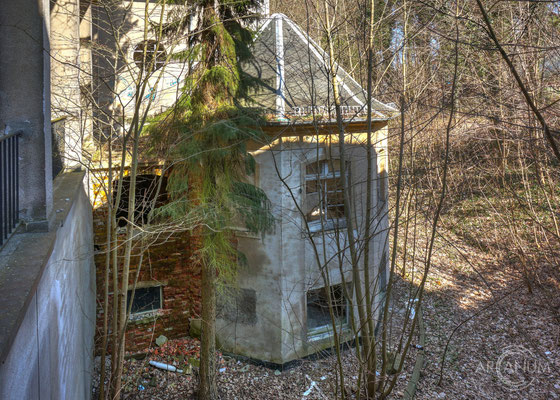
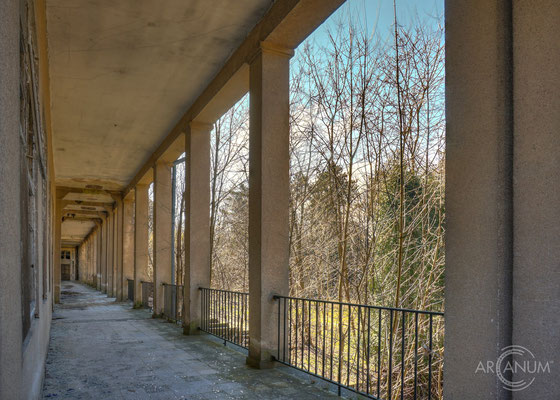
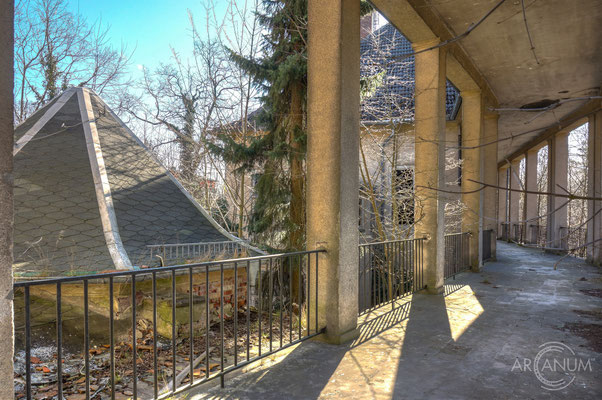
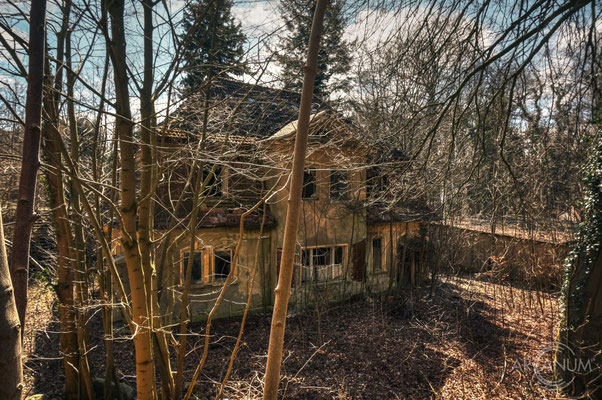
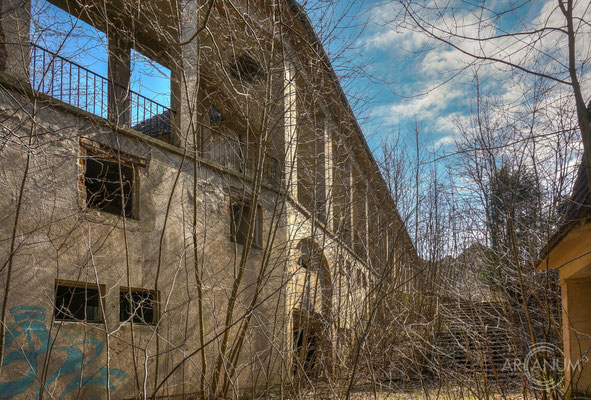
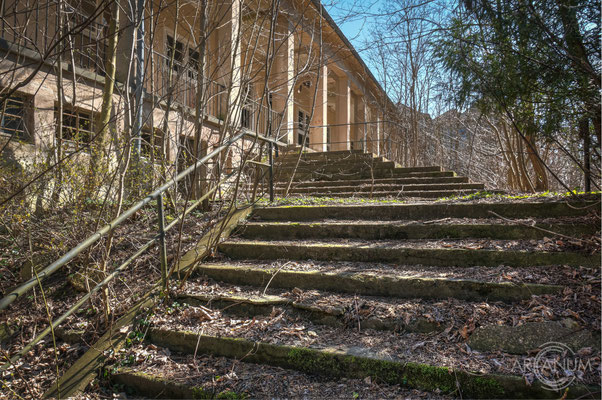
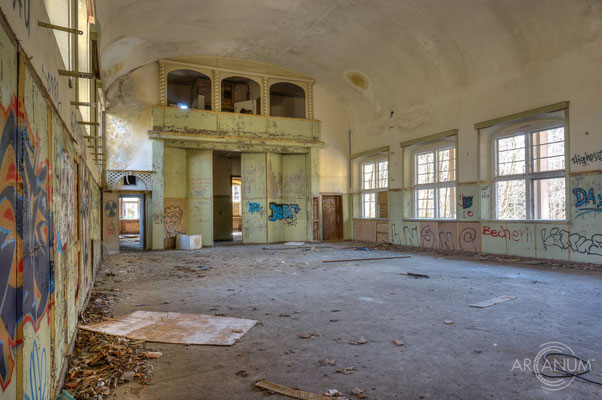
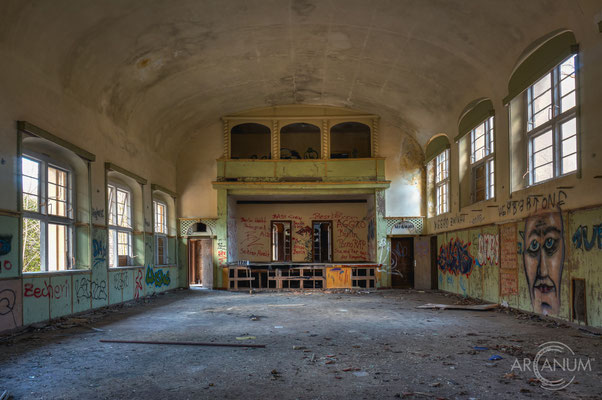
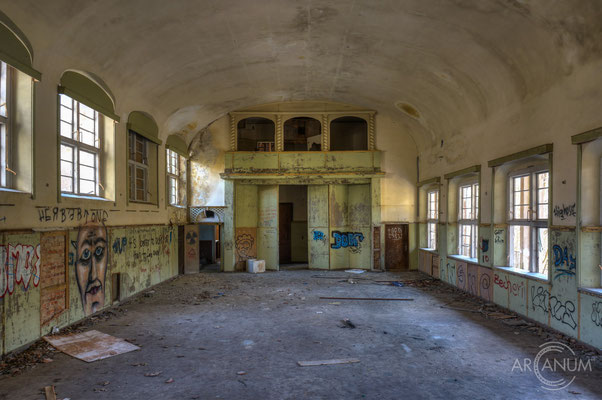
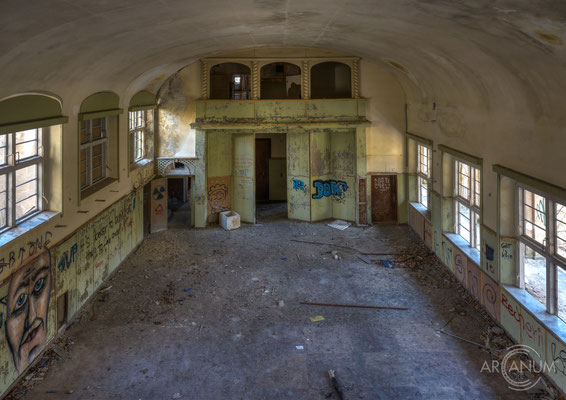
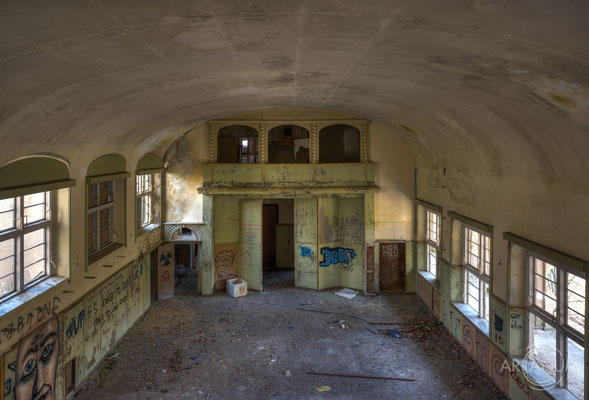
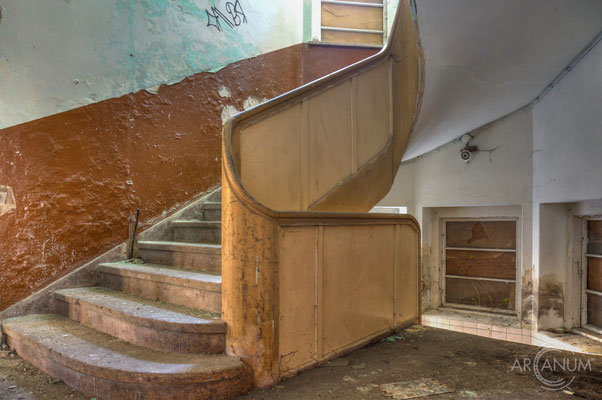
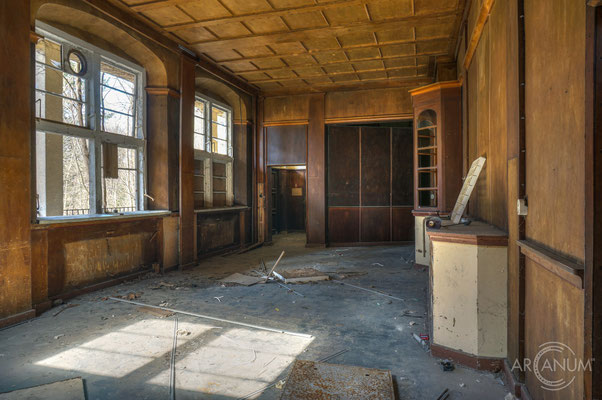
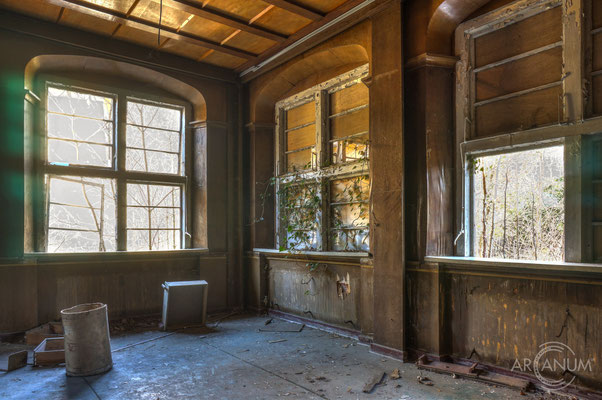
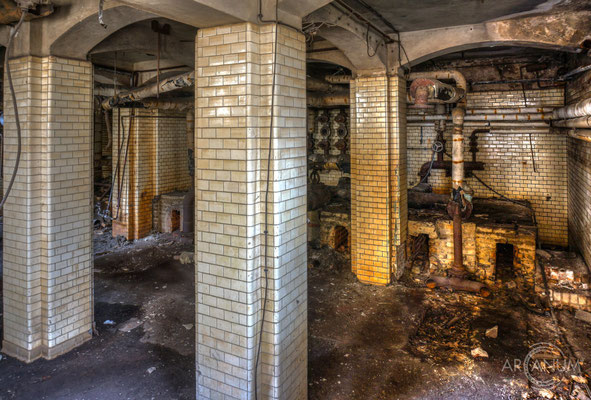
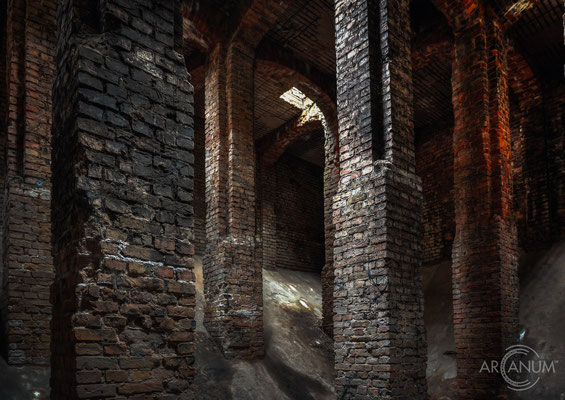
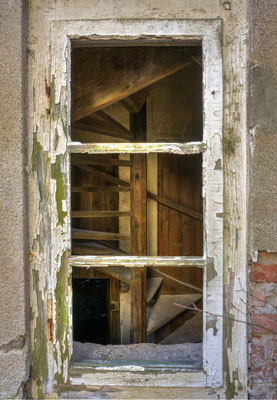
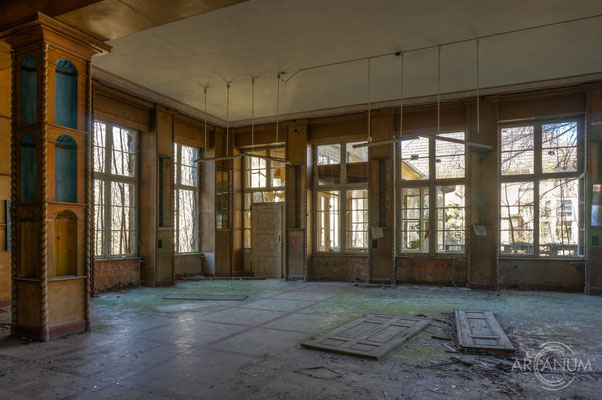
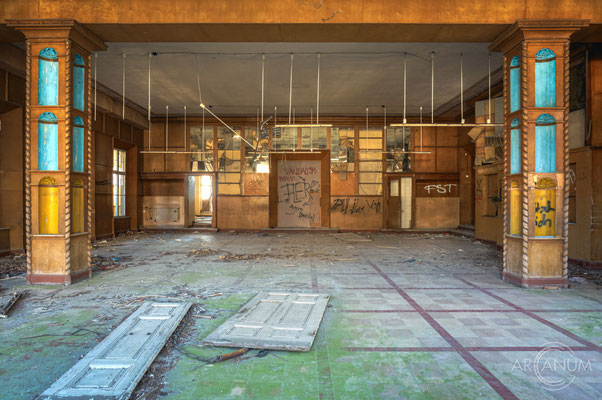
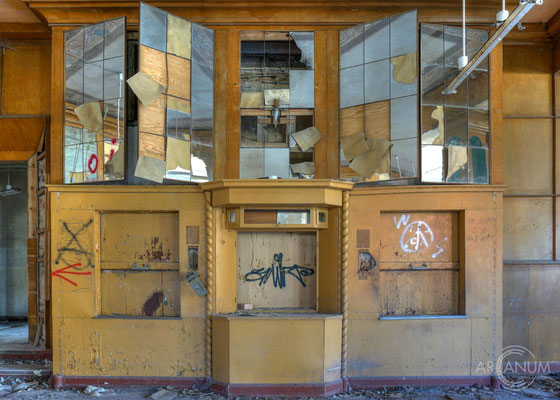
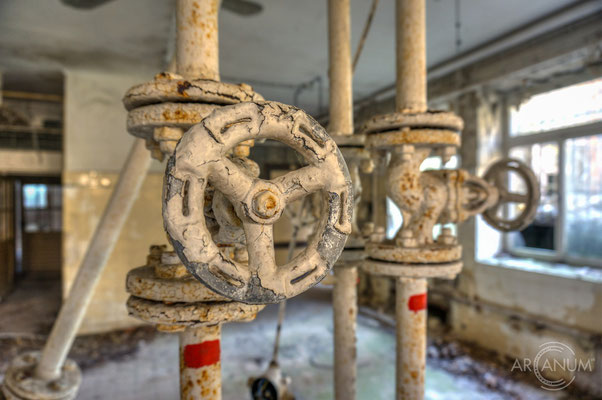
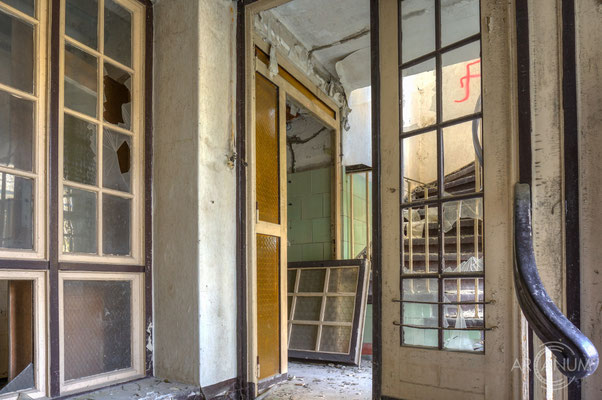
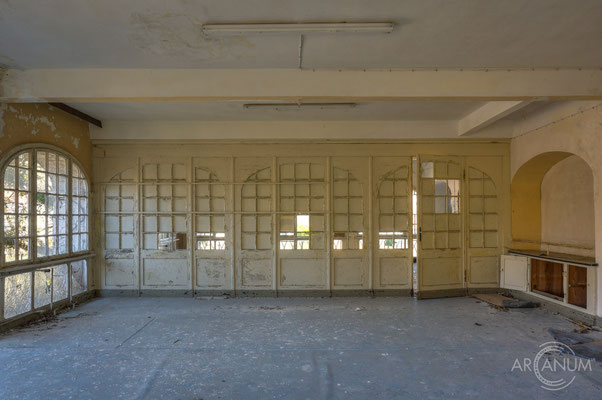
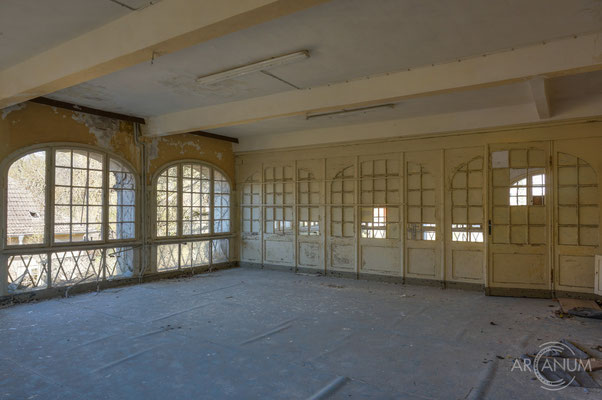
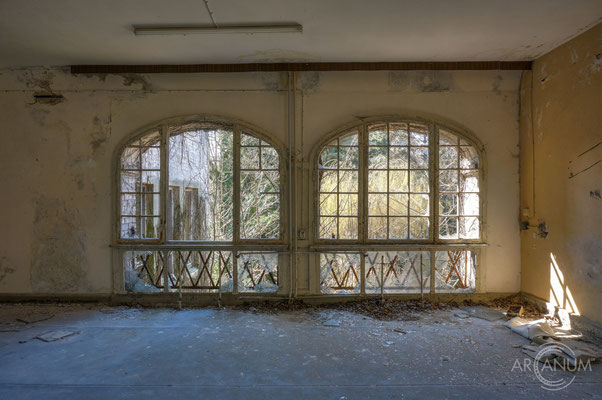
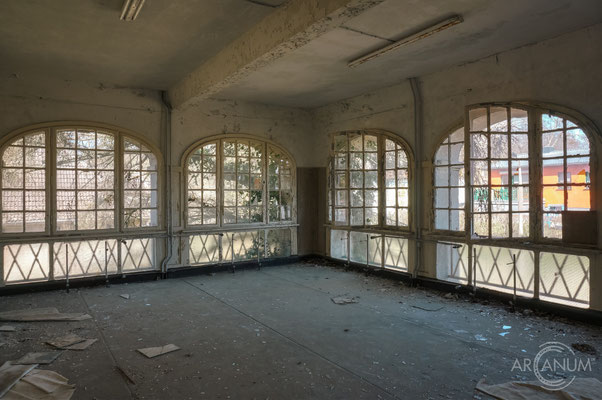
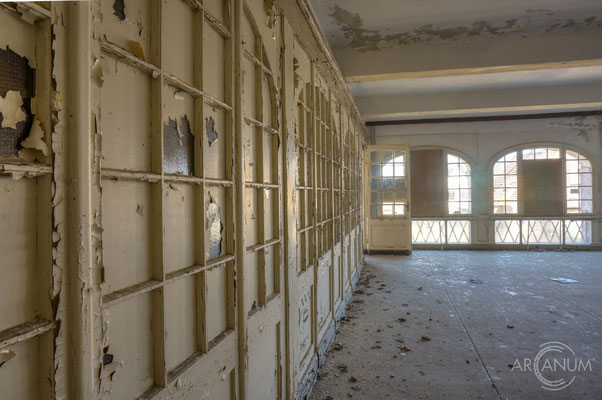
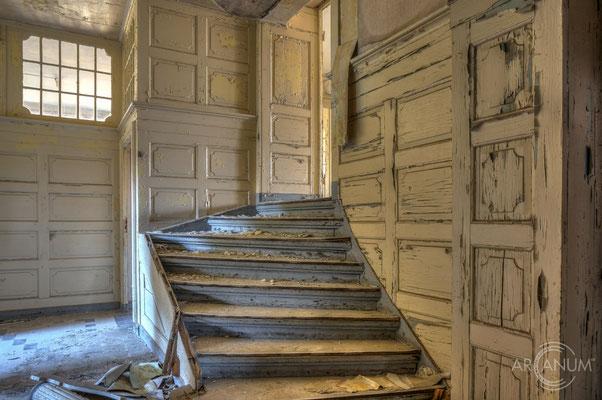
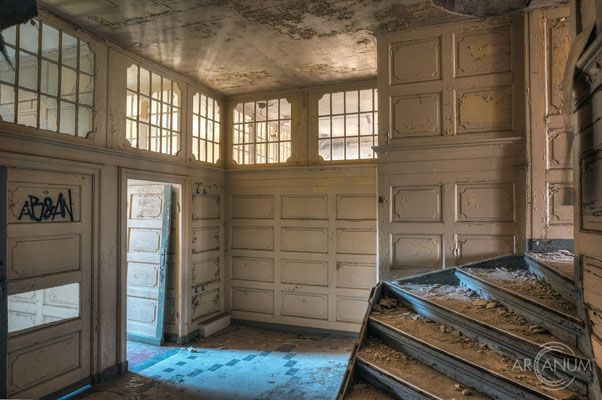
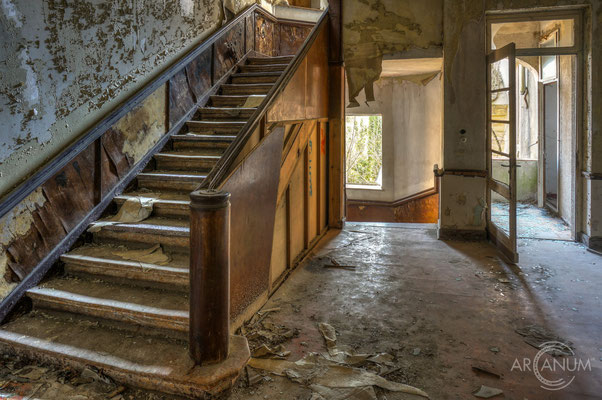
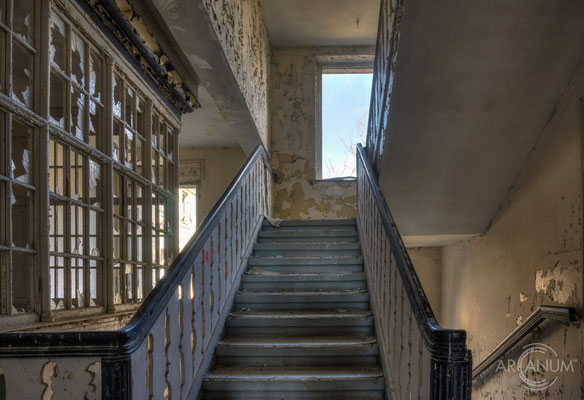
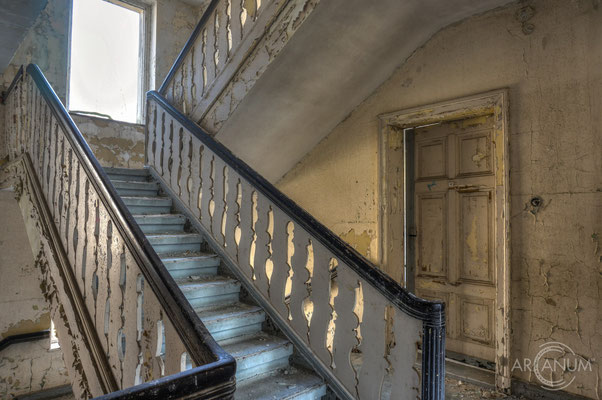
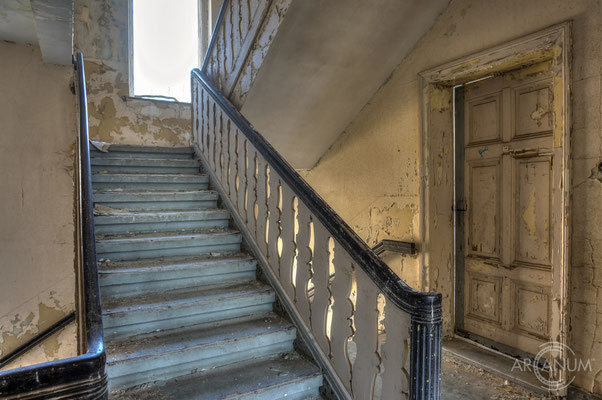
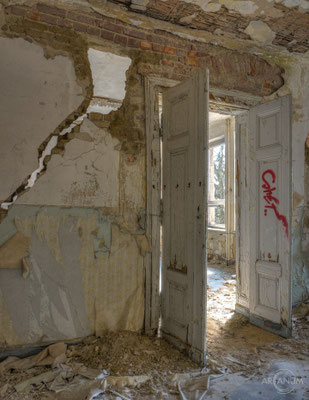
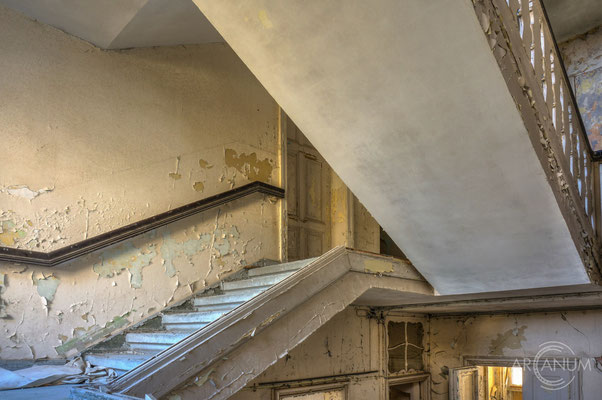
With political and economic transformation at the end of the 20th century, the sanatorium lost its role almost overnight. Medical concepts changed, funding structures collapsed, and the complex was closed. What remained was a vast architectural shell, suddenly stripped of purpose. Over the following years, weather, vandalism, and neglect began to reclaim the buildings. Paint peeled, windows broke, and corridors once filled with voices fell silent.
A major fire in 2019 caused severe damage to parts of the complex, marking a dramatic chapter in its slow decline. Since then, the site has stood as a fragile reminder of how quickly history can fade when care and responsibility disappear. Although various redevelopment plans have been discussed, the future of the complex remains uncertain.
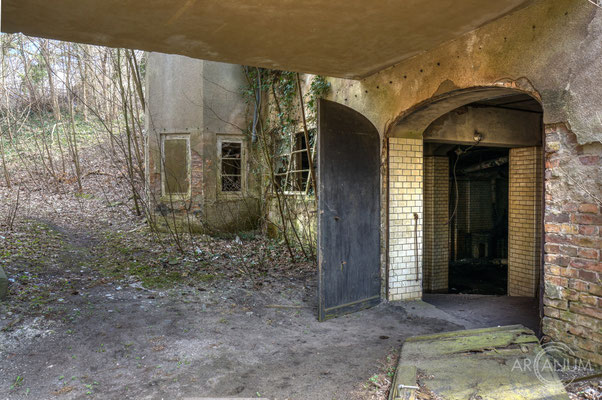
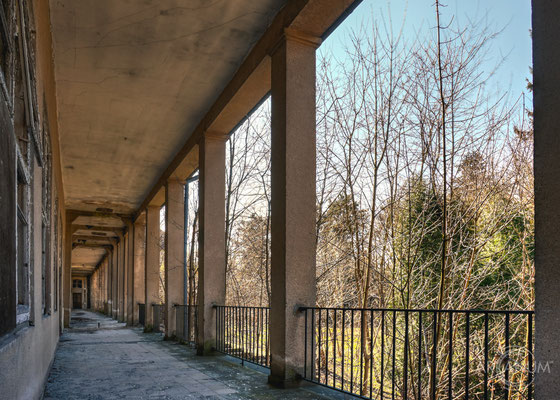
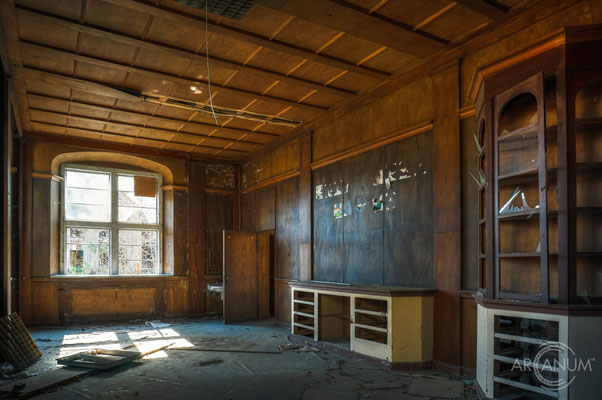
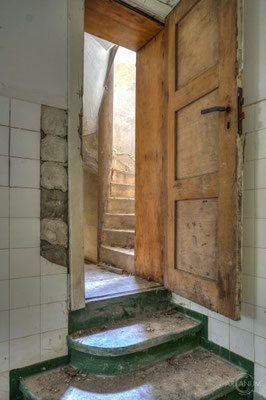
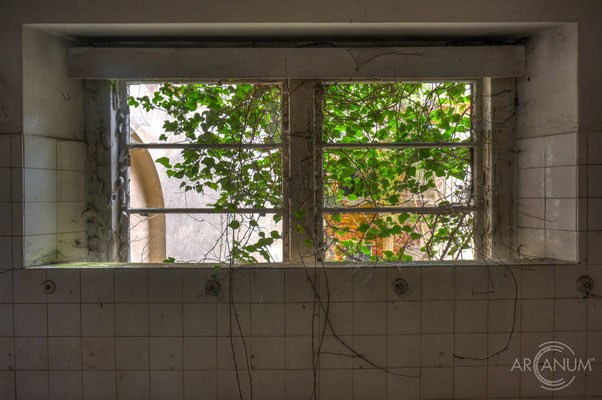
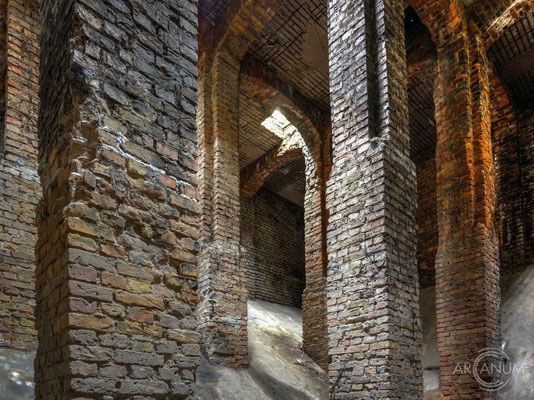
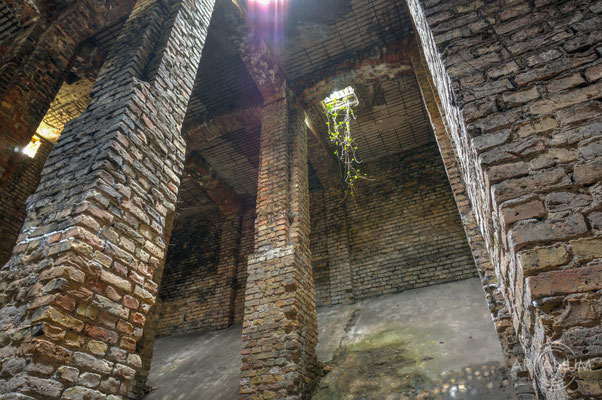
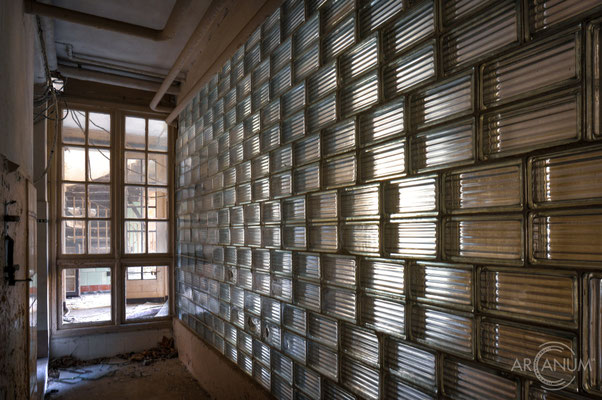
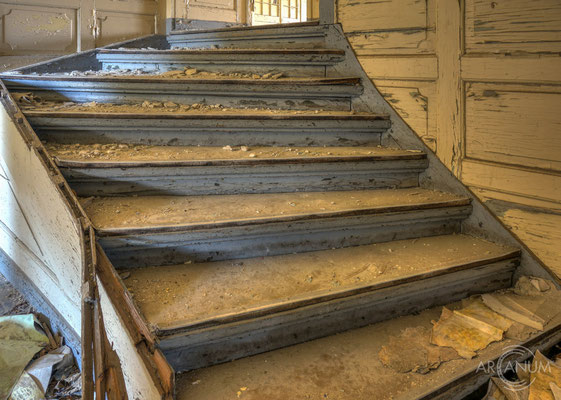
Today, the abandoned structure exists in a state of quiet suspension. Sunlight still finds its way through broken windows, dust settles on forgotten rooms, and the echoes of former routines linger in empty hallways. For urban explorers and historically minded visitors alike, the place is more than a ruin — it is a layered archive of social ideals, medical practices, and human stories, gradually dissolving into decay while resisting complete erasure.
Visited: April 6, 2015
Location: Undisclosed, Germany
Status: Abandoned, damaged by fire