House of Wheelchairs
A Forgotten Manor in the Mansfeld Hills
Hidden among fields and gentle hills in the small village of Helmsdorf in Saxony-Anhalt stands Schloss Henriette, a quiet witness to more than two centuries of regional history. Today the building is often described as a lost place, but its story stretches far beyond the years of abandonment. From aristocratic residence to nursing home and finally to an empty relic rediscovered by explorers, the castle reflects the changing fortunes of the region around it.

The Birth of a Manor (1801–1805)
Schloss Henriette was built between 1801 and 1805 as a stately manor house for the Prussian district administrator Wilhelm von Kerssenbrock. The estate came into the family through his marriage to Louise Ernestine Henriette von Bülow, whose name would later inspire the name of the house.
Constructed in a restrained classical style, the two-storey residence was designed to overlook the surrounding countryside and its agricultural lands. A landscaped park completed the ensemble, turning the estate into a representative seat of rural nobility in the Mansfeld region.
For decades, the manor served as a quiet aristocratic residence. Life here would have been shaped by agriculture, hunting, and the rhythms of the countryside - far removed from the industrial mining towns that later grew nearby.
New Owners and Early 20th-Century Changes
In the late 19th century the estate changed hands. After the Kerssenbrock line ended without a male heir, the property passed to Baron Bernhard von Krosigk in the late 1800s.
Around 1910, the manor underwent significant alterations designed by the well-known architect Paul Schultze-Naumburg, who modernized the building while preserving its elegant classical appearance.
The renovation reflected the changing expectations of aristocratic life in the early 20th century - comfort and prestige combined within the walls of a rural estate.
From Noble Residence to Nursing Home
The end of the Second World War brought a radical transformation. Like many estates in eastern Germany, the property was expropriated during the post-war land reforms.
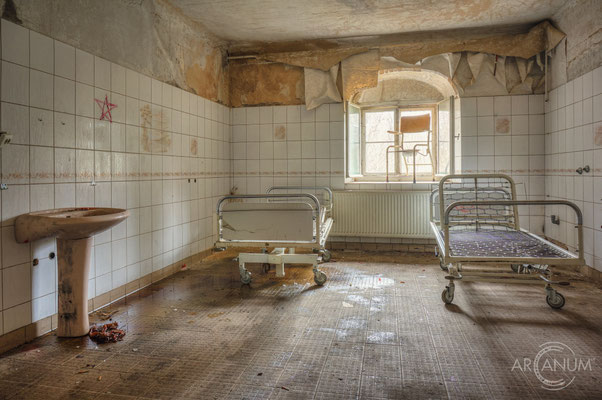
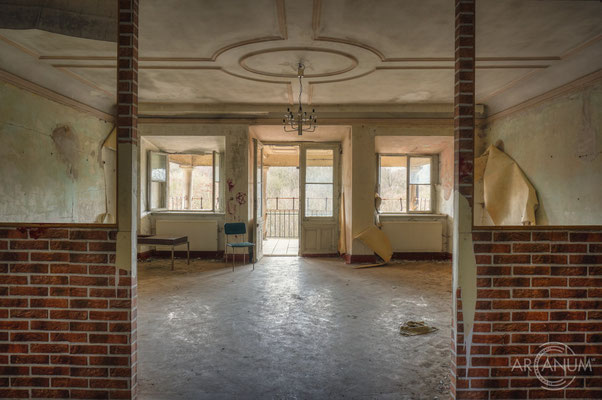
In the decades that followed, Schloss Henriette served a completely different purpose. The former aristocratic residence became a retirement and nursing home, later known as the Martha Brautzsch care facility. Rooms that once hosted family gatherings and social receptions were turned into patient wards and communal living spaces.
This use continued until 1994, when the facility moved to a new building. For the first time in nearly two centuries, the castle stood empty.
Decay and Rediscovery
After the nursing home closed, Schloss Henriette slowly slipped into abandonment.
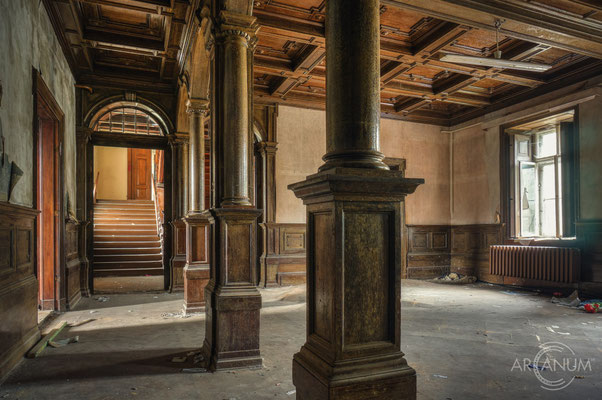
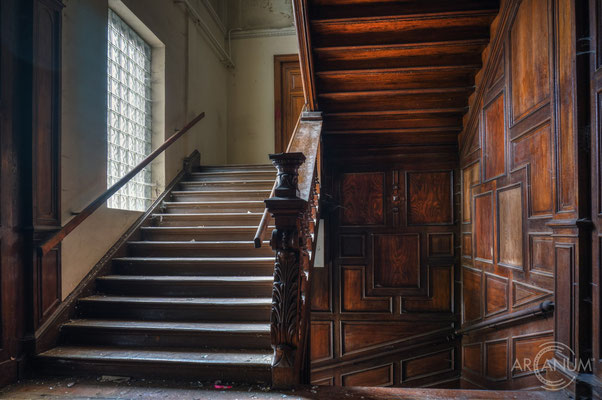
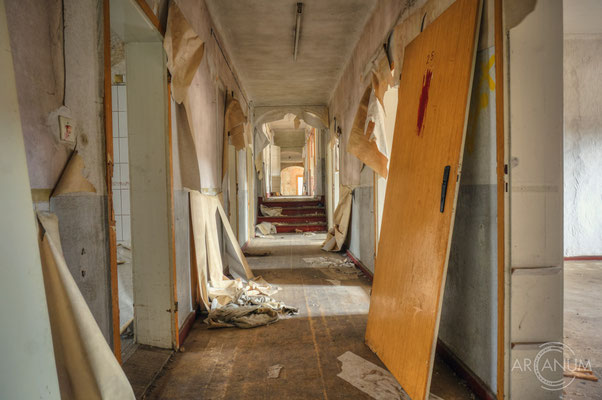
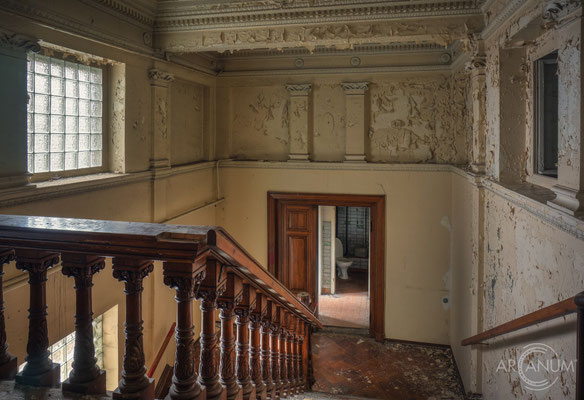
For more than 25 years, the building deteriorated. Weather, vandalism, and neglect left their marks. Broken windows, peeling paint, and collapsing interiors transformed the once dignified manor into a haunting shell.
During this time the site quietly gained attention among urban explorers and lost-place photographers. The atmosphere of faded grandeur—long corridors, empty rooms, and traces of its former lives - made the castle a fascinating destination for those drawn to forgotten places.
The Hidden Silver of Schloss Henriette
Local stories from Helmsdorf tell of a small but intriguing discovery made during renovation work in the early 1960s, when the building was already being used as a care facility in the GDR.
According to these accounts, workers carrying out structural alterations inside the castle uncovered a hidden cache of silver tableware concealed within the building’s structure. The pieces were said to have belonged to the von Krosigk family, the last aristocratic owners of the estate before the end of the Second World War.
The silver – reportedly consisting of plates, serving dishes and cutlery from the family’s table service – had likely been hidden away during the chaotic final months of the war. At that time many noble families attempted to safeguard valuables from looting, confiscation, or the sweeping land reforms that followed the Soviet occupation.
What exactly happened to the discovered silver remains unclear today. Some locals claim it was handed over to state authorities, while others believe parts of the service quietly disappeared into private hands. As with many such stories from the post-war years, documentation is scarce and the details have become part of local folklore.
For visitors exploring Schloss Henriette today, the tale adds another layer to the building’s atmosphere. Somewhere within these walls, long before the corridors fell silent and the plaster began to crumble, a small piece of aristocratic life lay hidden—waiting to be rediscovered decades later.
A New Chapter
In recent years, local initiatives have begun working to preserve and revive the castle. Volunteers and heritage groups are slowly stabilizing the structure and organizing cultural events to bring attention back to the site.
Whether the building will one day fully return to life remains uncertain. But for now, Schloss Henriette stands in a fascinating in-between state - no longer an abandoned relic, yet still carrying the atmosphere that attracts explorers and history lovers alike.
Between crumbling plaster and silent halls, the manor continues to tell its story: of nobility, social change, forgotten decades, and a landscape whose secrets stretch back hundreds of years.
Visited: February 21, 2016
Location: Helmsdorf, Germany
Status: Empty, not abandoned