Soviet Airfield A.
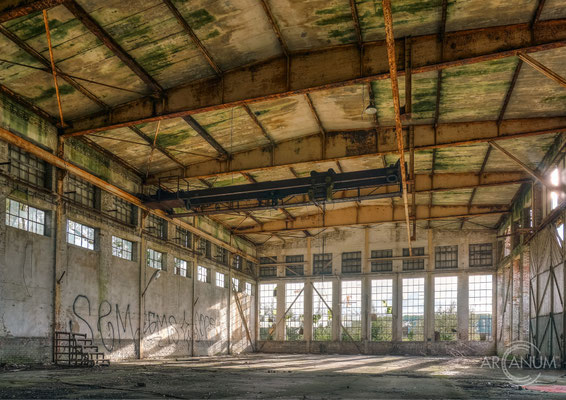
Flugplatz Alt Daber, often referred to in English as Alt Daber Airfield or Wittstock Air Base, is a striking example of a layered military landscape in northern Brandenburg. Shaped by successive political systems and military doctrines, the site reflects nearly a century of European history written directly into concrete runways, decaying hangars, and overgrown barracks. Today, its abandoned infrastructure, slowly reclaimed by nature, invites fascination and reflection alike - not only as a former strategic airbase, but as a silent witness to war, Cold War confrontation, and the complex afterlife of military spaces in peacetime.

Origins and Early Years (1934–1945)
The site’s story begins in the 1930s against the backdrop of Germany’s evolving military ambitions. Initially established in 1934 as a simple glider field, the area between the villages of Alt Daber and Wittstock/Dosse was part of a broader surge in aviation activities under the rising Nazi regime.
By 1938–1940, the airfield was expanded and transformed into a dedicated Fallschirmjäger (paratrooper) training school, showing the Wehrmacht’s emphasis on airborne forces and rapid deployment concepts on the eve of the Second World War. Training reportedly began around 1939, and the facility quickly became a hub for paratrooper instruction. Notable figures such as actor Joachim Fuchsberger and boxer Max Schmeling are cited in period accounts as having trained here, often used in propaganda and morale roles as well as military training.
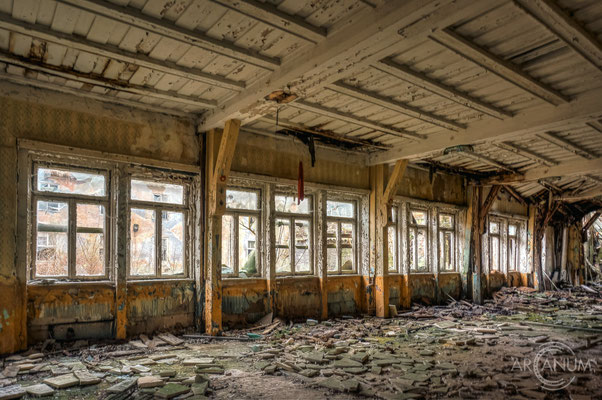
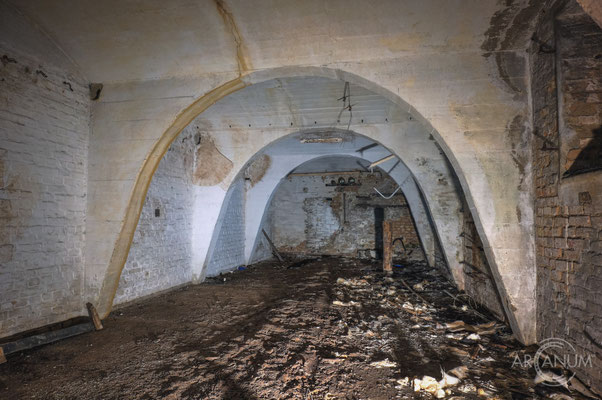
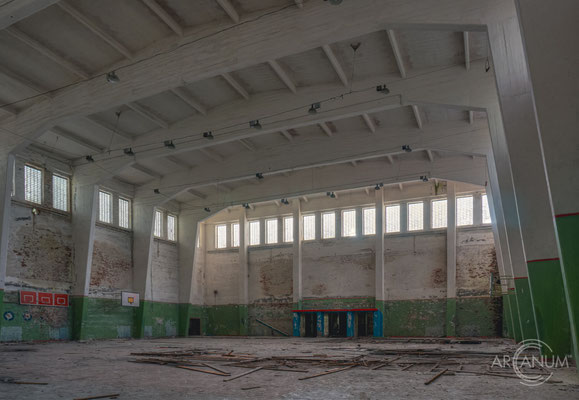
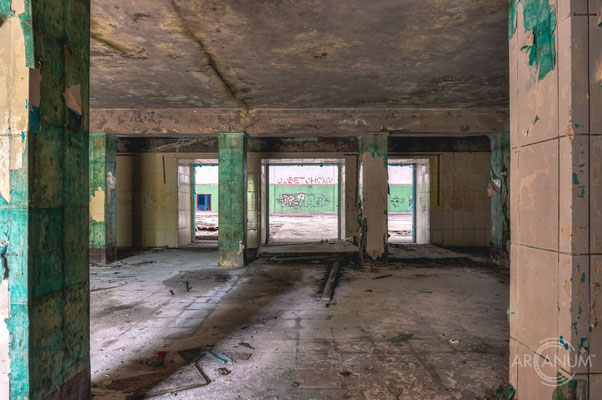
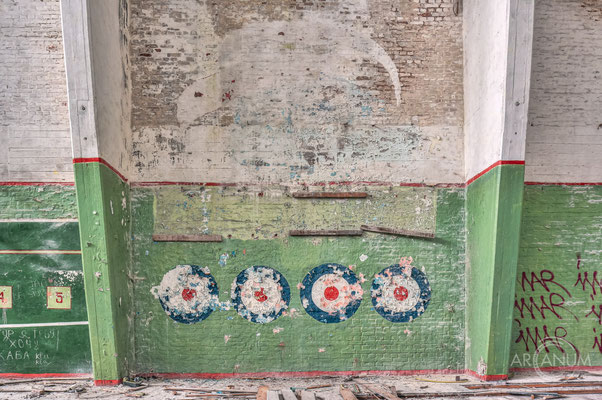
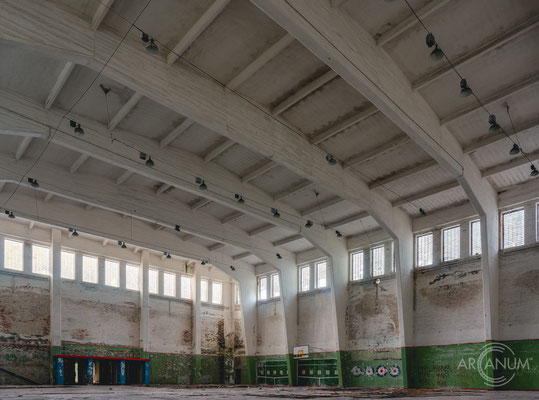
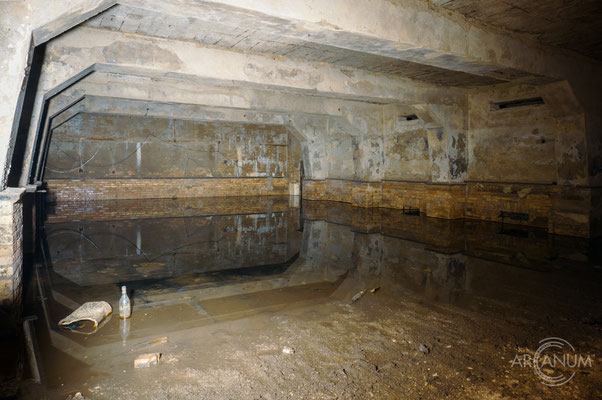
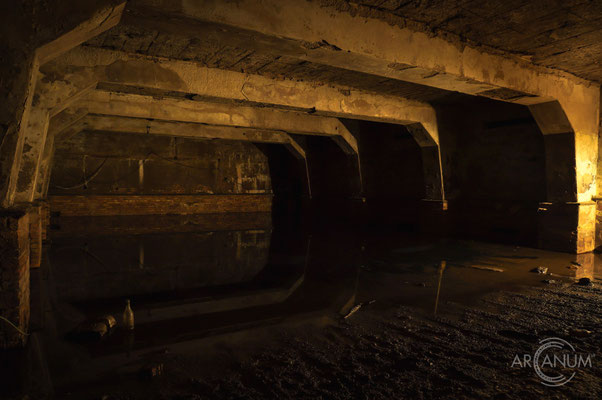
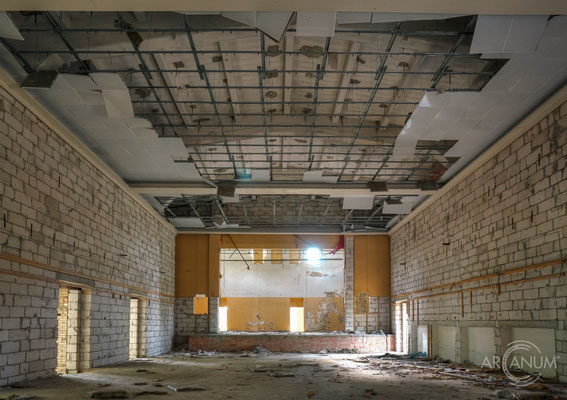
Under Nazi command, Alt Daber also developed into a more complete military settlement: beyond hangars and runways, the complex included barracks, cultural spaces, and even, according to later investigations, an underground cinema capable of seating around 200 people - a reminder of the way these bases functioned as self-contained communities for servicemen.
As the war progressed, the airfield hosted various Luftwaffe units and supported operations on the Eastern Front. When Allied advances made German positions untenable, the last Luftwaffe aircraft reportedly departed in late April 1945. Shortly thereafter, on 3 May 1945, the site was seized by the Red Army, marking a decisive change in its operational and geopolitical role.
Cold War Era — Soviet Occupation (1945–1994)
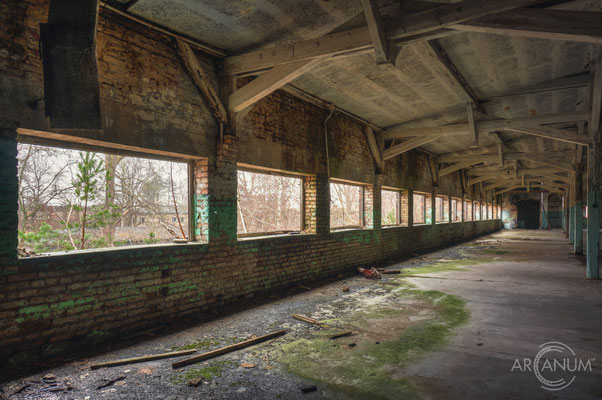
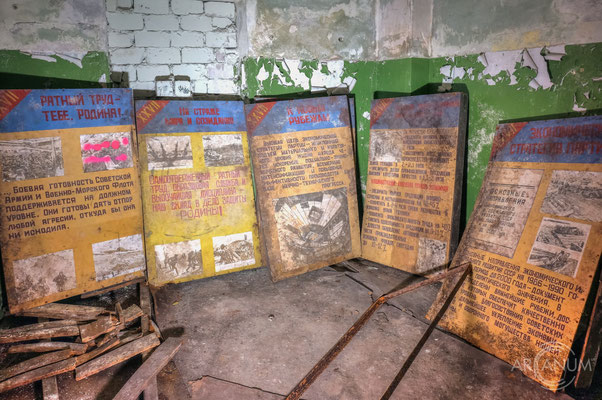
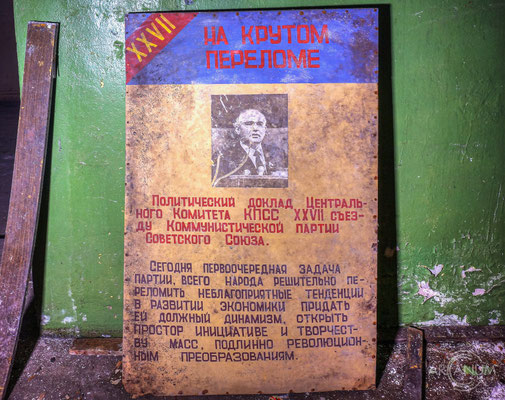
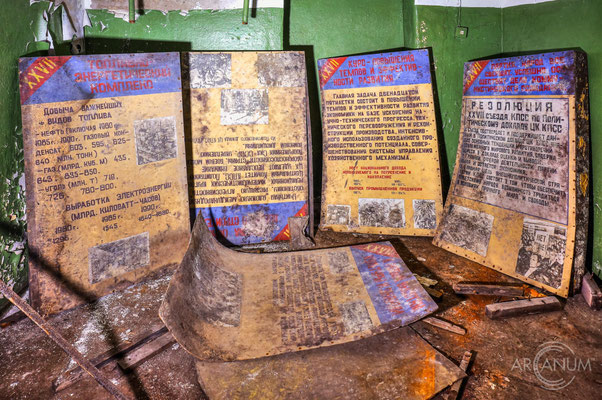
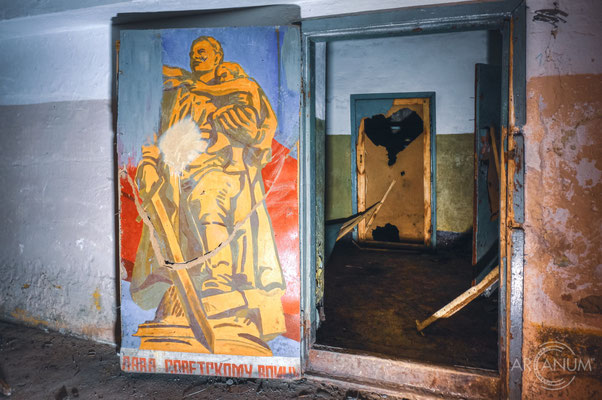
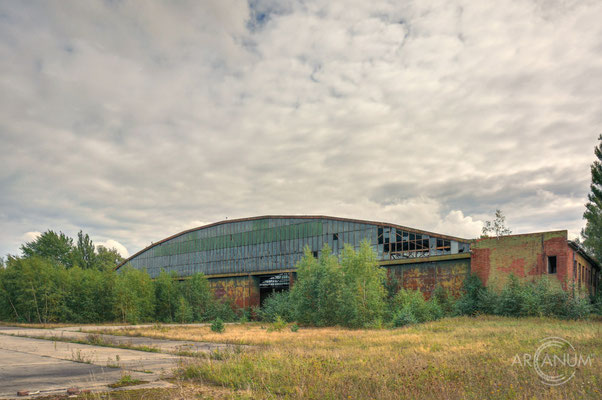
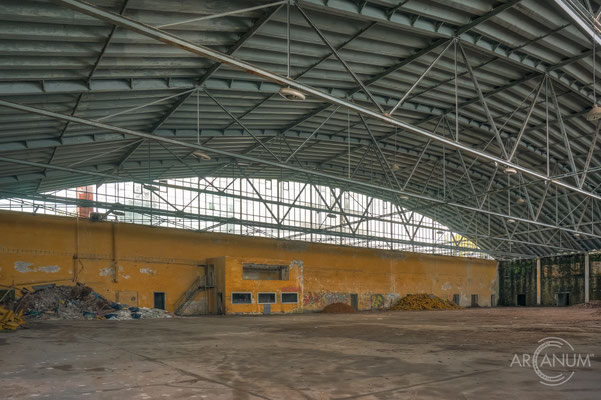
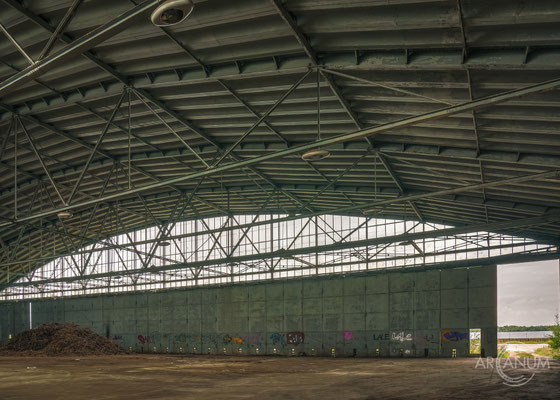
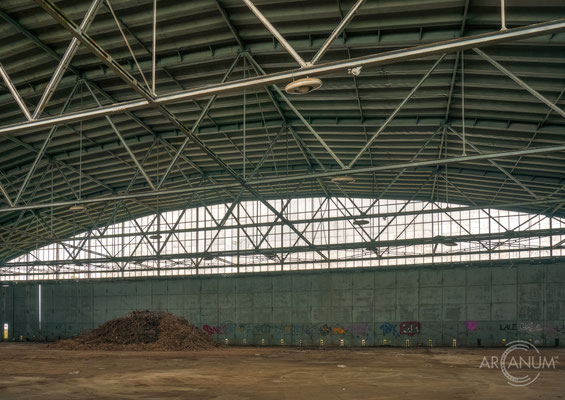
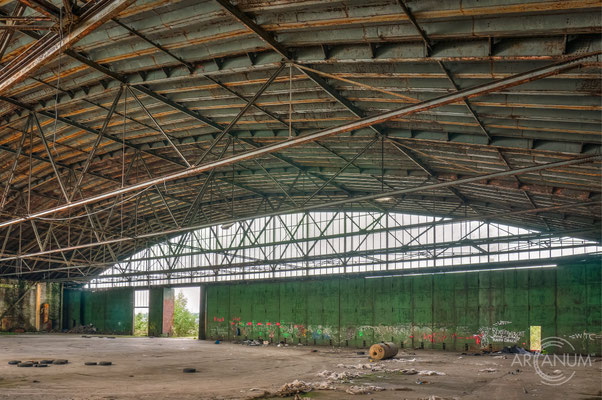
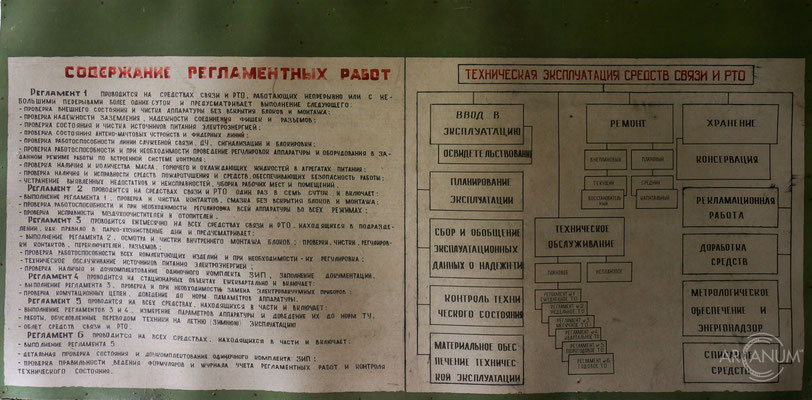
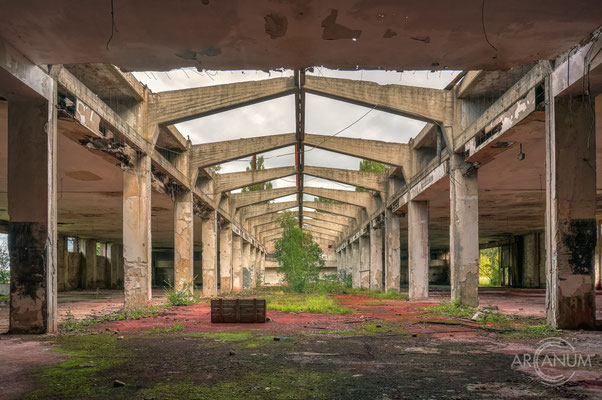
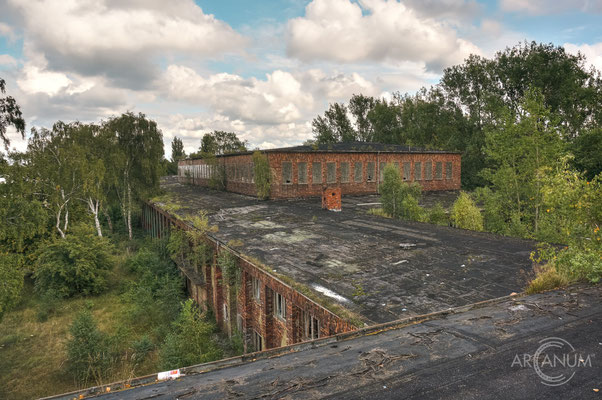
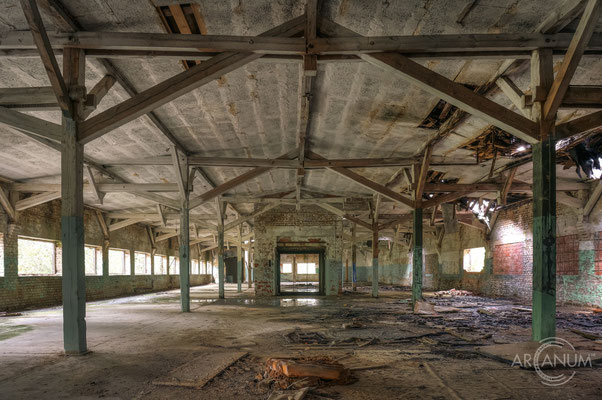
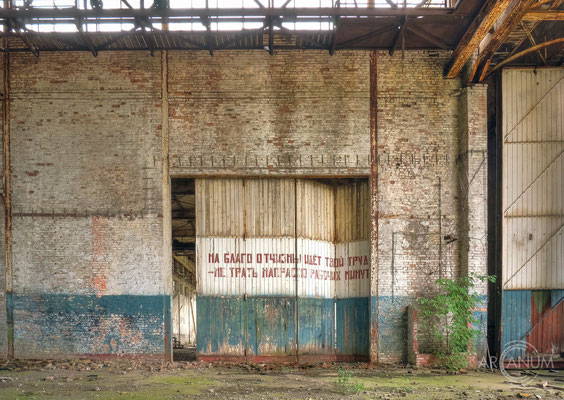
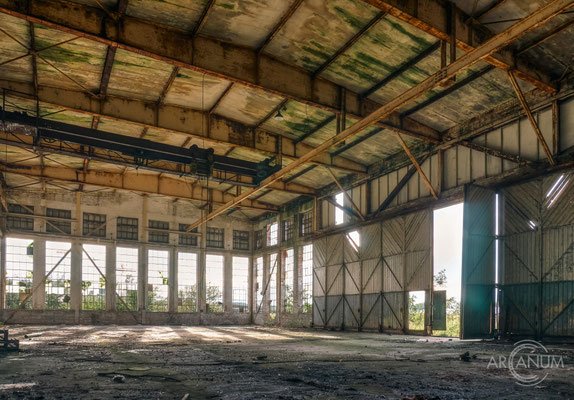
Following its capture by the Red Army in May 1945, Alt Daber Airfield entered its longest and most defining phase as a Soviet military installation, becoming an integral part of the Cold War security architecture of the Eastern Bloc. Over the following decades, the base was extensively rebuilt and modernized by the Soviet Air Force. Grass runways were replaced with long concrete strips measuring up to 2.7 kilometers, and a dense network of taxiways, hardened aircraft shelters, maintenance hangars, radar facilities, and technical buildings transformed the former German airfield into a fully fledged frontline air base.
From the early 1960s onward, Alt Daber was home to the 33rd Fighter Aviation Regiment (33rd IAP), subordinated to the 16th Air Army, one of the most powerful Soviet air formations stationed in East Germany. Equipped with modern jet fighters, the unit played a key role in Warsaw Pact air defense planning, tasked with intercepting NATO aircraft and securing air superiority in the event of a military confrontation.
Beyond its aviation infrastructure, the site also included extensive storage and logistics facilities. A large ammunition depot was established in a wooded area near the airfield, used for the storage of conventional munitions required for sustained flight operations. In addition to this, evidence and post–Cold War assessments indicate the presence of a special storage bunker designed for nuclear weapons. Such bunkers, typically highly secured, partially buried, and separated from standard ammunition depots, were part of a wider Soviet strategy to maintain nuclear strike capability in Eastern Europe without permanently stationing weapons directly on aircraft.
While the exact operational status and deployment history of nuclear weapons at Alt Daber remain classified or only partially documented, the existence of a dedicated nuclear storage facility strongly suggests that the airfield was intended to be nuclear-capable. This placed Alt Daber among a select group of Soviet bases in the German Democratic Republic prepared for escalation from conventional to nuclear warfare - a stark reminder of how close the region stood to the potential frontline of a global conflict.
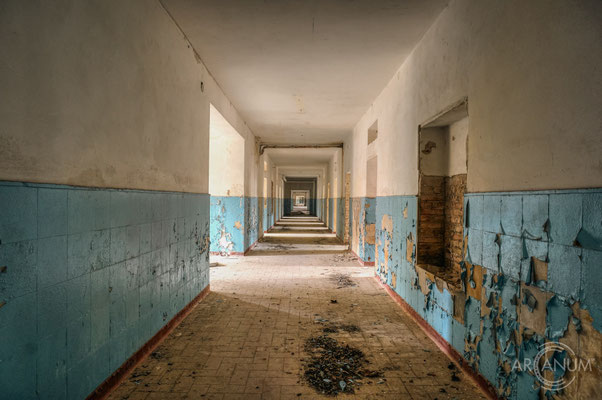
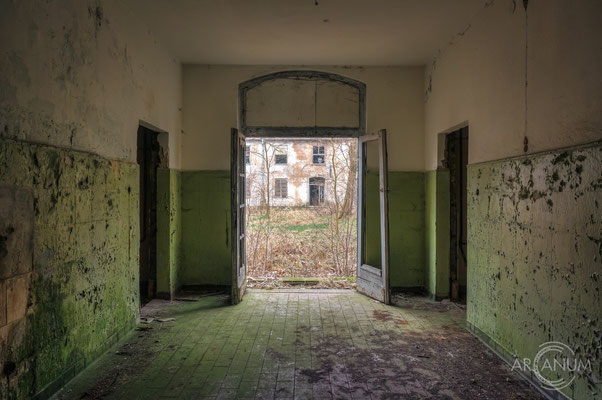
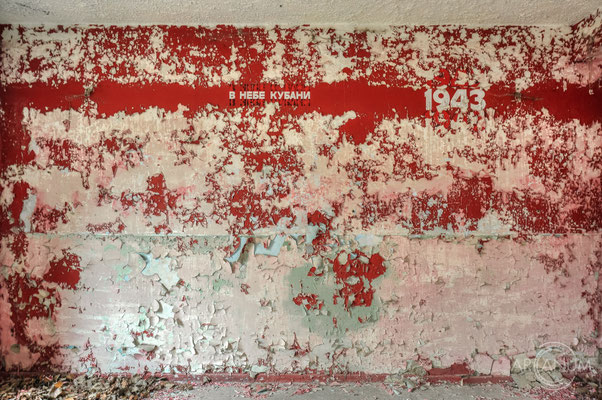
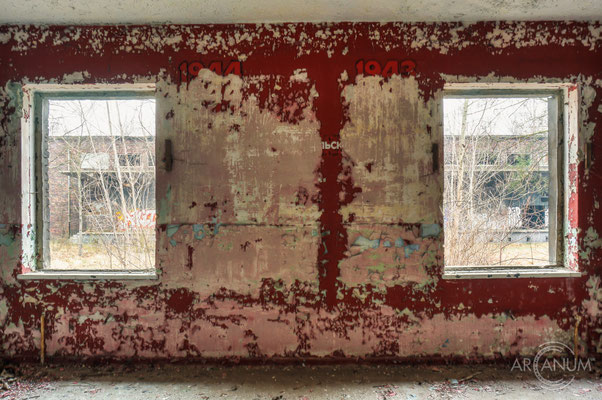
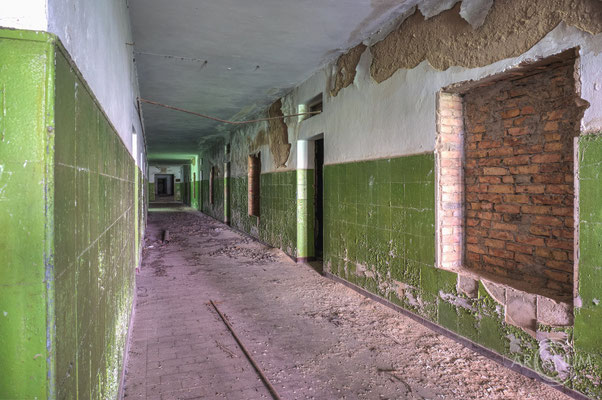
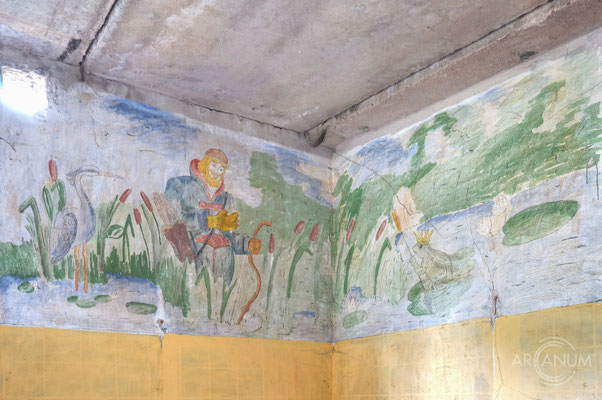
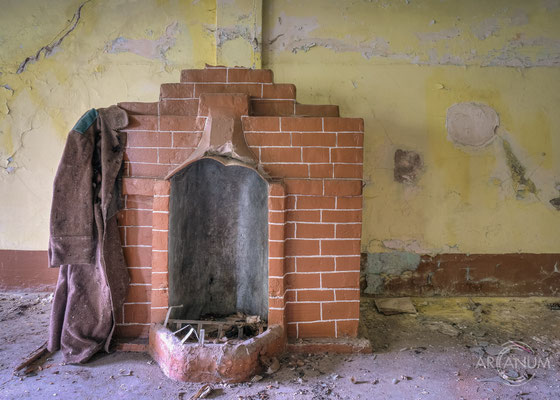
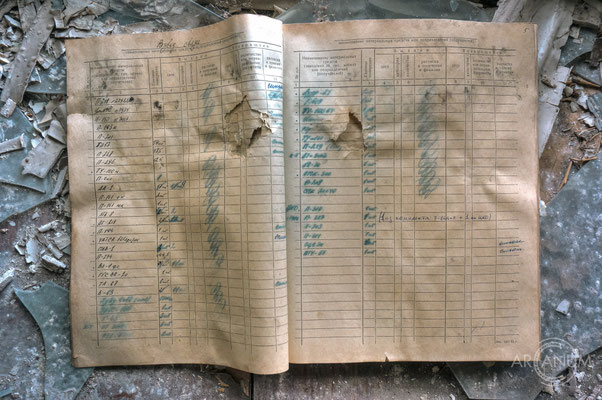
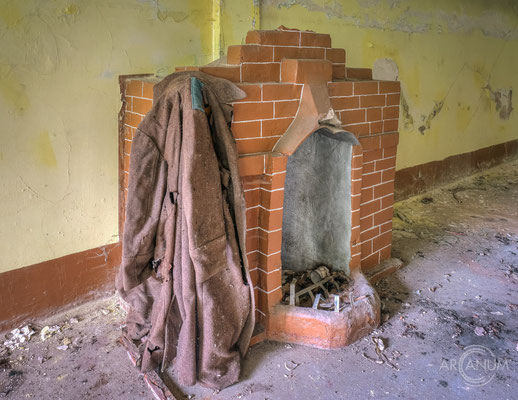
During this period, the airfield functioned almost as a self-contained military town. Thousands of Soviet soldiers, officers, and their families lived on or near the base in purpose-built housing, largely isolated from the surrounding civilian population. Everyday life was shaped by strict security measures, secrecy, and the routines of a permanent state of readiness that defined much of the Cold War era.
German Reunification and Abandonment (1989–1994)
With the end of the Cold War and German reunification, the Soviet Union agreed to withdraw all troops from German territory. Alt Daber was officially handed back to German authorities on 20 June 1994, marking the end of fifty years of continuous military use by foreign armies.
For a transitional period, parts of the site were briefly used by the Bundeswehr (German Armed Forces), but long-term military reuse never materialized. Instead, the vast concrete runways and open spaces quickly fell into abandonment.
Post-Military Life: Decline, Reuse, and Nature’s Return
In the decades after 1994, the airfield underwent several waves of informal and formal reuse:
- Parts of the runways were repurposed for motorsport events, races, and other gatherings that made use of the broad concrete surfaces.
- The site became known as a venue for electronic music festivals and other large-scale events that thrived in its open space and industrial aura.
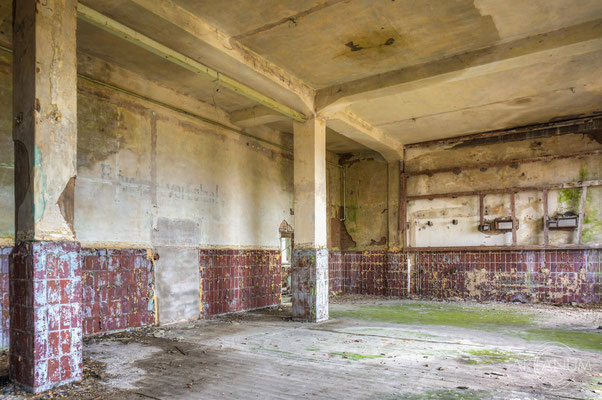
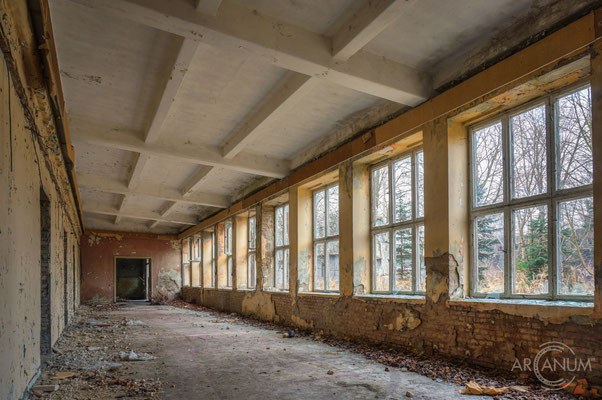
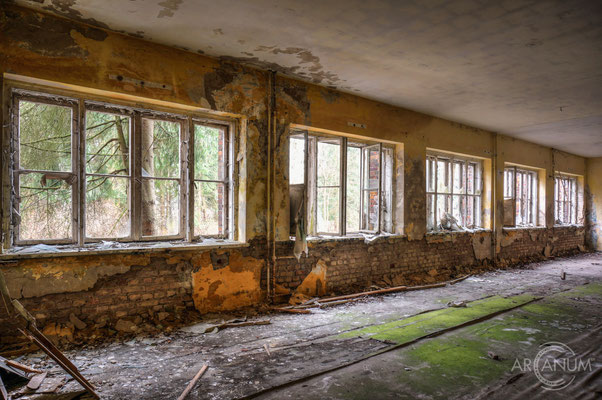
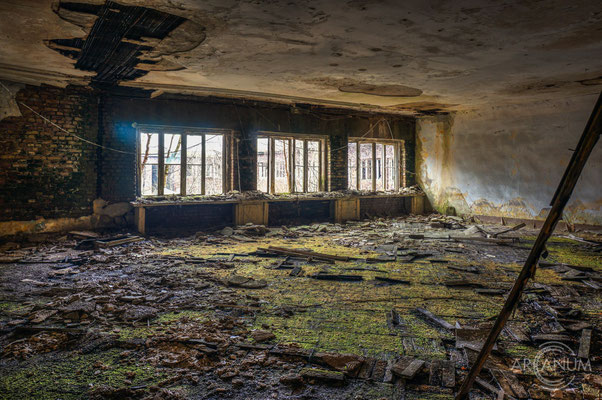
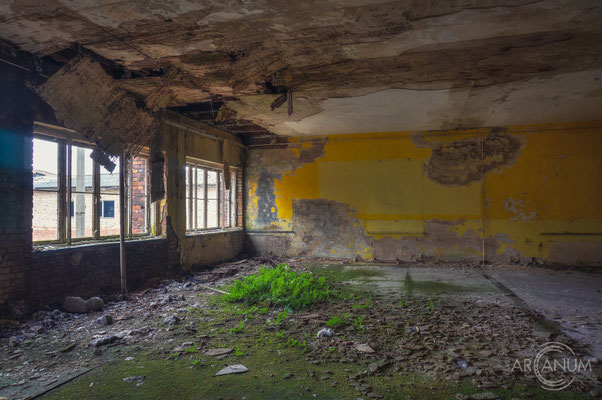
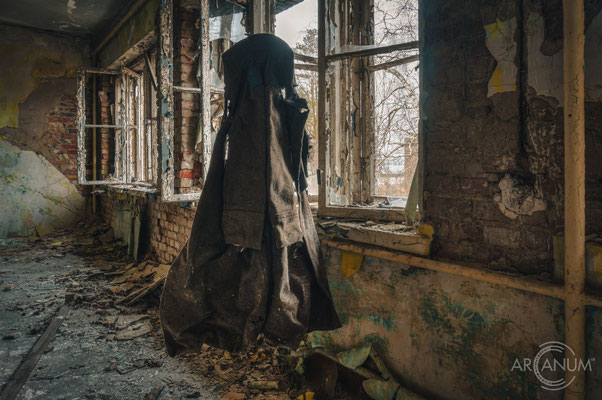
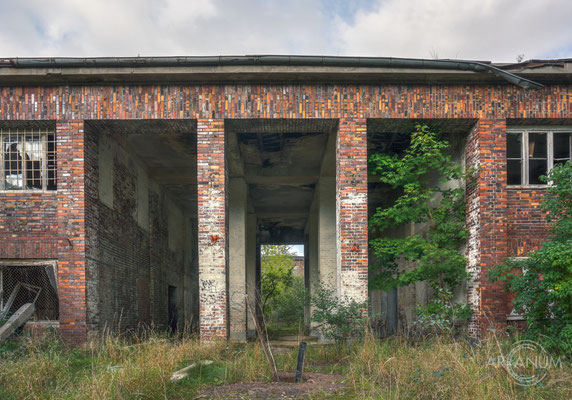
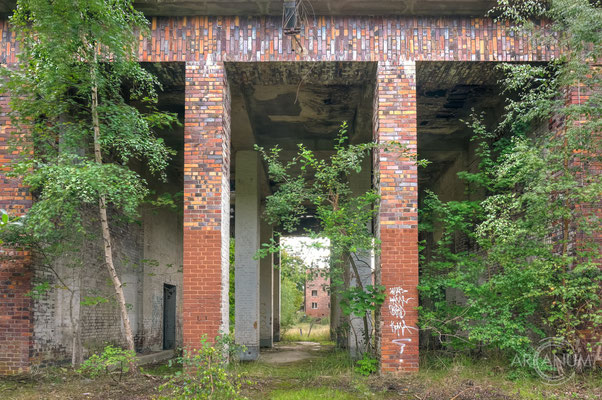
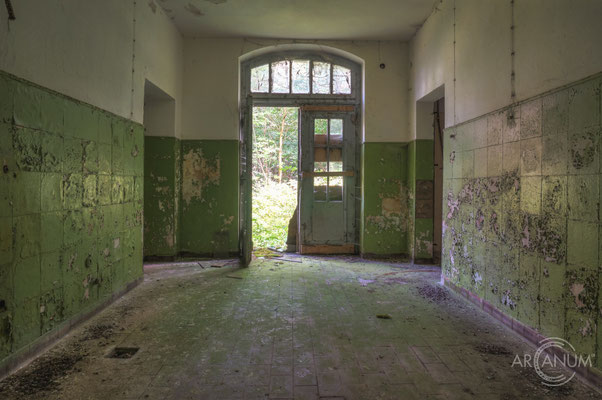
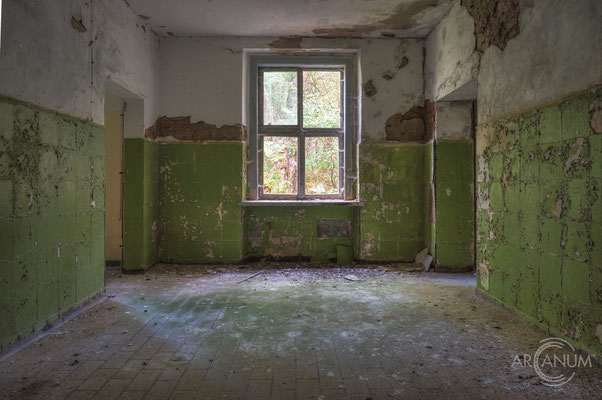
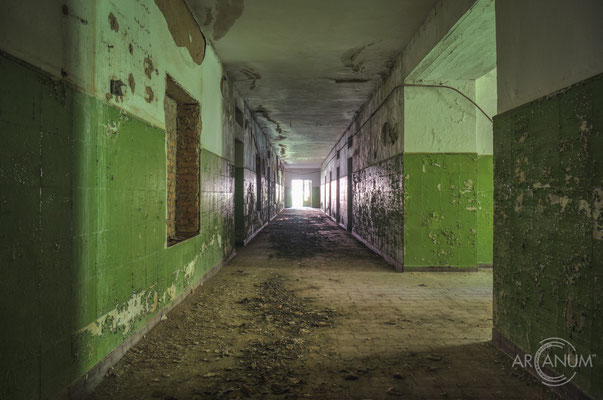
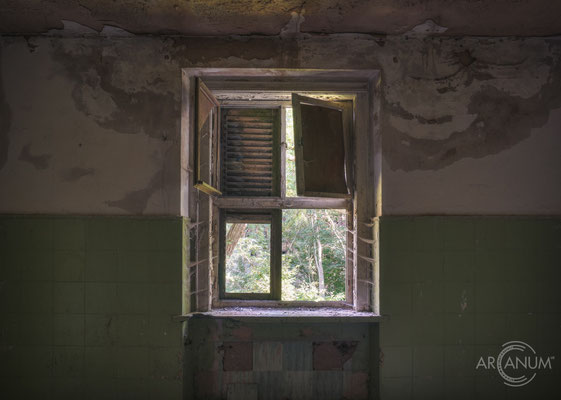
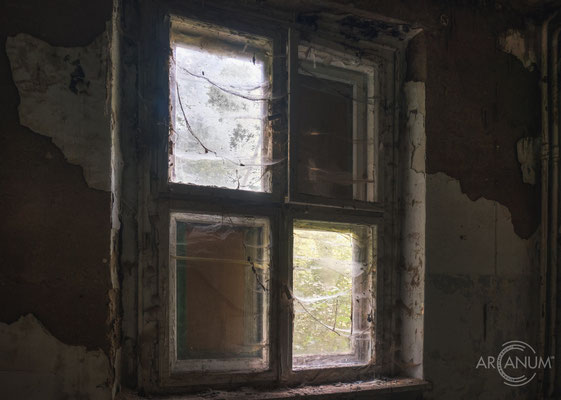
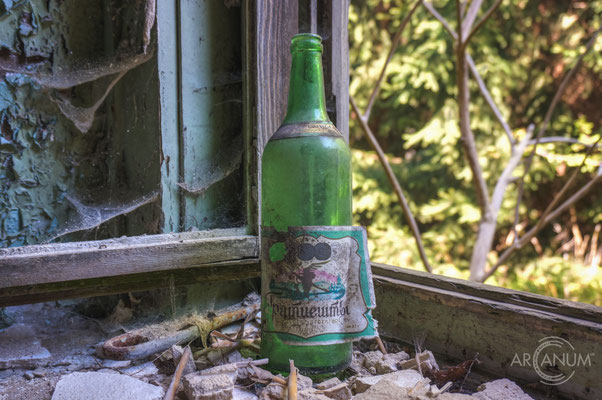
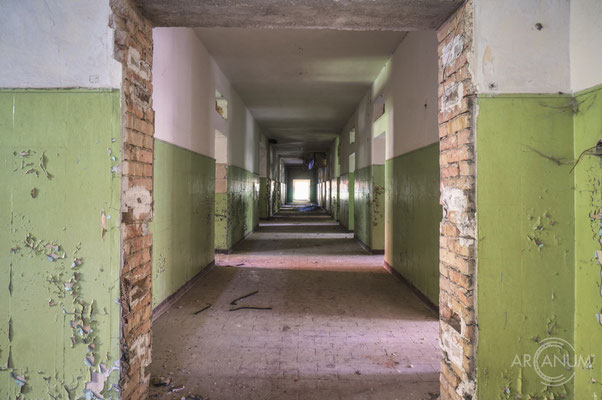
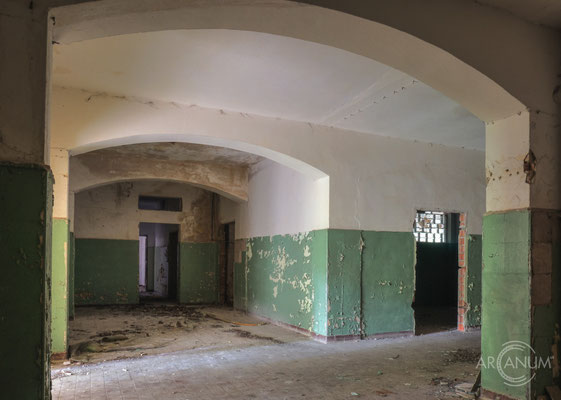
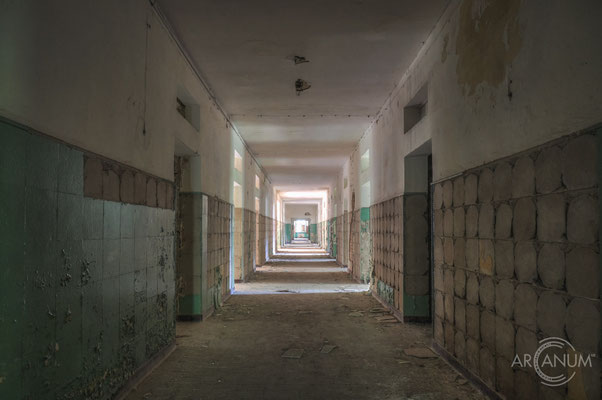
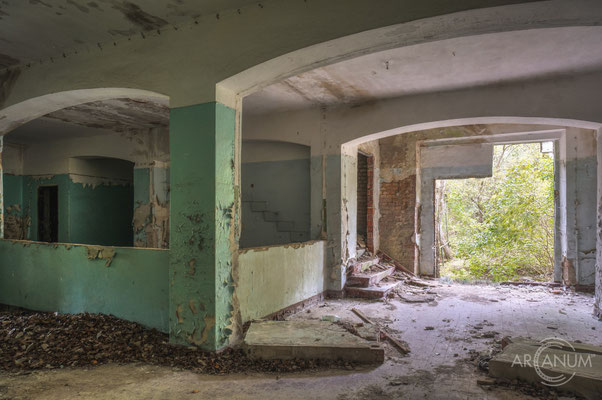
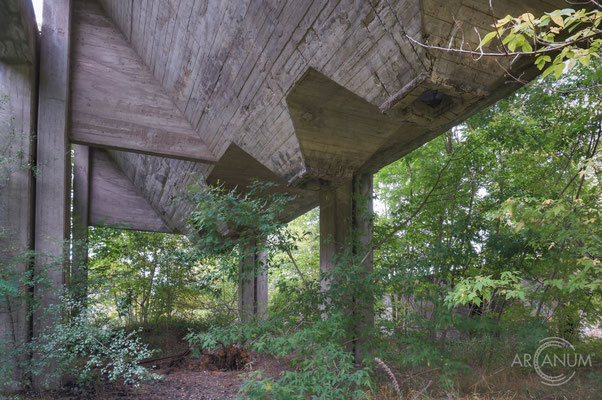
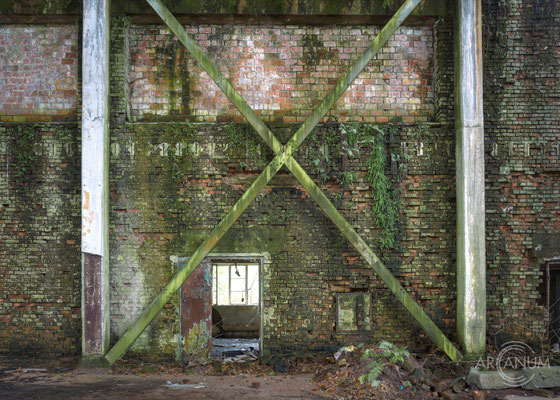
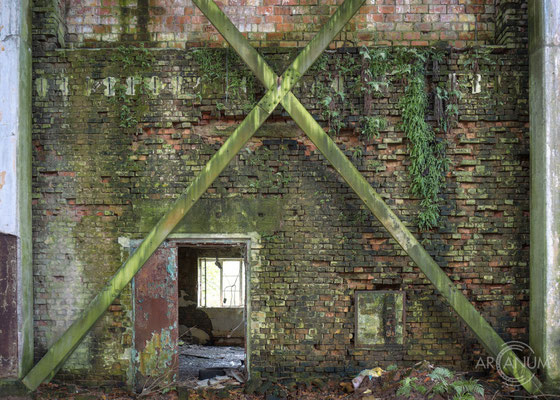
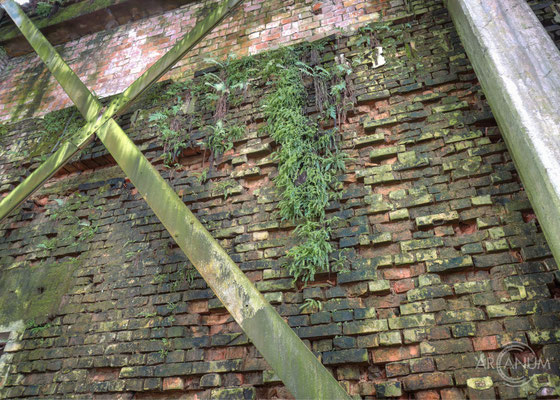
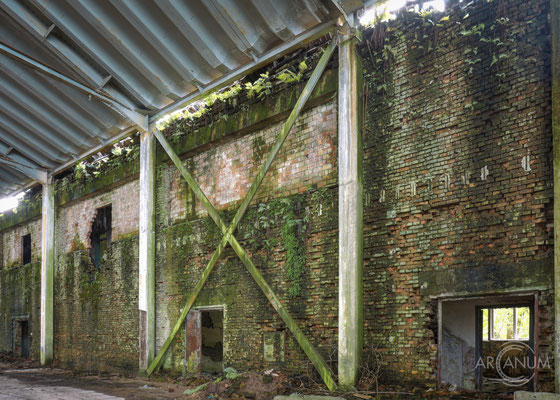
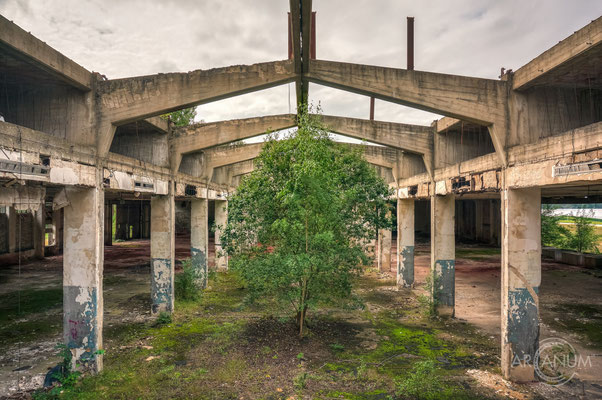
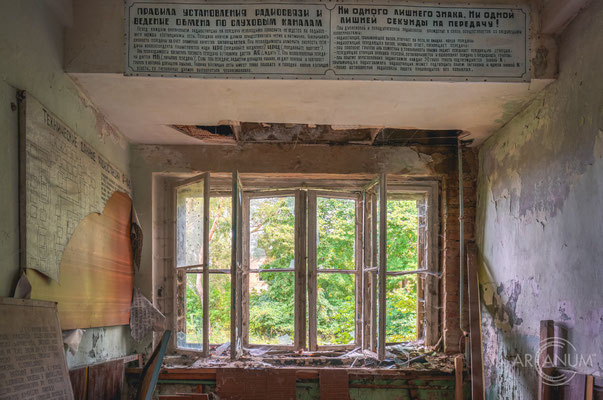
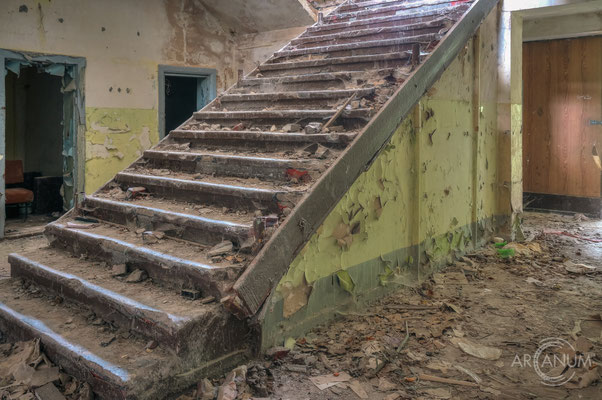
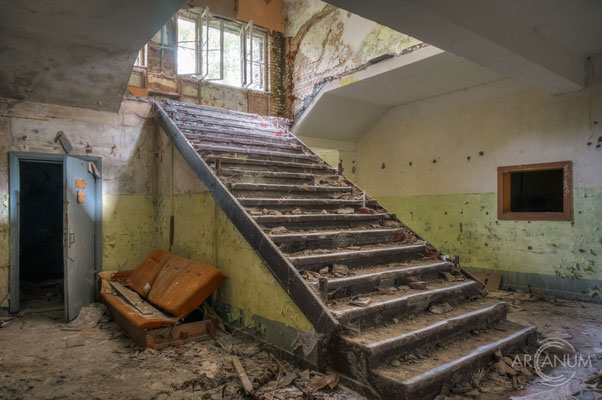
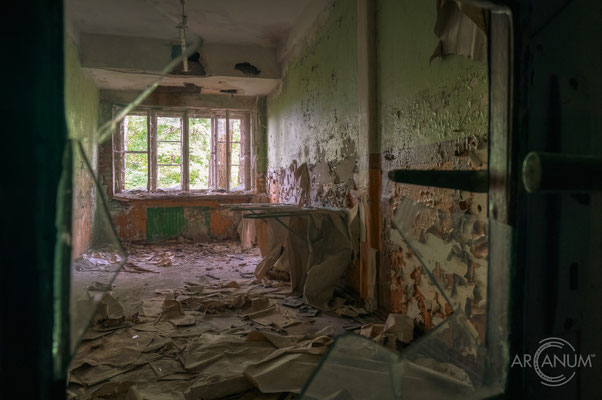
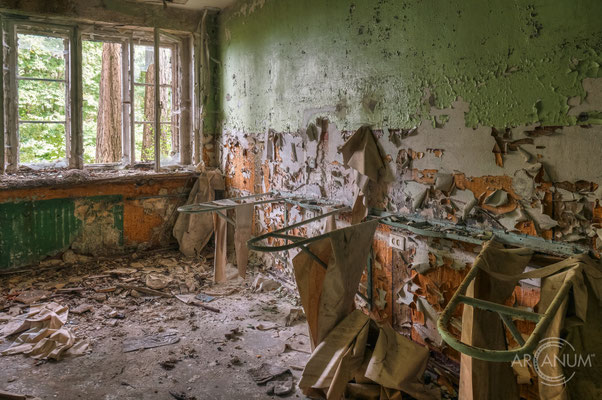
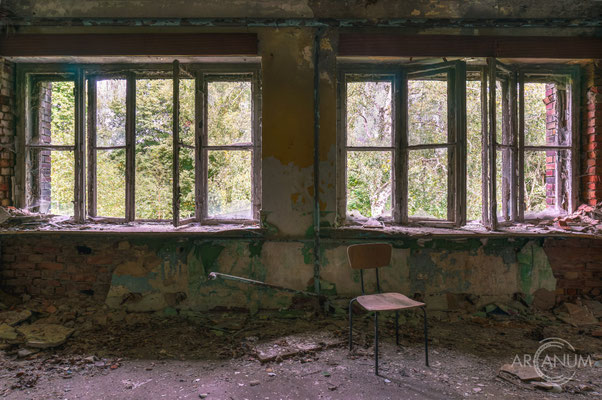
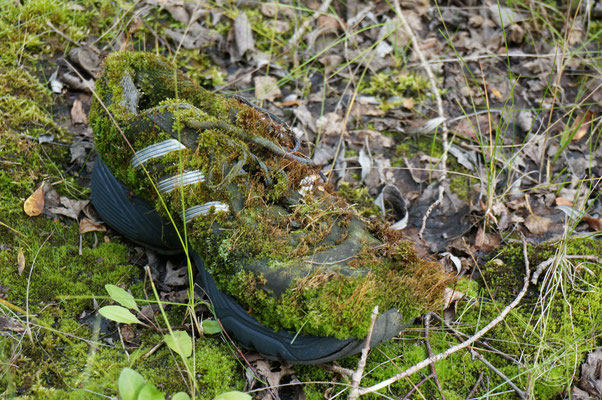
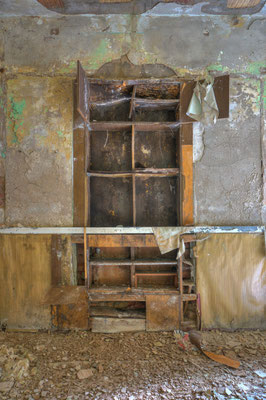
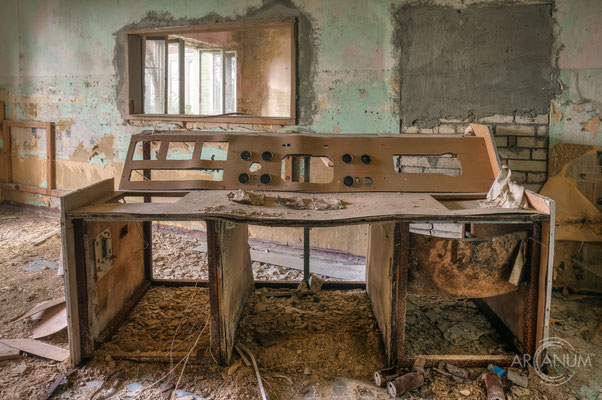
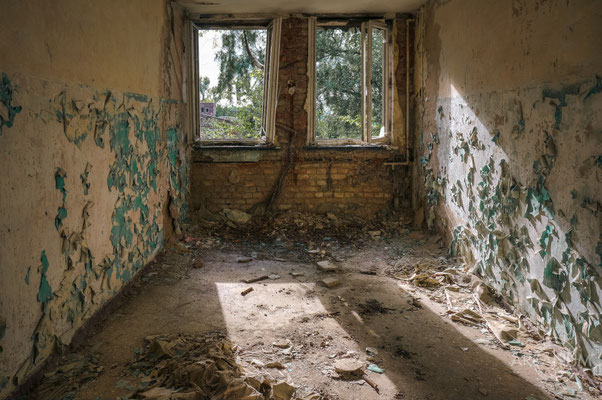
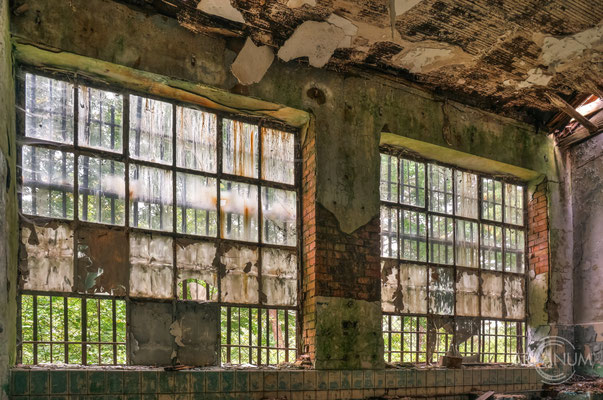
- Over time, nature began to reclaim the area: grasslands, shrubs, and wild flora filled in abandoned buildings and edges of taxiways, creating a hauntingly beautiful landscape that attracts photographers and explorers alike.
- In 2011, a significant part of the former military terrain was converted into the Solarpark Alt Daber, a photovoltaic energy installation that now produces renewable electricity across large swaths of the former runways and apron.
- Since around 2014, demolition and cleanup efforts - often supported through EU regional development funds - have removed many redundant structures, although several key buildings (including main hangars and the administrative block) are now protected as heritage assets.
Today, the site presents a combination of industrial ruins, protected monuments, solar arrays, and open terrain, a patchwork reflecting shifting priorities from militarization to energy production - and its appeal to urban explorers is largely shaped by these contrasts between decay and regeneration.
Recent Tragedy — The 2022 Biker Accident
Although long decommissioned as a military facility, Alt Daber’s expansive runways and open surfaces continue to attract local events and gatherings. Tragically, in September 2022, a motorcycle meetup on the old airfield ended in a fatal crash: two motorcycles collided on the concrete runway, resulting in the deaths of three riders from different German states.
Authorities reported that the riders may have been traveling at high speed when their bikes made contact, causing a severe and fatal crash. The event highlighted ongoing safety concerns at abandoned sites that remain publicly accessible and underscored how these spaces - once sites of disciplined military activity - can pose real risks in unsupervised civilian use.
Conclusion
From a glider field in the early Nazi period, to a paratrooper school in WWII, to a strategic Soviet Cold War airbase, and finally to a solar power site and drifting landscape of ruins, Flugplatz Alt Daber embodies nearly a century of turbulent European history. Its layers tell stories of aviation innovation, geopolitical confrontation, human settlement, post-industrial decay, and adaptive reuse - making it a compelling destination for urban exploration and historical reflection alike.
Visited: September 19, 2015, January 2, 2016 and April 13, 2024
Location: Alt Daber/Wittstock, Germany
Status: Abandoned/Partial Demolition/Solar Park


































GALLERY UPDATE! New photos from Jan. 2, 2016.