The “White Houses of Rechlin”
Forgotten Test Towers in the Forest
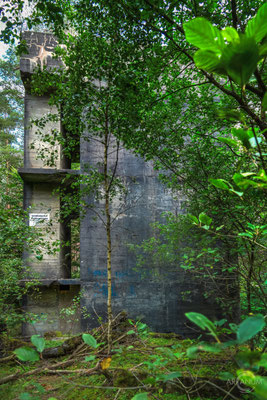
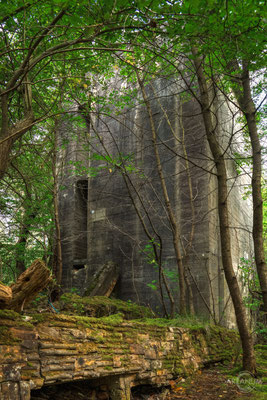
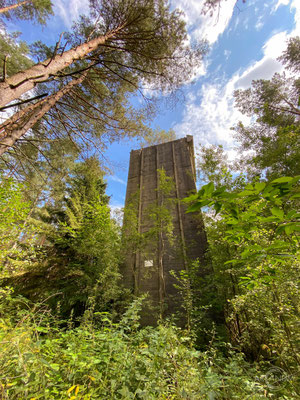
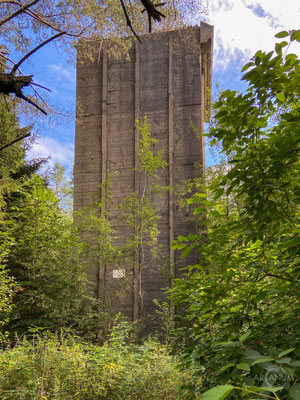
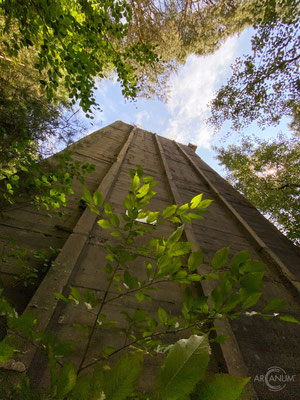
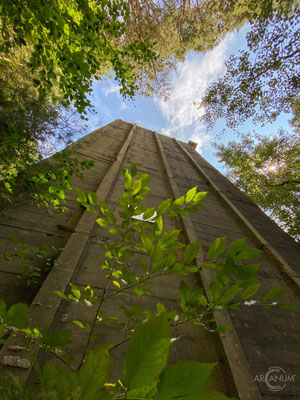
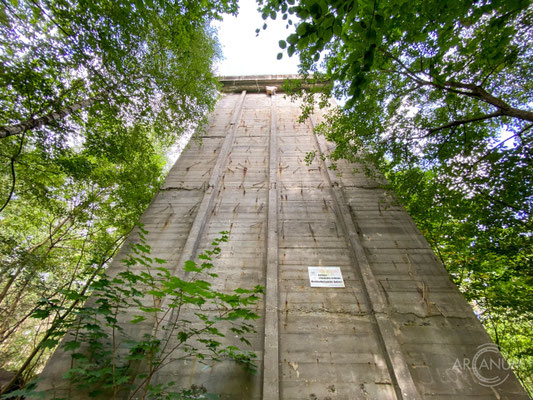
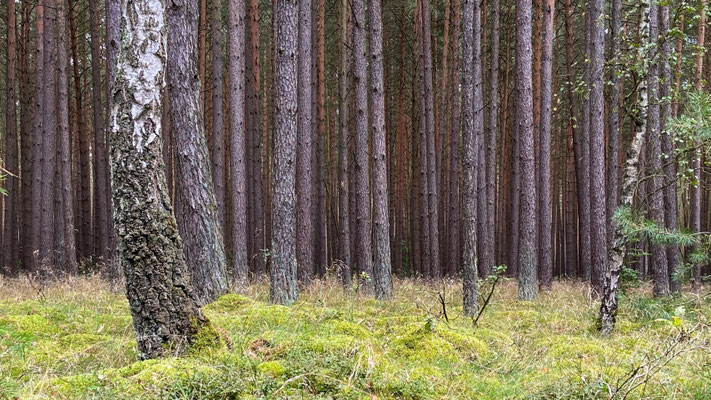
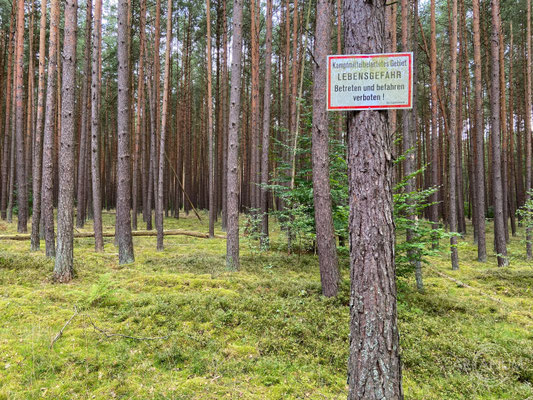
Hidden deep in the woods of Mecklenburg-Western Pomerania, about seven kilometers east of the small municipality of Rechlin, stand four striking concrete towers known locally as the “White Houses.” Today they are overgrown ruins, surrounded by silence and pine forest, yet their origins lie in one of the most significant military research sites of the twentieth century.
For urban explorers, the site offers an evocative mix of raw architecture, decay, and history.
For historically minded visitors, it represents a rare and tangible remnant of Germany’s wartime testing infrastructure. And for curious travelers, it is simply one of the most unusual lost places in northern Germany.
Origins in the Era of the Luftwaffe
The White Houses were constructed in the late 1930s to early 1940s as part of the activities of the Luftwaffe-Erprobungsstelle Rechlin, the central testing ground of the German Luftwaffe during the National Socialist period.
Originally founded in 1916 and greatly expanded after 1933, Rechlin became the most important testing site for German military aviation. Aircraft prototypes, weapons systems, and technical innovations were evaluated here before being introduced into service. Within this broader testing complex, the White Houses formed a specialized experimental installation.
Purpose and Experimental Function
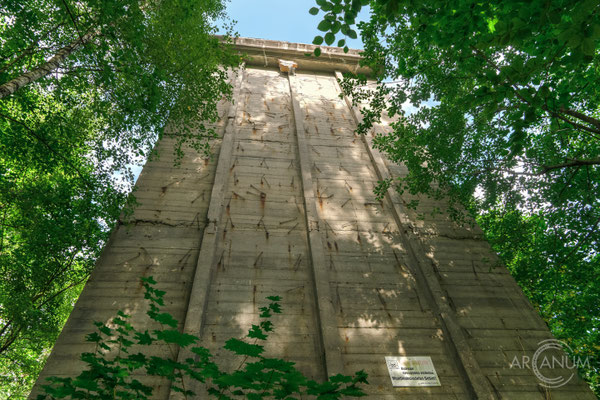
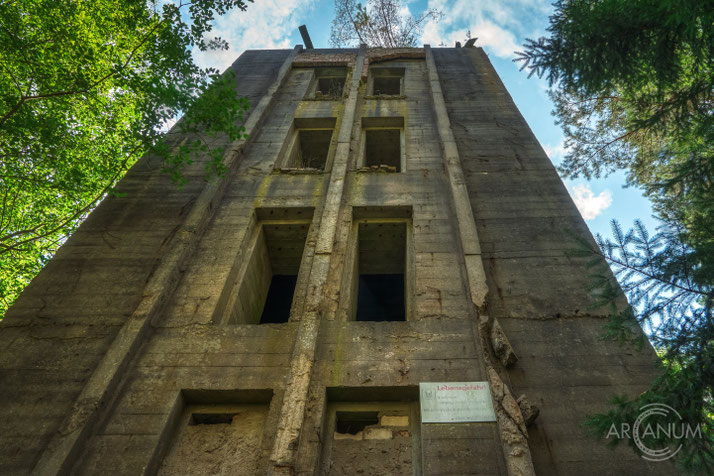
The four towers were built primarily as test structures. Their purpose was to study the effects of bomb blasts, artillery fire, and other forms of destructive force on reinforced concrete buildings. Engineers sought to understand how structures behaved under extreme stress and how construction methods could be adapted to improve resilience.
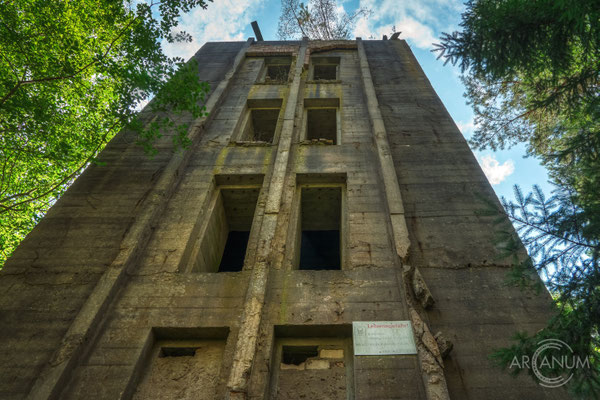
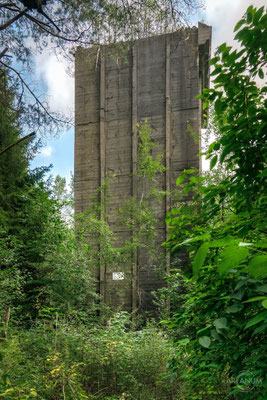
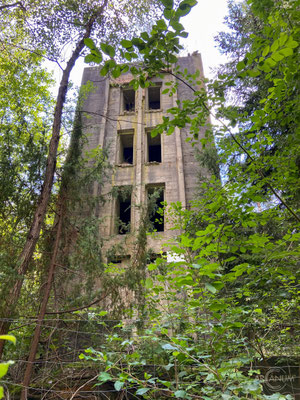
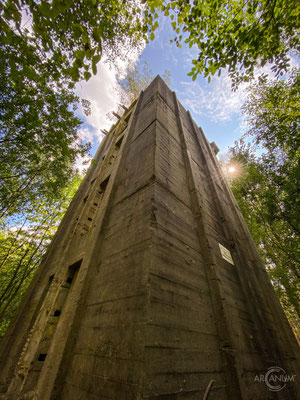
The buildings rise roughly twenty meters high and consist of massive reinforced concrete. Originally, they were clad in light-colored bricks or façade elements, which gave them their distinctive name. After the war, this outer layer was largely removed, leaving the raw gray concrete visible today.
Some accounts suggest that the structures may also have been connected to plans for bomb-resistant housing within the projected redesign of Berlin as “Germania.” While this interpretation appears in secondary sources and local narratives, clear documentary proof remains limited. What is undisputed is their function as experimental buildings within a military research environment.
After 1945: Soviet Control and Abandonment
At the end of the Second World War, the Rechlin area fell under Soviet control. Large parts of the former testing grounds were subsequently used by Soviet armed forces until their withdrawal in 1993.
During this period, the White Houses lost their original function. They were neither significantly repurposed nor maintained. Over time, exposure to weather and the removal of materials accelerated their deterioration. When the military presence ended, the towers were left standing in isolation, slowly reclaimed by nature.
Architecture and Atmosphere Today
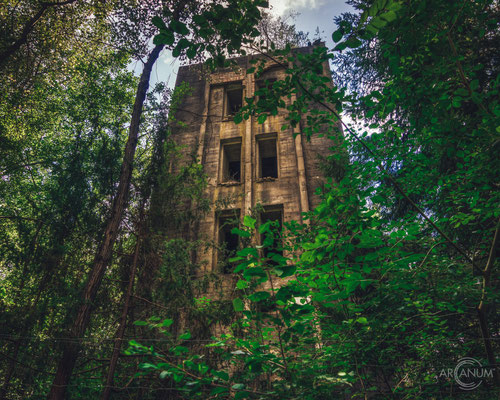
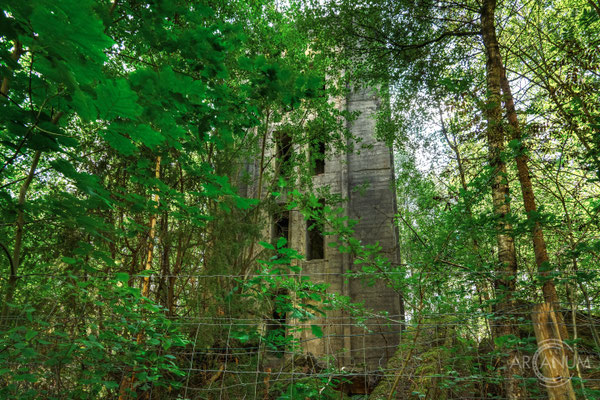
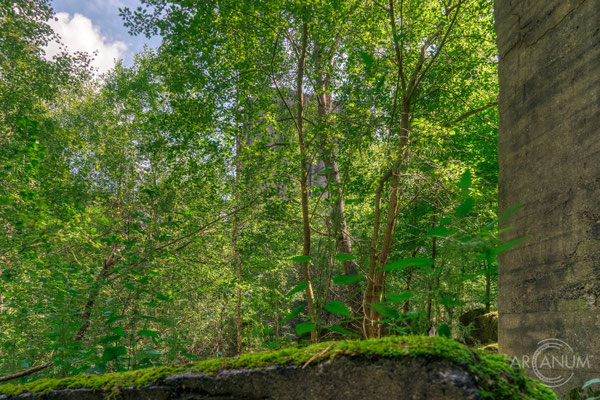
Today, the White Houses stand as hollow concrete shells, partially damaged and marked by decades of decay. Vegetation creeps up their façades, trees grow close to their foundations, and the surrounding forest muffles sound. Inside, visitors encounter bare stairwells, fragmented walls, and traces of structural testing. In some areas, blast damage and impact scars remain visible.
The site is often described as a classic lost place. It is not a formal memorial and does not function as an official museum. However, the broader historical context of Rechlin is documented at the Luftfahrttechnisches Museum Rechlin, which provides background on the region’s aviation history.
Visitors should be aware that the surrounding terrain may still contain remnants of military activity. As with many former testing grounds, caution and respect for safety are essential.
A Place Between Ruin and Memory
The White Houses of Rechlin occupy a space between industrial monument, wartime relic, and atmospheric ruin. They reflect the technological ambitions and destructive research of their time, yet today they stand quiet and almost surreal in the forest landscape.
For urban explorers, they offer stark geometry, textured surfaces, and powerful photographic motifs. For historians, they are physical evidence of the infrastructure behind military experimentation. And for travelers who happen upon them, they provide a striking encounter with a hidden chapter of twentieth-century history.
In their weathered concrete and overgrown surroundings, the White Houses remain a haunting reminder of how even the most formidable structures can outlive their purpose and fade into the landscape.
Visited: August 19, 2021
Location: Rechlin, Germany
Status: Abandoned